Chef’s Notes
Mason Bostwick · Executive Chef
Great White Oysters — Great White oysters are cultivated in the pristine waters of Cape Cod, Massachusetts. They offer a distinctive ocean-in-a-shell flavor. This flavor sets them apart from other varieties 9. These hand-grown mollusks thrive… Great White Oysters derive their name from their pristine, white shells, which are notable for their smooth, clean exterior. This white hue, combined with the oyster’s sizable and…
Flavor chart
Chef palate read
Shuckability
Shell & line performance
When I buy it
Look for Great White Oysters in peak season when salinity peaks.
How I serve it
On the half shell with minimal garnish — let the oyster speak.
What to watch for
Full brine with creamy finish. Reject any with broken shells or milky liquor.
My read
Strong minerality — briny and nutrient-rich. A solid farmed eastern oyster.
Quick Facts
- Flavor Profile: Mildly briny with sweet, creamy notes and a smooth finish.
- Size: Typically 3-4 inches in length.
- Cultivation: Farmed with a grow-out period of 12-18 months.
- Salinity: 28-32 ppt, depending on the cultivation waters.
- Seasonality: Available year-round due to sustainable farming practices
What Are Great White Oysters?
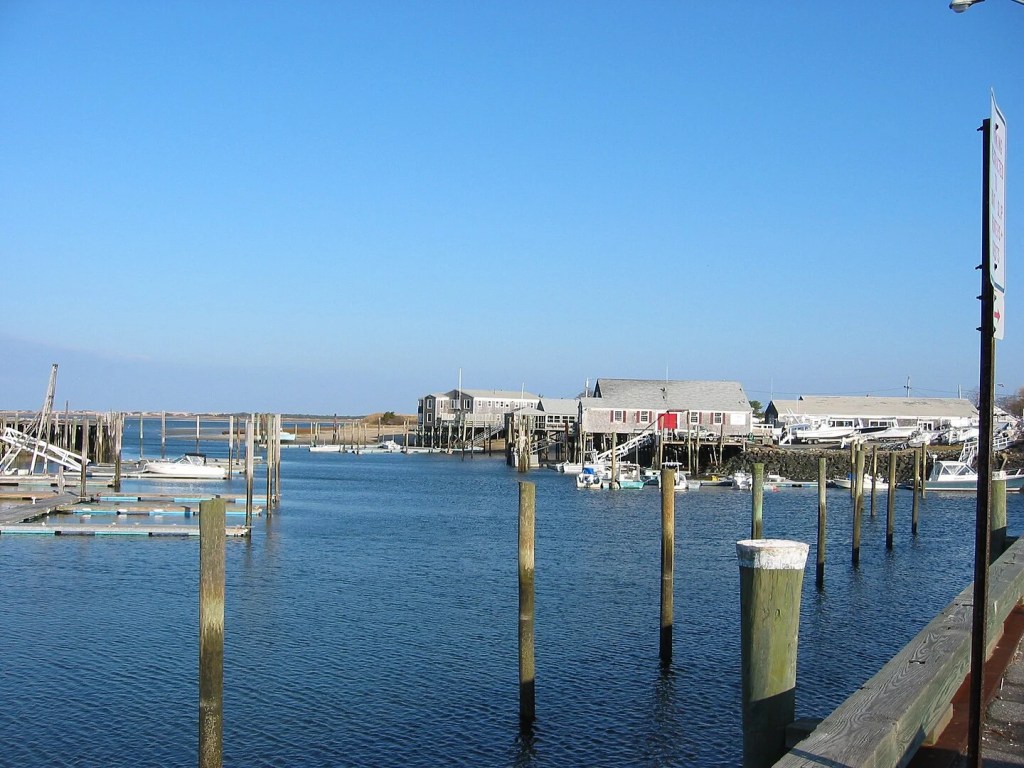
Great White oysters are cultivated in the pristine waters of Cape Cod, Massachusetts. They offer a distinctive ocean-in-a-shell flavor. This flavor sets them apart from other varieties 9. These hand-grown mollusks thrive in the nutrient-rich environment of Barnstable Harbor. The strong ebb and flow of ocean tides occur twice daily. This activity provides them with a diet rich in minerality and salinity 3. What makes Great White oysters truly unique is their flavor profile. They boast a high salinity that tapers off with notes of green melon, citrus, and cucumber 2. This combination of bright, medium salinity and sweet undertones creates a complex taste experience that oyster enthusiasts cherish. The balance between saltiness and sweetness, coupled with subtle fruit notes, distinguishes Great Whites from their counterparts.

The cultivation method of Great White oysters contributes to their exceptional quality. Bottom cultured in mesh bags or trays, these oysters develop a consistent shape and size2. This careful nurturing process results in oysters with smooth edges. They have a white to off-white or brownish shell color, making them visually appealing on the half-shell. Their year-round availability further enhances their versatility. They range in size from petite to select. This makes them suitable for both culinary applications and raw consumption 2.
How Did Great White Oysters Get Their Name?
Great White Oysters derive their name from their pristine, white shells, which are notable for their smooth, clean exterior. This white hue, combined with the oyster’s sizable and uniform appearance, inspired the name “Great White.”
The name also reflects the oyster’s high quality and premium reputation. Many oyster farmers and seafood purveyors label these oysters as “Great White.” They aim to highlight their superior texture and taste.
About Cape Cod Oyster Company
Cape Cod Oyster Company was founded by Al Surprenant in 1983. It has become a leading oyster producer in New England. The company’s roots stem from Surprenant’s deep appreciation for Cape Cod’s coastal environment. His early understanding of the importance of water quality1 also contributed to its foundation.

Cape Cod Oyster Company is among the largest oyster growers in the region. It is responsible for 10 percent of all Massachusetts oyster production 12. The company’s commitment to sustainability and traceability sets it apart in the industry. They source oysters from well-managed hatcheries and employ responsible production and harvesting practices 1.
Cape Cod Oyster Company’s operations span multiple locations on Cape Cod. They cultivate oysters in the nutrient-rich waters of North Bay. They hand-grow them from seedling to harvest. This process occurs in premier areas of Barnstable Harbor, West Bay in Osterville, and Waquoit Bay in Falmouth 1. This diverse range of growing locations contributes to the distinct characteristics of their oysters.
The company has experienced significant growth and evolution over the years:
- In 1983, they began raising oysters but initially focused on clam seed supply 1.
- By the early 2000s, Cape Cod Oyster shifted its focus exclusively to oysters, coinciding with the oyster renaissance 1.
- In 2010, they moved to a state-of-the-art, third-party audited facility in Barnstable, Massachusetts 1.
- In 2015, the company acquired Washburn Island Oysters in Falmouth, Massachusetts, expanding their operations 1.

Cape Cod Oyster Company’s success relies on environmental stewardship. They actively engage with the community and commit to producing high-quality oysters. Their practices ensure a consistent supply of oysters. These practices also contribute to the health of Cape Cod’s coastal ecosystems 14.
Follow Them
Dive into the world of premium oysters! Visit Cape Cod Oyster Company’s official website to explore their sustainable practices and mouthwatering offerings. Follow them on social media for a taste of coastal living, behind-the-scenes glimpses, and delicious oyster inspiration.
Great White Oysters Information

Appearance: The shell is oval in shape, with smooth edges, and is white to off-white to brownish in color. They are part of the shellfish family and are bivalve mollusks with a hinged shell
Flavor Profile: Bright medium salinity that tapers off with notes of green melon citrus and cucumber.