


Chef’s Notes
Mason Bostwick · Executive Chef
Pacific oyster
Glacier Point — Glacier Point — Bold brine — crisp and cucumber finish. A solid farmed pacific oyster.
Flavor chart
Chef palate read
Shuckability
Shell & line performance
When I buy it
Look for Glacier Point Oysters in peak season when salinity peaks.
How I serve it
On the half shell with minimal garnish — let the oyster speak.
What to watch for
Full brine with clean finish. Reject any with broken shells or milky liquor.
My read
Bold brine — crisp and cucumber finish. A solid farmed pacific oyster.
Glacier Point oysters grow in the pristine waters of Kachemak Bay, Alaska. They offer a culinary experience distinct from other oyster varieties. Growers raise them in suspended trays for three to four years. The trays protect them from predators and ensure steady nutrient flow from large tidal exchanges.
Frequent tumbling hardens the oysters’ shells and deepens their cups. That work enhances presentation and texture on the half shell. Cold, nutrient-rich glacial runoff feeds the bay. This farming approach builds robust shells and exceptional meat quality.
These oysters have a flavor that sets them apart from other Pacific oysters. They are known for a sweet and almost umami taste from the unique marine environment. Glacier Points carry a refreshing vegetal finish that is crisp and clean. Glacial meltwater shapes the waters of Kachemak Bay and that distinct taste.
Natural kelp beds in the area further enrich the flavor. They add subtle sweetness and complexity to every cup. Glacier Point oysters do not reproduce and spawn like diploid stock. That trait helps each oyster retain crisp, refreshing flavor through the growth cycle.
This unique feature makes them a consistent favorite among culinary enthusiasts. Innovative farming techniques meet a distinctive growing environment on every tag. Distinctive flavor retention sets Glacier Point oysters apart in the seafood market. Chefs reorder them for that reliable half-shell profile year-round.
What Are Glacier Point Oysters?
Glacier Point oysters are farmed Pacific oysters tied to Alaska Shellfish Farms in Kachemak Bay, Alaska. Weatherly and Greg Bates raise the stock in deepwater suspended trays off Halibut Cove. Harvest runs year-round after three to four years on the farm. Tags and distributor manifests carry the Glacier Point name across the country.
On the half shell the line reads sweet and crisp with a vegetal or cucumber finish. A distinctive umami brininess follows without muddying the cup. Salinity runs twenty-five to thirty-two ppt from glacial-influenced bay water. The profile stays refreshing through growth thanks to triploid stock.
Regular tray tumbling hardens shells and deepens cups for a polished half-shell look. Meats sit plump and ivory-toned inside khaki-to-brown shells with clean edges. Chefs value the consistent flavor when oysters do not spawn off-flavor. Peak quality holds across seasons in Kachemak Bay’s cold, nutrient-rich water.
How Did Glacier Point Oysters Get Their Name?
Glacier Point Oysters take their trade name from the Glacier Point brand raised in Kachemak Bay, Alaska. Buyers see the name on tags, bushel labels, and distributor manifests nationwide. The label ties the oyster to Alaska Shellfish Farms and a glacial bay environment.
That distinction helps chefs match half-shell tags to the correct grower or lease. Glacier Point signals suspended-tray Pacific stock from Halibut Cove. The name reflects the glacial meltwater that shapes the bay’s salinity and flavor.
About the Alaska Shellfish Farms
Alaska Shellfish Farms is a family-owned and operated aquaculture operation founded by Weatherly and Greg Bates. It is located in Halibut Cove, Alaska, amidst the untouched wilderness. The farm is renowned for sustainable cultivation of Glacier Point Oysters, mussels, and kelp in Kachemak Bay.
Initially, the Bates family focused solely on oyster farming and their offerings were limited to oysters. They expanded to include mussels and kelp later on. That shift was driven by ecosystem-based aquaculture and a significant oyster seed shortage. Diversification kept the farm productive through supply gaps.

The core values of Alaska Shellfish Farms center around sustainability, environmental stewardship, and community engagement. The farm operates with minimal ecological impact and leverages a location where glaciers meet the northern Pacific Ocean. This approach ensures high-quality seafood and supports the health of the surrounding marine ecosystem. The farm grows oysters from seed and integrates naturally occurring mussels and kelp.
Those integrated practices enhance biodiversity and help maintain water quality across the lease. Alaska Shellfish Farms is deeply committed to the local community through economic opportunity and local sustainability. During the COVID-19 pandemic the Bates family focused on local sales. They employed an honor system to increase locals’ access to fresh seafood.
This initiative reflects the Bates family’s dedication to supporting their community. They aim to foster a local market for sustainably farmed products. Stay updated on the latest developments by checking out their official site and follow them on social media!
Glacier Point Oysters Information

Pacific oyster
Location
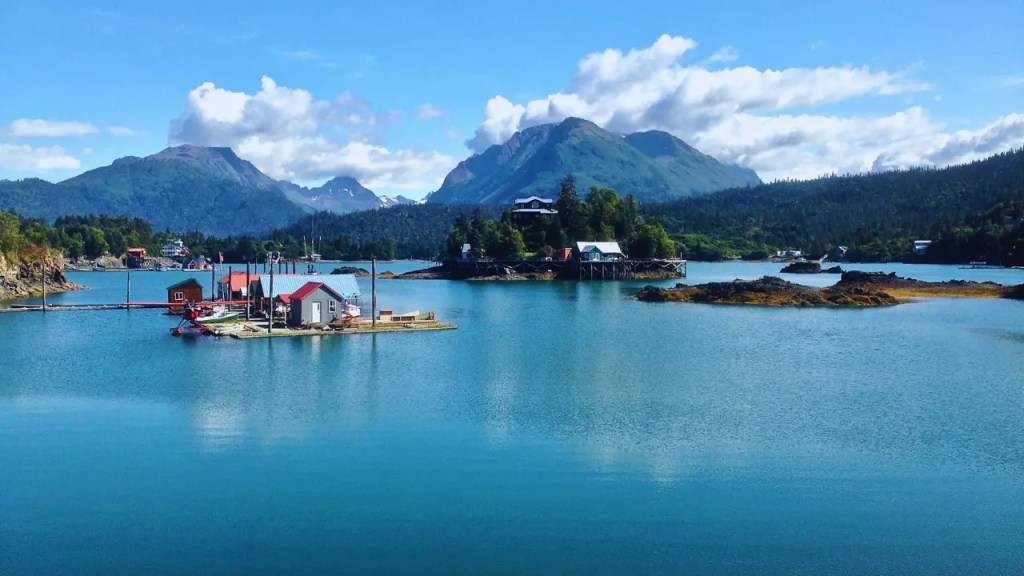
The farmers cultivate Glacier Point Oysters in Kachemak Bay, Alaska. Halibut Cove sits within this bay as an ideal oyster cultivation site. Several unique environmental and ecological factors support optimal growth and flavor. Those conditions define Glacier Point Oysters on the half shell.
The bay is fed by glaciers that merge with the northern Pacific Ocean. This creates a pristine and nutrient-rich environment for shellfish. Cold water slows oyster metabolism and allows slower growth. Firmer, more flavorful meat results from that extended grow-out in the bay.
Glacial meltwater influences salinity and temperature across Kachemak Bay. Conditions here run less salty than many Pacific growing regions. Natural kelp beds support water quality and marine habitat throughout the lease. Kelp helps limit water acidity by absorbing carbon dioxide, which supports healthy oyster growth.
Kelp and other marine plants contribute to the base of the food web, enhancing the area’s overall biodiversity, which benefits oysters on every tray. Significant tidal exchanges deliver fresh nutrients continuously to suspended gear. This dynamic environment and cold, nutrient-rich waters make Kachemak Bay exemplary for high-quality oyster cultivation.
Suggested Beverage Pairings
The dryness and mousse-like bubbles of this Champagne provide a nice contrast to the smooth texture of the oysters. Thus enhancing the umami flavors and offering a luxurious pairing experience.
Known for its light body and bone-dry character, Muscadet is a classic pairing for oysters. Its subtle green fruit notes and high acidity complement the salinity and vegetal notes of Glacier Point Oysters.
The subtle cucumber notes of Hendricks Gin align well with the vegetal finish of the oysters. A martini made with this gin served with a twist, would enhance the crisp and refreshing nature of the oysters.
This type of Fino Sherry is known for its lightness and saline qualities. It mirrors the salty depth of the oysters. Its crispness and slight nuttiness can elevate the oyster’s flavor without overpowering it.
This dry rosé from California is crafted with oysters in mind. It features an edgy acidity and aromatic qualities that beautifully match the saltiness and brininess of Glacier Point Oysters.
Where Can I Buy Glacier Point Oysters?
- Penn Cove Shellfish – They offer Glacier Point Oysters packed in various sizes and deliver fresh shellfish directly to your door.
- Alaska Shellfish Farms – Directly from the cultivators of Glacier Point Oysters, this site offers them for sale, ensuring freshness and quality straight from Kachemak Bay.
References
- Penn Cove Shellfish. Web. Accessed 30 May 2026. http://www.penncoveshellfish.com/glacier-point
- Alaska Shellfish Farms. Web. Accessed 30 May 2026. https://www.alaskashellfish.net/shop-shipping/24-count-glacier-point-oysters
Discover more from The Oyster Encyclopedia
Subscribe to get the latest posts sent to your email.