


Chef’s Notes
Mason Bostwick · Executive Chef
Eastern oyster
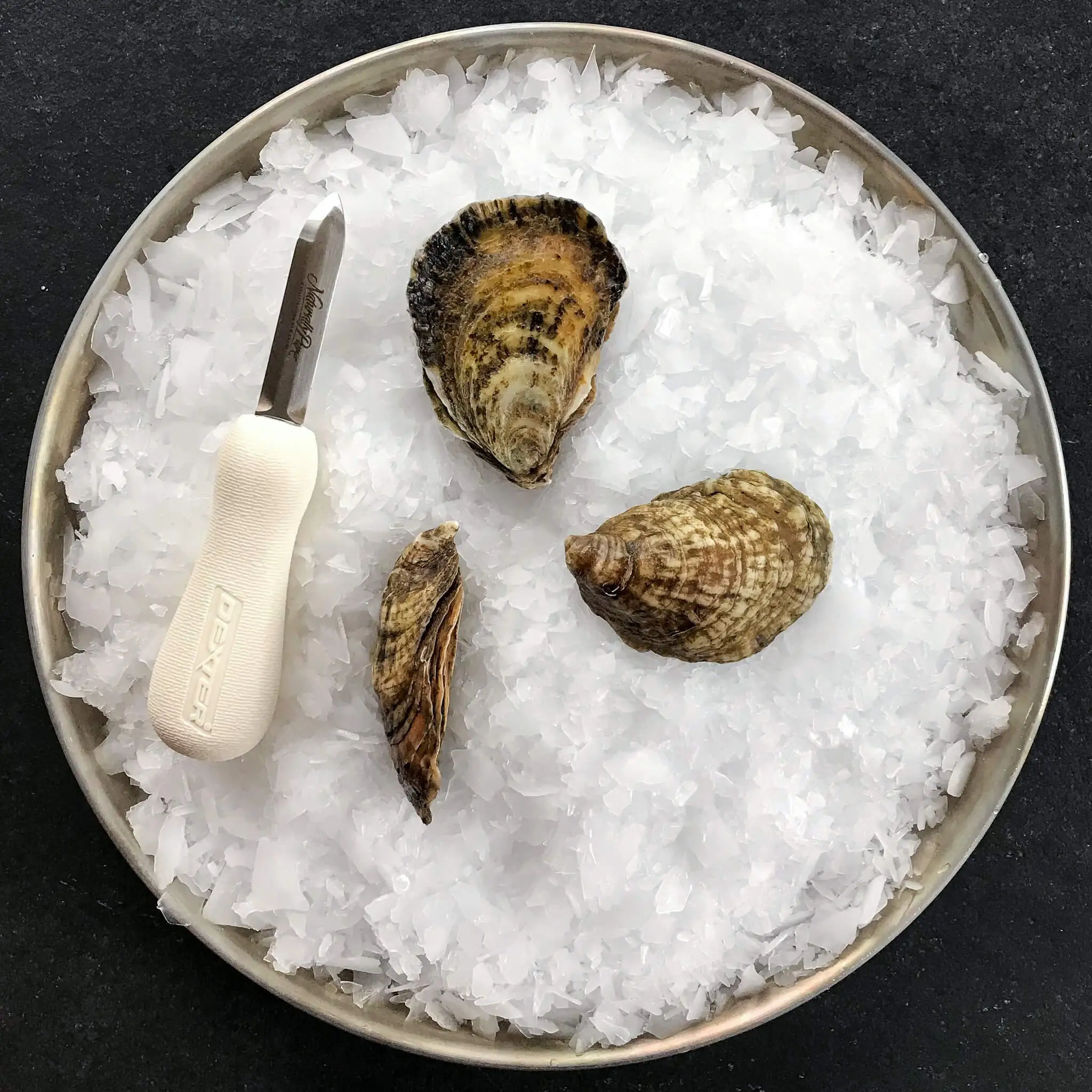
Deep Water Wellfleet oysters come off wild beds 15–30 feet down in outer Wellfleet Harbor, saltier than inshore lots with a pronounced mineral and seaweed finish. I reach for them when I want a robust wild Eastern cup from Cape Cod Bay deep water.
Flavor chart
Chef palate read
Shuckability
Shell & line performance
When I buy it
I look for deep-water Wellfleet tags from outer harbor wild beds 15–30 feet down, dredged or hand-collected from Cape Cod Bay. They run saltier than inshore Wellfleet with a seaweed finish at roughly 28–30 ppt. Confirm the lot is deep-water wild stock, not a generic intertidal Wellfleet bag.
How I serve it
Raw on crushed ice with virgin liquor intact. The robust brine and mineral finish on a Deep Water Wellfleet cup needs little more than lemon — heavy mignonette masks the seaweed note.
What to watch for
Spawn-season milky liquor on wild Eastern oysters in warm months. Teardrop shells should show a clean fluted rim and deep cup — reject gaping or stagnant-smelling lots after warm holding.
My read
Wild deep-water Wellfleet is a Cape Cod classic — teardrop shells, rounder and smoother than coastal lots, with a saltier bite and maritime mineral finish that reads distinct from inshore Wellfleet on the half shell.
What Are Deep Water Wellfleet Oysters?
Deep Water Wellfleet Oysters stand out among their counterparts due to their distinctive characteristics and growing environment. These oysters thrive in the deeper waters of Wellfleet Harbor, Massachusetts. They’re harvested from wild oyster beds 15 to 30 feet below the surface 1. This unique depth contributes to their exceptional flavor profile and texture.
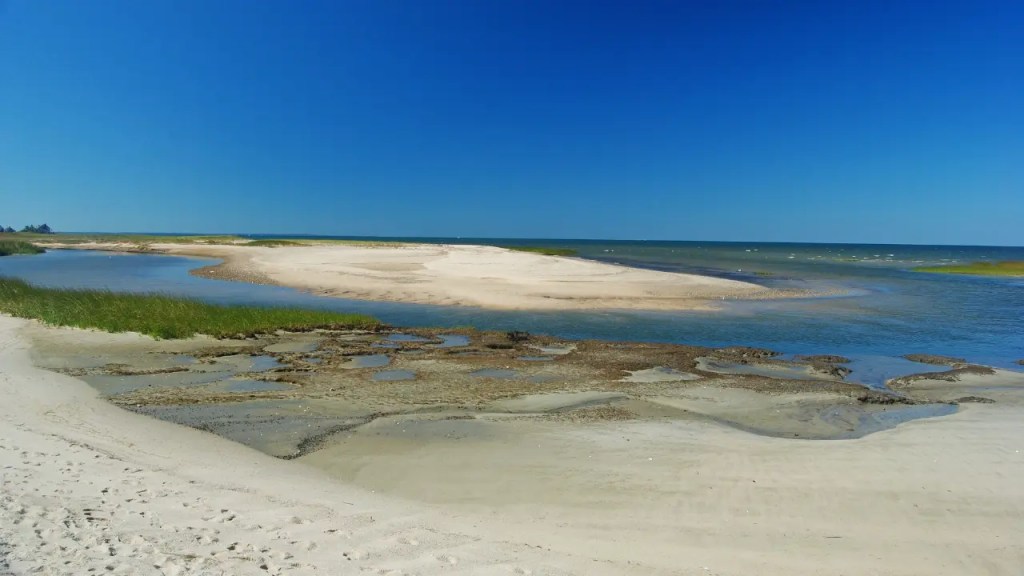
The merroir of Deep Water Wellfleet Oysters sets them apart from other varieties. Their location in the outer Wellfleet Harbor exposes them to the dynamic tides of Cape Cod Bay. This results in a saltier taste compared to their inshore relatives 1. The clean sand and seaweed bottom further enhance their flavor, imparting a seaweed finish that complements their briny notes.
Harvesting these oysters requires special techniques, adding to their uniqueness. Fishermen either drag oyster dredges from boats or dive to collect them by hand 1. This labor-intensive process ensures that only the finest specimens make it to market. This contributes to their limited availability and their premium status among oyster enthusiasts.
How Did Deep Water Wellfleet Oysters Get Their Name?
Deep Water Wellfleet Oysters derive their name from their cultivation location and farming method. They are grown in the deep waters of Wellfleet Harbor, a region synonymous with exceptional oysters. Wellfleet’s oyster history dates back centuries, with its name becoming synonymous with quality and flavor.
The “deep water” descriptor highlights the specific farming approach used. Unlike traditional intertidal farming, these oysters are suspended in deeper, cleaner waters. This technique ensures minimal exposure to sediment, producing oysters with clean, pristine shells and a robust flavor.
Wild Harvest in Wellfleet Harbor
These oysters grow naturally in deeper waters, typically 15 to 30 feet below the surface 4. This unique environment contributes significantly to their distinctive characteristics. The harvesting process for Deepwater Wellfleet Oysters involves specialized techniques. Fishermen drag oyster dredges from boats or dive to collect them by hand.
The harvesting process for Deepwater Wellfleet Oysters involves specialized techniques. Harvesters drag oyster dredges from boats across the harbor bottom. Others dive to collect shellfish by hand when beds demand a gentler approach.
- Dragging oyster dredges from boats
- Diving to collect them by hand
This labor-intensive harvesting ensures only the finest specimens are selected, contributing to the oysters’ premium quality and limited availability 4. The unique growing environment of Deepwater Wellfleet Oysters significantly influences their characteristics. The outer Wellfleet Harbor has large, dynamic tides from Cape Cod Bay.
These tides expose the oysters to clean sand and seaweed bottoms 4. This environment contributes to their distinctive flavor profile. Deepwater Wellfleet oysters taste saltier than inshore Wellfleet’s. They also feature a notable seaweed finish 4.
It’s worth noting that while these oysters grow wild, Wellfleet has a rich history of oyster harvesting and cultivation. Commercial aquaculture cultivation in Wellfleet began in 1970, according to the state’s Department of Agricultural Resources 2. The area’s history of oyster farming has likely helped in managing the wild oyster populations. This has contributed to the sustainability of the oysters from which Deepwater Wellfleet Oysters are harvested.
Follow Them
The Wellfleet Oyster Farm site documents the harbor’s aquaculture history that supports wild bed management on outer Cape Cod Bay. Wellfleet Shellfish Company publishes regional harvest and wholesale context for Wellfleet harbor stock. Retail buyers can source live Wellfleet oysters through Intershell Seafood when deep-water lots are listed for shipping.
Deep Water Wellfleet Oysters Information

Eastern oyster
If you like Deep Water Wellfleet Oysters, then check out these similar varieties!
Location
These oysters grow naturally in deeper waters, typically 15 to 30 feet below the surface5. The unique environment of Wellfleet Harbor contributes significantly to the exceptional quality and characteristics of these oysters. Wild beds sit in outer Cape Cod Bay where licensed harvesters reach them by boat.
Environmental Factors
Several environmental factors make this location ideal for oyster growth and prosperity. The cold waters of Wellfleet’s estuaries play a crucial role in the oysters’ development. Lower temperatures slow down the oysters’ metabolism, allowing them to store glycogen compounds, which results in a sweeter taste4.
The high salinity of Wellfleet Harbor measures around 28 parts per thousand. This salinity level contributes to the oysters’ clean, sharp flavor 4. Deepwater beds share this salinity range with slightly higher readings than inshore lots.
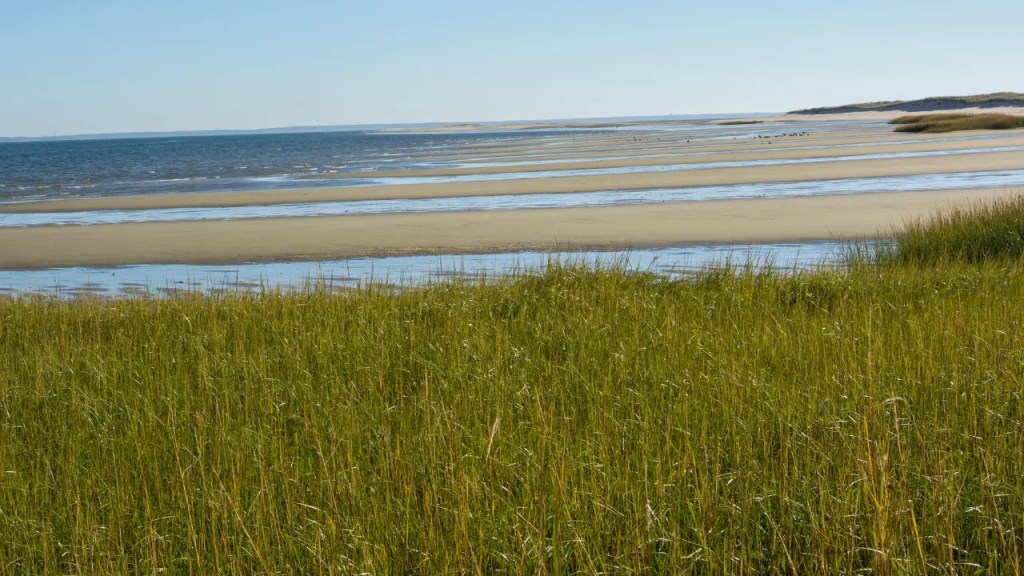
The dynamic tidal system in Wellfleet is another critical factor. The tides average around 12 feet. The broad, shallow estuaries experience a high volume of fresh, plankton-rich ocean water twice daily 4.
This constant influx of nutrient-rich water ensures the oysters are well-fed and healthy. The regular exposure to air during low tides makes Wellfleet oysters more resilient. It improves their ability to withstand shipping and maintain freshness 4.
Lastly, the clean, contaminant-free waters of Wellfleet Harbor provide an ideal environment for oyster growth 4. The unique mix of nutrients in the area shapes the flavor profile of Deepwater Wellfleet oysters. Local phytoplankton species also contribute to their distinctive taste.
They are characterized by a saltier taste than their inshore counterparts. There is also a notable seaweed finish 5. These environmental factors combine to create high-quality, flavorful oysters prized by enthusiasts worldwide.
Suggested Beverage Pairings
Domaine de la Bregeonette Folle Blanche brings tangy salty Loire character beside Deep Water Wellfleet brine. Crisp acidity complements saltiness while mineral notes harmonize with seaweed finish on deep-water Cape cups.
Victory Prima Pils offers citrus-lemony Old World pilsner beside Wellfleet briny profile. Crisp clean beer refreshes palate between bites of plump deep-water Eastern oysters. Pennsylvania-brewed pilsner for Cape Cod raw bars.
Billecart-Salmon Brut Réserve brings fine bubbles and crisp acidity beside Deep Water Wellfleet oysters. Subtle complexity and mineral notes complement deep-water characteristics on Massachusetts half shells. Luxurious Champagne for Wellfleet flights.
Mollusca Martini blends celery gin, pickled ramp brine, and herbs de Provence beside Wellfleet cups. Smokiness and floral aromas enhance briny profile while citrus accentuates seaweed finish. Creative cocktail for deep-water Cape service.
Giesen Sauvignon Blanc bursts with acidity and citrus beside plump briny Deep Water Wellfleet oysters. New Zealand crisp character cuts richness while tropical fruit contrasts salty oceanic flavor. Vibrant white for Wellfleet half shells.
Where Can I Buy Deep Water Wellfleet Oysters?
You can buy Deep Water Wellfleet Oysters from the following sources:
- Intershell Seafood — Live Wellfleet oysters in 25-count packages with year-round shipping from Wellfleet, Massachusetts.
- North Coast Seafoods — Wellfleet oysters in 25, 50, or 100 count from Cape Cod harvesters when deep-water lots are available.
References
- Intershell Seafood. “Wellfleet Oysters.” Intershell Seafood, intershellfish.com/product/wellfleet-oysters/. Accessed 26 Nov. 2024.
- North Coast Seafoods. “Wellfleet Oysters.” North Coast Seafoods, www.northcoastseafoods.com/product/wellfleet-oysters/. Accessed 26 Nov. 2024.
- Lobsters-Online.com. “Wellfleet Oysters.” Lobsters-Online.com, www.lobsters-online.com/wellfleet-oysters/. Accessed 26 Nov. 2024.
- Wellfleet Shellfish Company. “About Us.” Wellfleet Shellfish, www.wellfleetshellfish.com/about-us. Accessed 26 Nov. 2024.
- Massachusetts Department of Agricultural Resources. “Aquaculture.” Mass.gov, www.mass.gov/service-details/aquaculture. Accessed 26 Nov. 2024.
- Victory Brewing Company. “Prima Pils.” Victory Beer, victorybeer.com/beers/prima-pils/. Accessed 26 Nov. 2024.
- Billecart-Salmon. “Our Champagnes.” Billecart-Salmon, www.champagne-billecart.fr/en/our-champagnes. Accessed 26 Nov. 2024.
- Giesen Wines. “Sauvignon Blanc.” Giesen Wines, www.giesenwines.com/our-wines/sauvignon-blanc/. Accessed 26 Nov. 2024.
Discover more from The Oyster Encyclopedia
Subscribe to get the latest posts sent to your email.