


Chef’s Notes
Mason Bostwick · Executive Chef
Eastern oyster
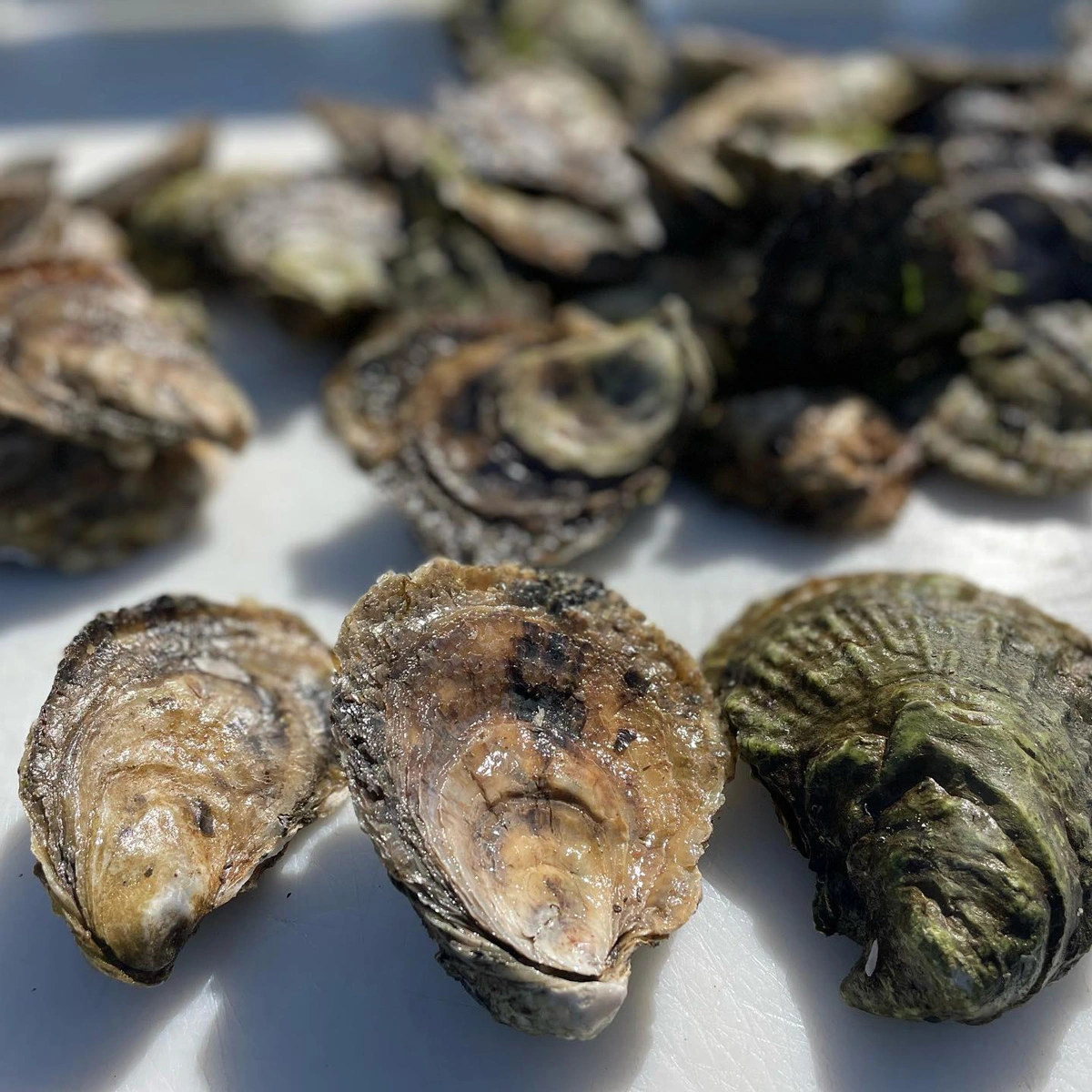
Cuttyhunk — Cuttyhunk — Strong minerality — briny and creamy. A solid farmed eastern oyster.
Flavor chart
Chef palate read
Shuckability
Shell & line performance
When I buy it
Look for Cuttyhunk Oysters in peak season when salinity peaks.
How I serve it
On the half shell with minimal garnish — let the oyster speak.
What to watch for
Full brine with creamy finish. Reject any with broken shells or milky liquor.
My read
Strong minerality — briny and creamy. A solid farmed eastern oyster.
Quick Facts
- Species: Eastern Oyster (Crassostrea virginica).
- Cultivation Method: Farmed using rack-and-bag techniques.
- Size: Medium-sized, ranging from 2.5” to 3.5”.
- Seasonality: Available year-round, with peak quality in cooler months.
- Salinity: Medium salinity, approximately 28-30 ppt.
- Flavor Profile: A clean, briny taste with subtle sweetness and a crisp, mineral finish.
What Are Cuttyhunk Oysters?
Cuttyhunk Oysters, a culinary gem harvested from the pristine waters surrounding Cuttyhunk Island. These exceptional oysters showcase a flavor profile that harmoniously balances brininess and a subtle touch of sweetness. Encased within their plump and medium-sized shells, Cuttyhunk Oysters offer a meaty texture that tantalizes the palate.
Whether enjoyed raw on the half shell or utilized as a culinary ingredient, Cuttyhunk Oysters are a sought-after delicacy. Seafood connoisseurs and esteemed chefs appreciate their impeccable freshness and outstanding quality. Each bite is a testament to the coastal excellence and devotion to craftsmanship that goes into cultivating these remarkable oysters.
Cuttyhunk Shellfish Farms raises them as farmed eastern oysters (Crassostrea virginica) in West End Pond on the island. Oysters grow out for 12–18 months in suspended lantern nets before harvest. Peak season runs July through February, when salinity and cup quality are at their best on half-shell menus.
Where did Cuttyhunk Oysters Get Their Name?
Cuttyhunk oysters are named after Cuttyhunk Island, the westernmost of Massachusetts’ Elizabeth Islands. The island is renowned for its unspoiled environment and maritime heritage. Its name originates from the Wampanoag term for “Land’s End,” reflecting its location and historical significance.
The island’s name has become synonymous with its exceptional oysters, linking the product to the purity of its waters. This association highlights the region’s natural beauty. It shows the rich aquaculture history. This ensures a direct connection between the oysters and their origin.
How Did Cuttyhunk Oysters Get Their Name?
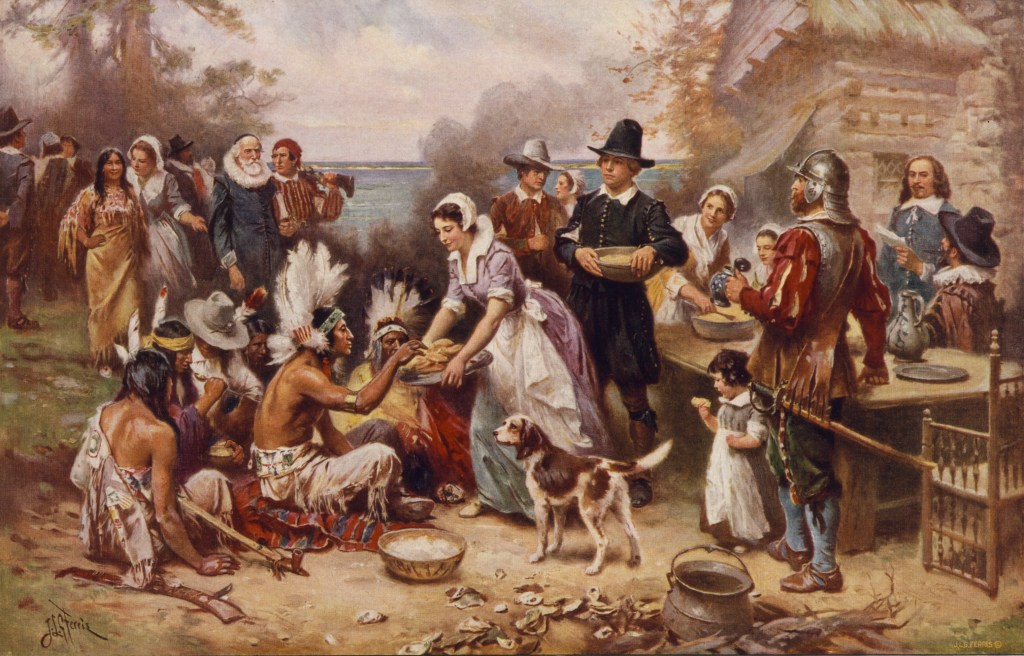
Cuttyhunk Oysters take their trade name from Cuttyhunk Island, the westernmost of Massachusetts’ Elizabeth Islands. Buyers see the island name on tags, distributor manifests, and raw-bar chalkboards from New England to major U.S. cities. That label signals oysters grown in the Elizabeth Islands chain rather than elsewhere in Buzzards Bay.
The island itself is renowned for its unspoiled environment and maritime heritage. Its name originates from the Wampanoag term for “Land’s End,” reflecting its position at the edge of the archipelago. The indigenous name underscores how deeply the island identity is tied to the surrounding waters.
Over time the island’s name has become synonymous with its exceptional oysters, linking each half shell to the purity of local waters. That association highlights the region’s natural beauty and its aquaculture legacy. It ensures a direct connection between the oyster on the plate and the Cuttyhunk shore where it was raised.
About Cuttyhunk Shellfish Farms
Cuttyhunk Shellfish Farms was founded in 1981 by Seth Garfield and his wife on Cuttyhunk Island, Massachusetts. It has evolved significantly over the years. The farm began as a small operation.
It employed local teenagers and young adults. Charmaine Gahan was one of them and would later become its owner. Garfield was a native of Cuttyhunk.
After college, he returned to the island to start the oyster farm. It became a staple of the community. Over time, the business expanded and introduced a mobile raw bar in 1992. This innovation catered to boats in the harbor.
Garfield’s leadership extended beyond the farm. He served as a teacher in the small island community. He also worked as an EMT and fire chief 12.
In October 2022, Charmaine Gahan acquired Cuttyhunk Shellfish Farms from Garfield, marking a new chapter in the company’s history. Gahan, who had worked on the farm as a teenager, returned to Cuttyhunk after a career in finance and healthcare. Under her ownership, the farm continues to produce high-quality oysters. These oysters are known for their unique “merroir.” This is a flavor profile shaped by the specific environmental conditions of Cuttyhunk Island.
The business maintains its commitment to sustainability and community involvement. Its operations include year-round deliveries to mainland restaurants. They also offer catering services and a seasonal raw bar at the harbor.
Cuttyhunk Shellfish Farms remains an integral part of the island’s economy and culture. It employs local residents. The farm contributes to the area’s self-reliance and environmental stewardship.
Follow Them
Experience the unique taste of Cuttyhunk Oysters for yourself! Visit Cuttyhunk Shellfish Farms’ official website. Follow their social media profiles for mouthwatering photos, seasonal updates, and a glimpse into life on Cuttyhunk Island. Don’t miss out on these legendary oysters – dive into the Cuttyhunk experience today!
Cuttyhunk Oysters Information

Eastern oyster
If you like Cuttyhunk Oysters, then check out these similar varieties!
Oyster: Cuttyhunk
Cultivation Method: Farmed for 12-18 months.
Seasonality: July to February
Size: 3.5″+
Culture Method: Suspended Lantern Nets
Salinity: 25-35 ppt
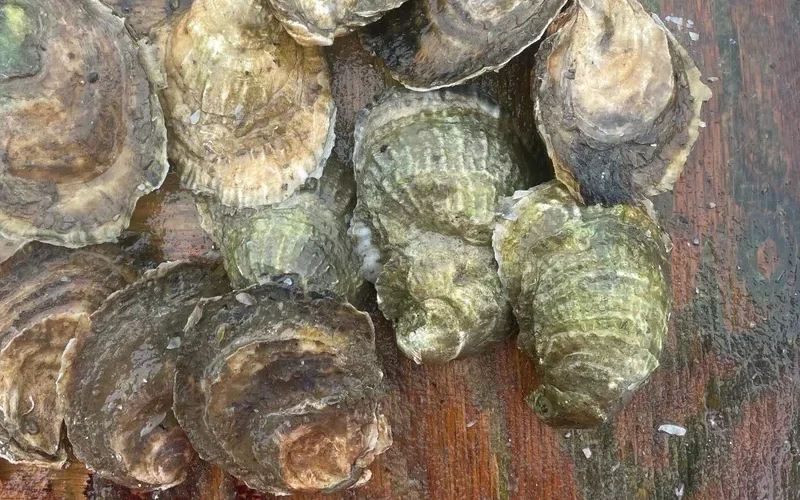
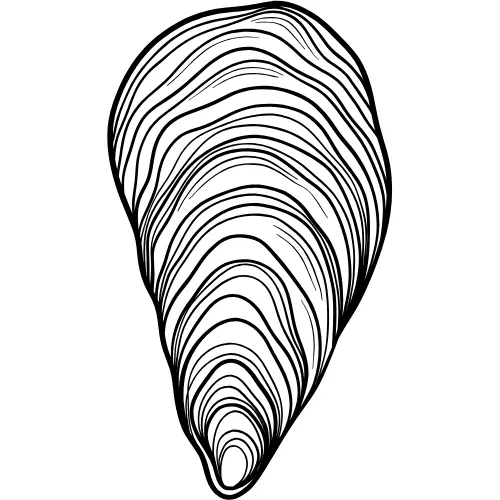
Appearance: medium to large sized shells with a distinct deep cups. The shells typically have a rough and rippled surface, showcasing shades of gray, brown, or even hints of green. Within the shells, you’ll find plump and meaty oyster flesh that exhibits a creamy or off-white color.
Flavor Profile: delightful combination of brininess and subtle sweetness. They have a clean and crisp taste, with a firm and meaty texture. The oysters leave a refreshing and clean finish
Location
Cuttyhunk oysters are cultivated in the pristine waters of Buzzards Bay, off the coast of Cuttyhunk Island in Massachusetts. This location is renowned for its clean, nutrient-rich environment, which creates ideal conditions for producing premium-quality oysters. The island’s remote location and strong tidal flows ensure consistently clean water, essential for the oysters’ growth and flavor development.
Environmental Factors
The bay’s nutrient-rich waters, fed by natural currents, provide a steady supply of plankton, the primary food source for oysters. These nutrients contribute to the oysters’ robust growth, firm texture, and complex flavor profile. The tidal action continuously flushes the growing areas.
It enhances water quality and maintains a balanced salinity level of 28-30 ppt. This salinity level is ideal for cultivating oysters with a clean and briny taste. Twice-daily tidal exchange through West End Pond helps keep growing areas flushed and shells clean.
Buzzards Bay benefits from cool temperatures and limited industrial activity, minimizing pollution and preserving the water’s clarity. This clarity supports the oysters’ ability to filter-feed efficiently, leading to a fresher, more vibrant flavor. The bay’s moderate depth and sandy bottom provide excellent conditions for farming. This is done using the rack-and-bag technique, which allows oysters to grow uniformly in shape and size.
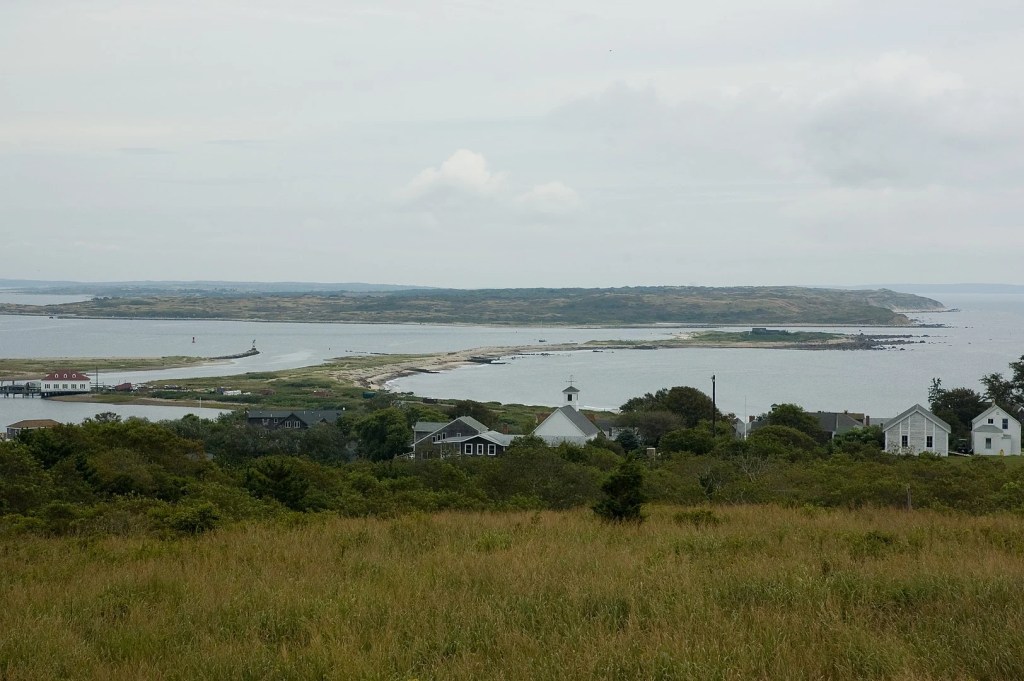
Farmers and conservationists work together to maintain the ecological health of Buzzards Bay. They ensure that the environment remains sustainable for future generations of oyster farming. These efforts and the bay’s natural advantages work together.
They create a thriving habitat for oyster cultivation across Cuttyhunk Island and the surrounding Elizabeth Islands. This habitat produces some of the finest oysters in New England. Cool temperatures and limited industrial activity in the region help preserve that clarity year after year.
This guide is part of the Raw Bar Bible — chef-level technique, safety, and gear so you can shuck and serve oysters with confidence.
Suggested Beverage Pairings
A Hendrick’s gin martini brings clean crisp flavors beside Cuttyhunk brininess. Subtle cucumber notes enhance delicate sweetness on Massachusetts island half shells. Refreshing sophisticated pairing for Elizabeth Islands raw-bar service.
Domaine de la Pépière Muscadet Sèvre et Maine offers high acidity and minerality beside Cuttyhunk briny cups. Bright citrus and soft melon accentuate delicate sweetness on island-grown Eastern oysters. Classic Loire pairing for Buzzards Bay stock.
Allagash White brings coriander and orange peel beside Cuttyhunk brininess. Crisp spicy wheat beer cuts richness while enhancing natural island flavors. Maine-brewed wit for Massachusetts half-shell flights.
Blood orange radler brings sweet acidity beside Cuttyhunk sweet briny flavor. Light bubbly refreshment suits sunny raw-bar service on the Elizabeth Islands. Low-ABV beer option between briny half-shell bites.
Suze tonic brings earthy citric bitterness beside Cuttyhunk fresh salty flavor. French apéritif bubbles create balanced sophisticated pairing without overpowering island cups. Herbal contrast for Buzzards Bay oysters.
Where Can I Buy Cuttyhunk Oysters?
- Island Creek Oysters – This well-known oyster company offers Cuttyhunk Oysters on their online shop. They sell select-sized oysters (2.5-3 inches) harvested by Seth Garfield.
- Cuttyhunk Shellfish Farms – The official website of Cuttyhunk Shellfish Farms likely offers direct sales of their oysters. As a family-run business since 1981, they provide fresh Cuttyhunk Oysters year-round.
References
- Island Creek Oysters. Web. Accessed 30 May 2026. https://shop.islandcreekoysters.com/products/cuttyhunk-regular-oysters-from-cuttyhunk-ma
- Cuttyhunk Shellfish Farms. Web. Accessed 30 May 2026. https://cuttyhunkshellfish.com/
Discover more from The Oyster Encyclopedia
Subscribe to get the latest posts sent to your email.