



Chef’s Notes
Mason Bostwick · Executive Chef
Eastern oyster
Capital — Capital — Strong minerality — clean finish and crisp. A solid tumbled pacific oyster.
Flavor chart
Chef palate read
Shuckability
Shell & line performance
When I buy it
Look for Capital Oysters in peak season when conditions are optimal.
How I serve it
On the half shell with minimal garnish — let the oyster speak.
What to watch for
Mild salinity with creamy finish. Reject any with broken shells or milky liquor.
My read
Strong minerality — clean finish and crisp. A solid tumbled pacific oyster.
What Are Capital Oysters?
Capital Oysters are a type of Pacific Oysters (Crassostrea gigas). They are small, have deep cups, and a flavor profile that balances sweetness with brininess and a clean finish. The farmers cultivate these oysters in the pristine waters of Spencer Cove, Harstine Island, Washington.
They use a suspension tray and float-tumbled system that is similar to the one used for Shigoku oysters. This method involves suspending trays with floats on long horizontal lines in the middle of the water column, allowing the oysters to be naturally tumbled by the tidal movements. This process gives Capital Oysters a consistently shaped and manicured shell.
It enhances their shelf life by teaching them to clamp tightly shut during daily exposure to air and submersion cycles. The oysters’ suspended cultivation in nutrient-rich waters contributes to their clean, crisp ocean flavor. Float-tumbled suspension keeps the oysters in the middle of the water column where they stay well-fed.
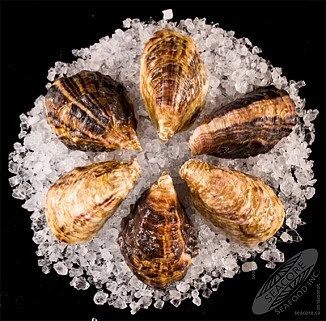
Oysters are a nutritional powerhouse, offering a range of health benefits. They are a high source of protein, low in calories, and rich in essential nutrients like zinc, vitamin B12, omega-3 fatty acids, iron, magnesium, potassium, and selenium. These nutrients contribute to various bodily functions, including immunity, wound healing, brain function, and heart health. Oysters’ nutritional profile supports physical health and has implications for sexual health, given their high zinc and iron content.
Capital Oysters, with their unique cultivation method and flavor profile, are a testament to the innovation and tradition of oyster farming in the Pacific Northwest. They offer a refined taste experience that reflects the natural environment from which they come. Their polished shells and balanced flavor make them a staple of premium raw-bar programs across the Pacific Northwest.
How Did Capital Oysters Get Their Name?
Capital Oysters get their name from Capital City Oyster Company, the farm that produces them in Washington State. The name “Capital” is a direct reference to the company’s identity and its connection to the state capital region near Olympia. That regional tie links each harvest to the South Puget Sound growing grounds around Spencer Cove.
These oysters are grown in the cold, nutrient-rich waters of South Puget Sound, where the farm focuses on producing clean, high-quality Pacific oysters with strong presentation and consistent flavor. By branding the oysters as “Capital,” the farm ties the product to its origin and reinforces a sense of place tied to Washington’s capital area. The branding signals a polished oyster built for premium raw-bar presentation.
Over time, the name Capital Oysters has come to represent not just the farm itself, but a style of oyster that is polished, well-formed, and built for premium raw-bar presentation. Suspension tray tumbling and tide-tumbling give these oysters the deep cups and manicured shells diners expect from the Capital City Oyster Co. line. Today the name stands for consistent flavor and strong shell quality across the Pacific Northwest market.
About Capital City Oyster Co.
Tom Bloomfield, a 5th-generation oysterman, who has dedicated his life to building upon the knowledge passed down from his ancestors. His family has a long history in the shellfish industry. With deep roots in the area, as evidenced by his great-great aunt Cora Chase’s book “The Oyster Was Our World: Life On Oyster Bay,”; which details the farming of Olympia oysters by his family from 1898 to 1914.

Bloomfield has a diverse background, having studied marine biology with an emphasis on fisheries. Working in various industries before returning to his roots in shellfish farming. For over a decade, he has worked with Chelsea farms. He is instrumental in the success of the shellfish industry in the region.
In partnership with Seattle Shellfish and Alaska Ice Seafoods, Bloomfield helped form Capital City Oyster Company. They produce premium oysters and become a significant player in the Pacific Northwest’s oyster market. His expertise was crucial in designing unique hatching, vibrio control methods, and a tide-tumbling process, resulting in smooth and deep-shell oysters. Those methods mirror the float-tumbled suspension approach used in Spencer Cove.
The suspension system he designed keeps the oysters in the middle of the water column. This ensures they are well-fed and not sitting in silt or mud. Capital City Oyster Co. grows oysters in the pristine waters of Spencer Cove on Harstine Island using this approach.
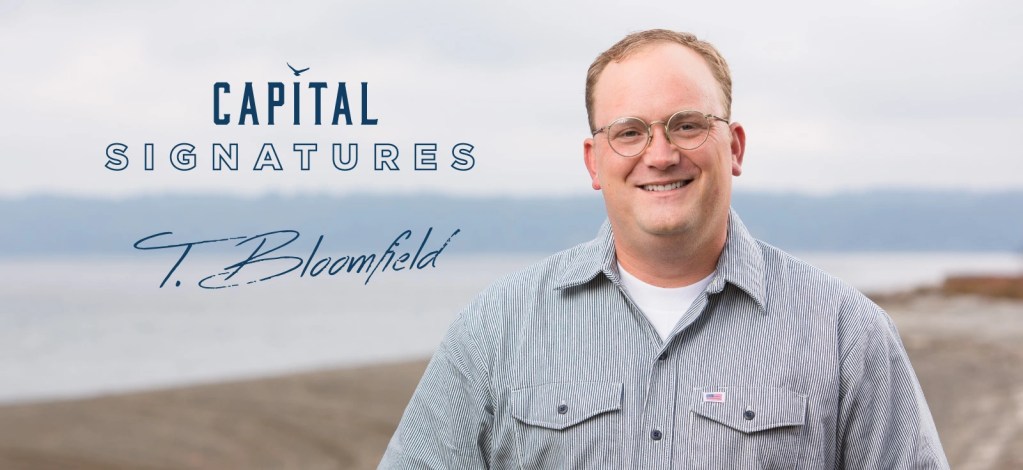
Bloomfield’s approach to oyster farming is not only about producing a high-quality product. He also strives to maintain the health of the ecosystem. He likens the shellfish industry to canaries in a coal mine, indicating the importance of shellfish as a baseline for monitoring a healthy ecosystem. Healthy shellfish populations in South Puget Sound reflect the water quality Capital Oysters depend on.
Follow Them
Want to dive deeper into Capital Oysters? Check out their official website and social media channels to see how they’re farmed in Washington’s South Puget Sound, get a behind-the-scenes look at their grow-out process, and find out where you can try them fresh on the half shell. Their channels showcase tide-tumbling and suspension tray culture in Spencer Cove.
Capital Oysters Information

Pacific oyster
If you like Capital Oysters, then check out these similar varieties!
Location
Farmers cultivate Capital Oysters in the protected waters of South Puget Sound, specifically around Spencer Cove near Harstine Island, Washington. This cove sits within a network of inlets that create calm, controlled growing environments ideal for oyster aquaculture. Capital City Oyster Co. farms here using suspension and floating culture methods in consistently clean, oxygen-rich water.
Environmental Factors
This region is part of a network of inlets and coves that create calm, controlled growing environments ideal for oyster aquaculture. The oysters are typically grown using suspension and floating culture methods, allowing them to remain in consistently clean, oxygen-rich water while developing deep cups and firm meats. Float-tumbled trays on horizontal lines keep Capital Oysters tumbling in the middle of the water column.
One of the most important environmental factors supporting oyster growth in this area is the cold, nutrient-rich Pacific water. South Puget Sound benefits from strong tidal exchange, which brings in fresh phytoplankton—the primary food source for oysters. This steady flow of nutrients allows oysters to feed continuously, promoting healthy growth, dense meat development, and a balanced flavor profile.
Another key factor is the region’s stable salinity levels, usually hovering around the high-20s to low-30s ppt. This balance between ocean water and limited freshwater input creates an optimal environment where oysters can thrive without stress. Too much freshwater can weaken oysters, while too much salinity can limit growth—but South Puget Sound sits right in that ideal middle ground.
Finally, the protected geography of coves and inlets plays a major role in oyster quality and consistency. These calmer waters reduce physical stress from waves and currents, allowing oysters to grow more uniformly and develop clean, well-formed shells. Combined with cool temperatures and excellent water quality, these conditions make South Puget Sound one of the most productive and reliable oyster-growing regions in the United States.
Suggested Beverage Pairings
Billecart-Salmon Brut Réserve brings crisp bubbles beside Capital Oysters bright brininess. Delicate mousse emphasizes clean vegetable finish on mildly sweet Pacific cups. Classic Champagne service for crisp oceanic half shells.
Cloudy Bay Sauvignon Blanc offers zesty citrus and herbal notes beside Capital Oysters subtle vegetable finish. Marlborough acidity highlights crisp brininess without overpowering silky meats. Vibrant white for Pacific Northwest raw-bar lines.
William Fèvre Chablis aligns mineral crispness with Capital Oysters briny opening. Subtle fruit counterbalances mildly sweet meats and candied aftertaste on the close. Unoaked Chablis keeps clean vegetable finish readable.
Guinness Draught brings creamy texture and roasted malt beside Capital Oysters silky meats. Stout richness contrasts sweet candied aftertaste on mildly briny Pacific cups. Nitrogen smoothness suits half-shell flights.
A dry Hendrick’s gin martini highlights cucumber beside Capital Oysters crisp oceanic taste. Botanical lift from rose and cucumber infusions enhances clean vegetable finish. Serve ice-cold with lemon twist optional.
Where Can I Buy Capital Oysters?
- Capital Oyster – Visit the official Capital Oyster website for direct purchases from the source.
- Seafoods of the World – Offers fresh Capital Oysters with detailed flavor profiles and cooking tips.
- Seacore Seafood – Provides Capital Oysters with specific characteristics and availability, emphasizing their fresh, harvested quality.
- The Oysterhood – Allows you to buy Capital Oysters directly, among other varieties, ensuring freshness and quality.
References
- Seafoods of the World. Web. Accessed 30 May 2026. https://www.seafoodsoftheworld.com/product/fresh-capital-oysters/
- Seacore Seafood. Web. Accessed 30 May 2026. https://www.seacoreseafood.com/product/capital-oysters
- The Oysterhood. Web. Accessed 30 May 2026. https://www.theoysterhood.com/buy-oysters-direct
Discover more from The Oyster Encyclopedia
Subscribe to get the latest posts sent to your email.