


Chef’s Notes
Mason Bostwick · Executive Chef
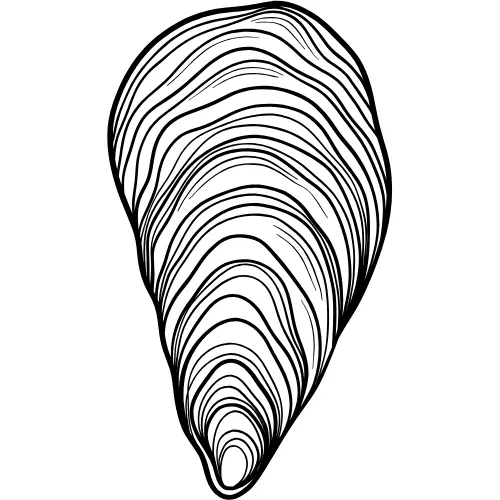
Eastern oyster
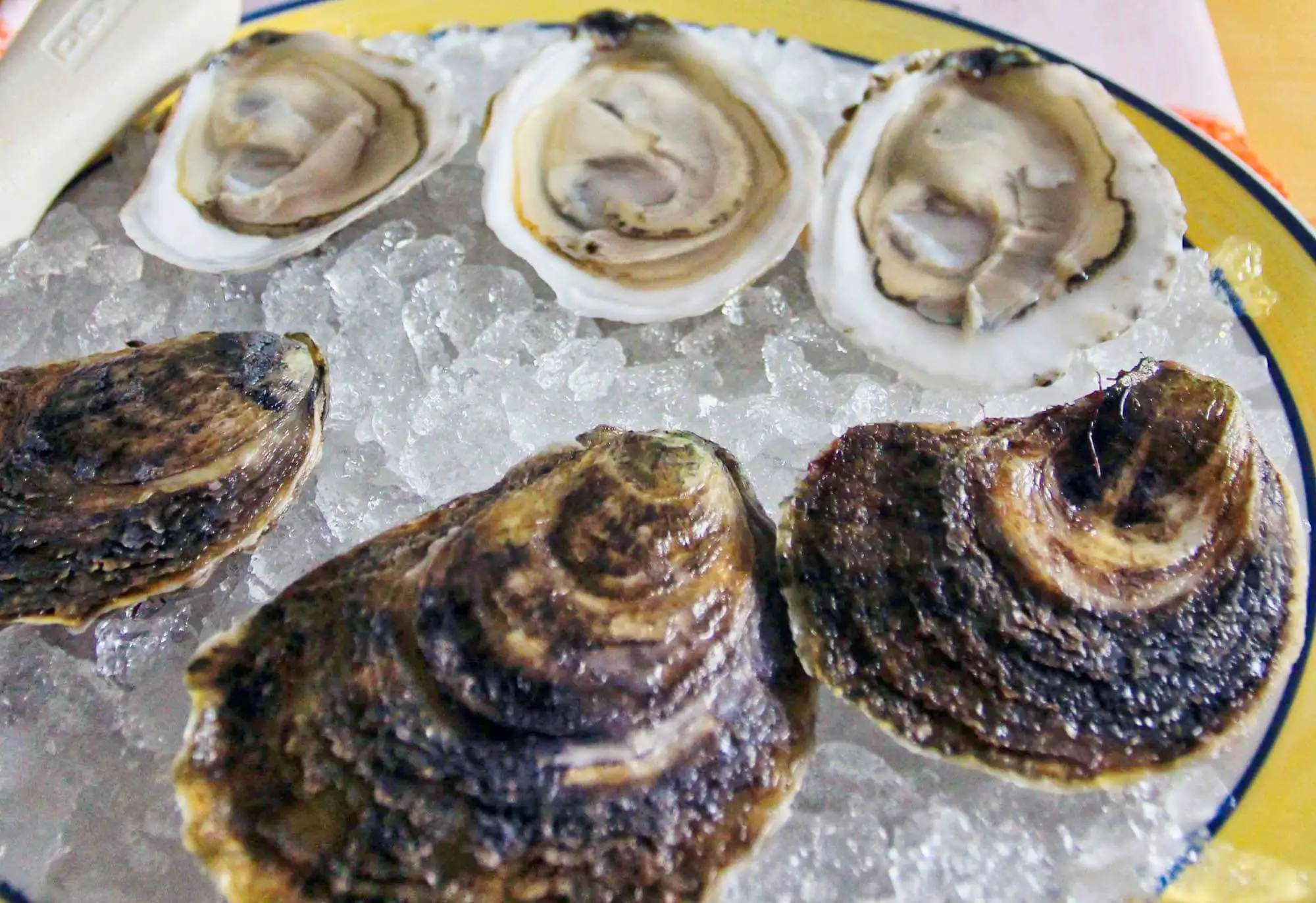
Boomamoto — Boomamoto — Strong minerality — nutrient-rich and sweet finish. A solid farmed kumamoto oyster.
Flavor chart
Chef palate read
Shuckability
Shell & line performance
When I buy it
Look for Boomamoto Oysters in peak season when conditions are optimal.
How I serve it
On the half shell with minimal garnish — let the oyster speak.
What to watch for
Mild salinity with clean finish. Reject any with broken shells or milky liquor.
My read
Strong minerality — nutrient-rich and sweet finish. A solid farmed kumamoto oyster.
What Are Boomamoto Oysters?
Boomamoto oysters stand out in the world of bivalves with their distinctive characteristics and origin story. These unique oysters were accidentally discovered by Cape Cod Oyster Company staff. They found beautiful golf ball-sized oysters growing as deep as they were long 1.
The company’s farmers described them as a West Coast style oyster. They believed it had an East Coast taste. This led to the birth of the Boomamoto brand.
Boomamoto oysters are known for their robust nature. They are easy to shuck, making them a favorite among oyster enthusiasts and professionals alike. Their size and shape are particularly noteworthy, measuring 2.5 inches deep and 2.5 inches long, with a full meat content that distinguishes them from other varieties 1.
This unique combination of traits made Boomamoto oysters a target for cultivation. There are ongoing efforts to perfect their production at the hatchery level. Efforts also continue at the farm level.
The flavor profile of Boomamoto oysters further contributes to their uniqueness. They offer a strong brine up front, followed by a sweet finish, creating a complex taste experience 1. This flavor comes from their carefully managed growing process.
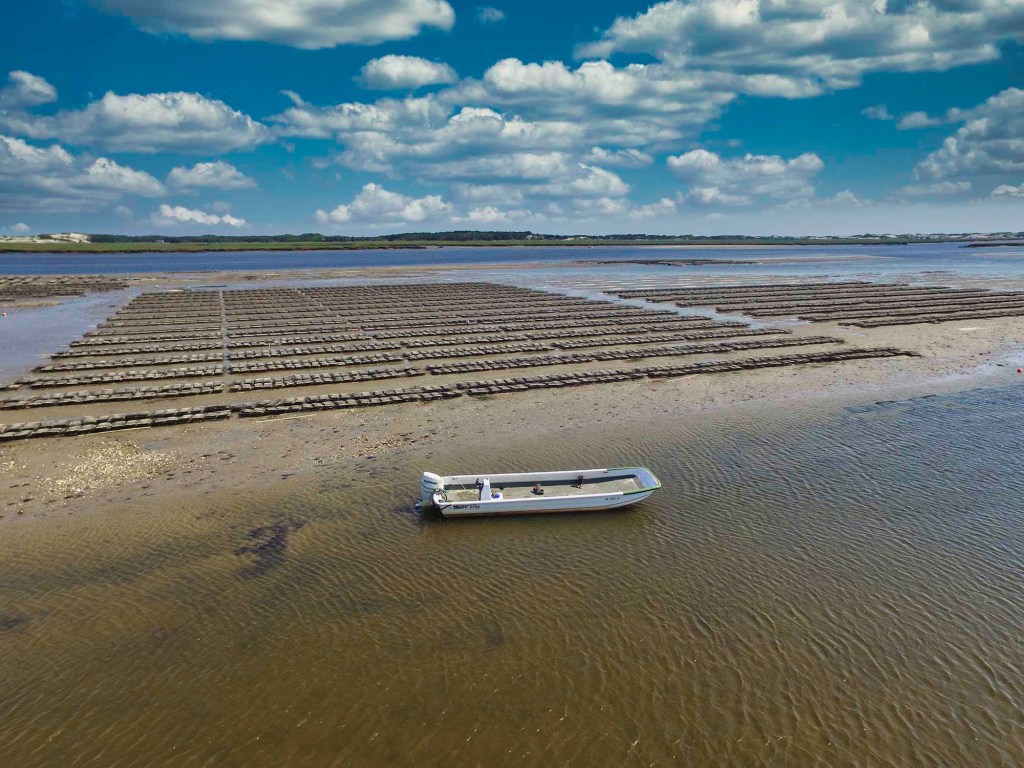
This process includes extra tumbling and sand-finishing in the nutrient-rich waters of Barnstable Harbor, Massachusetts. The strong ebb and flow of ocean tides occur twice daily. These tides give the oysters a distinctive minerality and salinity.
This creates an “ocean-in-a-shell” flavor that captures the essence of Cape Cod waters 1. The cup reads bright, clean, and lively on the half shell. That finish is what chefs cite when they call Boomamoto a mind-blowing sweet close.
How Did Boomamoto Oysters Get Their Name?
The name Boomamoto captures the bold impact of this oyster’s flavor, paired with a nod to Japanese naming traditions. “Boom” reflects the briny intensity and punchy taste, while “-moto” is reminiscent of suffixes used in Japanese oyster culture. Cape Cod Oyster Company chose the blend to signal a West Coast style cup with East Coast character.

Cape Cod’s rich maritime history and influence from global oyster farming practices inspired this unique name. The combination reflects both the local origins and the powerful, lasting impression of these oysters. Farmers at the Barnstable operation still use the brand to mark their golf ball-sized, deep-cupped line.
The strong brine and sweet finish that define the oyster mirror the “boom” half of the name. The “-moto” suffix nods to Kumamoto-style naming without claiming Japanese origin. Together the title marks a Cape Cod discovery that reads like a West Coast cup on the plate.
About Cape Cod Oyster Company
Boomamoto oysters are cultivated by Cape Cod Oyster Company, a renowned farm known for sustainable shellfish production. The farm, located along the Cape Cod Bay, utilizes off-bottom farming techniques to produce high-quality oysters. Barnstable Harbor and West Bay sites sit on sandy bottoms that suit natural culture methods.
The oysters grow in floating cages for 12-18 months, allowing them to access nutrient-rich waters. This method protects them from predators and ensures consistent shell shape and meat quality. Regular tumbling strengthens the shells and enhances their deep-cupped form.
Cape Cod Oyster Company prioritizes environmental stewardship, ensuring the waters remain clean and productive for future harvests. Extra tumbling and sand-finishing refine the golf ball-shaped shells before harvest. Those steps support the brand’s year-round availability in peak form.
About Cape Cod Oyster Company
Cape Cod Oyster Company was founded by Al Surprenant in 1983. It has become a leading oyster producer in New England. The company’s roots stem from Surprenant’s deep appreciation for Cape Cod’s coastal environment. His early understanding of the importance of water quality1 also contributed to its foundation.
Cape Cod Oyster Company is among the largest oyster growers in the region. It is responsible for 10 percent of all Massachusetts oyster production 12. The company’s commitment to sustainability and traceability sets it apart in the industry. They source oysters from well-managed hatcheries and employ responsible production and harvesting practices 1.
Cape Cod Oyster Company’s operations span multiple locations on Cape Cod. They cultivate oysters in the nutrient-rich waters of North Bay. They hand-grow them from seedling to harvest. This process occurs in premier areas of Barnstable Harbor, West Bay in Osterville, and Waquoit Bay in Falmouth 1. This diverse range of growing locations contributes to the distinct characteristics of their oysters.
The company has experienced significant growth and evolution over the years:
- In 1983, they began raising oysters but initially focused on clam seed supply 1.
- By the early 2000s, Cape Cod Oyster shifted its focus exclusively to oysters, coinciding with the oyster renaissance 1.
- In 2010, they moved to a state-of-the-art, third-party audited facility in Barnstable, Massachusetts 1.
- In 2015, the company acquired Washburn Island Oysters in Falmouth, Massachusetts, expanding their operations 1.

Cape Cod Oyster Company’s success relies on environmental stewardship. They actively engage with the community and commit to producing high-quality oysters. Their practices ensure a consistent supply of oysters. These practices also contribute to the health of Cape Cod’s coastal ecosystems 14.
Follow Them
Dive into the world of premium oysters! Visit Cape Cod Oyster Company’s official website to explore their sustainable practices and mouthwatering offerings. Follow them on social media for a taste of coastal living, behind-the-scenes glimpses, and delicious oyster inspiration.
Boomamoto Oysters Information

Eastern oyster
If you like Boomamoto Oysters, then check out these similar varieties!
Location
Boomamoto oysters are cultivated in Barnstable Harbor, Massachusetts, by Cape Cod Oyster Company. This location, situated on Cape Cod Bay, provides an ideal environment for oyster growth and development. The farm-raised aquaculture occurs on the sandy bottoms of Cape Cod Bay, West Bay, and Barnstable Harbor.
These locations offer a diverse range of conditions. This diversity contributes to the oysters’ unique characteristics 3. Cape Cod Oyster Company farms Boomamoto on those sandy-bottom leases across the bay system.
Environmental Factors
The nutrient-rich waters of Barnstable Harbor play a crucial role in the growth and flavor development of Boomamoto oysters. The strong ebb and flow of ocean tides occur twice daily. These tides supply the oysters with a diet rich in minerality and salinity.
This tidal action creates a distinctive “ocean-in-a-shell” flavor that is characteristic of Cape Cod waters 3. The salinity range of 27-30 parts per thousand (ppt) provides an optimal balance for oyster growth and flavor development 3. Those levels match the 27–30 ppt range listed for Boomamoto in the farm’s own specifications.
Environmental factors that make this location particularly beneficial for oyster growth are numerous. One such factor is the sandy bottoms. They offer a stable substrate for oyster attachment and growth.
The natural growing method, combined with extra tumbling and sand-finishing techniques, contributes to the oysters’ unique shape and texture 3. The nutrient-rich waves of Nantucket Sound influence the shaping of the oysters. They help oysters achieve a perfect balance of Cape Cod’s subtle but full-bodied flavors 1.
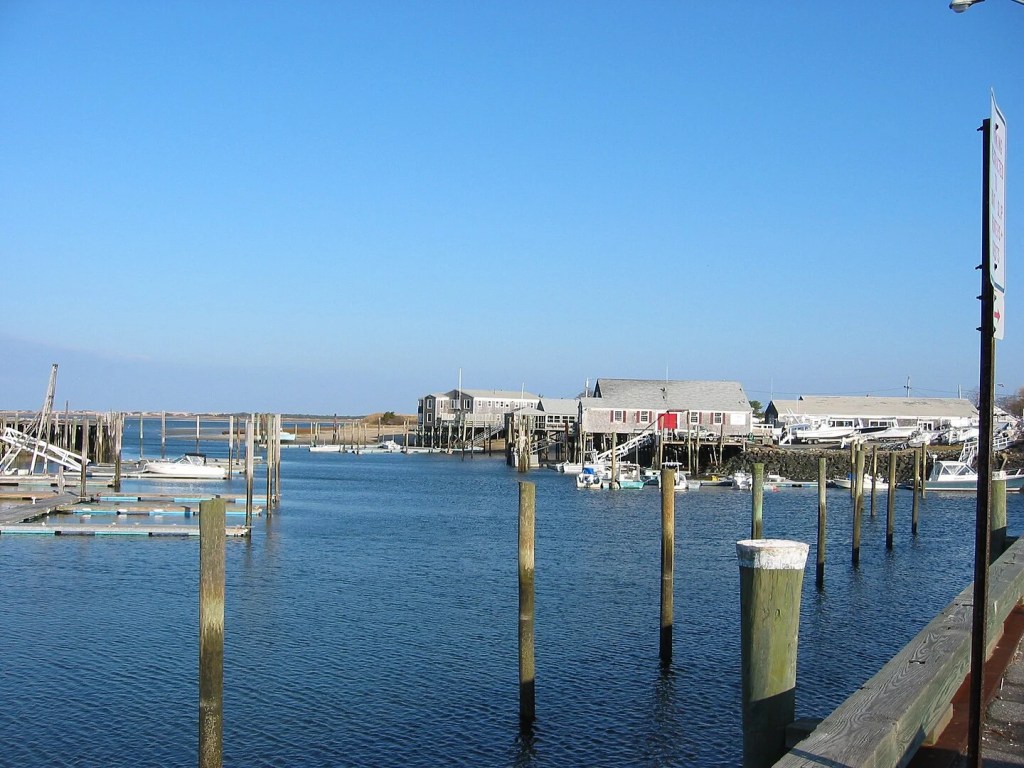
The combination of these environmental factors includes the nutrient-rich waters, strong tidal flows, optimal salinity levels, and sandy bottoms. These factors create an ideal ecosystem for Boomamoto oysters to thrive. This environment not only supports their growth but also defines their distinctive characteristics.
These include their robust nature and ease of shucking. It also features a complex flavor profile with a strong brine up front and a sweet finish. That minerality reflects the harbor’s twice-daily tidal flush.
This guide is part of the Raw Bar Bible — chef-level technique, safety, and gear so you can shuck and serve oysters with confidence.
Suggested Beverage Pairings
Domaine Etienne Daulny Sancerre adds flint and citrus beside Boomamoto strong Cape Cod brine. Loire acidity frames sweet kumamoto-style finish on the half shell. Classic Sauvignon match for deep cups.
Billecart-Salmon Brut Réserve brings fine bubbles to Boomamoto sweet close. Yeasty depth highlights clean Cape minerality between bites. Serve very cold for celebratory raw-bar service.
Cisco Brewers Pumple Drumkin adds Nantucket spice beside Boomamoto lively brine. Autumn ale sweetness echoes cup finish without heavy bitterness. Local Massachusetts craft option for oyster flights.
A Del Maguey Vida mezcal Paloma adds smoke and grapefruit to Boomamoto mineral sweetness. Mezcal depth contrasts bright Cape liquor on the swallow. Gulf-style cocktail for bold cup programs.
George Absinthe Verte with chilled water and sugar adds anise herbal lift to Boomamoto brine. Herbal complexity mirrors mineral Cape Cod cups without overpowering sweet finish. Serve as a slow sipping digestif between shells.
Where Can I Buy Boomamoto Oysters?
- Cape Cod Oyster Company – They are the original producer of Boomamoto oysters. However, they may not offer direct online sales to consumers.
- Central Market – This retailer offers Boomamoto oysters individually for $1.50 each.
References
- Cape Cod Oyster Company. “Boomamoto Oysters.” Cape Cod Oyster Company, www.capecodoyster.com/boomamoto-oysters. Accessed 18 Dec. 2024.
- Taylor Shellfish Farms. “Oysters.” Taylor Shellfish Farms, www.taylorshellfishfarms.com/shop/oysters. Accessed 18 Dec. 2024.
- Pangea Shellfish. “Our Oysters.” Pangea Shellfish, www.pangeashellfish.com/our-oysters. Accessed 18 Dec. 2024.
- Goldbelly. “Pike Place Fish Market – Live Kumamoto Oysters.” Goldbelly, www.goldbelly.com/pike-place-fish-market/live-kumamoto-oysters. Accessed 18 Dec. 2024.
- Central Market. “Boomamoto Oysters.” Central Market, centralmarket.com/product/boomamoto-oysters-each. Accessed 18 Dec. 2024.
- Euro USA. “Seafood.” Euro USA, www.eurousa.com/seafood. Accessed 18 Dec. 2024.
Discover more from The Oyster Encyclopedia
Subscribe to get the latest posts sent to your email.