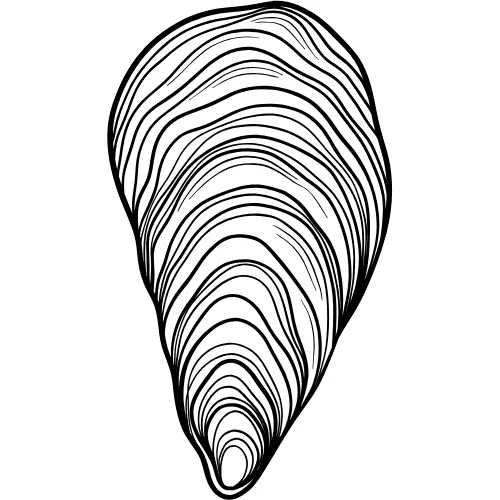
Blue Pool — Hama Hama’s tumbled Pacific line grown on the farm delta. Tumbling changes algae access versus beach culture and adds body with carrot-lettuce finish. I reach for Blue Pool when I want crisp Hood Canal brightness with deeper… mid-palate than classic beach Hama Hamas.
Best season: Year-round
Serve style: Plate on crushed ice with virgin liquor intact.
Avoid: Warm Hood Canal surface layers can intensify in summer per Hama Hama merroir notes.
Flavor chart
Chef palate read
Brine6/10
Sweet5/10
Mineral4/10
Creamy7/10
Shuckability
Shell & line performance
Hinge access7/10
Shell toughness6/10
Cup depth9/10
Line speed7/10
Shell toughness7/10
Cup depth8/10
Line speed6/10
When I buy it
Ask for Blue Pool bands from Hama Hama Farm Lilliwaup, not generic Hood Canal lot. Hama Hama Oyster Co. grows the tumbled line on the Hamma Hamma delta. Tumbling yields deep cups and smoother shells for easier shucking.…
How I serve it
Plate on crushed ice with virgin liquor intact. The carrot-lettuce finish fades under heavy mignonette. Menu copy can cite Hama Hama Farm and tumbling method when guests ask provenance. Deep cups suit flights beside…
What to watch for
Warm Hood Canal surface layers can intensify in summer per Hama Hama merroir notes. State depuration and distributor advisories apply for half-shell service in heat. Pacific oyster spawn biology applies in warm months.…
My read
Blue Pool is Hama Hama’s tumbled Pacific line grown on the farm delta. Tumbling changes algae access versus beach culture and adds body with carrot-lettuce finish. I reach for Blue Pool when I want crisp Hood Canal…
What Are Blue Pool Oysters?
Hama Hama Oyster Co. — Blue Pool bagged oysters
Blue Pool Oysters are a tumbled Pacific oyster line from Hama Hama Oyster Co. at Hama Hama Farm in Lilliwaup, Washington. Tumbling gives deep cups and smoother shells for easier shucking and better presentation.
Growing method influences flavor by exposing oysters to a different algae community than beach-grown Hama Hamas. Blue Pools have more body and depth with a finish leaning toward carrot or crisp lettuce per official flavor profile. The line grows on the Hamma Hamma delta within Hood Canal.
All Blue Pool stock is Pacific oyster Magallana gigas. The line stays on the Hamma Hamma delta rather than rotating to South Sound leases. That home-farm tumbling lane is what separates Blue Pool from beach-grown Hama Hamas beside it.
How Did Blue Pool Oysters Get Their Name?
Blue Pool names Hama Hama’s tumbled Pacific varietal grown on the farm delta. The label marks culture method, not a second river or town. It sits beside beach-grown Hama Hamas so buyers can taste method side by side. Chefs call for Blue Pool when they want deeper cups and carrot-lettuce finish.
Official farm copy treats Blue Pool as proof that grow-out gear changes shape and flavor. Tumbling is the story on the band, not a marketing synonym for Hood Canal. Partner sheets and the farm flavor profile keep that distinction clear for half-shell menus.
About Hama Hama Oyster Co.
Hama Hama Oyster Co.
Hama Hama Oyster Co. is a multi-generational family farm on Hood Canal at the mouth of the Hamma Hamma River. The company grows beach Hama Hamas, tumbled Blue Pools, and other Washington lines from Lilliwaup. Low-impact culture and cold river water shape the clean Canal profile buyers expect. The farm sells direct through its store, oyster saloon, and national shipping.
Blue Pool is the tumbled home-farm line, grown on the Hamma Hamma delta beside beach Hama Hamas. Tumbling builds deep cups and smoother shells for half-shell service. Different algae access versus beach culture adds body with a carrot-lettuce finish. The label is method-specific, not a separate bay or species.
Seasonal rotation across Hood Canal and Puget Sound sites keeps harvest quality high. Chefs should ask for Blue Pool bands, not a generic Hama Hama mix. The farm store on US Hwy 101 in Lilliwaup remains the on-site retail door. Wholesale and online drops follow Hama Hama shipping windows.
Hama Hama Oyster Co. — tumble culture lines for Blue Pool
Blue Pool seed finishes in mesh bags on tumble lines over the Hamma Hamma delta. Regular tumbling abrades shell edges and deepens the cup versus static beach set. Bags hang in the water column where algae communities differ from the gravel beach. Grow-out targets a uniform 3 to 3.5 inch half-shell grade.
Harvest crews pull bags on tide windows, then purge and chill under Hama Hama wholesale practice. Smoother shells from tumbling speed line shucking compared with rugged beach cups. Presentation stays clean on crushed ice when liquor is left intact. Warm-month surface heat on Hood Canal still requires Vibrio vigilance for raw service.
Blue Pool Oysters Information
Oyster: Blue Pool (Hama Hama Farm).
Species:Magallana gigas Pacific oyster
Cultivation: Tumbled Pacific, Hamma Hamma delta, Hood Canal.
Size: 3–3.5 inches
Seasonality: Year-round
Culture method: Tumbled delta rack culture
Salinity: 28 ppt
Appearance:Tumbling deepens cups and smooths shell edges for easier shucking and cleaner half-shell presentation. Shells show the polished, deep-cupped profile typical of Hood Canal tumbled Pacific oysters. Plump meats fill the cup with consistent sizing from Hama Hama Farm grow-out.
Flavor Profile:Blue Pools carry more body and depth than beach-grown Hama Hama oysters from the same farm delta. Crisp Hood Canal brightness opens each sip with clean salinity. The finish leans toward carrot or crisp lettuce per Hama Hama’s official flavor profile.
If you like Blue Pool Oysters, then check out these similar varieties!
Blue Pools grow on the Hamma Hamma delta in Lilliwaup on Hood Canal, Washington. The site sits at the mouth of one of the shortest, coldest rivers on the Olympic Peninsula. Ice-cold river water moderates summer heat on the home farm. Lean Canal exchange slows growth versus South Puget Sound factory bays.
Blue Pool tumble gear shares the home farm with beach Hama Hamas a short walk away. Method, not mileage, drives the flavor split chefs taste on the same menu. Seasonal merroir still shifts lot to lot, so sample before locking a flight. Confirm Lilliwaup Blue Pool bands when ordering.
Environmental Factors
River-fed freshwater meets Hood Canal salt on the delta tumble lanes. Lean Canal water builds clean brine with more body from water-column algae. Pacific oyster spawn biology applies in warm months. Respect Washington sanitary closures before raw service.
Suggested Beverage Pairings
Eroica Columbia Valley Riesling
Eroica Riesling lifts Blue Pool’s crisp Hood Canal open with lime-stone drive. Residual sweetness frames carrot-lettuce finish on tumbled Hama Hama cups. Serve cold beside Lilliwaup delta half shells.
Georgetown Brewing Manny’s Pale Ale
Manny’s Pale Ale cuts Blue Pool salinity with clean Seattle malt. Soft hops keep Hama Hama carrot-lettuce notes readable. A local pale for tumbled Pacific flights from Hood Canal.
Argyle Brut Willamette Valley
Argyle Brut mirrors Blue Pool deep cups with fine Oregon bubbles. Chalky citrus resets Hood Canal brine between tumbled meats. Classic sparkling service for Hama Hama Farm raw bars.
Ponzi Willamette Valley Pinot Gris
Ponzi Pinot Gris brings pear and stone next to Blue Pool body. Bright acidity clears vegetal close without burying delta liquor. Cool pour for Lilliwaup tumbled Pacific cups.
Finnriver Farmhouse Cider
Finnriver Farmhouse Cider echoes Blue Pool lettuce-carrot finish with dry orchard bite. Soft carbonation scrubs Hood Canal brine between deep cups. Washington cider for Hama Hama Blue Pool bands.
Where Can I Buy Blue Pool Oysters?
You can buy Blue Pool Oysters from the following sources:
Follow The Oyster Encyclopedia for refined oyster guides, behind-the-scenes raw bar moments,
and beautifully crafted seafood inspiration from coast to coast.