


Chef’s Notes
Mason Bostwick · Executive Chef
Pacific oyster
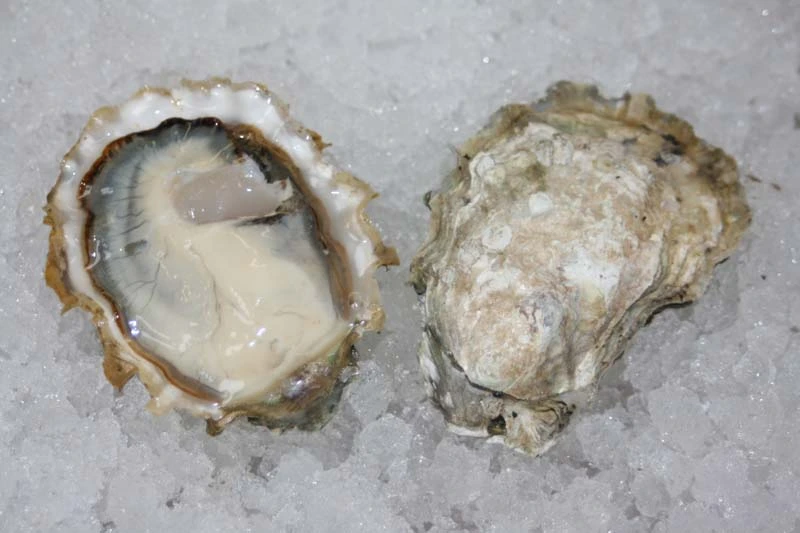
Calm Cove — Calm Cove — Strong minerality — cucumber finish and mild brine. A solid farmed pacific oyster.
Flavor chart
Chef palate read
Shuckability
Shell & line performance
When I buy it
Look for Calm Cove Oysters in peak season when salinity peaks.
How I serve it
Raw on the half shell or briefly grilled with compound butter.
What to watch for
Full brine with clean finish. Reject any with broken shells or milky liquor.
My read
Strong minerality — cucumber finish and mild brine. A solid farmed pacific oyster.
What Are Calm Cove Oysters?
Calm Cove oysters are cultivated in the nutrient-rich waters of Hammersley Inlet in the South Puget Sound, Washington. These oysters begin their life in mesh grow-out bags and are later transferred to the beach to mature until harvest. Hammersley Inlet‘s quite nutrient-dense environment contributes to the production of plump oysters with a favorable meat-to-shell ratio.
The flavor profile of Calm Cove oysters is characterized by an initial mild salinity, followed by a somewhat sweet taste, and finishes with a fruity aftertaste. This combination of flavors makes them a distinctive choice among oyster varieties. They are known for their relatively plump meats and the hard shell associated with their intertidal growing technique.
Calm Cove oysters are available from August to May and are suitable for various cooking methods, including baking, frying, grilling, eating raw, sautéing, smoking, and steaming. Their scientific name is Crassostrea gigas, and they are grown about halfway up the west side of Washington’s Hood Canal, not far from the mouth of the Hama Hama River. Growers finish them with a bag-to-beach method on intertidal beaches in South Puget Sound.
These oysters are beach-grown from the southern, less marine, more earthy end of Hood Canal. The thick shell characteristic of beach-grown oysters contributes to their robustness. The initial brine of Calm Cove oysters doesn’t linger but gives way to a high minerality and subtle cucumber notes, typical of the West Coast oyster profile.
How Did Calm Cove Oysters Get Their Name?
Calm Cove oysters get their name from the sheltered coastal coves where they are grown and harvested in Atlantic Canada. These oysters are cultivated in protected inlets where the surrounding geography shields the water from strong waves and heavy currents. Farmers working these sheltered sites began calling the growing areas “calm coves.”
These calmer growing areas create ideal oyster-farming conditions. The protected coves provide stable salinity, clean water circulation, and reduced stress on the oysters as they mature. Because of these favorable conditions, oyster farmers began referring to the growing areas as “calm coves.”
Over time, the name Calm Cove oysters became associated not only with the location where they are farmed, but also with the oyster’s clean Atlantic flavor, balanced salinity, and well-formed shells that develop in these protected waters. Protected tideflats help oysters develop deep cups and firm texture as they mature under natural tidal cycles. Balanced salinity in these waters supports the clean flavor profile chefs recognize on the half shell.
About Calm Cove Shellfish LLC
The history of Calm Cove oysters intertwines with the broader narrative of oyster cultivation in the Pacific Northwest, particularly in Washington State. This introduction responded to the dwindling stocks of native Olympia oysters, which had been a staple of the local oyster industry but were facing severe decline due to overharvesting and habitat loss. Pacific oyster seed gave Washington growers a hardy alternative as native stocks fell across Puget Sound.
Pacific oysters thrived in the new environment, growing rapidly and becoming a cornerstone of the local shellfish industry. Many of the oyster farms in the region, including those producing Calm Cove oysters, are family operations. These families often transitioned from logging to oyster farming, taking advantage of the opportunity to buy tidal lands and cultivate oysters. This shift provided a new livelihood for these families and contributed to the conservation and stewardship of the local marine environment.
Calm Cove oysters originate from the Hood Canal, not far from the Hama Hama River. This area has a reputation for clean, nutrient-rich waters, ideal for oyster cultivation. However, the journey of Calm Cove oysters and their Pacific counterparts has not been without challenges.
The shellfish industry, including oyster farming, has faced difficulties due to environmental changes, market fluctuations, and, more recently, the impacts of the COVID-19 pandemic. Despite these challenges, the industry remains a vital part of the region’s economy and cultural heritage, with ongoing efforts to sustain and promote the growth of oysters like those from Calm Cove. Growers continue the bag-to-beach methods that shape the line’s hard shells and plump meats.
Follow Them
Curious to see more? Visit the official Calm Cove oysters website to learn how these oysters are grown and where you can find them. Euro USA and Seafoods of the World also list Fresh Calm Cove oysters for wholesale buyers seeking Hood Canal stock.
Calm Cove Oysters Information

Pacific oyster
If you like Calm Cove Oysters, then check out these similar varieties!
Location
Calm Cove oysters are cultivated in the sheltered waters of South Puget Sound in Washington State, specifically in areas such as Totten Inlet and nearby Hood Canal–connected inlets. These tidal waterways are part of the greater Salish Sea ecosystem and are widely recognized as some of the most productive shellfish-growing regions on the West Coast. The oysters are typically grown intertidally using a “bag-to-beach” or beach-finished cultivation method, meaning the oysters start in grow-out bags and are later placed directly on the tideflats where they mature under natural tidal conditions.
Environmental Factors
The geography of this region plays a major role in oyster health and development. Totten Inlet and the surrounding waterways are relatively protected from strong ocean swells, creating calm, stable conditions that are ideal for shellfish aquaculture. These sheltered coves allow farmers to work consistently with tidal cycles while protecting oysters from destructive wave action. The gradual tidal exchange also ensures a constant flow of oxygen-rich seawater across the tideflats, which helps oysters filter efficiently and grow strong, well-formed shells.
Another key advantage of this location is the nutrient density of the water. South Puget Sound receives a steady input of marine nutrients and microscopic algae (phytoplankton), which serve as the primary food source for oysters. These nutrient-rich conditions allow oysters to develop dense, plump meats and maintain a strong shell-to-meat ratio. The mix of marine water and freshwater runoff from nearby rivers and watersheds also creates a dynamic salinity balance that supports steady growth and contributes to the oysters’ signature flavor profile.
Finally, the tidal flats themselves create an ideal environment for oyster cultivation. Intertidal beaches expose oysters to alternating periods of submersion and air, which strengthens their shells and encourages the development of deep cups and firm texture. The combination of cool Pacific waters, nutrient-rich plankton, protected inlets, and predictable tides makes this region exceptionally favorable for oyster farming, allowing Calm Cove oysters to thrive and develop the balanced briny-sweet character that growers and chefs prize.
This guide is part of the Raw Bar Bible — chef-level technique, safety, and gear so you can shuck and serve oysters with confidence.
Suggested Beverage Pairings
Allagash Tripel layers honey, herbs, and passion fruit beside Calm Cove’s sweet middle and fruity close. Golden ale complexity complements bag-to-beach Pacific cups from South Puget Sound. Maine brewing meets Hood Canal cucumber-mineral finish.
Belhaven Scottish Stout brings roasted malt, chocolate, and coffee beside mild Hammersley Inlet salinity. Rich dark beer contrasts plump beach-finished meats with cucumber-mineral close. Salinity pulls stout depth forward between half-shell bites.
Cloudy Bay Sauvignon Blanc offers high acidity and citrus beside Calm Cove cucumber finish. Crisp Marlborough profile enhances mild salinity and fruity aftertaste on intertidal Pacific cups. Zesty white wine for West Coast raw-bar service.
Valdespino Fino Ynocente served chilled adds saline nuttiness beside Calm Cove cups. Bone-dry fino mirrors bright salinity on bag-to-beach Pacific meats. Pour in copitas between virgin half-shell bites from Totten Inlet stock.
Brasserie Dupont Saison Dupont brings barnyard spice and pepper beside mineral-rich West Coast oysters. Farmhouse carbonation resets Hood Canal salinity between cucumber-leaning bites. Fruity saison close suits Calm Cove fruity aftertaste.
Where Can I Buy Calm Cove Oysters?
- Euro USA: Euro USA is an importer and distributor of specialty foods, fresh seafood, and premium meats. It offers 2.5-inch Calm Cove oysters.
- Seafoods of the World: This Billings, MT-based vendor provides Fresh Calm Cove oysters. They also provide suggested cooking methods of grilling, baking, broiling, or frying.
References
- Euro USA. Web. Accessed 30 May 2026. https://eurousa.com/products/calm-cove-oysters/
- Seafoods of the World :. Web. Accessed 30 May 2026. https://www.seafoodsoftheworld.com/product/fresh-calm-cove-oysters/
Discover more from The Oyster Encyclopedia
Subscribe to get the latest posts sent to your email.