

Chef’s Notes
Mason Bostwick · Executive Chef
Pacific oyster
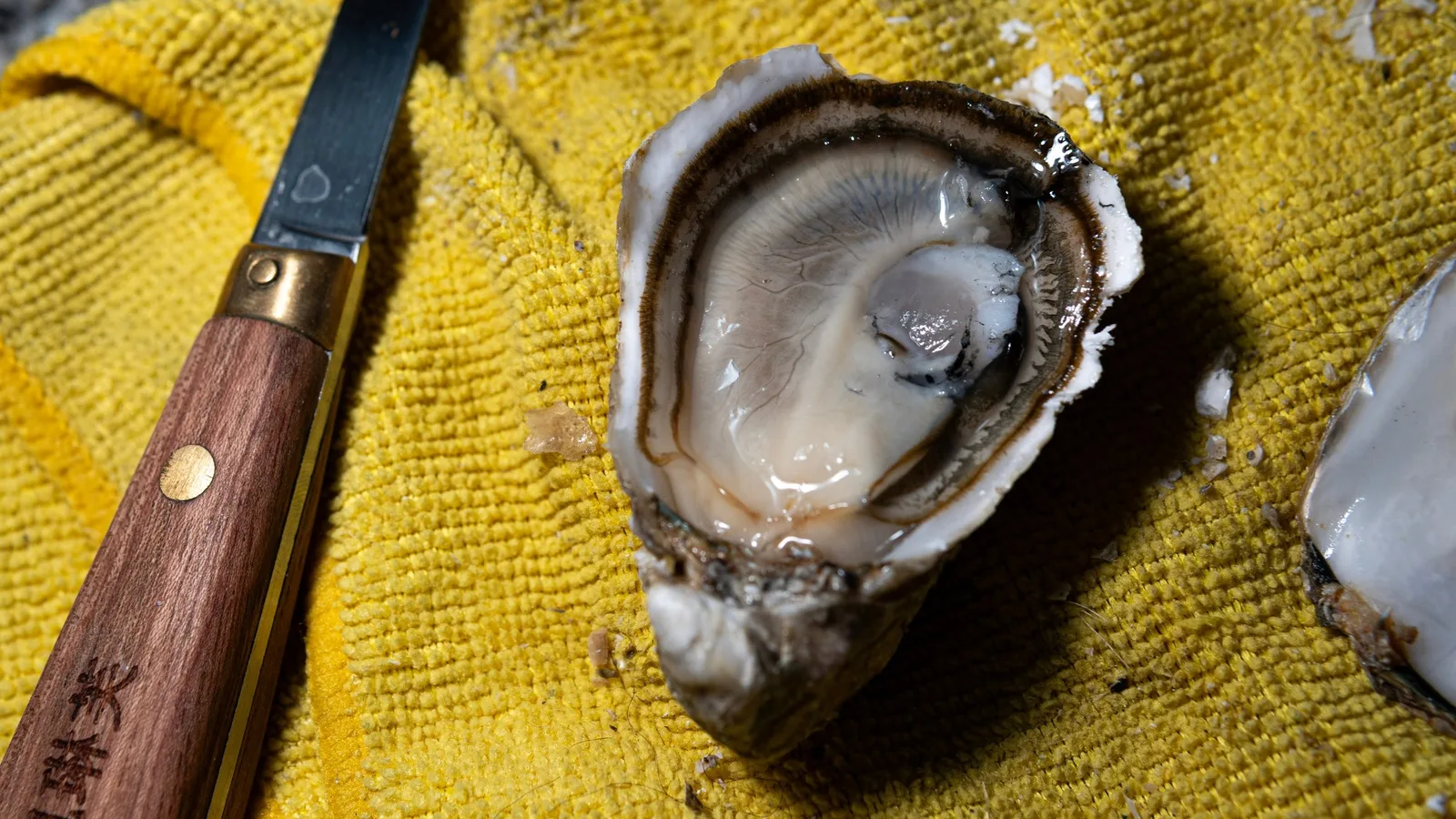
Baywater Sweets — Signature Thorndyke Bay Pacific from Baywater Shellfish since 1990. Tide-tumbled cages on firm sand build deep cups with medium-high brine. I reach for them when I want… honeydew melon finish on cold northern Hood Canal liquor.
Flavor chart
Chef palate read
Shuckability
Shell & line performance
When I buy it
Ask for Baywater Sweets bands tied to Thorndyke Bay, not generic Hood Canal lots. Confirm the 2.25–2.75 inch grade and 1990 Baywater Shellfish provenance on the manifest.…
How I serve it
Plate on crushed ice with virgin Thorndyke liquor intact. Keep mignonette light so the honeydew finish stays readable. Menu the Baywater Sweets name and north Hood Canal origin.…
What to watch for
Warm months can push Pacific spawn condition on Hood Canal. Storm runoff can leave sediment on intertidal cages. Smell every cup and confirm Thorndyke Bay tags before the full order.…
My read
Baywater Sweets is the Davis family’s Thorndyke Bay signature since 1990. Cold fjord plankton and tide-tumbled cages deliver brine first, then honeydew. That is the Hood Canal cup I want on melon-forward flights.…
What Are Baywater Sweets Oysters?
Baywater Sweets oysters — also labeled Baywater Sweet — are Baywater Shellfish’s signature Pacific cup. The farm sits in Thorndyke Bay on north Hood Canal, Washington. Dr. Joth Davis and Karen Davis launched the company in 1990. Growers tumble the cups on the tide in self-tipping cages. Market size runs 2.25 to 2.75 inches for half-shell service.
Taste opens medium to high in salinity with a honeydew melon finish. Cold, windy northern Hood Canal water shapes that sweet-briny balance. Freshwater streams and salt marshes meet fast tidal exchange on a firm sand bottom. Distributors list grow-out at roughly twelve to eighteen months. Year-round harvests keep the line on Pacific Northwest raw bars.
All Baywater Sweets stock is Pacific oyster Magallana gigas (also listed as Crassostrea gigas). Chefs order the band for Thorndyke Bay melon character, not a generic Hood Canal mix. Seattle-area bars made Baywater Sweet a staple when supply allows. Sibling Indigo Sweets grow in suspended cages at the canal mouth. This entry covers the intertidal Baywater Sweets line only.
How Did Baywater Sweets Oysters Get Their Name?
Baywater Sweets joins the Baywater Shellfish company name with the melon sweetness the grower markets. Product sheets highlight a honeydew finish after the first brine hit. The trade name is descriptive, not a government appellation. Chefs still treat it as the farm’s flagship Thorndyke Bay cup. Ask for Baywater Sweets when you want that labeled melon close.
Baywater points to Hood Canal’s fjord-like basin for the sweet, fresh plankton flavor. Deep, cold, clean water feeds blooms that finish on the meat. Northern canal wave action and wind keep cages moving between tides. That motion chips shell edges and deepens cups over months. The “Sweet” half of the name tracks that plankton-driven finish.
Search and menus often use Baywater Sweet in the singular. Wholesale tags and the farm shop use Baywater Sweets for the same Thorndyke Bay line. Either form should still name Baywater Shellfish on the invoice. Do not substitute unnamed north-canal lots and call them Sweets. Provenance is the point of the brand.
About Baywater Shellfish

Baywater Shellfish began after Joth Davis bought tideland on Toandos Peninsula. He was finishing a PhD in Fisheries Sciences at the University of Washington. A road sign near the Hood Canal Bridge listed acreage for sale. He purchased about twenty acres on Thorndyke Bay. He and Karen grew their first oyster crop and founded the company in 1990.
Davis still runs the farm with his son Caleb. Caleb left bond trading about a decade ago to manage day-to-day shellfish work. Joth also serves as a research biologist and UW affiliate professor. He co-founded Pacific Hybreed and advises the Puget Sound Restoration Fund. A seaweed plot beside the leases supports research on farm synergies.
The farm treats Thorndyke Bay stewardship as core business, not a slogan. Baywater messaging stresses keeping the rugged Hood Canal shoreline productive and intact. Both shellfish and seaweed grounds double as field sites for climate-resilient aquaculture trials. Davis frames the work as marrying research and farming under ocean acidification pressure. Baywater Sweets remain the house signature beside other Hood Canal products.
Follow Them
Shop Baywater Sweets direct for Thorndyke Bay size grades and honeydew tasting notes. Visit baywatershellfish.com for Salish Blue clams, Manila clams, and geoduck from the same 1990 farm. Use the wholesale inquiry form when restaurants need steady Baywater Sweets bands. Follow partner updates at Hood Canal Mariculture for canal-wide farm news.
The Cultivation Process
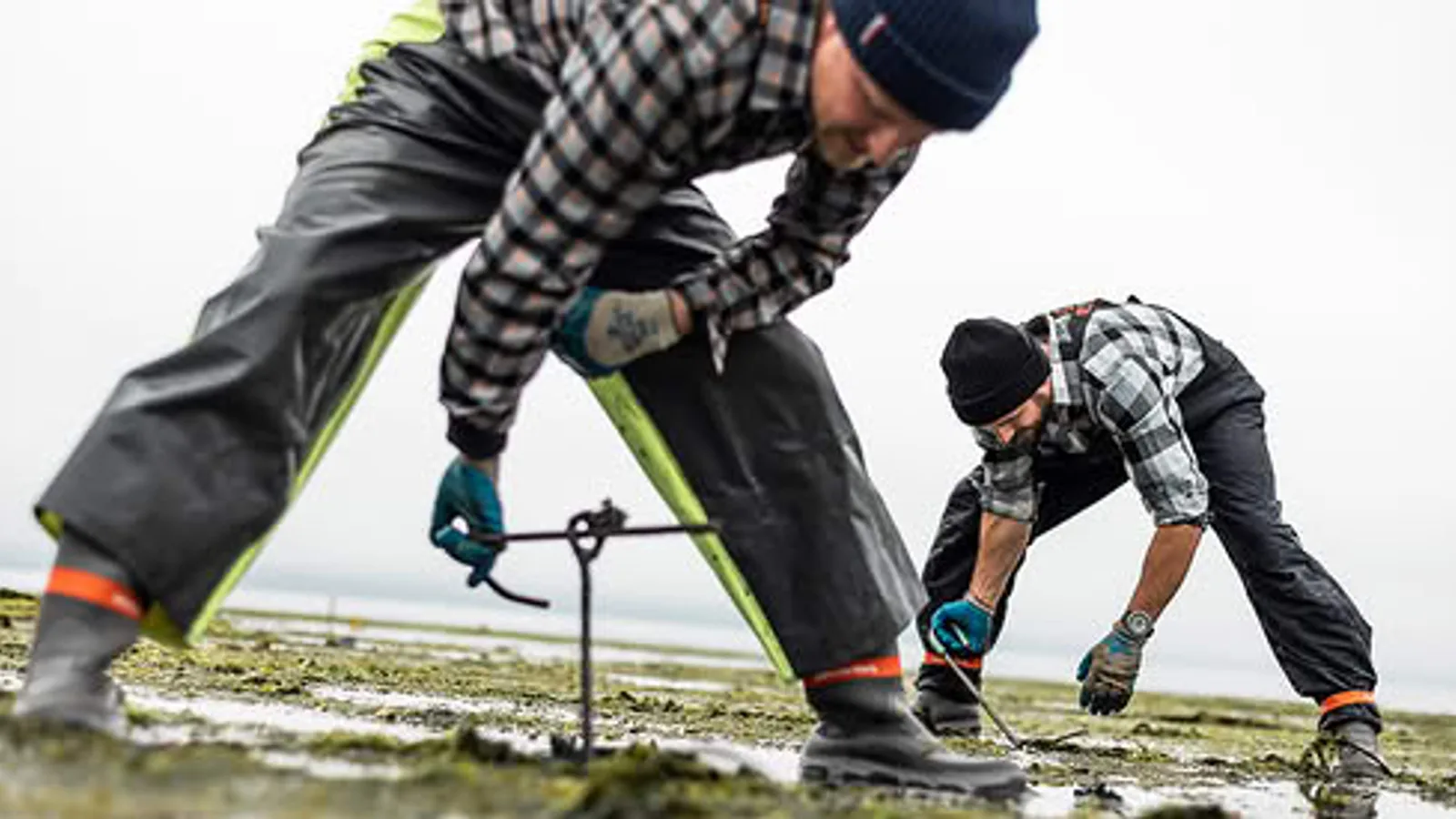
Baywater Sweets grow in tide-tumbled, self-tipping cages on Thorndyke Bay flats. Mesh gear holds seed off the firm sand bottom through grow-out. That off-bottom method sets them apart from many beach-cultured Hood Canal oysters. Each tide tips cages, chips shell edges, and deepens cups. Grow-out typically runs twelve to eighteen months before market grade.
Northern Hood Canal brings heavy wave action and cold, windy water across the leases. Freshwater streams and salt marshes dilute and refresh the bay between tides. That mix feeds the medium-high brine and melon finish on finished cups. Intertidal exposure also means storm sediment can cling after hard weather. Crews grade for clean shells before boxes leave the canal.
Finished Sweets ship in the 2.25 to 2.75 inch band for half-shell programs. Harvest, purge, and chill follow Washington wholesale shellfish practice. Chefs should still smell and cup-check after warm transit. Warm months can push Pacific oysters toward spawn condition. Hold notices from Washington sanitary authorities override any farm calendar.
Baywater Sweets Oysters Information

Pacific oyster
If you like Baywater Sweets Oysters, then check out these similar varieties!
Location
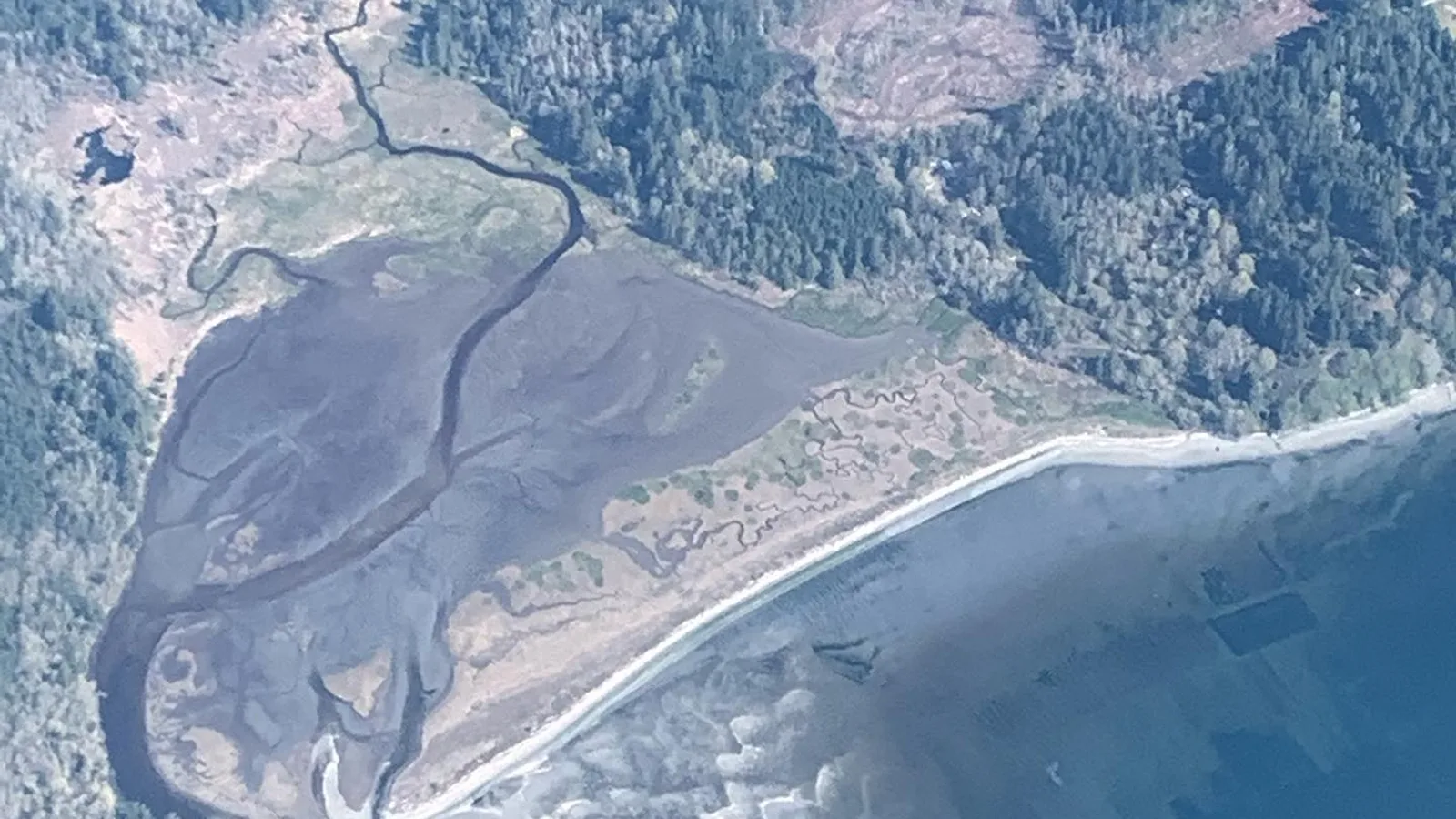
Thorndyke Bay sits on the Toandos Peninsula in north Hood Canal, Washington. Baywater Shellfish’s leases face cold, deep fjord water rather than open Pacific swell. Intertidal flats on firm sand hold the self-tipping cage gear. Freshwater streams and salt marshes edge the bay. That shoreline mix is central to the Sweet’s melon finish.
Hood Canal’s pronounced plankton blooms feed oysters through the grow cycle. Davis describes the canal as deep, cold, and clean with sweet, fresh plankton. Wind and wave energy on the northern reach keep cages in motion. Temperature swings stay milder than on fully exposed outer coasts. Storm runoff can still cloud nearshore beds after heavy rain.
Chefs should taste a sample cup after major weather events before locking a flight. Confirm Thorndyke Bay on the tag when distributors use loose “Hood Canal” language. Indigo Sweets from the canal mouth are a different Baywater product. Do not treat suspended-cage Indigo lots as interchangeable with intertidal Sweets. Menu copy should name Thorndyke Bay when the Sweet is the star.
Pacific Northwest bars from Bainbridge Island to Seattle keep Baywater Sweets in rotation when supply allows. Demand often outruns boutique farm volume on peak weekends. Build Washington flights beside Hama Hama and Dabob Bay oysters. Cold-chain handling from canal to pass protects liquor and aroma. Reject gaping cups or stagnant odors after warm holding.
Environmental Factors
Ocean acidification is an active research focus at Baywater’s field sites. Davis’s breeding and monitoring work aims to keep commercial seed viable as chemistry shifts. Washington hatcheries already use coastal monitoring to time protective measures. Farm innovation and science partnerships both show up in how Baywater talks about the future. Guests still taste a cold Hood Canal cup first.
Intertidal gear feels every salinity and temperature swing on Thorndyke flats. Long operation since 1990 shows the site can carry a signature line. Pacific oyster spawn biology still applies in warm months. Respect Washington sanitary closures before any raw service. When in doubt, cook or skip the lot.
Suggested Beverage Pairings
Dassai 45 Junmai Daiginjo mirrors Baywater Sweets honeydew melon finish with clean rice polish that never masks Thorndyke Bay salinity. The junmai daiginjo keeps Hood Canal brine forward on intertidal tumbled Pacific cups. Serve well chilled beside Baywater Shellfish signature line on raw-bar flights.
Pierre Peters Cuvée Réserve brings chalky minerality beside Baywater Sweets medium-high Hood Canal salinity. Fine bubbles refresh the palate between honeydew-close bites from Thorndyke Bay meats. Classic blanc de blancs service suits tumbled Pacific oysters from north Hood Canal.
Shiga Kogen saison flirts with Baywater Sweets honeydew mid-palate while farmhouse phenolics reset Hood Canal brine. Carbonation scrubs medium-high salinity gently between intertidal tumbled shells. Dry saison finish keeps melon signature readable on Baywater Sweets meats.
Bone-Jolly gamay suits melon-sweet Hood Canal pours beside Baywater Sweets without tannin overload. Bright gamay fruit lifts honeydew finish while medium-high salinity stays forward on the swallow. Serve slightly cool with Thorndyke Bay tags from Baywater Shellfish.
Allagash White brings coriander and orange peel beside Baywater Sweets honeydew finish on Hood Canal cups. Witbier effervescence cleanses Thorndyke Bay salinity between intertidal tumbled Pacific shells. Maine-brewed wit suits melon close without heavy bitterness on Baywater Sweets.
Where Can I Buy Baywater Sweets Oysters?
You can buy Baywater Sweets Oysters from the following sources:
- Baywater Shellfish — Direct Thorndyke Bay retail boxes list 2.25–2.75 inch grades and honeydew melon notes on the product page.
- Baywater Shellfish Wholesale — Use the farm wholesale form when restaurants need steady Baywater Sweets bands from north Hood Canal.
- Taylor Shellfish Farms — WA oyster shop for regional cups; ask for Baywater Sweets or Thorndyke Bay bands when listed.
- Hood Canal Mariculture — Partner network linked from Baywater Shellfish for canal farm updates and distribution contacts.
References
- Baywater Shellfish. “Baywater Sweets.” Product page. Accessed 2 Aug. 2026. https://www.baywatershellfish.com/products/baywater-sweets-2-dozen
- Pangea Shellfish Company. “Baywater Sweet.” Oysterology Online. Accessed 2 Aug. 2026. https://www.pangeashellfish.com/oysterology/baywater-sweet
- Gilbert, Alorie. “A Tide to Table Voyage.” Tideland, Sept. 2024. https://www.tidelandmag.com/articles/2024-09-tide-to-table-voyage
- Jacobsen, Rowan. “Baywater Sweet.” The Oyster Guide. Accessed 2 Aug. 2026. https://www.oysterguide.com/maps/hood-canal-and-southern-puget-sound/baywater-sweet/
- NOAA Fisheries. “Pacific Oyster.” Species Directory. Accessed 2 Aug. 2026. https://www.fisheries.noaa.gov/species/pacific-oyster
Discover more from The Oyster Encyclopedia
Subscribe to get the latest posts sent to your email.