


Chef’s Notes
Mason Bostwick · Executive Chef
Eastern oyster
Blish Point — Blish Point — Strong minerality — creamy and crisp. A solid farmed eastern oyster.
Flavor chart
Chef palate read
Shuckability
Shell & line performance
When I buy it
Look for Blish Point Oysters in peak season when salinity peaks.
How I serve it
On the half shell with minimal garnish — let the oyster speak.
What to watch for
Full brine with creamy finish. Reject any with broken shells or milky liquor.
My read
Strong minerality — creamy and crisp. A solid farmed eastern oyster.
What Are Blish Point Oysters?
Blish Point Oysters have a rich history that dates back to the 19th century. They were first cultivated in the shallow waters of Blish Point. It is located on the southern shore of the Elizabeth Islands off the coast of Massachusetts. The oysters were harvested and consumed by the local Native American population for centuries before European settlers arrived.
In the 1800s, Blish Point became a popular spot for oyster cultivation. This was due to its ideal location. The area had an abundance of oyster beds.
The oysters gained a reputation for their unique flavor profile. They quickly became a sought-after delicacy in the Northeast region of the United States. That reputation grew from the same Elizabeth Islands waters where they were first cultivated.
By the early 1900s, overfishing and pollution had significantly reduced the oyster population in the area. As a result, Blish Point Oysters all but disappeared. In the 1990s, a group of local oyster farmers decided to revive the Blish Point Oyster.
They used sustainable farming practices. This ensured their continued growth and availability. Those farmers rebuilt a harvest that had sustained local communities for centuries.
Today, they are once again thriving, thanks to the hard work and dedication of these farmers. They are a testament to the resilience of the oyster. The people who have worked to preserve them for future generations also demonstrate resilience.
How Did Blish Point Oysters Get Their Name?
Blish Point Oysters take their name from the area where they are cultivated—Blish Point in Massachusetts. This region is known for its rich maritime history and productive oyster-growing conditions. The site sits on the southern shore of the Elizabeth Islands, where oysters were harvested long before modern farming.
The name reflects the connection between the oysters and their unique environment. It emphasizes the pristine waters that contribute to their superior flavor. The tradition of naming oysters after their place of origin continues to honor the role of local waters and ecosystems.
About Blish Point Oysters
Blish Point Oyster Farm, located in Barnstable Harbor, Massachusetts, is a thriving aquaculture operation run by industry veteran David Cranshaw. The farm was established in 2016. This was made possible through a partnership with Pangea Shellfish Company.
The farm benefits from the unique environmental conditions of its location. Barnstable Harbor is famous for its shellfish aquaculture. It has a 10-foot tidal range from Cape Cod Bay. It also receives freshwater inputs from nearby creeks 12.

The farm cultivates Eastern oysters (Crassostrea virginica) using a tray-raised method. Oyster seed starts in bags. Then, they are transferred to trays for final growout. This process takes 16 to 20 months 1.
The constant wave action in the harbor naturally tumbles the oysters, ensuring cleanliness and consistency. This environment, with its fast currents and tides, provides abundant food, keeping the oysters plump year-round 2. That tray-raised approach aligns with the farm’s floating-bag growout used on site.
The oysters are known for their deep, cupped shells and unique flavor profile 23. They typically measure 2.75+ inches and are available year-round. Blish Point oysters have a light to medium salinity.
This is balanced by a sweet, creamy, and slightly nutty taste. They have a crisp, clean finish 34. The farm’s commitment to quality is evident throughout each harvest cycle.
The natural advantages of its location also play a significant role. These factors have firmly positioned Blish Point as a producer of high-end oysters. It is in one of the country’s best oyster regions 3.
Blish Point Oysters Information

Eastern oyster
If you like Blish Point Oysters, then check out these similar varieties!
Oyster: Blish Point
Cultivation Method: Farmed using floating bags; growout period: 18-24 months
Seasonality: April-January
Size: 2.75″
Culture Method: Tray raised
Salinity: 27-30 ppt

Appearance: They have a deep, cupped shell that is elongated and slightly curved, resembling the shape of a teardrop. The shell is typically rough and jagged, with ridges and bumps that give it a textured appearance.
Flavor: They have a light to medium salinity, which is balanced by a sweet, creamy, and slightly nutty taste. The oysters have a crisp, clean finish. They leave a slight metallic or briny aftertaste. This is typical of oysters from the Atlantic Ocean.
Location
Blish Point oysters are cultivated in Barnstable Harbor, Massachusetts, by David Cranshaw and his dedicated team 12. This location, known for its shellfish aquaculture, provides an ideal environment for oyster growth and prosperity 2. Barnstable Harbor’s 10-foot tidal range from Cape Cod Bay helps keep those beds fed year-round.
The farm was established in 2016. It was a partnership between David Cranshaw and Pangea Shellfish Company. The farm has quickly become a notable producer of high-quality oysters 2.
Environmental Conditions
Barnstable Harbor offers several environmental factors that contribute to the successful cultivation of oysters. The area experiences a significant 10-foot tidal range from Cape Cod Bay, which brings in nutrient-rich waters twice daily 12. This tidal action ensures a constant supply of food for the oysters, keeping them plump and healthy year-round 1.
The harbor also receives freshwater inputs from nearby creeks. This creates a unique brackish environment that influences the oysters’ flavor profile 2. That mix of fresh and saltwater shapes the light to medium salinity chefs recognize on the half shell.
The bottom composition of Barnstable Harbor also plays a crucial role in oyster cultivation. The clean, sandy bottom is interspersed with large thatch beds, providing an excellent substrate for oyster growth 2. The farm uses a tray-raised method on those productive harbor grounds.
It starts oyster seed in bags. Then they transfer them to oyster trays for final growout 1. This cultivation technique works in harmony with the natural wave action in the harbor. It helps to keep the oysters clean and consistent in shape1.
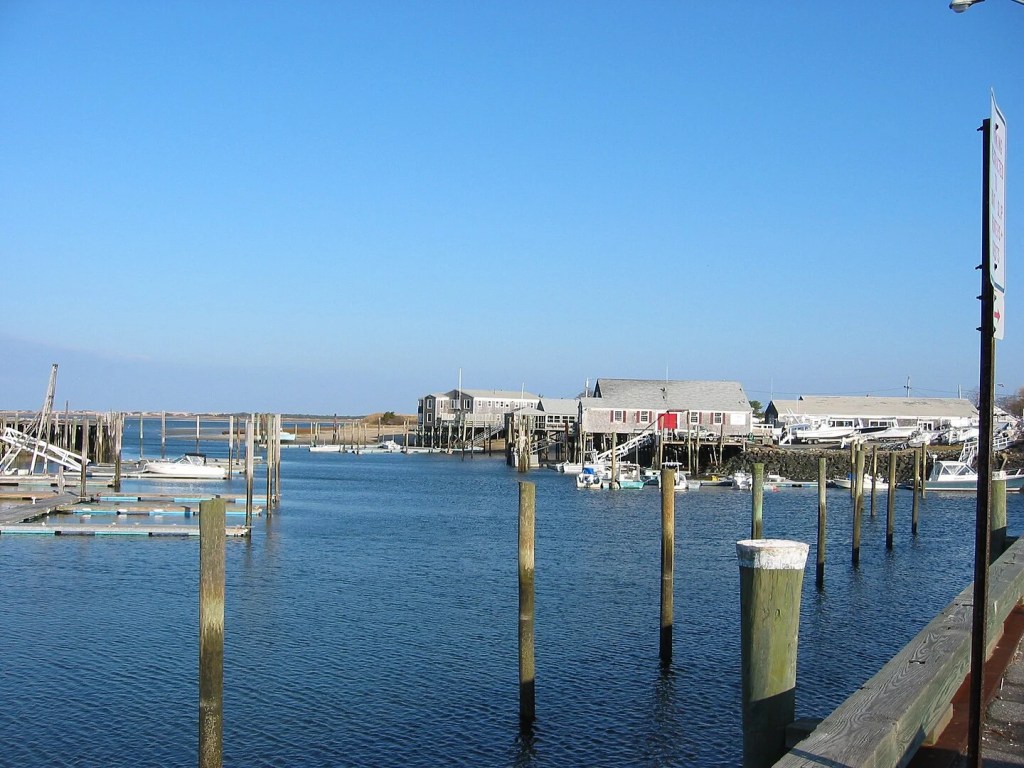
The fast currents, significant tidal changes, and wave action in Barnstable Harbor create a unique environment. This environment naturally tumbles the oysters 13. This tumbling action contributes to the development of deep, cupped shells characteristic of Blish Point oysters 3.
The environmental conditions also influence the oysters’ flavor. They result in a light to medium salinity balanced by sweet, creamy, and slightly nutty notes 3. These factors have established Blish Point as a standout Barnstable Harbor harvest.
The careful cultivation practices employed by David Cranshaw and his team contribute to this reputation. Blish Point is a producer of premium oysters in one of the country’s best oyster regions. That standing reflects both the harbor’s natural advantages and the farm’s daily work on the water.
Suggested Beverage Pairings
Valdespino Fino Inocente adds saline nuttiness beside Blish Point brine on Maine cups. Dry finish highlights seaweed notes without sweet sherry weight. Classic fino service for cold-water virginica.
Camino Roca Txakolina brings Basque citrus and light spritz to Blish Point creamy meat. High acidity cuts through liquor richness while subtle salinity echoes Penobscot Bay exchange. Serve chilled in small tulips.
Maine Beer Company Lunch IPA adds pine and citrus hop lift to Blish Point savory finish. Moderate bitterness keeps oyster sweetness forward on the swallow. Local craft option for Maine raw-bar flights.
Brooklyn Dry Irish Stout offers roasted coffee and chocolate beside Blish Point winter brine. Creamy body balances salinity without cloying sweetness. Stout pairing suits colder-month Maine service.
A dry Barr Hill gin martini highlights honeyed botanicals against Blish Point sweet finish. Vermont gin keeps brine crisp with a lemon twist. Serve ice-cold alongside freshly shucked cups.
Where Can I Buy Blish Point Oysters?
You can purchase the oysters from several online vendors. Here’s a list of 3-4 online retailers that sell these oysters:
- Pangea Shellfish Company – They partner with Blish Point Oyster Farm. They offer direct sales of these oysters through their website.
- Fortune Fish & Gourmet – This company sells oysters as part of their East Coast oyster selection.
- Food Innovations – They offer these oysters in 100-count bags, available for delivery within 2 business days.
References
- “Blish Point Oysters.” Pangea Shellfish Company, www.pangeashellfish.com/oysters/blish-point. Accessed 26 Nov. 2024.
- “Blish Point Oysters.” Fortune Fish & Gourmet, www.fortunefishgourmet.com/product/blish-point-oysters/. Accessed 26 Nov. 2024.
- “Blish Point Oysters.” Food Innovations, www.foodinno.com/shop/shellfish/oysters/blish-point-oysters/. Accessed 26 Nov. 2024.
- “Our Oyster Farms.” Pangea Shellfish Company, www.pangeashellfish.com/our-oyster-farms. Accessed 26 Nov. 2024.
- “Oyster Encyclopedia.” Island Creek Oysters, www.islandcreekoysters.com/pages/oyster-encyclopedia. Accessed 26 Nov. 2024.
Discover more from The Oyster Encyclopedia
Subscribe to get the latest posts sent to your email.