


Chef’s Notes
Mason Bostwick · Executive Chef
Eastern oyster
Tatamagouche — Tatamagouche — Strong minerality — sweet. A solid wild eastern oyster.
Flavor chart
Chef palate read
Shuckability
Shell & line performance
When I buy it
Look for Tatamagouche Oysters in summer when conditions are optimal.
How I serve it
On the half shell with minimal garnish — let the oyster speak.
What to watch for
Mild salinity with clean finish. Reject any with broken shells or milky liquor.
My read
Strong minerality — sweet. A solid wild eastern oyster.
What Are Tatamagouche Oysters?
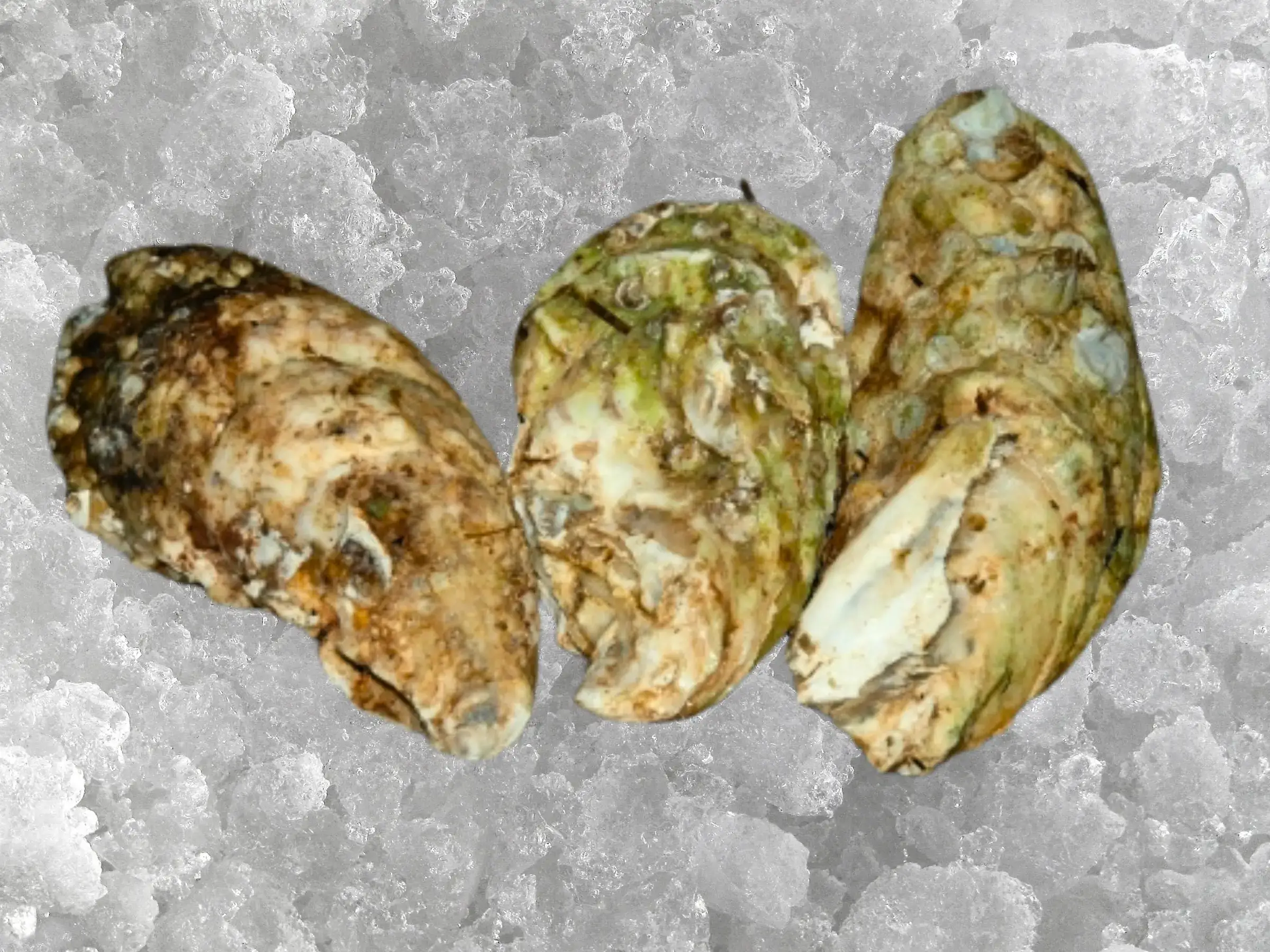
Tatamagouche oysters are wild Eastern oysters harvested from natural beds in Tatamagouche Bay, Nova Scotia. Growers collect Crassostrea virginica where the French and Waugh Rivers meet the Northumberland Strait. Bay Enterprises Limited and regional harvesters market the line across Canada and export channels.
On the half shell Tatamagouche opens with variable but often sweet and nutty flavor beside twenty to twenty-five parts per thousand salinity. Cups can read tender-firm with medium brine or occasionally watery and mild depending on bed and season. That natural variability defines the wild Tatamagouche profile chefs expect from bottom-harvested virginica.
Shells run long and shoehorn-shaped with sandy oblong exteriors and shallow wild cups. Size ranges medium to large up to five inches across natural Northumberland Shore beds. Seasonal availability runs May through January with summer months typically avoided on quality-focused raw bars.

How Did Tatamagouche Oysters Get Their Name?
Tatamagouche oysters take their name from Tatamagouche Bay on Nova Scotia’s Northumberland Shore. The Mi’kmaq word Taqamiju’jk means meeting of the waters where the French and Waugh Rivers converge. That estuary name signals the wild habitat where these Eastern oysters grow naturally on the bay bottom.
Early colonial records documented the place name with varied spellings including Tah am igouch e in 1738. The Tatamagouche spelling persisted as settlement grew around the bay and its shellfishery. Today the name links Mi’kmaq heritage, river geography, and Nova Scotia oyster provenance on distributor tags.
Wild Harvest of Tatamagouche Oysters
Producers harvest Tatamagouche oysters from natural bottom beds in Tatamagouche Bay using hand tongs and rakes. Crews collect wild stock without rack culture or bag farming across the lease waters. That method preserves the irregular shells and variable meats that define the Tatamagouche trade name.

Nova Scotia shellfish regulations govern approved tools, seasonal closures, and bed health across Tatamagouche leases. Harvesters follow guidelines that protect oyster populations and estuary ecology year-round. Bay Enterprises Limited and allied crews grade wild stock before shipping to wholesale and retail buyers.
Wild bottom culture keeps oysters on firm substrate where tidal flow delivers plankton and oxygen. Minimal gear disturbance helps maintain the bay’s natural shellfish community and water quality. Those practices support sustainable wild harvest that supplies Tatamagouche cups from May through January.
Tatamagouche Oysters Information

Eastern oyster
If you like Tatamagouche Oysters, then check out these similar varieties!
Location
Tatamagouche oysters grow in Tatamagouche Bay on Nova Scotia’s Northumberland Shore near the village of Tatamagouche. The French and Waugh Rivers feed this estuary where freshwater meets the Northumberland Strait. That meeting-of-waters setting defines the wild Eastern oyster habitat for the Tatamagouche line.
Nutrient-rich estuary waters supply plankton that feeds wild filter-feeding oysters across the bay. Relatively sheltered geography limits harsh open-ocean exposure along the Northumberland Shore. Firm bottom substrate keeps shells above sediment so meats access food and oxygen through tidal exchange.
Tidal flushing maintains clean oxygenated water across Tatamagouche oyster beds throughout the harvest season. Salinity typically runs twenty to twenty-five parts per thousand across the estuary mouth. Those moderate brackish conditions help build sweet nutty flavor in many wild cups each year.
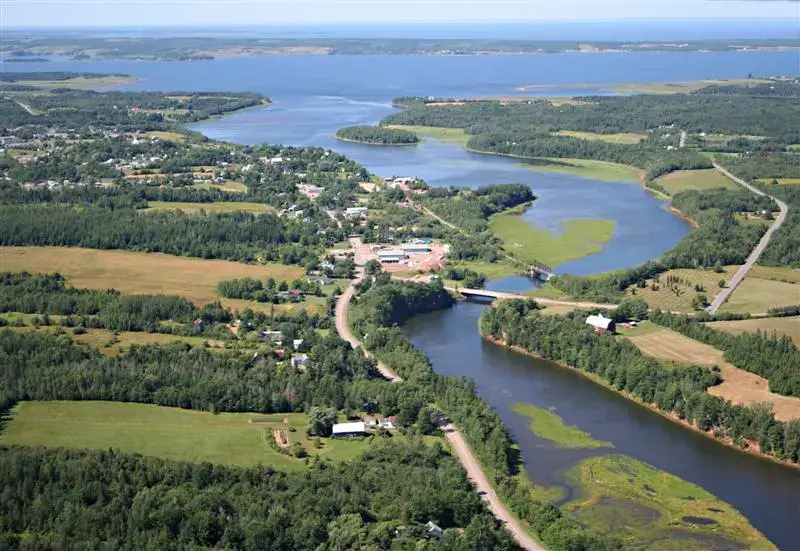
Estuarine mixing, river input, and strait salinity shape Tatamagouche merroir across seasonal harvest windows. Water quality monitoring and provincial shellfish management protect bed health before each opening. Together these site factors anchor the wild Tatamagouche profile on Canadian and export raw-bar lists.
Suggested Beverage Pairings
Domaine de la Pépière Muscadet adds brisk citrus and mineral salinity beside Tatamagouche sweet nutty cups. Sur lie texture softens tender-firm meats while keeping brine forward. It suits wild Nova Scotia virginica on mixed seafood platters.
Louis Michel & Fils Chablis brings steely Chardonnay acidity and chalky minerality to wild Eastern oysters. Clean citrus finish highlights medium salinity without masking variable wild flavor. Serve well chilled alongside freshly shucked Tatamagouche cups.
A dry Hendrick’s Gin martini with lemon twist frames cucumber and rose botanicals against Tatamagouche brine. Juniper and citrus sharpen sweet nutty notes on the half shell. The contrast refreshes the palate between shallow wild cups.
Champagne Delamotte NV Blanc de Blancs adds fine bubbles and lemon zest beside Tatamagouche variable salinity. Yeasty brioche notes echo nutty undertones in many wild cups. The pairing reads luxurious for special-occasion raw-bar service.
Ameztoi Rubentis Txakoli Rosé offers light effervescence and red-fruit acidity against Nova Scotia wild brine. Bright Basque character complements sweet finishes in firmer Tatamagouche meats. Its slight fizz keeps each slurp lively on warm service nights.
Where Can I Buy Tatamagouche Oysters?
- Bay Enterprises Limited – Bay Enterprises Limited sells Tatamagouche Bay oysters from its Malagash operation throughout Canada and internationally with advance pickup scheduling.
- Oysterblood – Oysterblood lists Tatamagouche oysters in twenty-five-count retail packs for Canadian online buyers seeking Northumberland Shore wild cups.
- Seacore Seafood Products – Seacore Seafood Products distributes Tatamagouche oysters from Vaughan, Ontario, to wholesale and foodservice buyers when weather permits harvest.
- Fortune Fish & Gourmet – Fortune Fish & Gourmet carries Tatamagouche oysters on its East Coast virginica list for restaurant programs seeking rich nutty Nova Scotia wild tags.
Stay Connected with The Oyster Encyclopedia!
Follow us on social media to get the latest updates, oyster recipes, and behind-the-scenes glimpses into the world of oysters:
Stay tuned for exclusive content, oyster trivia, and more! Engage with our vibrant community of oyster enthusiasts by liking, commenting, and sharing our posts. Your support helps us continue providing valuable oyster knowledge to fellow seafood lovers worldwide.
References
- Bay Enterprises Limited. Web. Accessed 30 May 2026. https://tasteofnovascotia.com/members/bay-enterprises-limited/
- :. Web. Accessed 30 May 2026. https://tasteofnovascotia.com/members/bay-enterprises-limited/
- Oysterblood. Web. Accessed 30 May 2026. https://www.oysterblood.com/order/p/oysters-25-units-tatamagouche
- :. Web. Accessed 30 May 2026. https://www.oysterblood.com/order/p/oysters-25-units-tatamagouche
- Seacore Seafood Products. Web. Accessed 30 May 2026. https://www.seacoreseafood.com/product/Tatamagouche_Oysters
- :. Web. Accessed 30 May 2026. https://www.seacoreseafood.com/product/Tatamagouche_Oysters
Discover more from The Oyster Encyclopedia
Subscribe to get the latest posts sent to your email.