



Quick Facts
- Species: Eastern oyster (Crassostrea virginica).
- Cultivation: Farmed using off-bottom and suspended culture methods.
- Size: Typically ranges from 2.5 to 4 inches.
- Seasonality: Available year-round due to farmed conditions.
- Salinity: Medium-high, around 25–28 ppt (brackish Gulf influence).
Flavor Chart
Briny + meaty + clean finishShuckability
Deep cup + Gulf shell = towel disciplineWhen I buy it
When I need a briny, meaty Gulf oyster that reads premium on ice—especially for raw bar regulars who want big flavor.
How I serve it
Naked first. Then lemon or a straight vinegar mignonette (vinegar + shallot). Keep it sharp and simple.
What to watch for
Cold handling matters. Keep them drained and out of meltwater—clean liquor and fresh ocean smell only.
My read
Briny up front, sweet/meaty middle, clean finish. A confident Gulf half-shell oyster that’s built for service.
What Are Beauregard Island Oysters?
Beauregard Island Oysters have a rich history tied to the innovative efforts of Jules Melancon, a Louisiana oysterman. Melancon passed away in 2023. He changed the perception of Gulf Coast oysters. These oysters were traditionally considered generic and primarily used for soups, frying, and canning.
Melancon infused Gulf Coast oysters with a sense of origin. He introduced names like Beauregard Islands, Champagnes, and Queen Besses. He pulled these names from different areas. Oyster enthusiasts experienced a significant shift as they were used to consuming hyperlocal varieties from the East Coast.

Auburn University researchers tested a new type of oyster farming. This sparked Melancon’s interest. It led to his journey into oyster farming. Instead of dredging, farmers grew spats, or immature oysters, from pinhead-sized seeds in drums on land. When the oysters were the size of a quarter, they went into chicken-wire cages suspended in shallow water.
The Beauregard Island Oysters are part of the Caminada Bay Oyster Farm, born from Melancon’s efforts. Beauregard Island, Champagne, and Caminada Bay Oysters currently market the farm.
How Did Beauregard Island Oysters Get Their Name?
Beauregard Island oysters are named after their cultivation location, Beauregard Island, along the Gulf Coast. This name reflects the island’s rich maritime history and its role in the oyster industry. The area has long been recognized for its ideal oyster-growing conditions, contributing to the name’s association with premium quality.
The oyster’s name also pays homage to the local culture and environment. The blend of brackish water and abundant nutrients provides a natural habitat perfect for oysters. This distinctive terroir is what Beauregard Island oysters represent—nature’s bounty shaped by a unique locale.
About Caminada Bay Oyster Company
Caminada Bay Oyster Company, located in Louisiana, was born out of the innovative efforts of Jules Melancon, a third-generation oysterman. After the 2010 Deepwater Horizon oil spill, Melancon sold his oyster boat and left the business due to financial difficulties. Melancon learned about a new method from Auburn University researchers. He decided to remain in the industry. He chose to test this new method of growing oysters.
The new method involved growing oysters in cages, starting with pinhead-sized seeds called spats. When the oysters were the size of a quarter, they were placed in chicken-wire cages suspended in shallow water. This method was a significant departure from traditional dredging methods. It enabled Melancon to grow large, meaty oysters. They closely resembled wild Louisiana oysters.
Louisiana’s first commercially farmed oyster operation was Melancon’s Caminada Bay Oyster Farm. Caminada Bay Oyster Company cultivates oysters known for their unique flavor, which results from the specific conditions in Caminada Bay.
Follow Them
Discover more about Beauregard Island oysters and their Gulf Coast neighbors by following Caminada Bay Oyster Company! Visit their profiles to explore their full selection of premium Louisiana oysters and place your order today.
Beauregard Island Oysters Information
Name: Beauregard Island
Species: Crassostrea Virginica
Cultivation Method: Farmed for 18-24 months.
Culture Method: Bottom Culture Method.
Seasonality: Oct-apr
Size: 2.5-3.5″
Salinity: 25-30 ppt
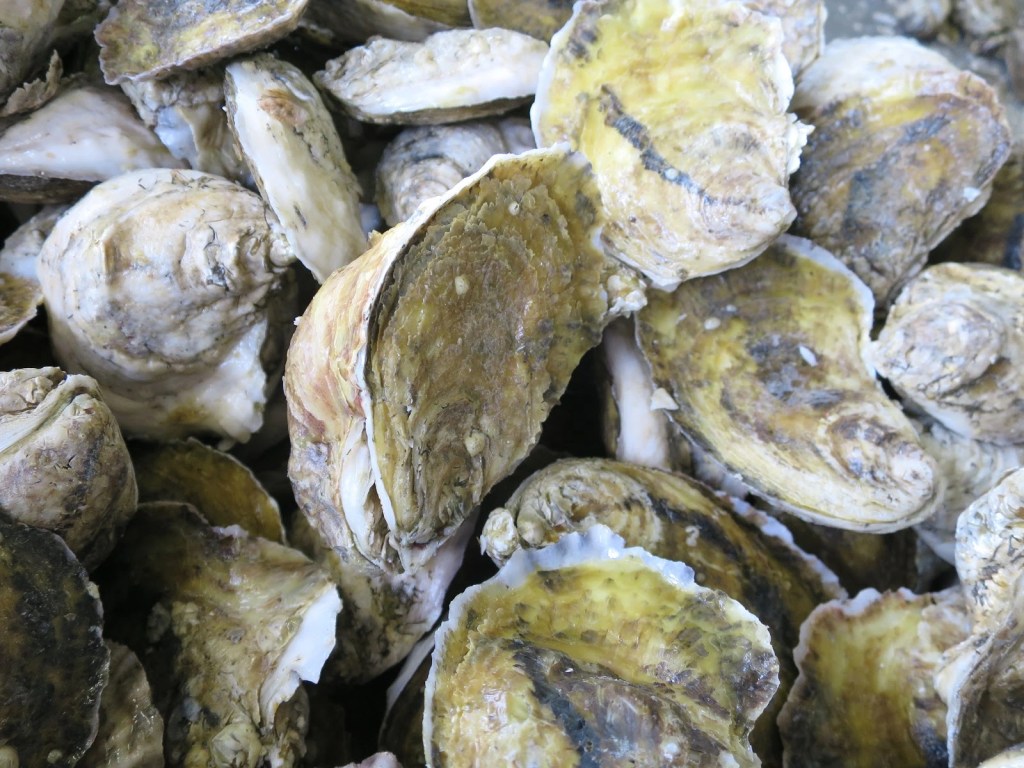
Appearance: Known for being giant and meaty, resembling a wild Louisiana oyster more than any other farmed oyster. They have a rough, dark shell often tinged with green or brown with deep cups.
Flavor Profile: Beauregard Island oysters present a classic Gulf Coast flavor profile. They have a pronounced brine that leads into sweet, meaty notes. These giants provide a rich and full-bodied taste experience typical of southern Louisiana waters. They have subtle mineral undertones that complement their substantial meat content.
If you like Beauregard Oysters, try these similar varieties!
Location
eauregard Island oysters are cultivated in southern Louisiana’s Barataria Basin, specifically in the waters around Grand Isle. Jules Melancon farms these oysters using specially designed cages. These cages sit on the Gulf floor. They allow the oysters to grow in natural conditions while protecting them from predators 2.
The location benefits from a unique combination of environmental factors that create ideal growing conditions. The area maintains optimal salinity levels between 5-15 parts per thousand (ppt), which is crucial for oyster survival and growth. This brackish water environment provides the perfect balance. Salinity levels above 15 ppt can attract predators like oyster drills. Levels below 5 ppt can stress the oysters 9.
Water temperature plays a vital role in oyster development in this region. During winter months (December through April), the oysters enter a low-metabolism state. As waters warm to around 70°F in spring, the oysters become more active and thrive 9. The Barataria Basin’s location allows for this natural temperature cycling, which is essential for healthy oyster development and reproduction 2.
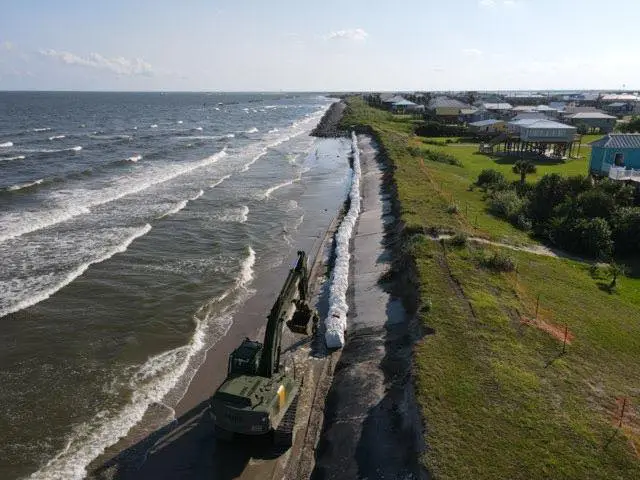
The area’s unique position is influenced by both Mississippi River freshwater and Gulf of Mexico saltwater. This creates a dynamic ecosystem perfect for oyster cultivation. This mixing of waters delivers essential nutrients while maintaining the delicate salinity balance needed for optimal growth. The protected growing areas around Beauregard Island offer ideal conditions. Here, oysters develop their characteristic meaty profile and stay sheltered from excessive predation 23.
Suggested Beverage Pairings
- Muscadet Sèvre et Maine – This classic French white wine offers bright citrus notes and minerality. These qualities perfectly complement the briny character of Beauregard Island oysters. The wine’s high acidity and green fruit notes enhance the oyster’s natural salinity.
- Hendrick’s Gin Martini – The subtle cucumber notes in Hendrick’s gin create an elegant harmony with the oyster’s meaty profile. The clean, crisp finish of the martini acts as a palate cleanser between bites.
- Champagne Bollinger Special Cuvée – The yeasty, bready notes of this champagne add depth while complementing the oyster’s rich texture. The effervescence provides a delightful textural contrast to the meaty character of Beauregard Island oysters.
- Guinness Stout – The smooth, creamy texture of Guinness creates a beautiful layering effect with these meaty oysters. The stout’s subtle bitterness perfectly counterbalances the oyster’s natural brine.
- Txakoli Ameztoi – This coastal Spanish white wine has bright acidity. Its subtle effervescence lifts the fresh oceanic qualities of the oysters. Its crisp, mineral-driven profile enhances the natural brine while maintaining balance.
Where Can I Buy Beauregard Island Oysters?
- Restaurants in New Orleans – Many of Caminada Bay Oyster Company’s oysters end up in New Orleans. They are specifically served at John Besh restaurants, such as Elysian Seafood at Saint Roch Market.
- Directly from Caminada Bay Oyster Company – You can contact Caminada Bay Oyster Company for purchase or retail information.
- Seafood Distributors in Louisiana – Look for seafood distributors in Louisiana that carry Beauregard Island Oysters. The search results do not mention specific distributors. However, local seafood markets or specialty food stores may carry them. They may also be able to order them for you.
References
- Lallo, Ed. “The Aristocratic Louisiana Oyster.” Gulf Seafood News, 1 Aug. 2013.
- La Peyre, Megan K., and Jerome F. La Peyre. “Understanding Growth, Mortality of Louisiana Oysters Helps Ensure Sustainability.” LSU AgCenter, Louisiana State University, 2018.
- “Oysters and Louisiana’s Changing Coast.” Barataria-Terrebonne National Estuary Program (BTNEP), 28 Aug. 2019.
- “Our Top Picks for Oyster Beverage Pairings.” Lobsters Online, 2023.
- Soniat, Thomas M., et al. “Analysis of Environmental Factors Influencing Salinity Patterns, Oyster Growth, and Mortality in Lower Breton Sound Estuary, Louisiana Using 20 Years of Data.” Journal of Coastal Research, vol. 32, no. 3, Coastal Education and Research Foundation, 2016, pp. 519-530.
Discover more from The Oyster Encyclopedia
Subscribe to get the latest posts sent to your email.
My real-world read
Beauregard Island oysters are a bold Gulf Coast oyster when you want intensity without funk: briny up front, then a sweet/meaty center, finishing clean with a subtle mineral edge. They’re restaurant-friendly, big enough to feel premium, and they hold up well for high-volume half-shell service.