

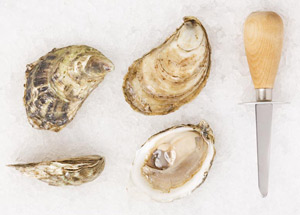

Chef’s Notes
Mason Bostwick · Executive Chef
Eastern oyster
Bagaduce — Bagaduce — Bagaduce is a reversing-falls river story worth telling tableside. Leach built the trade name on floating surface cages above the falls where tidal range stays moderated. I reach for Bagaduce when I want deep cups with fruity finish and steady… Maine brine.
Flavor chart
Chef palate read
Shuckability
Shell & line performance
When I buy it
Ask for Bagaduce bands from Penobscot River stock, not a generic Maine mix. Jesse Leach pioneered this river lease; tags may still read Bagaduce Oyster Company or successor farms. Fall-through-spring menus match when I…
How I serve it
Plate on crushed ice with liquor intact. The berry-lean finish fades under heavy mignonette or hot sauce. A light citrus wedge on the side is enough for raw flights. These cups pair well with other Penobscot Bay…
What to watch for
Spawn-season milky liquor can appear on Crassostrea virginica in summer. Shorten hold times when water temps climb. Ownership on the original lease has shifted toward Little Island Oyster Co.; confirm the name on your…
My read
Bagaduce is a reversing-falls river story worth telling tableside. Leach built the trade name on floating surface cages above the falls where tidal range stays moderated. I reach for Bagaduce when I want deep cups with…
What Are Bagaduce Oysters?
Bagaduce oysters, harvested in the Bagaduce River in Maine, are renowned for their distinct flavor profile and unique characteristics. These cold water oysters possess deep cups with a fruity, almost berry-like finish, setting them apart from other varieties. The strong tidal action in the Bagaduce River plays a role. Particularly, the reversing falls contribute significantly to the oysters’ complex flavor and robust texture.
The Bagaduce River combines freshwater and saltwater in a unique way. This creates a brackish environment that supports the growth of these exceptional oysters. The river’s reversing falls, where the tidal flow reverses against the prevailing current, adds to the oysters’ distinctive taste. This environment also allows the oysters to grow slower, enhancing their flavor and texture.
Bagaduce oysters are highly prized for their consistent flavor, texture, and size. They are often described as buttery and sweet, with a mildly salty taste. The oysters’ slow growth rate and the river’s unique characteristics make them a sought-after delicacy. The combination of these factors gives the Bagaduce oyster a reputation as one of the finest oysters in Maine.

How Did Bagaduce Oysters Get Their Name?
Bagaduce oysters got their name from the Bagaduce River, where they are harvested. The river flows through Penobscot, Maine, and defines the farm’s geography. Growers market the shellfish under that river name rather than a separate brand trademark. Chefs and retailers list them as Bagaduce oysters on menus and wholesale sheets.
The name “Bagaduce” originates from the native place-name for “big tideway river,” or, in some sources, “place where there is no safe harbor.” That etymology refers to the river’s strong tidal action and reversing falls described elsewhere on this page. Those currents shape the brackish estuary where Eastern oysters develop their flavor. Jesse Leach founded Bagaduce Oyster Company on this tideway in 1997, linking the place-name directly to the shellfish sold today.
About Bagaduce River Oyster Company
The Bagaduce Oyster Company, located in Penobscot, Maine, has a rich history that spans over two decades. Jesse Leach founded the company in 1997. It has grown from a small operation to a thriving business. Now, it produces around 200,000 oysters per year.
Jesse Leach, the founder, has been instrumental in building the company from scratch. He began by cultivating oysters on the Bagaduce River. He used a unique method where the oysters are kept on the water’s surface until they reach market size.
This size is typically around two to three inches and takes about three years to achieve. This method allows the oysters to develop a more complex flavor profile and a robust texture. Floating surface gear keeps shells in the strong tidal exchange that defines Bagaduce River stock.

Leach’s commitment to quality and sustainability has made the Bagaduce Oyster Company a respected name in the Maine oyster industry. The company’s oysters are highly prized for their distinct flavor. This flavor is influenced by the unique characteristics of the Bagaduce River. The river’s strong tidal action and reversing falls contribute to the oysters’ flavor, making them a sought-after delicacy.
In addition to oysters, Leach raises hard-shell clams and tends a herd of cattle. He has encouraged his son Stuart to pursue the business. The USDA recently awarded Stuart a $5,000 loan to start his oyster operation.
The Bagaduce Oyster Company is part of a larger tradition of oyster farming in Maine. This tradition has a long history dating back to the early 20th century. The state’s oyster industry has seen significant growth in recent years. Many small oyster farms like Bagaduce Oyster Company contribute to the industry’s success.
Follow Them
Read the US Harbors profile on Bagaduce River oyster cultivation and Jesse Leach’s reversing-falls grow-out. UMaine Sea Grant published Leach’s farm story covering floating-surface gear and Penobscot Bay shellfish history. Elm Square Oyster Company lists Bagaduce oysters for online order when Maine stock is available. The Bagaduce River Wikipedia entry documents the tideway geography, reversing falls, and Brooksville-area estuary where these Eastern oysters finish.
Current News!
Today, Bagaduce Oyster Company is transitioning ownership, with Little Island Oyster Co. set to take over operations. The proposed lease transfer will allow Little Island Oyster Co., owned by Frank and Tonyia Peasley, to manage the 5-acre farm on the Bagaduce River, pending approval. It remains uncertain whether the oysters will continue to be sold under the “Bagaduce” name.
Bagaduce Oysters Information

Eastern oyster
If you like Bagaduce Oysters, then check out these similar varieties!
Location
Bagaduce oysters are cultivated in the Bagaduce River, located in Penobscot, Maine. This unique estuarine ecosystem offers an ideal environment for oyster growth. It blends freshwater and saltwater, creating brackish water. The river’s strong tidal action and reversing falls contribute to the oysters’ distinct flavor and robust texture.
The Bagaduce River’s cold, nutrient-rich waters support oyster growth by providing a stable and nutrient-rich environment. The river’s tidal fluctuations and reversing falls create a protected habitat that fosters the growth of oysters. The nutrient-rich waters, fueled by the river’s tidal action, provide the necessary nutrients for oysters to thrive. This stable habitat allows the oysters to thrive, contributing to their distinct flavor and robust texture.
The environmental factors in the Bagaduce River make it an ideal location for oyster cultivation. The river’s cold waters slow down the growth rate of the oysters. This allows them to develop a more complex flavor profile. The strong tidal action and reversing falls also contribute to the oysters’ robust texture. The river’s bottom structure offers a stable habitat that supports steady grow-out above the reversing falls.
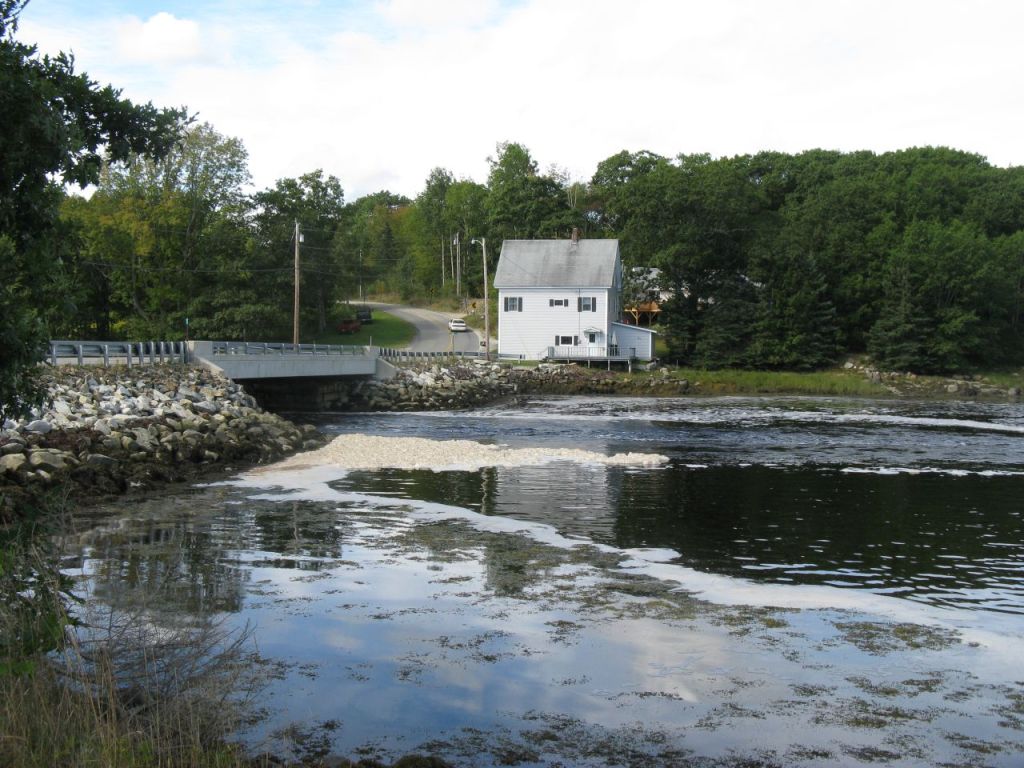
The combination of these environmental factors in the Bagaduce River makes it a beneficial location for oyster growth and prosperity. The unique blend of freshwater and saltwater supports the growth of healthy oysters. Stability in habitat and nutrient-rich waters make Bagaduce cups flavorful on the half shell. This improves the overall ecosystem health of the river and supports the local Maine seafood industry.
Suggested Beverage Pairings
Bagaduce oysters from Maine’s reversing-falls river show fruity berry notes that this New Zealand Sauvignon Blanc lifts with lime and passionfruit acidity. The wine’s mineral edge frames Bagaduce brine without masking the sweet finish on Penobscot stock.
Allagash White Ale from Maine matches Bagaduce oysters with local terroir on the same half-shell flight. Its light wheat body and citrus-coriander nose complement the Bagaduce fruity finish and steady brine on raw service.
Tanqueray No. Ten gin highlights the sweet, berry-lean finish of Bagaduce oysters with fresh citrus and juniper botanicals. Served chilled, the martini elevates Bagaduce natural umami without overpowering deep cups from the Bagaduce River.
Veuve Clicquot Brut Champagne brings green apple, toast, and lemon notes that cleanse the palate between Bagaduce oysters on a raw bar line. Fine bubbles cut Bagaduce brine while the wine’s slight creaminess mirrors deep-cupped Maine Eastern texture.
A Casamigos Blanco margarita offers zesty lime tang and subtle agave sweetness that cuts through Bagaduce brininess on the half shell. The cocktail’s brightness harmonizes with Bagaduce clean, oceanic finish and berry-lean close.
This guide is part of the Raw Bar Bible — chef-level technique, safety, and gear so you can shuck and serve oysters with confidence.
Where Can I Buy Bagaduce Oysters?
You can buy Bagaduce oysters from the following sources:
- Elm Square Oyster Co — Maine distributor shipping Bagaduce oysters directly to consumers when river stock is listed online.
- Atlantic Aqua Farms USA — Sells Nautilus Island oysters from the Bagaduce River farm lease with wholesale and retail inquiry options.
- The Maine Oyster Company — Online aggregator listing Maine farm oysters including Penobscot and Bagaduce River tags when in season.
- Browne Trading Company — Portland distributor sourcing Maine oysters from regional farms with wholesale delivery across New England.
References
- “Bagaduce Oyster.” Oysterater, https://www.oysterater.com/oyster/bagaduce/. Accessed 23 Nov. 2024.
- “Oysters, Surprising Protector of the Bagaduce River.” US Harbors, 29 Mar. 2012, https://www.usharbors.com/2012/03/oysters-surprising-protector-of-the-bagaduce-river/. Accessed 23 Nov. 2024.
- “Guide to Maine Oysters.” Portland Magazine, https://www.portlandmonthly.com/portmag/guide-to-maine-oysters/. Accessed 23 Nov. 2024.
Discover more from The Oyster Encyclopedia
Subscribe to get the latest posts sent to your email.