


Chef’s Notes
Mason Bostwick · Executive Chef
Eastern oyster
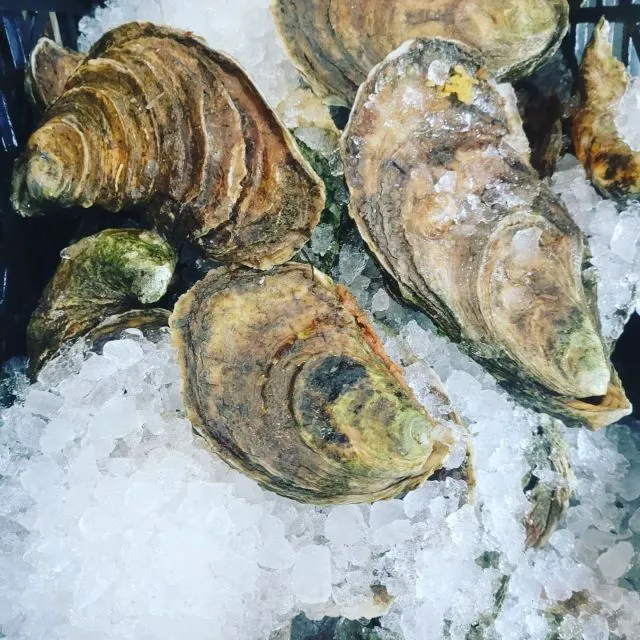
Chatham — Chatham — Strong minerality — rich and very briny. A solid long-line eastern oyster.
Flavor chart
Chef palate read
Shuckability
Shell & line performance
When I buy it
Look for Chatham Oysters in peak season when salinity peaks.
How I serve it
Raw on the half shell or briefly grilled with compound butter.
What to watch for
Full brine with creamy finish. Reject any with broken shells or milky liquor.
My read
Strong minerality — rich and very briny. A solid long-line eastern oyster.
What Are Chatham Oysters?
Chatham oysters come from the elbow of Cape Cod. They offer a unique taste experience. This sets them apart from their coastal counterparts.
These bivalves pack an intense Atlantic flavor, delivering an unparalleled brine wallop that awakens the palate 1. The protected bays of Chatham create their distinctive taste profile. These bays provide an ideal environment for cultivating these exceptional oysters.
The cultivation method of Chatham oysters contributes to their superior quality. Growers like Steven Wright use a traditional rack-and-bag system in Oyster Pond River, ensuring perfect size and shape 1. This meticulous approach results in oysters that are visually appealing.
The oysters are also easy to shuck. These qualities make them a favorite among oyster enthusiasts and chefs alike. Rack-and-bag gear in tidal zones keeps shells clean and deep-cupped for raw-bar service.
Chatham oysters stand out for their versatility and consistency. They perform well both raw and cooked. They maintain their robust flavor when served on the half shell, or grilled with complementary ingredients.
Their medium to large size and firm meat texture make them ideal for various culinary applications. Their crisp finish leaves a lasting impression on the palate 2. Year-round availability from Cape Cod waters keeps them on menus through every season.
How Did Chatham Oysters Get Their Name?
Chatham oysters take their name from the town of Chatham, Massachusetts, where they are cultivated. The area is renowned for its clean waters and rich maritime heritage. Early settlers recognized the potential of these waters for shellfish harvesting, and the tradition has continued for centuries.
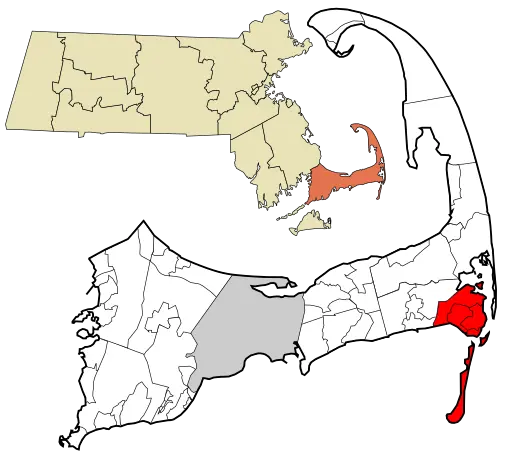
Chatham, situated at the southeastern tip of Cape Cod, is a hub for fishing and aquaculture. The name has become synonymous with quality seafood, and the oysters grown here proudly carry this legacy. The Chatham name evokes the region’s strong ties to the sea and its dedication to sustainable marine practices.
The Cultivation Method
Chatham oysters are grown using a rack-and-bag cultivation method, a hands-on approach that keeps oysters suspended just above the seafloor rather than directly in the mud. Farmers place oysters in mesh bags mounted on metal racks positioned in tidal zones. This setup allows constant water flow to pass through the oysters, delivering oxygen and nutrients while preventing sediment from settling on the shells. The result is a cleaner oyster with a more controlled growing environment.

Crews actively manage the crop throughout the grow-out period. They regularly flip, shake, and adjust the bags, which forces the oysters to harden their shells and develop a deeper cup. This physical agitation mimics natural wave action and prevents the oysters from growing flat or uneven. Because the oysters are off-bottom, they also avoid excess fouling and maintain better shell integrity, which improves both presentation and shuckability.
This method requires consistent labor and attention, but it gives farmers tight control over quality. By managing density, positioning, and exposure to current, they can fine-tune growth rates, shell shape, and meat development. The end result is a uniform, deep-cupped oyster with firm texture and strong liquor retention, built specifically for raw bar performance.
About Chatham Shellfish Company
Chatham Shellfish Company operates on Oyster Pond in Chatham, Massachusetts, cultivating premium oysters since 1976 12. Steve Wright has managed the lease site for the past decade. Chatham oysters are cultivated by Chatham Shellfish Company, a Cape Cod oyster farm that operates in the cold, high-flow waters around Chatham, Massachusetts. The company focuses on producing a consistent, premium Eastern oyster that reflects the strong Atlantic influence of the region.
The farm builds its identity around place-driven aquaculture. It operates in a network of salt ponds, tidal rivers, and open Atlantic-fed inlets that constantly exchange water. That movement pushes oxygen and nutrients through the beds while maintaining elevated salinity levels.
As a result, the oysters develop firm meats, deep cups, and that signature bold brine with a clean mineral edge. The company leans into this environment rather than manipulating it, allowing the natural conditions of Cape Cod to define the final product. Steve Wright’s decade of lease management keeps that quality steady harvest after harvest.
Historically, Chatham sits in one of New England’s most respected shellfishing regions, with a long lineage of wild harvest and small-scale aquaculture. Chatham Shellfish Company builds on that tradition while operating with a modern, quality-driven mindset. Instead of scaling aggressively, the company focuses on controlled output and consistency, maintaining tight oversight on growth cycles, gear, and harvest timing.
Follow Them
Experience the finest Atlantic oysters by visiting Chatham Shellfish Company’s online presence. The company offers convenient local pickup options and seasonal holiday shipments for their premium oysters. Chatham Shellfish Company has cultivated oysters on Oyster Pond since 1976, building a loyal following across New England.
Chatham Oysters Information

Eastern oyster
If you like Chatham Oysters, then check out these similar varieties!
Location
Chatham oysters thrive in Oyster Pond and Oyster Pond River, located at the elbow of Cape Cod in Massachusetts. This strategic location sits between the North Atlantic Ocean to the east and Nantucket Sound to the south and west. It creates an ideal environment for oyster cultivation 14.
The area’s protected bays offer superior growing conditions compared to other Cape towns. The rich, cold waters create a biodiverse environment that supports optimal oyster development 1. These waters deliver a unique combination of Atlantic influences.
Oysters from these waters have intense flavors. A distinctive brine characteristic sets them apart from other Cape Cod varieties like Wellfleets4. Salinity in the 28–30 ppt range reinforces that bold Atlantic bite on every half shell.
The cultivation area benefits from a consistent flow of nutrient-rich seawater. This water is pumped at rates up to 800 gallons per minute through the growing systems 2. This location’s protected nature supports both rack-and-bag and bottom culture methods. These methods ensure year-round availability even during harsh winter months 3.
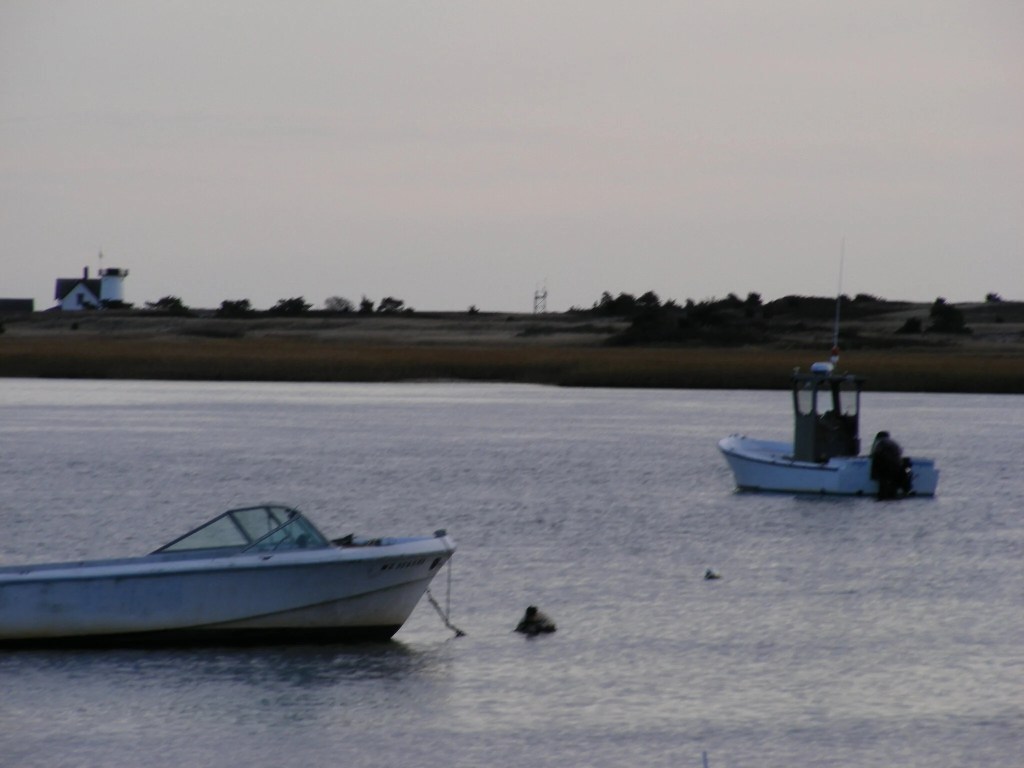
The combination of cold Atlantic waters and protected bay areas creates perfect conditions. These conditions help develop deep cups and sculptured hard shells. These conditions also create firm meats that have made Chatham oysters renowned in the industry 34.
Suggested Beverage Pairings
perfectly complements Chatham oysters’ salty and vegetal profile. The clean, crisp character of this pilsner provides a refreshing contrast while enhancing the oyster’s natural brine.
brings out the best in these meaty oysters. This Spanish white wine’s mineral notes and bright acidity create a harmonious balance with the oyster’s salinity.
offers an exceptional pairing thanks to its subtle cucumber notes. The gin’s botanical profile and clean finish enhance the oyster’s briny character without overwhelming its delicate flavors.
provides a crisp, refreshing counterpoint to Chatham oysters. The cider’s bright acidity and clean finish create an ideal palate-cleansing effect between bites.
matches beautifully with these oysters’ buttery notes. The wine’s rich texture and balanced acidity complement the oyster’s complex flavor profile while maintaining harmony on the palate.
Where Can I Buy Chatham Oysters?
- Island Creek Oysters – On their website, they offer a 100-count bag of Chatham oysters from Chatham, MA.
- Chatham Shellfish Company – They have been cultivating Chatham oysters on their lease site since 1976. Their oysters are available year-round. Chatham oysters can be purchased directly from their website.
- Shaw’s – This is an online marketplace the sells directly to customers and ships to their door.
References
- “Aquaculture Best Management Practices.” Massachusetts Division of Marine Fisheries, Department of Fish and Game, 2023.
- “Chatham Shellfish Company: Our Story.” Chatham Shellfish Company Official Records, 2023.
- “Commercial Shellfish Growing Areas.” Town of Chatham Municipal Records, Department of Natural Resources, 2023.
- “Environmental Impact Assessment: Chatham Waters.” Cape Cod Conservation Commission Annual Report, 2023.
- “Historical Records of Chatham.” Town of Chatham Historical Society Archives, 2022.
- “Local Aquaculture Operations.” Cape Cod Commercial Fishermen’s Alliance Database, 2023.
- “Massachusetts Shellfish Growing Areas: Water Quality Assessment.” Massachusetts Division of Marine Fisheries, 2023.
- “Native American History of Cape Cod.” Cape Cod Historical Commission, 2022.
- “Oyster Cultivation Methods.” Massachusetts Aquaculture Association Guidelines, 2023.
- “Shellfish Aquaculture Certification Standards.” Massachusetts Department of Agricultural Resources, 2023.
- “Sustainable Shellfish Practices.” Massachusetts Shellfish Growers Association Handbook, 2023.
- “Water Quality Monitoring Report: Oyster Pond.” Chatham Conservation Commission, 2023.
- “Wine and Spirits Pairing Guide.” Beverage Testing Institute, 2023.
Discover more from The Oyster Encyclopedia
Subscribe to get the latest posts sent to your email.