

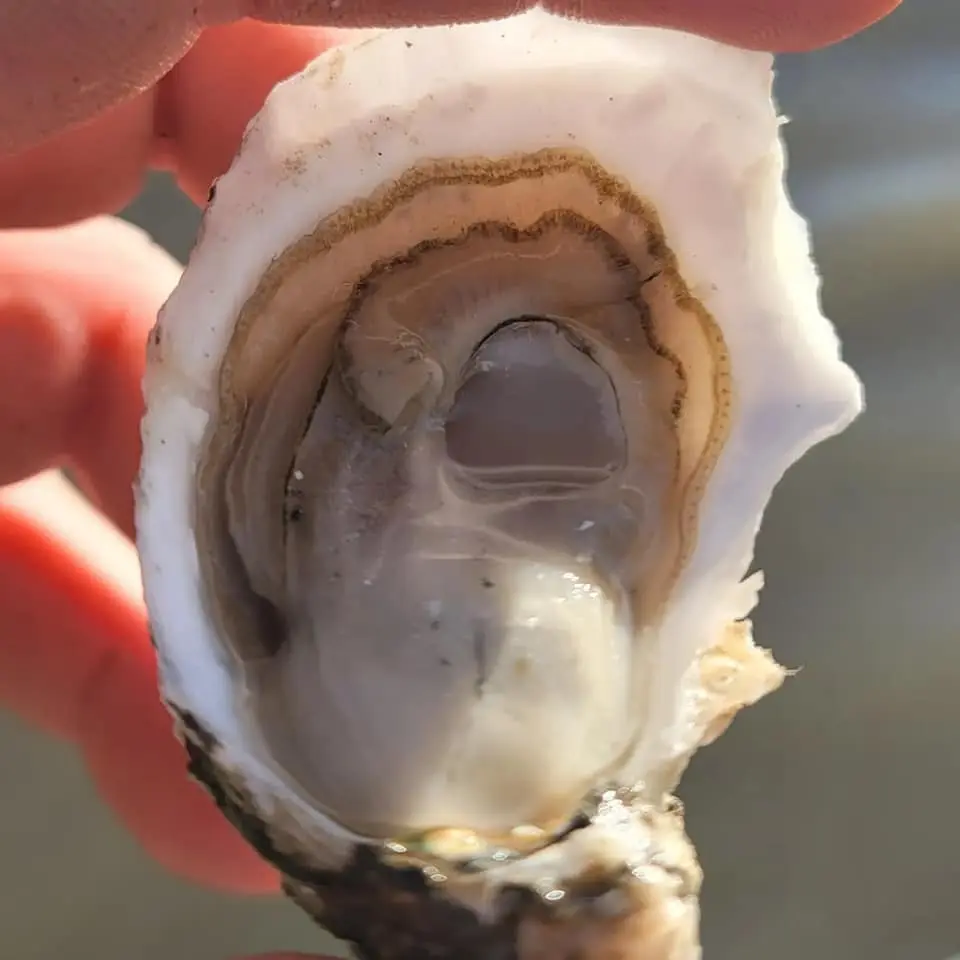

Chef’s Notes
Mason Bostwick · Executive Chef
Eastern oyster
Bayou Rosa — Bayou Rosa — Bold brine on dense Eastern oyster meat — a standout Louisiana farmed Virginica from off-bottom cages.
Flavor chart
Chef palate read
Shuckability
Shell & line performance
When I buy it
I order Pitre brothers tags from Lafourche Parish between October and April when wire-mesh cages yield marble-white shells.
How I serve it
On the half shell with minimal garnish — let the Gulf brine and meaty texture speak.
What to watch for
Look for firm hinge access on deep-cupped shells; reject any with broken cups or milky liquor.
My read
Bold brine on dense Eastern oyster meat — a standout Louisiana farmed Virginica from off-bottom cages.
What Are Bayou Rosa Oysters?
Bayou Rosa oysters stand out in the world of bivalves with their distinctive appearance and flavor profile. These Louisiana-grown oysters boast marble-white shells, setting them apart from their more common counterparts 4. Their meat can take on various forms, from a neat flower blossom shape to a plump, condensed appearance that seems to brace itself for the impending slurp.
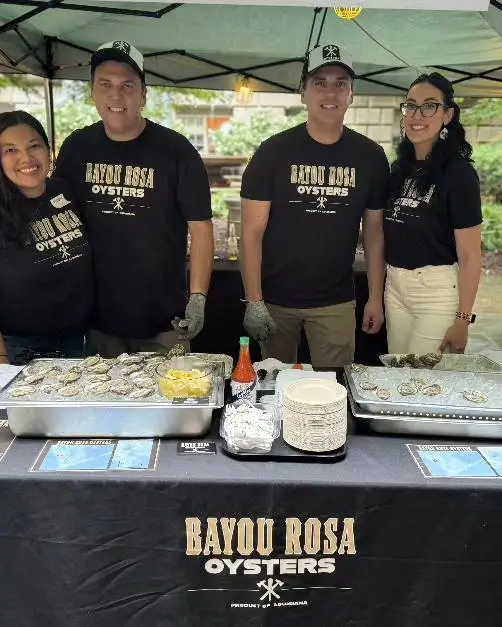
The taste of Bayou Rosa oysters is equally unique, offering a more intense flavor experience than typical Louisiana oysters. They present a meaty texture combined with a pronounced brininess, delivering a denser mouthfeel and higher salinity 4. This flavor profile makes them a standout choice for oyster enthusiasts seeking a more robust tasting experience.
In the realm of oyster cultivation, Bayou Rosa oysters represent a blend of tradition and innovation. The farmers behind these oysters are very interested in learning. They also compare their product to varieties from the East and West Coasts 5.
This commitment to understanding and improving their craft helps define the unique qualities of Bayou Rosa oysters. These qualities make them a noteworthy addition to the diverse world of Southern oysters. The Pitre brothers carry that spirit forward on their Lafourche Parish farm near Bayou Rosa.
How Did Bayou Rosa Oysters Get Their Name?
Bayou Rosa Oysters derive their name from a cherished location in Louisiana’s coastal waters. The farm is named after Bayou Rosa. It was the favorite place of Antoine “Whitney” Dardar, the grandfather of the current owners.
He used to harvest oysters in this location 212. This area is located off the coast of Lafourche Parish, Louisiana, where Bayou Lafourche flows into the open Gulf 3. The name “Bayou Rosa” carries significant family history and cultural importance:
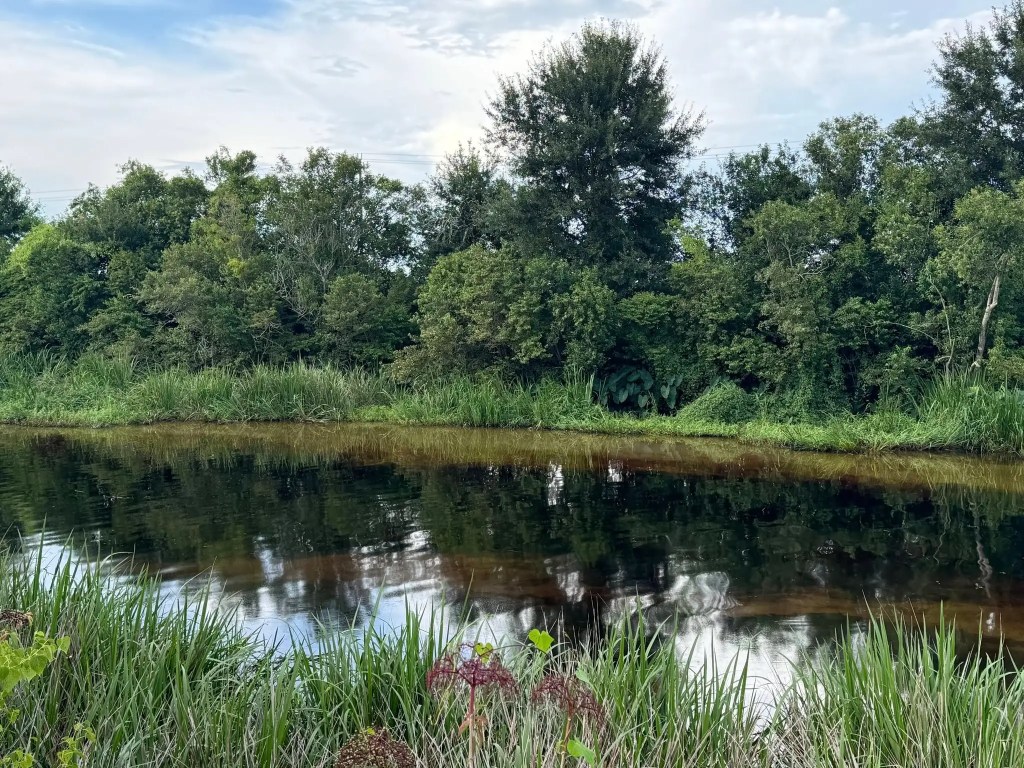
- Family Legacy: The Dardar family has been in the seafood business for over 80 years. The current generation is continuing their grandfather’s legacy 212.
- Cultural Significance: The name reflects the deep connection between the Cajun culture and the local waterways. Bayou Rosa was likely an important site for traditional oyster harvesting methods 3.
- Geographical Importance: Bayou Rosa is one of the many twists and turns. It is where Bayou Lafourche meets the Gulf. This creates ideal conditions for oyster growth 3.
About Bayou Rosa Oysters

Bayou Rosa Oysters is cultivated by the Pitre family, specifically brothers Jason and Josh Pitre, who are committed to continuing their family’s legacy in oyster farming. This fourth-generation operation is located near Bayou Rosa, where the waters of Bayou Lafourche meet the Gulf of Mexico. Their grandfather Antoine Whitney Dardar harvested wild oysters in these same coastal waters for decades.
The farm was named in honor of their grandfather, Antoine “Whitney” Dardar, who was a lifelong commercial fisherman and a member of the United Houma Nation. He instilled in them a deep appreciation for traditional oyster harvesting methods, which they now blend with modern aquaculture techniques. That heritage anchors every off-bottom cage they raise on the Lafourche Parish lease.
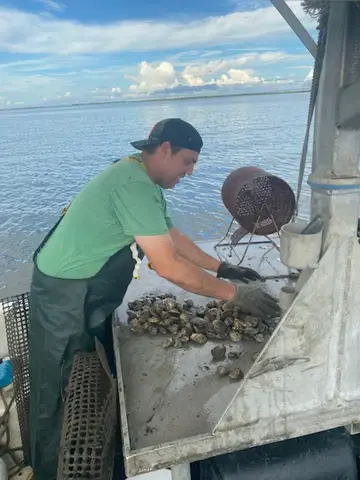
The Pitre brothers have adapted their farming practices to address environmental changes that have impacted traditional oyster beds. They utilize off-bottom cultivation methods, allowing them to grow oysters in enclosures at specific depths and locations. This approach not only enhances the oysters’ flavor and quality but also enables them to respond dynamically to changing water conditions.
Their commitment to sustainable practices has positioned Bayou Rosa Oysters as a premium choice among oyster connoisseurs, who appreciate the unique taste derived from the specific merroir of the region. Wire-mesh cages sit six inches to two feet off the seafloor, matching the culture method listed in their info box. That raised placement keeps shells clean and brine concentrated for raw-bar service.
The operation reflects a blend of heritage and innovation. By embracing new techniques while honoring their family’s history, the Pitre brothers ensure that Bayou Rosa Oysters remain a vibrant part of Louisiana’s seafood culture. Their dedication to quality and sustainability contributes to a growing market for cultivated oysters that offer distinct flavors and a sense of place, much like fine wines from specific vineyards
Follow Them
Visit Bayou Rosa Oysters to read the Pitre brothers’ story and book direct farm orders from their Lafourche Parish lease. The Local Palate profile covers Jason Pitre’s United Houma Nation heritage and the transition from Whitney Dardar’s wild harvest to floating cages. Follow @bayourosaoysters on Instagram for harvest updates and shellfish farming on Louisiana’s working coast. Their Bayou-to-You experience brings guests onto the farm for shucking lessons and dockside tastings.
Bayou Rosa Oysters Information

Eastern oyster
If you like Bayou Rosa oysters, then check out these similar varieties!
Location
Bayou Rosa Oysters are cultivated in the fertile waters near Bayou Lafourche. This area is where it flows into the Gulf of Mexico. It is off the coast of Lafourche Parish, Louisiana.
This area is a prime location for oyster farming. Its unique estuarine environment combines freshwater from the bayou with saltwater from the Gulf. This balance creates an ideal habitat for Eastern oysters. Crassostrea virginica thrives due to the necessary salinity and nutrient levels for healthy growth.
Environmental Factors
The dynamic salinity range is one key environmental factor supporting oyster growth here. It is typically between 10–30 ppt. This range is optimal for Eastern oysters. This balance minimizes stress on the oysters and reduces the risk of predators and diseases that are more common in extreme salinity conditions.
Steady tidal flows in this region ensure a constant supply of oxygen and phytoplankton, the primary food source for oysters. Those currents also flush out waste and debris that could hinder development. The farm’s 15–25 ppt salinity window listed in the info box sits comfortably inside that broader estuary range.
The nutrient-rich waters of Bayou Lafourche further enhance oyster prosperity. Runoff from surrounding freshwater sources delivers organic material that promotes phytoplankton blooms, providing an abundant food supply for oysters. The sediment composition and water clarity in this area also contribute to healthier oyster growth by supporting efficient filtration and reducing sediment build-up on their shells.

This location’s natural advantages are amplified by sustainable farming practices like off-bottom cultivation, which raises oysters in wire-mesh cages above the seafloor. This method ensures optimal water flow around the oysters and protects them from sedimentation and other environmental challenges. Together, these factors create a thriving environment that allows Bayou Rosa Oysters to develop their distinct briny flavor and robust quality.
This guide is part of the Raw Bar Bible — chef-level technique, safety, and gear so you can shuck and serve oysters with confidence.
Suggested Beverage Pairings
Rinomato Bianco Negroni Sbagliato adds Prosecco effervescence and gentle bitter edge to Bayou Rosa brine. Lighter than a classic Negroni, it frames Louisiana cup salinity without cloying sweetness. Sparkling cocktail for Gulf Coast raw service.
Da Luca Prosecco brings crisp bubbles to Bayou Rosa meaty Gulf texture. Light Italian acidity cuts through rich liquor while keeping oceanic flavor forward. Affordable sparkling option for Louisiana oyster bars.
Noble Ale Works Big Whig IPA stands up to Bayou Rosa intense Gulf salinity with hop bitterness. Citrus notes complement briny opening on Louisiana virginica cups. Local craft IPA for bold raw-bar pairings.
Lapostolle Clos Apalta Rosé offers dry Chilean fruit beside Bayou Rosa creamy texture. Subtle berry notes enhance natural cup sweetness without overpowering delicate liquor. Provençal-style rosé for warm Gulf evenings.
Villa Maria Sauvignon Blanc adds grassy citrus to Bayou Rosa high salinity. Marlborough acidity refreshes between rich Louisiana bites on the half shell. New Zealand white built for assertive Gulf cups.
Where Can I Buy Bayou Rosa Oysters?
You can buy Bayou Rosa Oysters from the following sources:
- Bayou Rosa Oyster Farms — Contact Jason and Josh Pitre at (985) 665-1276 or order directly from their Lafourche Parish farm website.
- Porgy’s Seafood Market — Mid-City New Orleans seafood market and kitchen that highlights Louisiana farm tags including Bayou Rosa on the half shell.
- King Brasserie & Bar — Downtown New Orleans brasserie inside Kimpton Hotel Fontenot featuring Gulf oysters when Bayou Rosa is on the raw-bar list.
- Bayou-to-You Experience — Book the Pitre brothers’ farmer-led tour with dockside shucking and oysters harvested from their off-bottom cages.
References
- Bayou Rosa Oysters. “Home.” Bayou Rosa Oysters, www.bayourosaoysters.com. Accessed 12/27/24.
- Bayou Rosa Oysters. Instagram, @bayourosaoysters, www.instagram.com/bayourosaoysters/. Accessed 12/27/24.
- Bayou Rosa Oysters. Facebook, www.facebook.com/bayourosaoysters/. Accessed 12/27/24.
- Krawdaddy Krewd. “Home.” Krawdaddy Krewd, www.krawdaddykrewd.com. Accessed 12/27/24.
Discover more from The Oyster Encyclopedia
Subscribe to get the latest posts sent to your email.