


Chef’s Notes
Mason Bostwick · Executive Chef
Eastern oyster
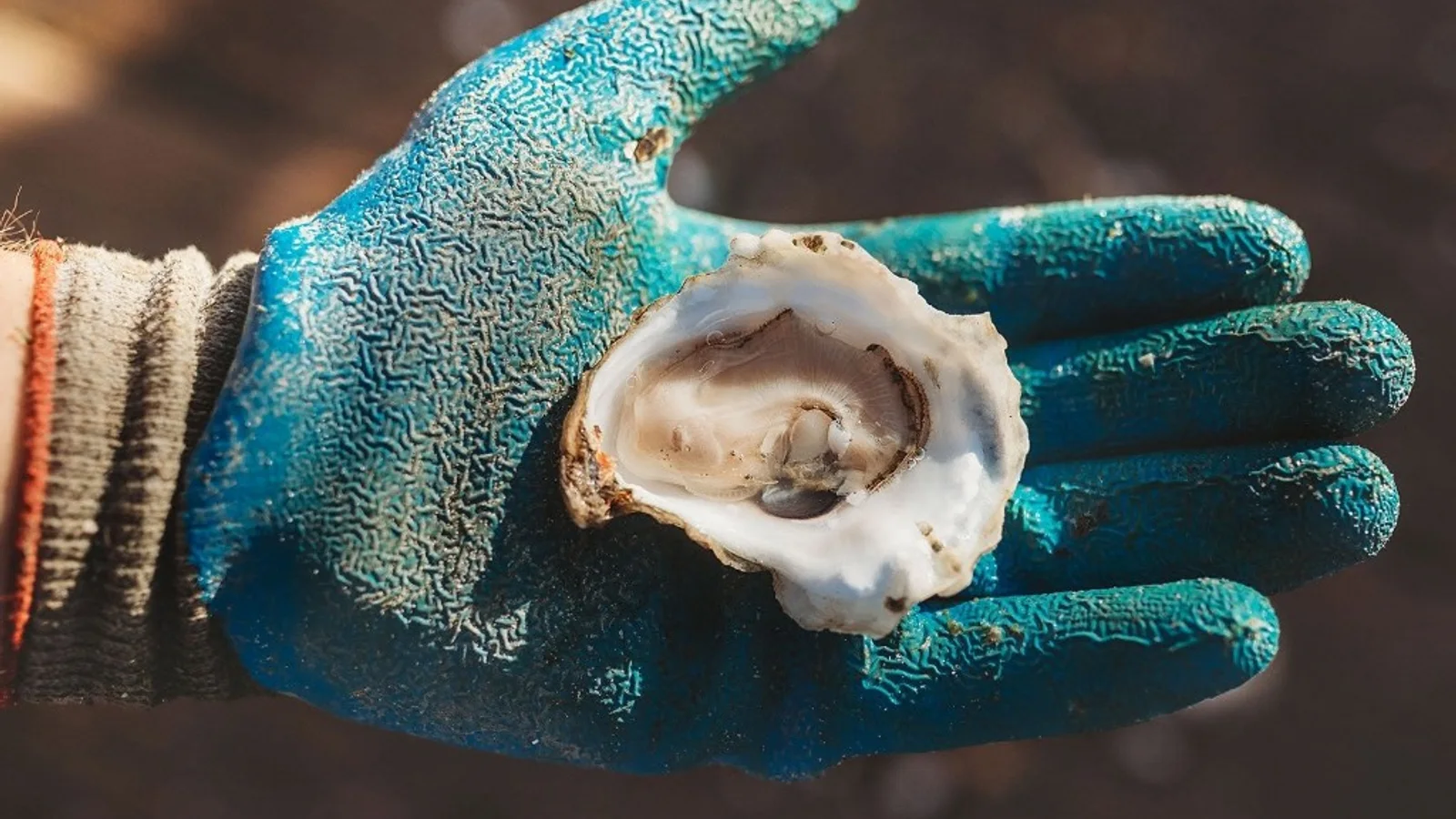
Aunt Dotty’s — Skip Bennett’s Saquish Neck Eastern oyster, named for his aunt Dotty. Tray culture at the bay mouth builds dense cups with salty nori brine. I reach for them when I want… seaweed open that resolves into nutty, bitter-walnut depth.
Flavor chart
Chef palate read
Shuckability
Shell & line performance
When I buy it
Ask for Aunt Dotty bands tied to Skip Bennett and Saquish Neck, not a generic Duxbury mix. Confirm the Island Creek week when the SKU is a limited drop.
How I serve it
Plate on crushed ice with virgin liquor intact. Skip heavy mignonette so Saquish nori brine and nutty finish stay clear. Menu copy can name Aunt Dotty and the bay mouth.
What to watch for
Warm-month spawn can milk Eastern liquor even on cold Duxbury Bay flats. Shorten hold times midsummer. After hard storms, taste a sample before locking the flight.
My read
Aunt Dotty’s is Skip Bennett’s boutique Saquish Neck story. Tray culture and winter cellar storage set it apart from many floating Duxbury lines. I call for it when I want salt first, then walnut.
What Are Aunt Dotty’s Oysters?
Aunt Dotty’s Oysters are an Eastern oyster line from Skip Bennett’s Saquish Neck farm at the mouth of Duxbury Bay. The name honors Dotty Bennett, Skip’s aunt. Farmers grow oysters in trays on tidal flats with long tides that expose beds three to four hours twice daily. Grow-out runs about three years before harvest.
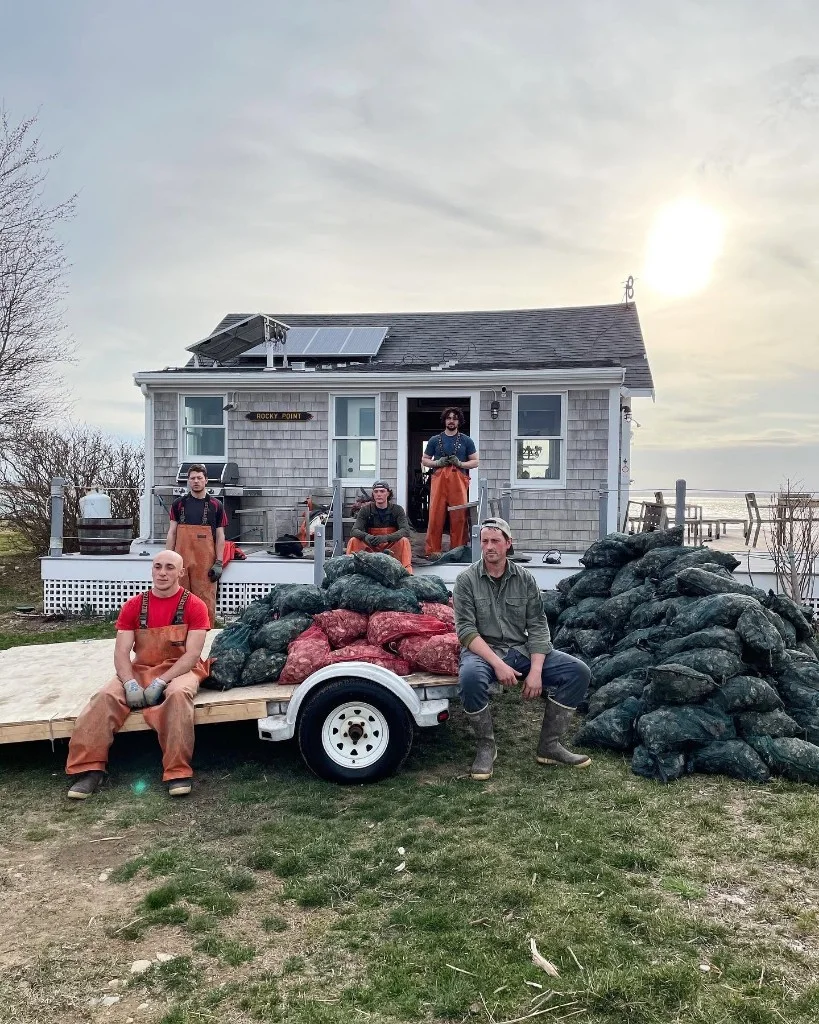
The crew can reach the farm by truck from Saquish Beach. Distribution often flows through Island Creek Oysters as a limited partner SKU. On the half shell, tasters report intensely salty nori-and-seaweed brine that mellows into rich nutty sweetness with bitter-walnut depth. Petite cups hold dense meats for a toothsome bite.
All stock is Crassostrea virginica. Tray culture at the bay mouth yields a flavor arc distinct from floating Duxbury lines a short boat ride away. Limited seasonal drops mean availability shifts through the year rather than a standing wholesale SKU. Partner sheets cite dense meats and an easy shuck despite petite cup size.
How Did Aunt Dotty’s Oysters Get Their Name?
The Aunt Dotty name memorializes Skip Bennett’s aunt Dotty, the original resident of the Bennett family cottage at Saquish. In the 1940s Dotty and her husband lived entirely off the grid. They had no running water or electricity while raising six children. Her husband was a lobsterman; after he passed, Dotty kept the family business going on her own. Island Creek partner copy describes her as hearty, tenacious, and special.
The oyster line now carries that family story on carton bands and chef sheets. The label is personal and geographic rather than a cultivar or shell-color descriptor. Skip Bennett named the trade line for the aunt who held the cottage and business together. Distributors use Aunt Dotty when the Saquish Neck lot rotates through partner channels.
About the Saquish Neck Farm
Skip Bennett grows Aunt Dotty’s on Bennett family land and marshes at Saquish Neck. The site sits at the mouth of Duxbury Bay in Massachusetts. Partner copy says the land has been in the family for generations. Legend holds that the deed once needed translation from Old English. Aunt Dotty’s is the inaugural offering here; Skip plans clams and scallops later.
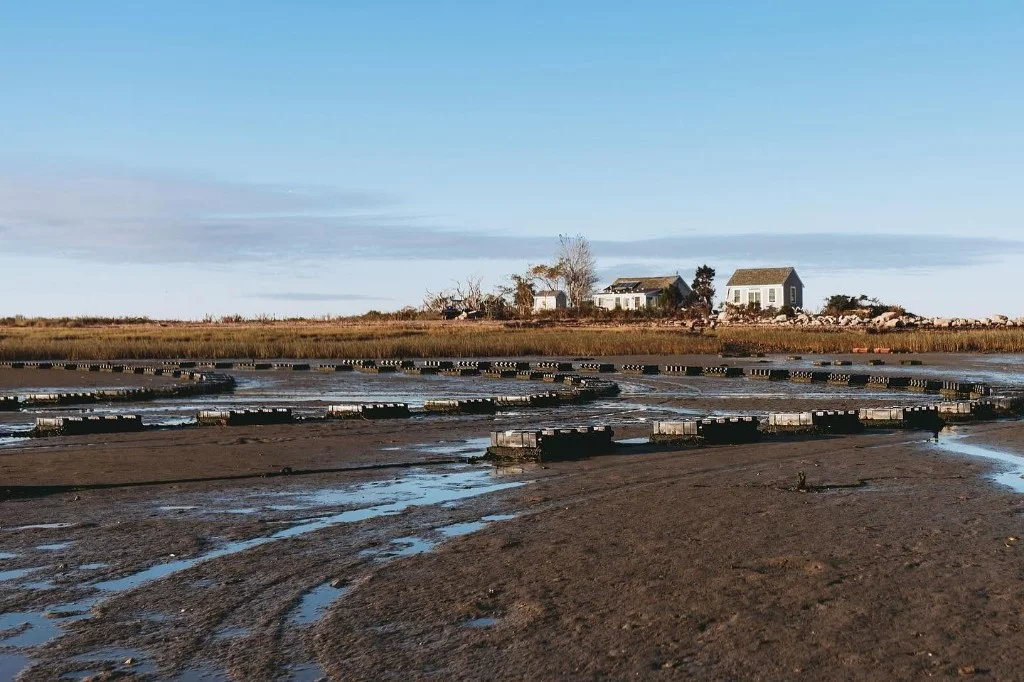
The farm uses trays on tidal flats with long bay-mouth tides. Trays sit exposed two times a day for three to four hours. That window lets the crew harvest all year. Crews can also reach the flats by truck from Saquish Beach. That access sets Saquish apart from deeper Duxbury leases that freeze out in winter.
Every December the crew pulls oysters from the water to avoid freeze damage. They store the stock in burlap bags in Skip’s cottage cellar, feet from the flats. In April the oysters return to trays to finish grow-out. Grow-out runs about three years to market size near 2.5 inches. Island Creek Oysters sells the line as a limited partner SKU when lots rotate.
Follow Them
Follow Aunt Dotty’s through Island Creek Oysters’ Aunt Dotty product page for farmer notes and drops. Read grower context on the Island Creek About Us page. Ask Island Creek chef direct when the Saquish SKU is in rotation. Confirm Aunt Dotty bands tied to Skip Bennett and Saquish Neck before you lock a flight.
The Cultivation Process
Seed graduates to trays on Saquish Neck tidal flats rather than deep floating bags. Long tides at the mouth of Duxbury Bay expose trays twice daily for three to four hours. Harvest crews can work the flats in those windows. Truck access from Saquish Beach supplements boat runs for crew logistics. Grow-out runs about three years before market size near 2.5 inches.
Winter cellar storage in burlap bags protects stock from freezing when flats would otherwise expose oysters to cold air. In April oysters return to trays to finish grow-out before harvest. Purge and chill follow standard Massachusetts wholesale practice once oysters leave Saquish. Hands-on handling stays with a small crew rather than industrial volume lines.

Aunt Dotty’s Oysters Information

Eastern oyster
If you like Aunt Dotty’s Oysters, then check out these similar varieties!
Location
The farm sits at Saquish Neck on the mouth of Duxbury Bay, Massachusetts. Saquish lies roughly twenty minutes by boat from Island Creek’s Duxbury Bay lines yet yields a vastly different flavor profile. Bennett family cottage and cellar storage sit feet from the tidal flats. Truck access from Saquish Beach distinguishes this site from deeper bay leases that freeze out winter harvest.
Long tidal cycles at the bay mouth expose trays twice daily for extended work windows. Storm runoff and bay sediment can affect nearshore flats after heavy weather. Chefs should taste a sample cup after nor’easters even when lot tags read Saquish. Exposed flats at the bay mouth mean tide windows drive daily harvest planning.
Environmental Factors
Tray culture on exposed flats interacts directly with tidal sediment and air temperature. Winter removal to cottage cellar avoids freeze damage on exposed beds. Eastern oyster spawn biology still applies in warm months regardless of culture method. Respect Massachusetts sanitary closures and distributor advisories before raw service.
Suggested Beverage Pairings
Whale’s Tale Pale Ale cuts Aunt Dotty’s salty nori open with crisp Cape hops. Soft malt keeps Skip Bennett’s nutty Saquish finish readable. Serve cold beside tray-culture cups from the bay mouth.
Truro Diamond White brings Outer Cape fruit beside Aunt Dotty’s Duxbury Bay brine. Bright acidity resets seaweed savor without burying bitter-walnut depth. A local white for Saquish Neck half-shell flights.
Mayflower Golden Ale from Plymouth lifts Aunt Dotty’s dense tray meats with clean New England malt. Light bitterness scrubs Saquish salinity between petite cups. Keep it colder than cellar so nori liquor stays front.
La Pépie Muscadet mirrors Aunt Dotty’s salinity with lemon-stone drive. Melon-free citrus keeps Skip Bennett’s nutty close from turning heavy. Classic oyster Muscadet for Saquish Neck bands.
Lustau Peninsula Palo Cortado echoes Aunt Dotty’s bitter-walnut finish with nutty oxidative depth. A short cold pour bridges salty nori open and sweet resolve. Dry sherry, not a syrupy cobbler, beside Saquish trays.
Where Can I Buy Aunt Dotty’s Oysters?
You can buy Aunt Dotty’s Oysters from the following sources:
- Island Creek Oysters — Aunt Dotty’s from Saquish — Partner product page with farmer, site, and grow-out detail for Skip Bennett’s Saquish Neck lot.
- Island Creek Oysters — chef direct — Wholesale and restaurant PO route when the Aunt Dotty’s SKU is in seasonal rotation.
- Browne Trading Company — Portland, Maine distributor sourcing Northeast farm oysters including Massachusetts South Shore tags when listed.
- Fortune Fish & Gourmet — Regional seafood distributor carrying New England farm oysters; ask for Saquish Neck or Aunt Dotty bands when available.
This guide is part of the Raw Bar Bible — chef-level technique, safety, and gear so you can shuck and serve oysters with confidence.
References
- Island Creek Oysters. Aunt Dotty Oysters from Saquish, MA — partner product page. Accessed 10 Aug. 2026. https://shop.islandcreekoysters.com/products/aunt-dottys
- Island Creek Oysters. 50 Aunt Dottys / 50 Row 34 Package — salinity note (~6/10). Accessed 10 Aug. 2026. https://shop.islandcreekoysters.com/products/50-aunt-dotties-50-row-34-package
- Cole, K. M., et al. “The effect of off-bottom versus on-bottom oyster culture on total and pathogenic Vibrio spp. abundances…” International Journal of Food Microbiology, 2022. Duxbury Bay salinity reported ~27.3 ppt and higher vs Wellfleet. https://www.sciencedirect.com/science/article/abs/pii/S0168160522003427
- McNamara, Annie. “What It’s Like to Be an Oyster Farmer.” Food52, 2015. Saquish / Aunt Dottie farm context. https://food52.com/story/15660-what-it-s-like-to-be-an-oyster-farmer
- NOAA Fisheries. Eastern oyster (Crassostrea virginica) overview. Accessed 10 Aug. 2026. https://www.fisheries.noaa.gov/species/eastern-oyster
Discover more from The Oyster Encyclopedia
Subscribe to get the latest posts sent to your email.