


Chef’s Notes
Mason Bostwick · Executive Chef
Pacific oyster
Treasure Cove — Treasure Cove — Notable sweetness — clean and clean shells. A solid tumbled pacific oyster.
Flavor chart
Chef palate read
Shuckability
Shell & line performance
When I buy it
Look for Treasure Cove Oysters in peak season when salinity peaks.
How I serve it
On the half shell with minimal garnish — let the oyster speak.
What to watch for
Full brine with clean finish. Reject any with broken shells or milky liquor.
My read
Notable sweetness — clean and clean shells. A solid tumbled pacific oyster.
What Are Treasure Cove Oysters?
Treasure Cove oysters are farmed Pacific oysters from Case Inlet in southern Puget Sound, Washington. Growers at Emerald Acres Oyster Farm tide-tumble seed before beach-finishing shells along Treasure Island shores. Market size averages near three inches with year-round availability from the Riley family operation.
On the half shell Treasure Cove opens with moderate Puget Sound brine and a sweet, clean finish. Salinity near twenty-eight parts per thousand balances refreshing salt with soft, plump meats. The profile suits raw bars that want a polished South Sound Pacific cup.
Tide tumbling and beach rolling build deep cups with rippled gray, red, and greenish-brown shells. Plump meats sit in generous liquor for half-shell presentation. Treasure Cove remains a well-known Washington line on Seattle seafood counters and West Coast oyster lists.
How Did Treasure Cove Oysters Get Their Name?
Treasure Cove oysters take their trade name from Treasure Island in Case Inlet on southern Puget Sound. The Riley family planted their first oyster and clam beds near that shoreline in nineteen ninety-one. Buyers read the label as a South Sound provenance marker tied to the farm’s home waters.
The name signals premium quality discovered in a sheltered cove rather than open coast harvest. Local growers adopted Treasure Cove to distinguish this beach-finished Pacific line from generic Puget Sound tags. Together the name helps chefs identify Emerald Acres stock on distributor sheets.
Treasure Island geography anchors the brand to Allyn, Washington, growing grounds east of Olympia. Case Inlet’s nutrient-rich embayment supports the tide-tumbled culture that shapes each cup. The naming reflects both place and the Riley family’s long aquaculture commitment.
About Emerald Acres Oyster Farm
Emerald Acres Oyster Farm grows Treasure Cove oysters on tidelands overlooking southern Puget Sound near Allyn, Washington. Kevin Riley shifted from a technology career into aquaculture and built the farm with his family after nineteen ninety-one. Case Inlet’s sheltered waters and plankton-rich currents create ideal Pacific oyster habitat year-round.
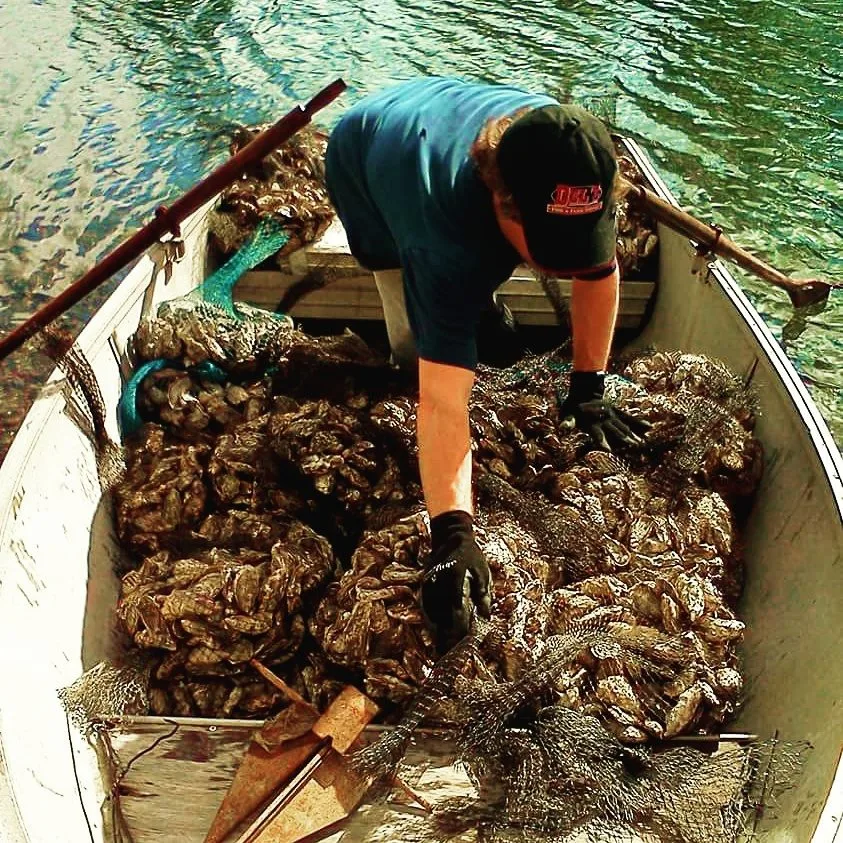
The farm tide-tumbles oysters before beach rolling to deepen cups and polish shells. Kevin Riley supplies Seattle chefs and markets including Pike Place Fish Market, where Treasure Cove oysters gained national visibility. During the pandemic he expanded farm visits through Hipcamp to share the South Sound experience with guests.
Soft, plump meats and a salty-sweet finish keep Treasure Cove on Pacific Northwest raw-bar lists. Visitors can follow the farm on Instagram or learn more at the Emerald Acres Oyster Farm website. Sustainable beach culture and direct farm storytelling remain central to the brand.
Treasure Cove Oysters Information

Pacific oyster
If you like Treasure Cove Oysters, then check out these similar varieties!
Location
Treasure Cove oysters grow in Case Inlet within southern Puget Sound near Allyn, Washington. The farm sits east of Olympia along Treasure Island Drive on sheltered South Sound tidelands. Cool Pacific water and strong tidal exchange feed phytoplankton across beach-culture leases.
Salinity near twenty-eight parts per thousand and mild South Sound temperatures shape Treasure Cove flavor. Freshwater inputs from nearby creeks mix with Pacific salt through each tidal cycle. Beach finishing along Treasure Island shores polishes shells between harvest grades.
Washington shellfish managers classify Case Inlet under state growing-area rules for farmed harvest. Growers coordinate icing and handling to protect meat texture through summer heat. That discipline keeps Treasure Cove oysters on approved lists for raw service year-round.
Proximity to Seattle distribution routes supports quick refrigerated turnover after harvest days. South Sound geography limits heavy swell while preserving mineral influence in each cup. Those logistics help Treasure Cove oysters reach West Coast raw bars within days of picking.
Suggested Beverage Pairings
Creature Comforts Tropicália IPA adds passionfruit, papaya, and grapefruit beside Treasure Cove brine. Hoppy bitterness and effervescence cleanse the palate between shells. The tropical IPA suits guests who want beer with South Sound Pacific cups.
Scribe Winery skin-fermented Chardonnay brings savory, nutty orange-wine character against sweet meats. Tannic structure complements the oyster’s rich mid-palate and clean finish. Serve lightly chilled for the sharpest contrast on raw-bar service.
Creature Comforts Athena Berliner Weisse offers tart lemon acidity and a crisp, dry finish. Low alcohol keeps the pairing refreshing through a full dozen shells. A splash of woodruff syrup can add sweet-tart lift for adventurous guests.
Ameztoi Txakolina from Spain’s Basque Country brings spritz, citrus, and saline minerality beside Puget Sound brine. High acidity mirrors the oyster’s clean finish without masking sweetness. This white suits wine lovers at Pacific Northwest raw bars.
The Wild Beer Co. Epic Saison adds herbal, peppery farmhouse notes with oak-aged complexity. Dry finish and gentle acidity counter creamy meats between bites. The beer pairs reliably with beach-finished Washington Pacific oysters.
Where Can I Buy Treasure Cove Oysters?
- Pike Place Fish Market – Pike Place Fish Market in Seattle features Treasure Cove oysters and ships live dozens nationwide through Goldbelly when inventory allows.
- Emerald Acres Oyster Farm – Emerald Acres Oyster Farm sells Treasure Cove oysters direct from the Case Inlet growing grounds in southern Puget Sound, Washington.
- Goldbelly – Goldbelly lists Pike Place Fish Market Treasure Cove oysters for overnight delivery to most U.S. addresses when West Coast supply is available.
- Hipcamp – Hipcamp hosts farm-stay experiences at Emerald Acres where guests can taste Treasure Cove oysters fresh from Case Inlet beaches.
References
- Emerald Acres Oyster Farm. Web. Accessed 30 May 2026. http://www.emeraldacresoysters.com/PRODUCT.html
Discover more from The Oyster Encyclopedia
Subscribe to get the latest posts sent to your email.