


Chef’s Notes
Mason Bostwick · Executive Chef
Pacific oyster
Sea Cow — Sea Cow — Strong minerality — earthy and salty. A solid tumbled pacific oyster.
Flavor chart
Chef palate read
Shuckability
Shell & line performance
When I buy it
Look for Sea Cow Oysters in april when salinity peaks.
How I serve it
On the half shell with minimal garnish — let the oyster speak.
What to watch for
Full brine with creamy finish. Reject any with broken shells or milky liquor.
My read
Strong minerality — earthy and salty. A solid tumbled pacific oyster.

What Are Sea Cow Oysters?
Sea Cow oysters are farmed Pacific oysters from Hammersley Inlet in South Puget Sound, Washington. South Sound Mariculture raises them in suspended tumble bags over eighteen to twenty-four months. Market size runs three to four inches with year-round availability when harvest areas remain open.
On the half shell Sea Cow opens with sweet, funky depth and earthy salinity. Creamy meats carry bold mineral notes and a long seaweed finish near twenty-eight parts per thousand salinity. The profile suits adventurous raw-bar guests who want Puget Sound merroir beyond crisp Hood Canal cups.
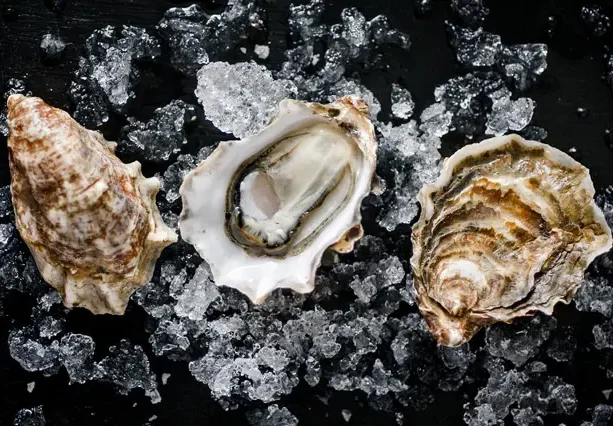
Shells show deep cups with rough gray-brown exteriors and pearly white interiors. Daily tumbling builds furrowed bottom shells often compared to a cat’s paw shape. Hama Hama Company distributes the line as a flagship tumbled cup from Hammersley Inlet leases.
How Did Sea Cow Oysters Get Their Name?
Sea Cow oysters take their name from Steller’s sea cow, a massive Pacific marine mammal. That slow-moving herbivore could reach thirty feet and weigh ten tons before commercial hunting. It was driven to extinction in the late 1700s across its North Pacific range.
Growers chose the Sea Cow label as a tribute to that extinct Pacific species. The name marks tumbled Pacific cups from Hammersley Inlet with rich, earthy flavor. Hama Hama and South Sound Mariculture use the trade name on tags and wholesale sheets.
About South Sound Mariculture
South Sound Mariculture is a family-operated oyster farm in Hammersley Inlet, Shelton, Washington. The Hansen family grows select tumbled Pacific oysters, including Sea Cow, Sea Nymph, and Phoenix varieties. Suspended mesh cylinders tumble with daily tides to shape deep cups over eighteen to twenty-four months.
The Hansen family follows sustainable aquaculture practices for local and export markets. Puget Sound water-quality events in 2017 briefly affected regional farms, including South Sound Mariculture. The farm continues operating with stewardship focused on clean inlet water and premium Northwest half-shell quality.
Sea Cow Oysters Information

Pacific oyster
If you like Sea Cow Oysters, then check out these similar varieties!
Location
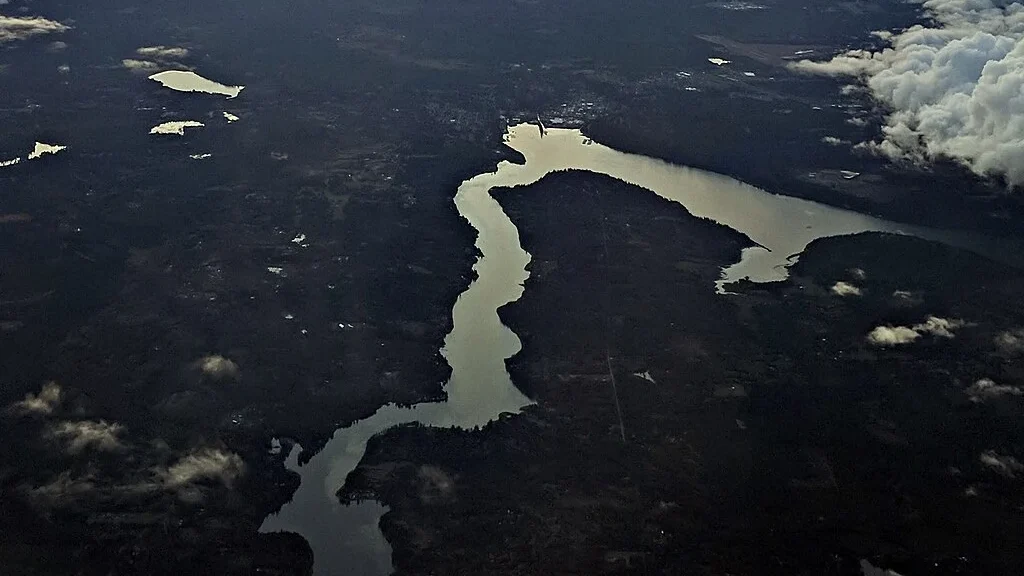
The Hansen family at South Sound Mariculture cultivates Sea Cow oysters in Hammersley Inlet, Shelton, Washington. This nutrient-rich South Puget Sound estuary supports steady Pacific oyster growth through daily tidal exchange. Fresh and saltwater mix creates moderate salinity suited to tumble-bag culture.
Nearby rivers and streams feed algae and nutrients that oysters filter through the inlet. Tidal patterns in Hammersley Inlet flush water and help maintain shellfish growing areas. That flow supports full meats and clean liquor in finished Sea Cow cups.
Suspended tumble bags roll with tides four times daily across Hansen family leases. That method strengthens shells and concentrates flavor in deep-cupped Pacific oysters. Salinity near twenty-eight parts per thousand defines the Sea Cow cup on Northwest raw bars.
Glacier-cut inlets across South Puget Sound create long, protected grow-out channels for mariculture. South Sound Mariculture shares Hammersley Inlet with other working waterfront farms. Those site conditions make Sea Cow a sought-after tumbled cup beyond Hood Canal programs.
Suggested Beverage Pairings
Le Mesnil Blanc de Blancs adds crisp acidity beside Sea Cow’s creamy Puget Sound meats. Fine bubbles cleanse the palate between funky, earthy shells. Serve very cold for classic raw-bar service.
Allagash Black brings roasted malt depth to Sea Cow’s sweet, funky cup. Dark beer body balances bold mineral bite without masking seaweed finish. It suits guests who prefer ale over wine at the bar.
A Negroni Sbagliato balances bitter and sweet notes against rich Hammersley Inlet liquor. Sparkling wine lift cuts brine while citrus keeps earthy finish bright. Serve over ice beside freshly shucked cups.
Muscadet Sèvre et Maine offers lean minerality and brisk acid for tumbled Pacific oysters. The Loire white keeps salinity forward on creamy Sea Cow meats. It pairs reliably with Northwest seafood platters.
Foggy Ridge Serious Cider adds dry apple acidity against Sea Cow’s earthy salinity. Refreshing structure contrasts funky depth without sweet cloying. It works well for cider-focused raw-bar lists.
Where Can I Buy Sea Cow Oysters?
- Hama Hama Oyster Company – Hama Hama distributes Sea Cow oysters online and at its Hood Canal farm store when inventory allows.
- South Sound Mariculture – South Sound Mariculture farms Sea Cow oysters in Hammersley Inlet and connects buyers with Hansen family harvest through its Shelton-area operation.
- Taylor Shellfish Farms – Taylor Shellfish Farms sells Washington-grown oysters through its online shop and regional retail locations across Puget Sound.
- Wild Salmon Seafood Market – Wild Salmon Seafood Market in Washington carries South Puget Sound oysters for retail buyers seeking Hammersley Inlet cups when in season.
Stay Connected with The Oyster Encyclopedia!
Follow us on social media to get the latest updates, oyster recipes, and behind-the-scenes glimpses into the world of oysters:
Stay tuned for exclusive content, oyster trivia, and more! Engage with our vibrant community of oyster enthusiasts by liking, commenting, and sharing our posts. Your support helps us continue providing valuable oyster knowledge to fellow seafood lovers worldwide.
References
- Hama Hama Oyster Company. “Sea Cow Oyster Profile.” Web. Accessed 15 Jun 2026. https://hamahamaoysters.com/pages/sea-cow-oyster-profile
- South Sound Mariculture. Web. Accessed 15 Jun 2026. http://southsoundoysters.com/
- Wikipedia contributors. “Hammersley Inlet.” Wikipedia, The Free Encyclopedia. Web. Accessed 15 Jun 2026. https://en.wikipedia.org/wiki/Hammersley_Inlet
- NOAA National Ocean Service. “Tides and Water Levels: Variations.” Web. Accessed 15 Jun 2026. https://oceanservice.noaa.gov/education/tutorial_tides/tides06_variations.html
Discover more from The Oyster Encyclopedia
Subscribe to get the latest posts sent to your email.