

Quick Facts
- Origin: Cultivated in the East Passage of Narragansett Bay, Rhode Island.
- Flavor Profile: Starts with a blast of salt, followed by slightly sweet and firm meat, with a clean oceanic finish.
- Appearance: Round, deep “bear paw” shape with an orange-hued shell, typically 3 to 3.5 inches in size.
- Cultivation Method: Farmed using long-line suspended oyster trays in deep water for 18-24 months.
- Availability: Harvested year-round, ensuring consistent supply for oyster enthusiasts.
What Are Quonset Point Oysters?
Quonset Point oysters are a unique and highly sought-after variety known for their distinct characteristics and exceptional flavor profile. The farmers manage the cultivation of these oysters in the East Passage of Narragansett Bay, Rhode Island, carefully. They do this to ensure a sustainable crop. The strong tides in this location wash billions of microscopic plankton over the long-line suspended oyster trays. This provides a lush food supply that enhances their distinct taste.
One of the standout features of Quonset Point oysters is their shape. They are known for their round, deep “bear paw” shape, which sets them apart from other oyster varieties. This unique shape is a result of their careful selection and cultivation process. Additionally, Quonset Point oysters are known for their briny flavor, which is both salty and mild.
What truly sets Quonset Point oysters apart is their exceptional quality and consistency. They are regarded as one of the “Number One” oysters in Rhode Island. Their flavor profile often starts with a blast of salt. It is followed by slightly sweet and firm meat, and finishes with an oceanic note. This unique combination of flavors and textures has earned them a loyal following among oyster connoisseurs.

How Did Quonset Point Oysters Get Their Name?
Quonset Point oysters derive their name from the location where farmers cultivate them. This place is Quonset Point, a small peninsula in Narragansett Bay, Rhode Island. The Quonset hut, first manufactured at this location, is also associated with this name.
The oysters are grown in the East Passage of Narragansett Bay. They are known for their distinct flavor profile and shape. Their shape is characterized by deep cups and a salty taste.
About American Mussel Harvesters
American Mussel Harvesters, Inc. (AMH) was founded in 1986 with humble beginnings, starting with just one phone, truck, and mussel boat. The company established a few core ideas and committed to providing high-quality shellfish. Over the years, AMH has become one of North America’s largest producers of mussels, expanding its offerings to include clams and oysters.

AMH operates farms in Narragansett Bay and Rhode Island Sound, where they cultivate their shellfish using sustainable and ecologically sensitive practices. The company has formed strategic alliances with independent shellfish farmers, allowing them to focus on growing while AMH handles the marketing and distribution. This collaboration ensures a steady supply of fresh, flavorful shellfish that meets the high standards of their Restaurant Ready® line.
The company’s commitment to sustainability extends to its processing facilities, which have significantly reduced freshwater consumption and implemented water recirculation systems. AMH’s dedication to quality and sustainability has made it a trusted supplier for restaurants and seafood enthusiasts, providing live shellfish that are both delicious and environmentally friendly
Stay up-to-date on when these sought-after oysters will be released by following American Mussel Harvesters on Facebook and Instagram. You won’t miss your chance to get a batch of these rich, briny beauties with their distinctive dark shells and harmonious blend of bold and sweet flavors. Head to their website now to learn more about Midnight Kiss and American Mussel Harvesters’ full range of premium oyster varieties. Don’t let this fleeting opportunity to experience oyster perfection pass you by!
Quonset Point Oysters Information
Oyster: Quonset Point
Species: Eastern Oyster (Crassostrea virginica)
Cultivation Method: Farmed for 18-24 months.
Size: 3 – 3 ½”
Seasonality: Year-round availability
Culture Method: Long-line suspended oyster trays in deep water
Salinity:28-32 ppt
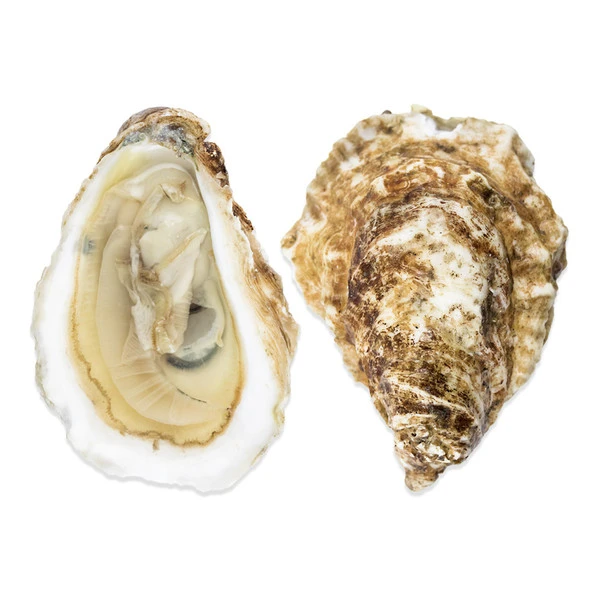
Appearance: These shells have a round, deep-cupped shape resembling a “bear paw” and feature a moderate size with an orange hue.
Flavor Profile: They have a blast of salt, followed by a slightly sweet and firm meat and an oceanic finish that is both clean and long-lasting
If you like Quonset Point oysters, then check out these similar varieties!
- Lavaca Bay Oysters
- Navy Cove Oysters
- Pelican Reef Oysters
- Perky Sea Cup Oysters
- Salty Sebastian Silvers Oysters
Location
The farmers cultivate Quonset Point oysters in the East Passage of Narragansett Bay, Rhode Island. This location is particularly beneficial for oyster growth due to several environmental factors. The strong tides in the East Passage wash billions of microscopic plankton over the long-line suspended oyster trays. This provides a lush food supply for the oysters. The nutrient-rich environment allows the oysters to filter the water and multiply.
The nutrient-rich waters of the East Passage are ideal for oyster cultivation. The bay’s unique combination of fresh and saltwater creates a habitat supporting diverse marine life. This habitat has a significant phytoplankton population that serves as the primary food source for oysters. Local regulatory agencies also carefully monitor its water quality to ensure that it remains suitable for shellfish growth.
The East Passage’s geography also plays a significant role in supporting oyster growth. The passage is a deep gorge formed by glacial action. It has depths of up to 188 feet near the mouth of the East Passage. This depth allows for a consistent flow of water and nutrients. Such flow is essential for the health and growth of the oysters. The bay’s proximity to the Atlantic Ocean also ensures a constant supply of saltwater necessary for the oysters’ survival.
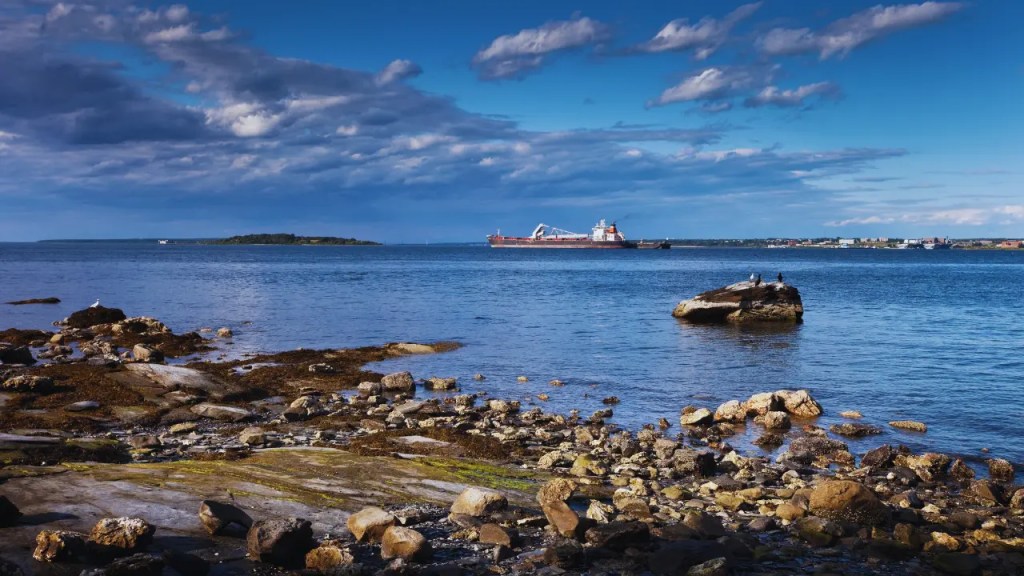
The strong tides, nutrient-rich waters, and unique geography make the East Passage of Narragansett Bay ideal for oyster cultivation. These environmental factors contribute to the exceptional quality and flavor of Quonset Point oysters.
Suggested Beverage Pairings
- Champagne Delamotte NV Blanc de Blancs – This champagne matches Quonset Point oysters well. Its bracing citrus notes complement the oysters’ briny flavor. Meanwhile, its melon and yeastiness enhance the overall freshness and minerality of the dish.
- Hanssens Artisanal Oude Gueuze Lambic -This Belgian sour beer is an excellent pairing for Quonset Point oysters. Its racy acidity and yeastiness cut through the oysters’ richness and enhance their minerality.
- Hendrick’s Gin Martini – A Hendrick’s Gin Martini is a good pairing for Quonset Point oysters. Mainly because of the gin’s foresty juniper core and herbal notes. These flavors contrast pleasantly with the oysters’ briny flavor. At the same time, the martini’s crispness enhances the overall freshness of the dish.
- Gilbert ChonClos de la Chapelle 2013 Muscadet – This Muscadet wine pairs well with Quonset Point oysters. It has a combination of saltiness, acidity, and citrus notes, which seamlessly complement the briny flavor of the oysters. This combination enhances their freshness as well.
- Negroni Sbagliato (With Extra Prosecco) – This Negroni Sbagliato is a good pairing for Quonset Point oysters. Its bubbly, lightly bitter, and not-too-sweet flavor profile complements the oysters’ briny and fresh flavors. At the same time, the prosecco adds a refreshing and crisp element to the pairing.
Where Can I Buy Quonset Point Oysters?
- American Mussel Harvesters: Offers Quonset Point Oysters in 25-count packages for $31.25.
- Marx Foods: Sells Quonset Point Oysters in 100-count packages for $187, with free shipping.
- Farm-2-Market: Offers Quonset Point Oysters from Salt Water Farms, with availability year-round.
- 1000 Ecofarms: Sells Quonset Point Oysters in 12-count packages for $10.80, with delivery and pickup options available.
Stay Connected with The Oyster Encyclopedia!
Follow us on social media to get the latest updates, oyster recipes, and behind-the-scenes glimpses into the world of oysters:
Stay tuned for exclusive content, oyster trivia, and more! Engage with our vibrant community of oyster enthusiasts by liking, commenting, and sharing our posts. Your support helps us continue providing valuable oyster knowledge to fellow seafood lovers worldwide.
References
- American Mussel Harvesters. “Quonset Point Oysters.” American Mussel Harvesters, www.americanmussel.com/products/oysters/quonset-point-oysters/. Accessed 14 Dec. 2024.
- Salt Water Farms. “Our Story.” Salt Water Farms, www.saltwaterfarms.com/our-story/. Accessed 14 Dec. 2024.
- Rhode Island Sea Grant. “Aquaculture in Rhode Island.” Rhode Island Sea Grant, seagrant.gso.uri.edu/topics/aquaculture/aquaculture-in-rhode-island/. Accessed 14 Dec. 2024.
- Narragansett Bay Estuary Program. “The State of Narragansett Bay and Its Watershed.” Narragansett Bay Estuary Program, 2017, nbep.org/the-state-of-our-watershed/. Accessed 14 Dec. 2024.
- Rhode Island Department of Environmental Management. “Shellfish Aquaculture in Rhode Island.” Rhode Island Department of Environmental Management, www.dem.ri.gov/programs/agriculture/aquaculture.php. Accessed 14 Dec. 2024.
Discover more from The Oyster Encyclopedia
Subscribe to get the latest posts sent to your email.