

Quick Facts
- Native Irish oysters (Ostrea edulis) are slow-growing and take 4-5 years to mature34.
- They develop a distinct buttery, nutty flavor with firm flesh36.
- Rossmore Oysters has been family-run since 1969, based near Cork, Ireland56.
- The oysters are cultivated in nutrient-rich, protected waters ideal for oyster breeding56.
- Rossmore’s breeding program has helped restore and sustain the native oyster population45.
What Are Native Irish Oysters?
Irish native oysters, known scientifically as Ostrea edulis, stand apart for their deep connection to Ireland’s ancient coastal ecosystems. These oysters thrive in a unique blend of wild Atlantic waters, clean freshwater rivers, and mineral-rich runoff from unspoiled landscapes. The combination of abundant plankton and exceptional growing conditions gives Irish native oysters a meatiness and flavor complexity that is difficult to replicate elsewhere 6.
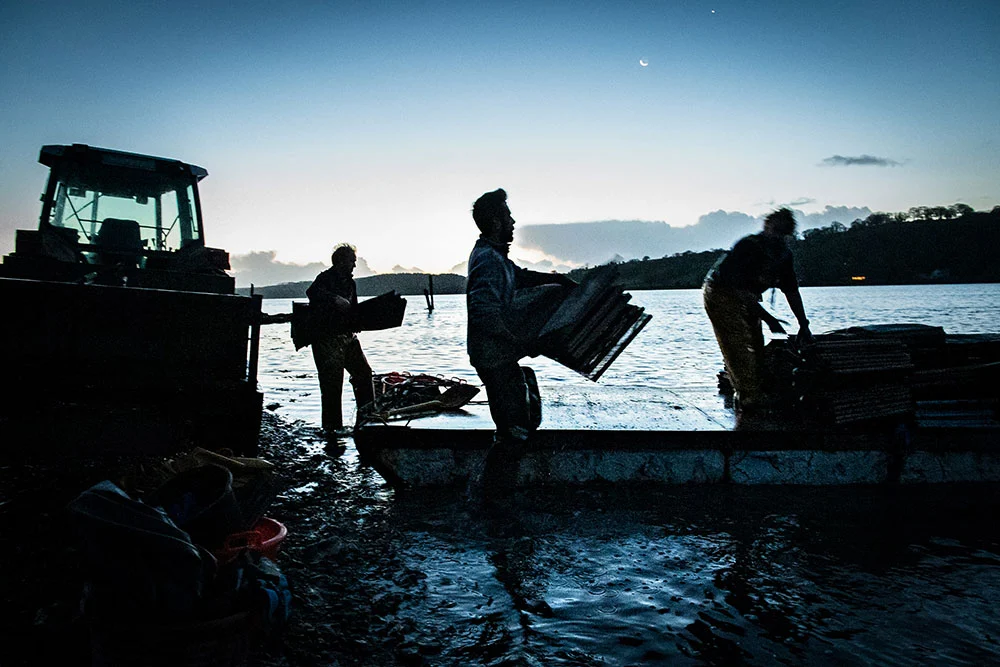
Unlike faster-growing Pacific or rock oysters, Irish natives mature slowly and are highly sensitive to their environment. Their seasonal availability, dictated by natural spawning cycles, means they are only harvested when at their peak quality. This slow growth and reliance on pristine habitats contribute to a rich, nuanced taste that reflects the specific bay or estuary where they are found. Each oyster captures the essence of its home waters, producing a distinctive “merroir”—the marine equivalent of terroir in wine 56.
The legacy of Irish native oysters also carries a cultural weight. Oysters have been a staple in Ireland for over 4,000 years, with ancient beds still producing today. The tradition of harvesting these oysters connects modern producers and consumers to a long lineage of coastal stewardship and culinary appreciation. This history, combined with their rarity and the challenges of cultivation, makes Irish native oysters a true delicacy and a living link to Ireland’s maritime heritage 56.
How Did Irish Native Oysters Get Thier Name?
Irish native oysters derive their name from both their species and their deep connection to Ireland’s natural and cultural heritage. The scientific name for the native oyster is Ostrea edulis, which distinguishes it from other oyster varieties found in Irish waters, such as the Pacific oyster (Magallana gigas) and the now-rare Portuguese rock oyster (Crassostrea angulata)3. The term “native” specifically refers to oysters that are indigenous to European waters and have thrived along the Irish coastline for thousands of years.
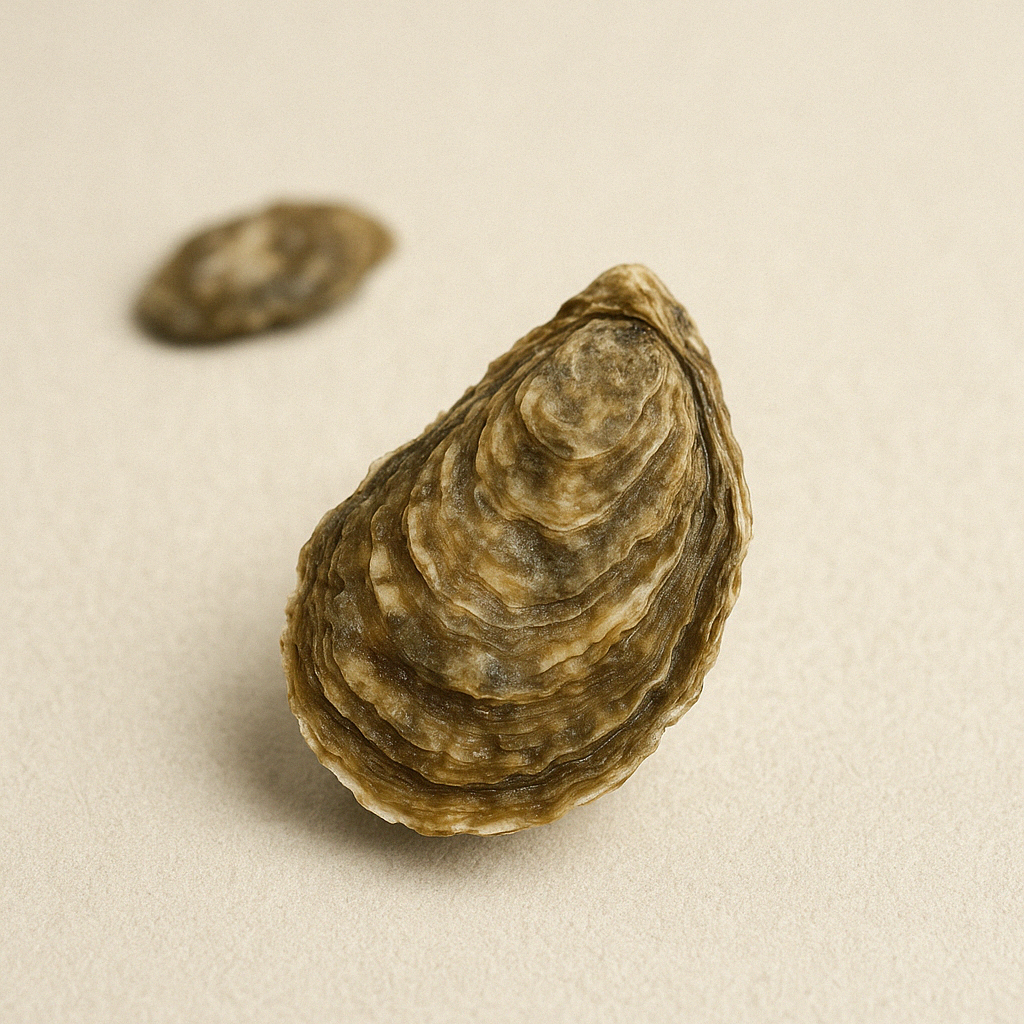
The Irish language name for oyster is “oisre,” reflecting the oyster’s longstanding presence in the region’s history and cuisine 3. Archaeological evidence shows that oysters have been a staple food in Ireland since the late Mesolithic period, with shell middens found along the coast. Over centuries, the native oyster became a symbol of local abundance and was celebrated in Irish food culture.
About Rossmore Oysters
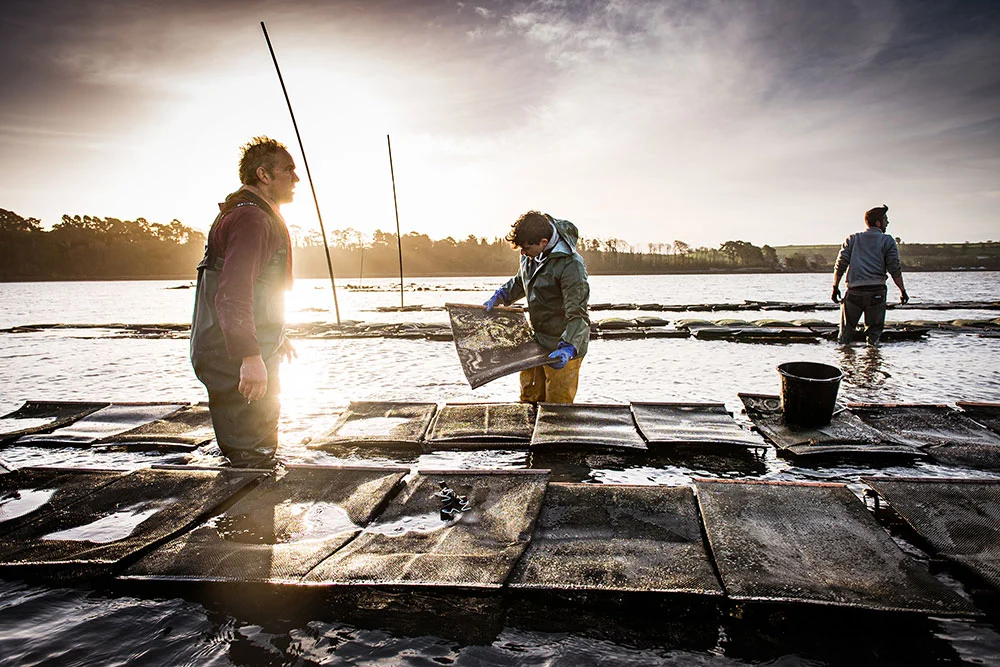
Rossmore Oysters operates Ireland’s only dedicated native oyster farm, located along the Belvelly Channel since 1969. The company was founded by David Hugh-Jones, who pioneered a unique pond-based aquaculture system inspired by pre-war research from Wales. This system uses 22 large ponds, each lined with mussel shells, to provide a safe environment for oyster larvae to attach and grow during their vulnerable first year. This method not only protects the young oysters from being washed out to sea but also gives each Rossmore oyster a distinct identifier—a fragment of mussel shell fused to its back 4.

The farm is now managed by David’s sons, Rupert and Tristan Hugh-Jones. Rupert oversees daily operations and is a familiar face at local markets, while Tristan manages native oyster fisheries in Scotland and Cornwall. Rossmore Oysters faced a major setback when the bonamia disease wiped out nearly all their native oysters in the 1980s. Instead of giving up, the family identified disease-resistant survivors and began a selective breeding program. This approach has made Rossmore a leader in developing resilient native oyster stocks, and their efforts have recently resulted in successful natural spawning in their ponds for the first time 4.
Rossmore’s operating model combines innovation, tradition, and environmental stewardship. After their initial growth in the ponds, oysters are transferred to the estuary to mature on the seabed, where they help build complex reef ecosystems. The company also collaborates closely with University College Cork, using decades of data to refine their practices and monitor biodiversity. Their beds now support over 80 species of flora and fauna, reinforcing Rossmore Oysters’ role as both a commercial producer and a champion of marine restoration 4.
Follow Them
Discover more about Rossmore Oysters by visiting their official website and following their social media profiles. Stay updated on their sustainable farming practices, new harvests, and the latest news from Ireland’s only dedicated native oyster farm. Connect with Rossmore Oysters online and experience the story behind each oyster, straight from the source
Native Irish Oysters Information
Oyster: Irish Native Oyster
Species: European Flat Oyster (Ostrea edulis)
Cultivation Method: Farmed and wild-finished; 4-5 years to maturity
Size: 2-4 inches
Seasonality: Autumn to spring
Culture Method: Farmers collect wild native spat or breed larvae in protected ponds, then transfer juveniles to estuarine beds. Oysters mature naturally on the seabed for several years before harvest.
Salinity: 30-35 ppt

Appearance: Irish native oysters have thick, round, and slightly flattened shells with a rough, ridged surface. The interior is smooth and pearly white. The oyster meat is plump, creamy, and often ivory or light beige.
Flavor Profile: a meaty, firm texture with a pronounced brininess and a lingering mineral finish. Their flavor is crisp and clean, with subtle notes of iodine and a gentle sweetness that balances the salt. Many describe them as having a delicate succulence, making each bite both refreshing and deeply savory.
If you like Irish Native Oysters, then check out these similar varieties!
Location
Farmers cultivate Irish native oysters along sheltered estuaries, tidal inlets, and bays on Ireland’s southern and western coasts. Notable sites include Cork Harbour, Galway Bay, and the Belvelly Channel.
These locations offer a balance of clean, cold Atlantic seawater and nutrient-rich freshwater from rivers and streams. This blend creates an ideal environment for oyster growth and supports the development of the oyster’s unique flavor and texture.
The environmental factors that support oyster growth in these areas are diverse. Stable salinity levels, typically between 30 and 35 parts per thousand, provide the consistency oysters need to thrive. The presence of fertile mudflats and sandy seabeds gives oysters a secure place to anchor and feed. These habitats are rich in phytoplankton, which serves as the primary food source for growing oysters.
Sheltered waters protect oysters from harsh wave action and extreme weather, reducing stress and mortality among juvenile and adult oysters. The gentle tidal flows ensure a steady supply of oxygen and nutrients, while also helping to remove waste products. These conditions allow oysters to grow slowly and develop robust shells and complex flavors.
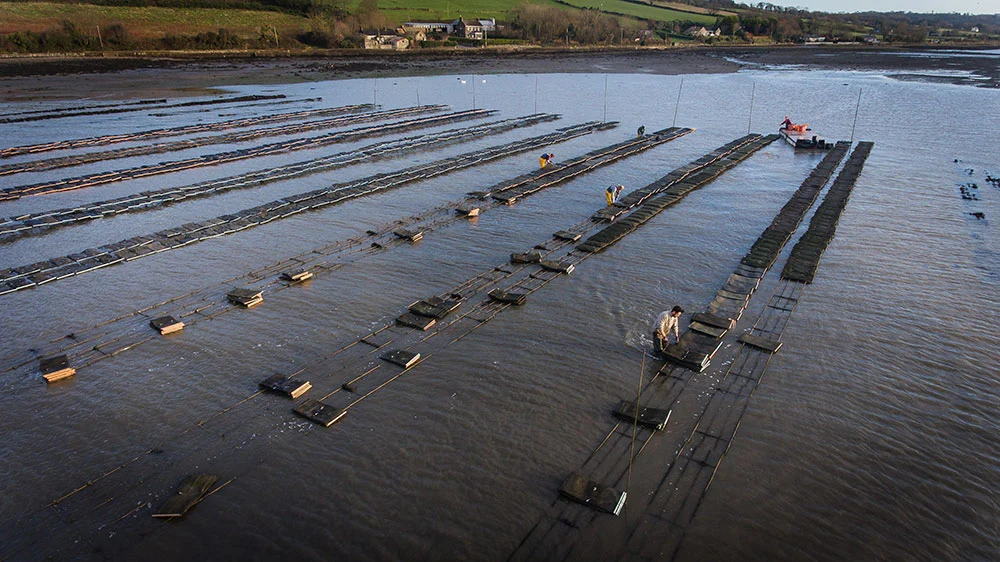
The combination of pristine water quality, abundant natural food, and minimal pollution makes these Irish coastal sites especially beneficial for oyster prosperity. The careful management of these environments by farmers ensures the long-term health of both the oyster populations and the surrounding marine ecosystem.
Suggested Beverage Pairings
- Moët & Chandon Brut Imperial Champagne – This Champagne’s crisp bubbles and subtle yeasty notes elevate the briny and nutty flavors of Irish native oysters. The effervescence refreshes the palate and highlights the oyster’s creamy texture, making each bite feel clean and bright.
- Domaine de la Pépière Muscadet Sèvre et Maine – Muscadet’s high acidity and citrus-driven profile mirror the salinity of native oysters. Its mineral backbone and green fruit flavors enhance the oysters’ sea-fresh taste, resulting in a harmonious and classic pairing.
- Guinness Draught Stout – Guinness provides a smooth, creamy contrast to the oyster’s briny, mineral notes. The stout’s roasted bitterness and slight caramel undertones balance the oyster’s salinity, creating a traditional Irish combination that is both rich and refreshing.
- Hendrick’s Gin Martini – A martini made with Hendrick’s Gin, finished with a twist of lemon peel, brings botanical complexity and subtle cucumber notes that accentuate the oyster’s delicate flavors. The cold, crisp spirit cuts through the brine, amplifying the oyster’s sweetness and minerality.
- Talisker 10-Year-Old Single Malt Scotch Whisky – Talisker’s smoky and briny character mirrors the oceanic flavors of Irish native oysters. Adding a splash of this whisky to the oyster or sipping alongside intensifies the maritime notes and adds a bold, warming finish to the tasting experience.
Where Can I Buy Irish Native Oysters?
- Kelly Oysters – Kelly Oysters offers wild native Irish flat oysters, hand-selected and shipped directly from Galway Bay. Their online shop features baskets and boxes of fresh oysters, dispatched by courier early in the week for 1-2 day delivery. Orders are carefully packed to ensure freshness and minimum order and delivery charges apply.
- Rossmore Oysters – Rossmore Oysters supplies premium native oysters, including their own and Loch Ryan Native Oysters, through their online store. Oysters are shipped in traditional wooden boxes and delivered overnight across the UK, ensuring they arrive fresh and ready to enjoy.
- Achill Oysters – Achill Oysters sells native oysters grown in the pristine waters of Achill Island, Ireland. Their oysters come straight from certified Class A waters and are shipped directly to your door for maximum freshness. Delivery can be tailored to your requirements, and the oysters arrive tasting as if just harvested from the ocean.
- Sustainable Seafood Ireland – Sustainable Seafood Ireland features Rossmore Oysters, available for purchase by the dozen or individually. Orders are shipped chilled, and the oysters are sourced from an idyllic, nutrient-rich inlet in Cork Harbour, farmed by the Hugh-Jones family since 1969.
Stay Connected with The Oyster Encyclopedia!
Follow us on social media to get the latest updates, oyster recipes, and behind-the-scenes glimpses into the world of oysters:
Stay tuned for exclusive content, oyster trivia, and more! Engage with our vibrant community of oyster enthusiasts by liking, commenting, and sharing our posts. Your support helps us continue providing valuable oyster knowledge to fellow seafood lovers worldwide.
References
- “Loch Ryan Native Oysters – The Oyster Encyclopedia.” Oyster Encyclopedia, 10 Apr. 2025, https://oysterencyclopedia.com/encyclopedia/loch-ryan-native-oysters/.
- “Rossmore Oyster Farm.” Oysters.co.uk, https://oysters.co.uk/pages/rossmore-oyster-farm.
- “Cork family lead native oyster restoration.” The Echo, 17 June 2024, https://www.echolive.ie/corklives/arid-41417611.html.
- “Rossmore oyster short research film with UCC.” YouTube, 24 July 2023, https://www.youtube.com/watch?v=g-TG-fAl1gs.
- “Kelly Native Oyster.” Kelly Oysters, 27 Sept. 2024, https://kellyoysters.com/kelly-oysters/the-kelly-galway-native-flat-oyster/.
- “Kelly Native Oyster.” Oysterater, https://www.oysterater.com/oyster/kelly-native/.
- “Aw shucks! Fall In Love with Achill Oysters.” Good Food Ireland, 1 Feb. 2022, https://goodfoodireland.ie/aw-shucks-fall-in-love-with-achill-oysters/.
- “Why Guinness Extra Stout tastes so good with oysters.” Irish Central, 19 June 2023, https://www.irishcentral.com/culture/food-drink/guinness-oysters.
- “How to Pair Oysters with Wine and Serve them at Home.” Carolyn Covington, 18 Oct. 2023, https://carolyncovington.com/the-best-wines-to-pair-with-oysters/.
Discover more from The Oyster Encyclopedia
Subscribe to get the latest posts sent to your email.