

Quick Facts
- Morecambe Bay Oysters are farmed in the nutrient-rich waters of Morecambe Bay, UK 56.
- They are cultivated using the traditional bag and trestle method for optimal growth 45.
- These oysters are known for their fresh, salty flavor and high minerality 6.
- Morecambe Bay Oysters have achieved Aquaculture Stewardship Council (ASC) accreditation for sustainable farming 58.
- The farm is the largest oyster hatchery in the UK and a leader in innovative aquaculture practices 58.
What Are Morecambe Bay Oysters?
Morecambe Bay Oysters stand out for their remarkable connection to the vast tidal flats and ever-changing waters of Morecambe Bay. This environment creates a unique interplay of mineral-rich currents and saline influences, which impart a distinct character to the oysters. The bay’s dynamic ecosystem encourages robust shell growth and a refined, briny flavor profile that sets these oysters apart from others cultivated in less active marine settings 6.
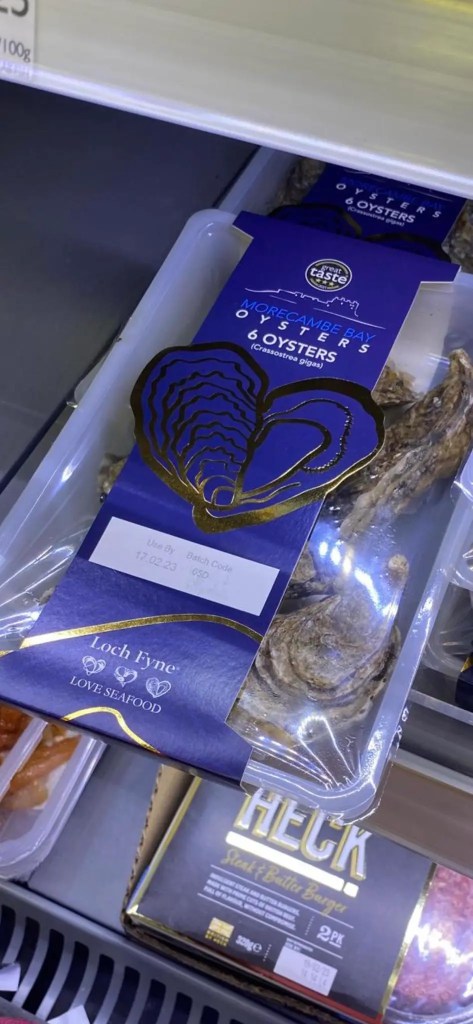
The cultivation process for Morecambe Bay Oysters also contributes to their uniqueness. Farmers rear oyster seed on Walney Island, utilizing over 40 acres of salt lagoons and sand workings adjacent to the bay. This approach not only supports sustainable aquaculture but also allows for precise control over oyster development, resulting in consistently high quality and a texture that is both firm and silky 57.
In addition, Morecambe Bay Oysters benefit from a long-standing tradition of oyster farming that dates back to the early 1980s. The farm’s evolution from a re-stocking operation to one of Europe’s largest oyster nurseries demonstrates a commitment to innovation and excellence. This heritage, combined with the bay’s natural bounty, ensures that Morecambe Bay Oysters deliver an eating experience that is truly one-of-a-kind 5.
How Did Morecambe Bay Oysters Get Their Name?
Morecambe Bay Oysters are named after the bay where they are cultivated. Morecambe Bay, located on the northwest coast of England, is renowned for its vast tidal ranges and rich marine life. The bay’s name has become synonymous with oysters that embody the unique qualities of this special environment 56.
The tradition of naming oysters after their place of origin is common in the seafood industry. It highlights the importance of terroir—or in this case, “merroir”—in shaping the oyster’s characteristics. The Morecambe Bay name assures consumers of the oyster’s provenance and the high standards upheld by local farmers 5.
About The Farm
Morecambe Bay Oysters are cultivated by Associated Seafoods, a leading aquaculture company based in the UK. The company operates the largest oyster hatchery in the country and manages its nursery and primary growing operations on Walney Island, located at the western edge of Morecambe Bay. Associated Seafoods has built a reputation for innovation and sustainability, earning the prestigious Aquaculture Stewardship Council (ASC) accreditation for its responsible farming practices 5689.
The company’s history stretches back to the early 1980s, when oyster seed rearing began on Walney Island as an extension of a South East England fishery founded in 1883. Over the decades, Associated Seafoods has expanded its operations, developing over 40 acres of salt lagoons and sand workings to support large-scale oyster cultivation. Today, it supplies both hatchery seed and part-grown oysters to the wider shellfish industry, cementing its place as Europe’s largest oyster nursery 410.
Operating dynamics at the company focus on environmental stewardship and efficiency. The farm uses seawater from Morecambe Bay to nurture oyster seed in a controlled nursery before moving them offshore for further growth. The team employs the traditional bag and trestle method, regularly grading and handling oysters to ensure optimal size and health. Their approach avoids harmful chemicals and relies on natural plankton as feed, allowing the business to maintain high standards of quality while supporting the health of the local ecosystem.

Follow Them
Discover more about Morecambe Bay Oysters by visiting their official website for the latest updates, product details, and behind-the-scenes insights. Follow their social media profiles to stay connected with farm news, harvest stories, and special offers. Join their online community and experience the world of Morecambe Bay Oysters firsthand!
Morecambe Bay Oysters Information
Oyster: Morecambe Bay Oyster
Species: Pacific Oyster (Magallana gigas), also known as Crassostrea gigas
Cultivation Method: Farmed; oysters grow for 2–3 years before harvest
Size: N.2 size, typically about 2–3 inches; average weight is around 60g
Seasonality: Year-round availability
Culture Method: Farmers use the traditional bag and trestle method.
Salinity: 30–35 ppt
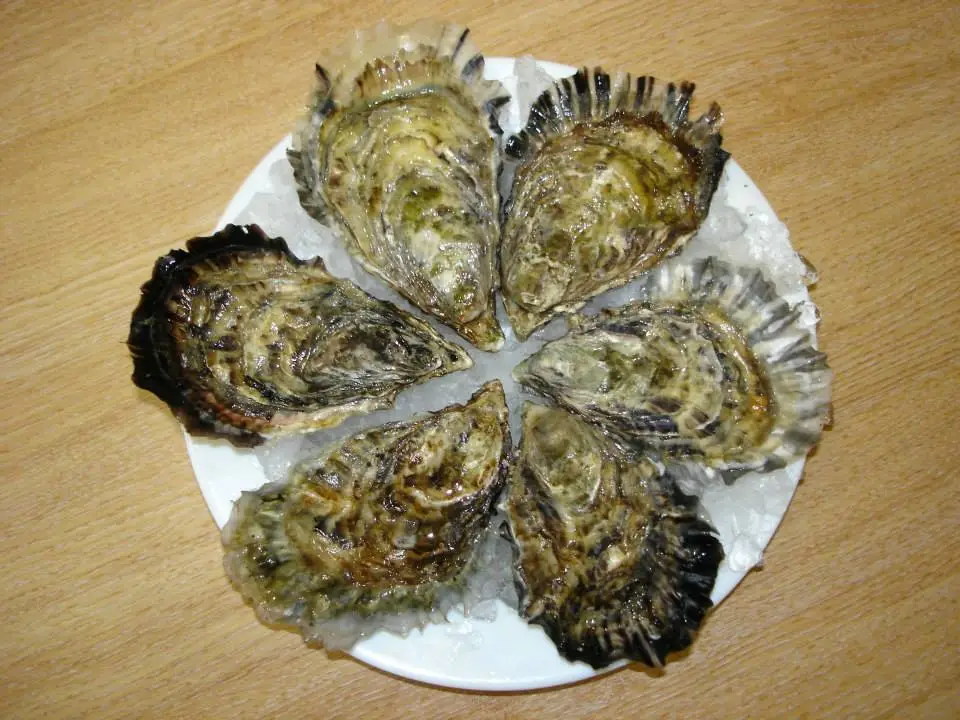
Appearance: deep-cupped shells that are compact and solid. Their shells often appear dark or black when young, gradually lightening as they mature. The meat inside is plump and creamy in color, giving them a fresh and appealing look.
Flavor Profile: a fresh, briny taste with a pronounced salty finish. Their flavor is clean and mineral-driven, with subtle sweetness and a lingering oceanic note. The texture is firm yet silky, enhancing the overall tasting experience.
If you like Morecambe Bay Oysters, then check out these similar varieties!
Location
Farmers cultivate these oysters along the intertidal sandflats at the western edge of Morecambe Bay, near Walney Island on England’s northwest coast.
This location is uniquely suited for oyster farming, with over 40 acres of salt lagoons and sand workings that provide an expansive and nutrient-rich environment for the oysters to grow 57. The proximity to the Irish Sea ensures a constant influx of clean, cold water, which is essential for healthy oyster development and robust shell formation 68.
The bay’s powerful tidal range and strong currents play a crucial role in supporting oyster growth. These natural forces bring a steady supply of fresh plankton and oxygen, which are vital for oyster nutrition and overall health 56. The constant movement of water also prevents sediment from settling on the oysters, reducing the risk of disease and promoting clean, well-shaped shells. This dynamic environment encourages oysters to develop a firm texture and a clean, briny flavor.
Another key environmental factor is the stable salinity of the bay, which typically ranges from 30 to 35 parts per thousand. This consistency creates optimal conditions for oyster growth and helps maintain the quality and taste that Morecambe Bay Oysters are known for 57. The surrounding salt lagoons and sandflats act as natural filters, further enhancing water quality and minimizing the impact of pollutants.

Morecambe Bay also benefits from several environmental protections and special designations, which help preserve its unique habitats and biodiversity 689. These safeguards ensure that oyster farming can continue sustainably, with minimal disruption to the local ecosystem. As a result, Morecambe Bay provides an ideal setting for cultivating oysters that are both delicious and responsibly produced.
Suggested Beverage Pairings
- Bollinger Special Cuvée Champagne – This Champagne’s crisp acidity and fine bubbles cleanse the palate and accentuate the oyster’s briny, mineral-driven flavors. Its subtle notes of brioche and citrus provide a luxurious contrast to the oyster’s fresh, salty finish.
- Domaine de la Pepière La Pepie Muscadet de Sèvre et Maine Sur Lie – Muscadet’s high acidity and flinty minerality make it a textbook match for oysters. The wine’s green apple and lemon zest notes echo the oyster’s clean, oceanic character and amplify its freshness.
- Allagash White Belgian-Style Wheat Beer – This wheat beer’s subtle citrus and coriander notes bring out the oyster’s sweetness while its effervescence refreshes the palate. The light, zesty profile enhances the oyster’s delicate texture and lingering brininess.
- Guinness Draught Stout – The creamy mouthfeel and roasted malt flavors of Guinness offer a pleasing counterpoint to the oyster’s salinity. The stout’s bitterness is mellowed by the oyster’s natural sweetness, making each bite and sip more satisfying.
- Hendrick’s Gin Martini – A Hendrick’s Martini, with its botanical complexity and signature cucumber note, highlights the oyster’s fresh, clean flavors. The cocktail’s crisp finish allows the oyster’s subtle oceanic notes to shine through with every sip.
Where Can I Buy Morecambe Bay Oysters?
- Classic Fine Foods UK – Classic Fine Foods offers these oysters N.3 for online purchase. Oysters are shipped chilled and are available for delivery to restaurants and home customers. Orders are handled with care to ensure freshness upon arrival.
- Morecambe Bay Oysters Official Website – You can order directly from the farm through their official website. They provide tailored shipping options, including next-day carriers and pallet services, to deliver oysters across the UK and internationally.
- Seasalter (Walney) Ltd – This company manages large-scale oyster sales and distribution. They offer flexible delivery options, including their own vans, air freight, and pallet services, ensuring oysters reach customers quickly and in excellent condition.
Stay Connected with The Oyster Encyclopedia!
Follow us on social media to get the latest updates, oyster recipes, and behind-the-scenes glimpses into the world of oysters:
Stay tuned for exclusive content, oyster trivia, and more! Engage with our vibrant community of oyster enthusiasts by liking, commenting, and sharing our posts. Your support helps us continue providing valuable oyster knowledge to fellow seafood lovers worldwide.
References
- “Hatchery – Morecambe Bay Oysters.” Morecambe Bay Oysters, 19 June 2010, morecambebayoysters.co.uk/?page_id=7.
- “Raft – Morecambe Bay Oysters.” Morecambe Bay Oysters, 1 June 2010, morecambebayoysters.co.uk/?page_id=11.
- “Nursery – Morecambe Bay Oysters.” Morecambe Bay Oysters, 1 June 2010, morecambebayoysters.co.uk/?page_id=5.
- “Part Grown – Morecambe Bay Oysters.” Morecambe Bay Oysters, 1 June 2010, morecambebayoysters.co.uk/?page_id=13.
- “Oyster companies earn ASC approval.” Fishfarmingexpert, 15 Oct. 2024, fishfarmingexpert.com/aquaculture-stewardship-council-associated-seafoods-morecambe-bay-oysters/oyster-companies-earn-asc-approval/1669139.
- “ASC certification granted to the UK’s largest oyster hatchery.” The Fish Site, 17 Oct. 2024, thefishsite.com/articles/asc-certification-granted-to-the-uks-largest-oyster-hatchery.
- “UK’s largest oyster hatchery, Loch Fyne gain ASC.” Undercurrent News, 16 Oct. 2024, undercurrentnews.com/2024/10/16/uks-largest-oyster-hatchery-loch-fyne-gain-asc.
- “Morecambe Bay Oysters.” Classic Fine Foods UK, 29 Sept. 2021, classicfinefoods-uk.com/seafood/1372-morecambe-bay-oysters-n3.html.
- “History – Morecambe Bay Oysters.” Morecambe Bay Oysters, 1 June 2010, morecambebayoysters.co.uk/?page_id=3.
- “UK’s largest oyster hatchery achieves ASC certification.” HatcheryFM, 15 Oct. 2024, hatcheryfm.com/news/latest-news/uks-largest-oyster-hatchery-achieves-asc-certification/.
- “Associated Seafood Group secures Double Certification.” Food and Drink Scotland, 15 Oct. 2024, foodanddrink.scot/our-industry/news/associated-seafood-group-leads-the-way-in-aquaculture-securing-double-certification/.
- “Nursery – Morecambe Bay Oysters.” Morecambe Bay Oysters, 1 June 2010, morecambebayoysters.co.uk/?page_id=5.
Discover more from The Oyster Encyclopedia
Subscribe to get the latest posts sent to your email.