
A B C D E F G H I J K L M N O P Q R S T U V W

Dorset Oysters

up-close shot of Dorset oysters
Oyster Encyclopedia Dorset Oysters
Mason Bostwick — Oyster Encyclopedia

Chef’s Notes

Mason Bostwick · Executive Chef

England Briny + Clean finish Best served raw
Quick facts
Origin
Poole Harbour
Species
Pacific oyster
Flavor profile
Briny + Clean finish
Peak season
Year-round
Size
2–4 in.
Method
Farmed
My real-world read

Dorset Oysters — Dorset Oysters are a premium variety of Pacific Oysters (Crassostrea Gigas) cultivated in the nutrient-rich waters of Poole Harbour, Dorset. These mollusks stand out for their rapid growth and flavor profile, attributed… The Dorset Oyster’s journey from seed to plate exemplifies sustainable aquaculture practices. Farmers carefully nurture these oysters for approximately 18 months, allowing them to…

Best season: Year-round
Serve style: On the half shell, raw
Avoid: Heavy mignonette; brine is already prominent

Flavor chart

Chef palate read

Brine8/10
Sweet7/10
Mineral7/10
Creamy7/10

Shuckability

Shell & line performance

Hinge access5/10
Shell toughness7/10
Cup depth7/10
Line speed5/10

When I buy it

Look for Dorset Oysters in peak season when salinity peaks.

How I serve it

On the half shell with minimal garnish — let the oyster speak.

What to watch for

Full brine with creamy finish. Reject any with broken shells or milky liquor.

My read

Strong minerality — briny and clean finish. A solid farmed pacific oyster.

Quick Facts

  • Cultivated in Poole Harbour, one of the world’s largest natural harbours
  • Known for their unique flavor due to nutrient-rich waters
  • Harvested using gentle jet stream method to avoid damage
  • Purified using U.V. method to preserve taste and texture
  • Preferred choice of award-winning chefs like Mark Hix and Rick Stein

What Are Dorset Oysters?

Dorset Oysters are a premium variety of Pacific Oysters (Crassostrea Gigas) cultivated in the nutrient-rich waters of Poole Harbour, Dorset. These mollusks stand out for their rapid growth and flavor profile, attributed to the unique environmental conditions of their habitat 36.

The Dorset Oyster’s journey from seed to plate exemplifies sustainable aquaculture practices. Farmers carefully nurture these oysters for approximately 18 months, allowing them to develop their characteristic taste and texture 3.

dorset oysters

Unlike many other oyster varieties, Dorset Oysters benefit from Poole Harbour’s tidal flats and shallow waters. This environment provides an ideal balance of nutrients and tidal flows, contributing to the oysters’ exceptional quality and taste 36.

How Did Dorset Oysters Get Their Name?

Dorset Oysters derive their name from their place of origin – Dorset, a county in South West England. The name reflects the strong connection between these oysters and their local environment, emphasizing the unique characteristics of the Dorset coastline 46.

The term “Dorset Oysters” has become synonymous with quality and sustainability in the shellfish industry. It represents not just a geographical indicator but also a mark of the traditional farming methods and the dedication of local producers to maintaining high standards 36.

About Dorset Oysters

Dorset Oysters, founded by Pete Miles, cultivates premium oysters in Poole Harbour, UK. The company emerged from Miles’ frustration at being unable to source local oysters for his restaurant, Storm, despite Poole’s extensive oyster beds 14.

pete miles dorset oysters

Miles partnered with Gary Wordsworth, owner of Othniel Oysters, to establish Dorset Oysters. Othniel Oysters, founded in 1986, leases 51 hectares of shellfish beds in Poole Harbour and produces up to 400 tons of Pacific oysters annually 23.

Dorset Oysters operates a unique cultivation process. Othniel Oysters grows the oysters in Poole Harbour’s nutrient-rich waters, using innovative harvesting techniques. They employ a gentle jet stream method to raise oysters from the seabed, minimizing damage to both the shellfish and the environment 13.

The company uses a converted chain ferry as a floating warehouse and processing unit. This 30×15 meter barge, moored near Brownsea Island, provides 300 square meters of covered working space 23.
dorset oysters company logo

After harvesting, Dorset Oysters purifies the shellfish using a U.V. method at their plant, located just 3 miles from the oyster beds. This process ensures superior taste and texture while meeting food safety standards 14.

Dorset Oysters has gained recognition for its high-quality products. The company supplies top UK restaurants and chefs, including Mark Hix and Rick Stein. They also offer direct-to-consumer sales, delivering oysters and other shellfish nationwide 14.

Follow Them

Discover the finest shellfish from the heart of Poole Harbour! Visit Dorset Oysters’ official website to learn more about their premium oysters, sustainable practices, and direct-to-door delivery options. Follow their social media profiles for updates, specials, and behind-the-scenes insights into their operations. Don’t miss out—experience the taste of Dorset today

Dorset Oysters Information
up-close shot of Dorset oysters
Oyster: Dorset Oysters
Species: Pacific Oyster (Crassostrea gigas)
Cultivation Method: Farmed in Poole Harbour, grown submerged for continuous feeding
Size: Typically 2–4 inches
Seasonality: Available year-round
Culture Method: Submerged in nutrient-rich waters; harvested using a gentle jet stream method to avoid damage
Salinity: Approximately 30–35 ppt
up-close shot of Dorset oysters

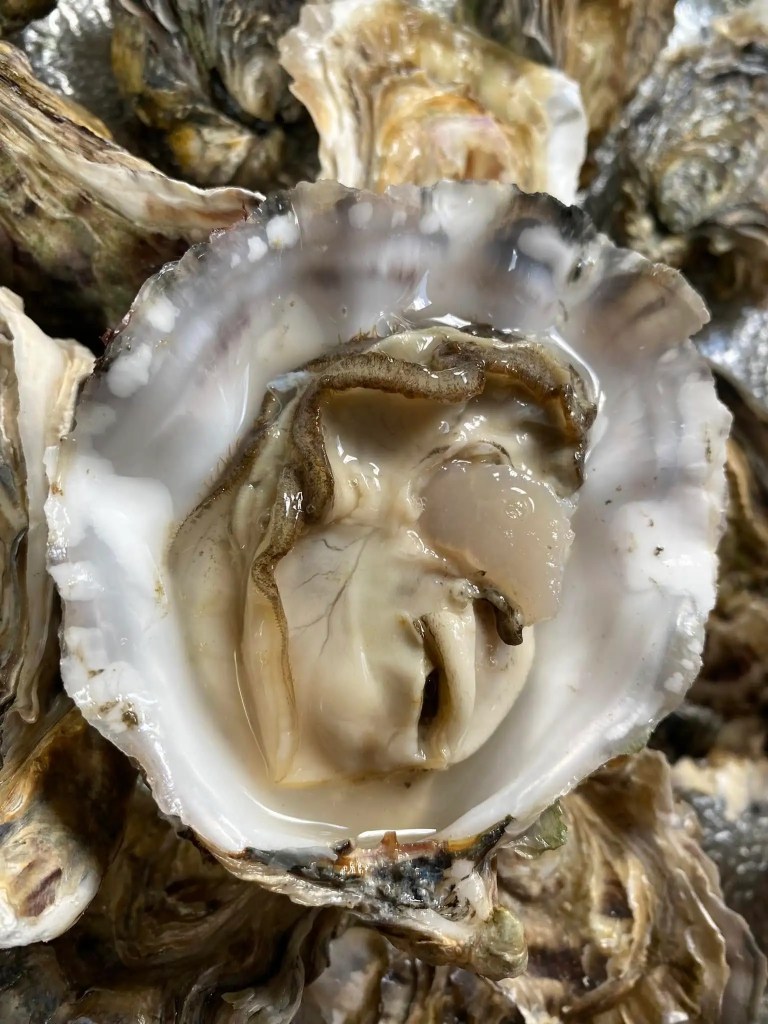
Appearance: robust, oval-shaped shells with deep cups. Their exteriors feature a mix of greys and browns. Once shucked, their flesh is succulent beige, surrounded by clear, delicate juice
Flavor Profile: A luscious, salty-sweet flavor that perfectly balances brininess and natural sweetness. Their taste is clean and fresh, with a crisp finish that evokes the essence of the ocean.
If you like Dorset Oysters, then check out these similar varieties!

Location

Farmers cultivate Dorset Oysters in Poole Harbour, located in Dorset, England.

This harbor is one of the largest natural harbors in the world and provides an ideal environment for oyster farming. The nutrient-rich waters, mild temperatures, and sheltered conditions create a perfect habitat for Pacific oysters (Crassostrea gigas). The harbor’s expansive tidal flats and consistent submersion allow oysters to feed continuously, promoting rapid growth and high-quality shellfish production 135.

Several environmental factors make Poole Harbour particularly beneficial for oyster cultivation. The harbor’s rich nutrient profile supports abundant phytoplankton, the primary food source for oysters. This ensures a steady supply of nourishment, allowing oysters to grow from seed to market size in just 12–18 months. Additionally, the brackish mix of fresh and saltwater creates a balanced salinity level, typically ranging between 30–35 ppt, which is optimal for oyster health and flavor development 368.

The harbor’s geography further enhances its suitability for oyster farming. Its sheltered nature protects oyster beds from extreme weather conditions, ensuring consistent growth throughout the year. The shallow waters also facilitate the use of innovative farming methods, such as submerged cultivation and gentle harvesting techniques that minimize environmental disruption while maintaining oyster quality 36.

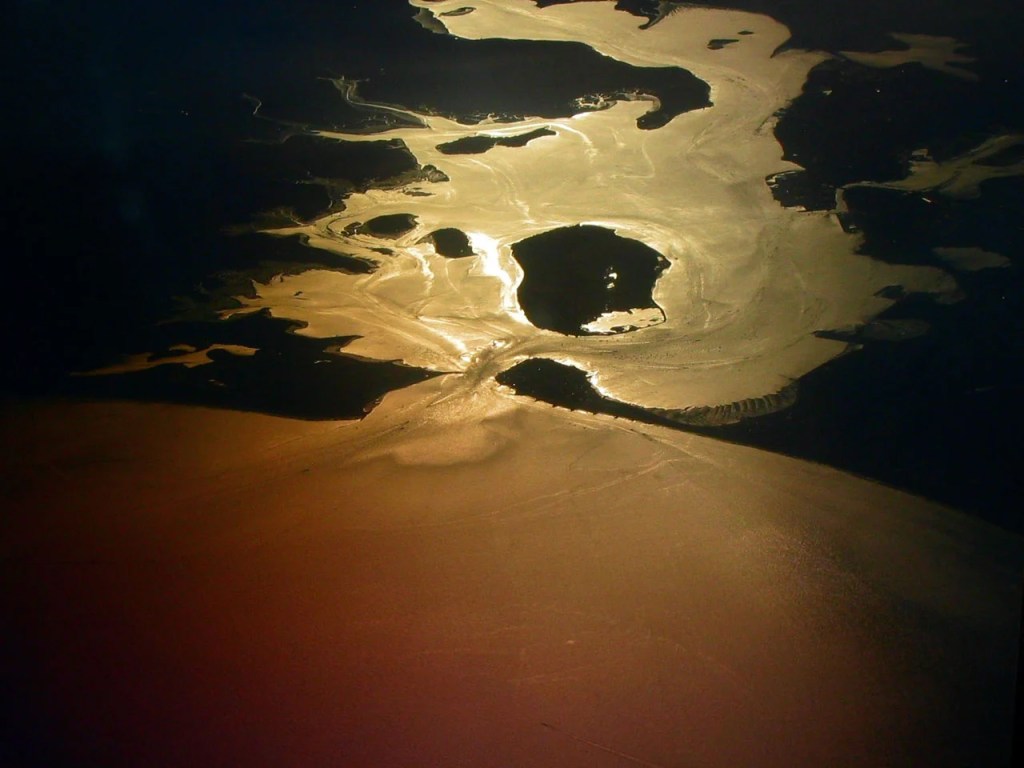
Poole Habour in Dorset, England, as seen at sunset from a plane. Looking west-northwest into the harbour. The three islands visible just inside the entrance are (from left to right): Green Island, Furzey Island, and Brownsea Island.
By Petr Kratochvil – publicdomainpictures.net, CC0, https://commons.wikimedia.org/w/index.php?curid=3200844

Poole Harbour’s ecosystem plays a crucial role in supporting oyster prosperity. Pacific oysters contribute to water purification by filtering large volumes of water daily, improving overall water quality. This symbiotic relationship between the oysters and their environment underscores the sustainability of farming practices in Poole Harbour while ensuring the production of premium shellfish 78.

Suggested Beverage Pairings

  1. Kim Crawford Sauvignon Blanc – This wine’s bright acidity and herbaceous notes enhance the oysters’ briny sweetness, creating a clean and refreshing pairing.
  2. Allagash White (Belgian-style Wheat Beer) – Its citrus and spice notes balance the oysters’ delicate flavors, while its light body complements their creamy texture.
  3. Negroni Sbagliato (Cocktail) – The Prosecco’s effervescence and Campari’s bitterness highlight the oysters’ salinity, adding depth to their sweet finish.
  4. Domaine de la Pépière Muscadet – This wine’s minerality and citrusy profile perfectly complement the oysters’ crisp, oceanic flavors.
  5. Dogfish Head SeaQuench Ale – Its tart lime and sea salt notes mirror the oysters’ briny character, while its refreshing tang cuts through their richn

Where Can I Buy Dorset Oysters?

  1. Dorset Oysters – While nationwide delivery is temporarily suspended, customers in BH postcodes can place orders by emailing Orders@Dorsetoysters.com. They offer fresh, high-quality oysters directly from Poole Harbour.

Stay Connected with The Oyster Encyclopedia!

Follow us on social media to get the latest updates, oyster recipes, and behind-the-scenes glimpses into the world of oysters:

Stay tuned for exclusive content, oyster trivia, and more! Engage with our vibrant community of oyster enthusiasts by liking, commenting, and sharing our posts. Your support helps us continue providing valuable oyster knowledge to fellow seafood lovers worldwide.

References

  1. “Track Your Dorset Oysters Order Status – AfterShip.” AfterShip, 25 Aug. 2023, www.aftership.com/brands/dorsetoysters.com.
  2. “Poole’s Pacific Oysters – Discover Seafood.” Discover Seafood, 5 Aug. 2021, discoverseafood.uk/pooles-pacific-oysters/.
  3. “The Dorset Oysters Story.” Dorset Oysters, 6 Sept. 2022, dorsetoysters.com/pages/story.
  4. “Othniel Oysters Ltd – Farming Oysters in Poole Harbour, Poole, UK.” Othniel Oysters Ltd, www.othniel.com.

Print This Entry

Choose which sections to include:


Discover more from The Oyster Encyclopedia

Subscribe to get the latest posts sent to your email.

Leave a Reply