


Chef’s Notes
Mason Bostwick · Executive Chef
Eastern oyster
La Saint Simon — La Saint Simon — Strong minerality — crisp and subtle sweetness. A solid farmed eastern oyster.
Flavor chart
Chef palate read
Shuckability
Shell & line performance
When I buy it
Look for La Saint Simon Oysters in peak season when salinity peaks.
How I serve it
On the half shell with minimal garnish — let the oyster speak.
What to watch for
Full brine with creamy finish. Reject any with broken shells or milky liquor.
My read
Strong minerality — crisp and subtle sweetness. A solid farmed eastern oyster.
La Saint Simon oysters are often called Saint Simons. They are a treasured Eastern oyster line from Atlantic Canada. These bivalves are known for exquisite flavor and distinctive shells. Fans have favored them for generations in raw bars and restaurants.
Saint Simon oysters can show green tones on shells from a nutrient-rich diet. As an oyster enthusiast and chef, I treat them as a canvas for creativity. Their taste and beauty shine on the half shell with minimal garnish.
When working with La Saint Simon oysters, consider size and meat-to-shell ratio. Pair flavors that elevate their crisp brine and subtle sweetness. The Mallet family’s third-generation farm specializes in shellfish in Shippagan, New Brunswick.
What Are La Saint Simon Oysters?
La Saint Simon Oysters are farmed Eastern oysters from Shippagan, New Brunswick. They are grown in the Bay of Chaleur using suspension culture. The Mallet family raises them through a long four-to-six-year grow-out cycle.
On the half shell the line reads crisp brine with subtle sweetness at 20–30 ppt. A clean Atlantic salinity opens the palate without heaviness. Mild mineral notes follow, keeping the cup balanced for raw-bar service.
Shells form deep, well-cupped profiles with clean gray-brown exteriors from floating-bag culture. The compact three-inch size shows neat edges and a sculpted hinge. Meats sit plump and ivory-white after years of suspension rearing in Chaleur Bay.
How Did La Saint Simon Oysters Get Their Name?
La Saint Simon Oysters take their trade name from Saint-Simon Bay in Chaleur Bay. Buyers see the La Saint Simon label on tags and distributor manifests. The geographic name ties the cup to a specific New Brunswick farm site.
Saint Simon and La Saint Simon appear interchangeably on menus and case tags. The name honors the bay where the Mallet family suspends oysters in floating bags. Distributors use it to distinguish this Shippagan line from other Atlantic Canadian Virginicas.
About the Mallet Family Farm
The Mallet family operates its oyster farm, wholesale activities, and shellfish hatchery in Shippagan. The farm grows La Saint Simon oysters using suspension culture in a well-protected inlet. The Mallet family operates the largest commercial hatchery in Eastern Canada.
They supply not only their own production but also support local growers who share their values. André Mallet, Livain’s son, leads the company today. A third generation represented by Marc André and Martin continues the family’s journey with a love of oysters.
La Saint Simon Oysters Information

Eastern oyster
If you like La Saint Simon Oysters, then check out these similar varieties!
Oyster: La Saint Simon
Species: Crassosstrea Virginica
Cultivation Method: farmed, 48 – 60 month grow-out period
Seasonality: Year Round
Size: 2.25
Culture Method: Using suspension culture in a well-protected inlet. The oysters are reared in floating bags and on oyster tables from May to November. During this period, water temperatures may reach 25°C.
Salinity: 20 – 30 ppt
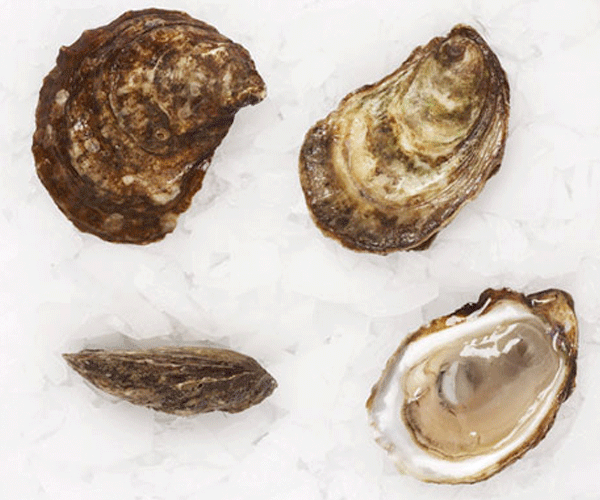
Appearance: Vivid emerald-green color of their shells. They have a rounded and plump shape. Their bodies are somewhat oval or tear-drop-shaped and tend to be moderately deep.
Flavor Profile: Characterized by a harmonious blend of saltiness and sweetness. These oysters offer a crisp, refreshing brine reminiscent of the ocean, complemented by a subtle, underlying sweetness that rounds out the taste experience.
Location
La Saint Simon oysters are from New Brunswick, Canada. They are grown in the Bay of Chaleur near Shippagan on the Acadian Peninsula. Saint-Simon Bay sits within that protected Atlantic inlet system.
Suspension culture in floating bags and on oyster tables shapes shell cup and meat quality. Water temperatures may reach 25°C from May to November during the grow-out season. Salinity typically runs 20–30 ppt across the bay.
Chaleur Bay links the farm to distributors across Eastern Canada and the United States. Jetpack maps mark Chaleur Bay for buyers tracing provenance. Diners pairing geography with flavor often note the crisp Atlantic brine in the cup.
Suggested Beverage Pairings
Negroni Sbagliato brings bubbly lightly bitter refreshment beside La Saint Simon sweet-briny cups. Sparkling twist complements crisp Atlantic Marennes-Oléron half shells elegantly.
Hendrick’s Gin Martini offers low-ABV botanical refreshment beside La Saint Simon sweet briny flavor. Clean dry cocktail complements French Atlantic crisp-and-sweet profile.
Domaine de la Pépière Muscadet brings bright lime, apple, and pear green fruit beside La Saint Simon oysters. Classic Loire white matches crisp mineral French Atlantic cups.
Veuve Clicquot Brut Yellow Label adds yeasty depth and fine bubbles beside La Saint Simon smooth texture. Champagne effervescence contrasts creamy Marennes-Oléron half shells.
Guinness Draught brings rich creamy roasted malt beside La Saint Simon briny taste. Iconic stout complements French Atlantic salinity for beer lovers at the raw bar.
Where Can I Buy La Saint Simon Oysters?
- Pangea Shellfish Company: This online retailer offers La Saint Simon Oysters from Shippagan, New Brunswick, Canada. They describe these oysters as having a dynamic and sharp brine, supple meat, and a sweet, mineral finish.
- Local Restaurants and Oyster Bars: If you prefer to enjoy La Saint Simon Oysters at a restaurant, you can try the following establishments:
- Local Seafood Markets: Check with your local seafood markets to see if they carry La Saint Simon Oysters. These markets often have a variety of fresh oysters available for purchase.
References
- Pangea Shellfish Company. Vendor listing referenced in Where Can I Buy section. Accessed 30 May 2026.
- Local Restaurants and Oyster Bars. Vendor listing referenced in Where Can I Buy section. Accessed 30 May 2026.
- Local Seafood Markets. Vendor listing referenced in Where Can I Buy section. Accessed 30 May 2026.
Discover more from The Oyster Encyclopedia
Subscribe to get the latest posts sent to your email.