



Chef’s Notes
Mason Bostwick · Executive Chef
Pacific oyster
Kumiai — Kumiai — Strong minerality — clean. A solid farmed pacific oyster.
Flavor chart
Chef palate read
Shuckability
Shell & line performance
When I buy it
Look for Kumiai Oysters in peak season when conditions are optimal.
How I serve it
Raw on the half shell or briefly grilled with compound butter.
What to watch for
Mild salinity with clean finish. Reject any with broken shells or milky liquor.
My read
Strong minerality — clean. A solid farmed pacific oyster.
Quick Facts
- Species: Pacific oyster (Crassostrea gigas)
- Cultivation: Farmed in Baja California, Mexico
- Size: Typically 3–4inches
- Salinity: Grown in waters averaging 33ppt
- Flavor: Briny, clean, with a sweet finish
What Are Kumiai Oysters?
Kumiai oysters have earned a reputation for their bold flavor and pleasing texture. Unlike many other oysters, they offer a snappy bite and plush, meaty flesh that fills their deep shells. These oysters stand out with a mix of briny, sea-rich character and sweet notes that linger on the palate. Some people notice hints of cucumber, snap peas, and seaweed in the finish.
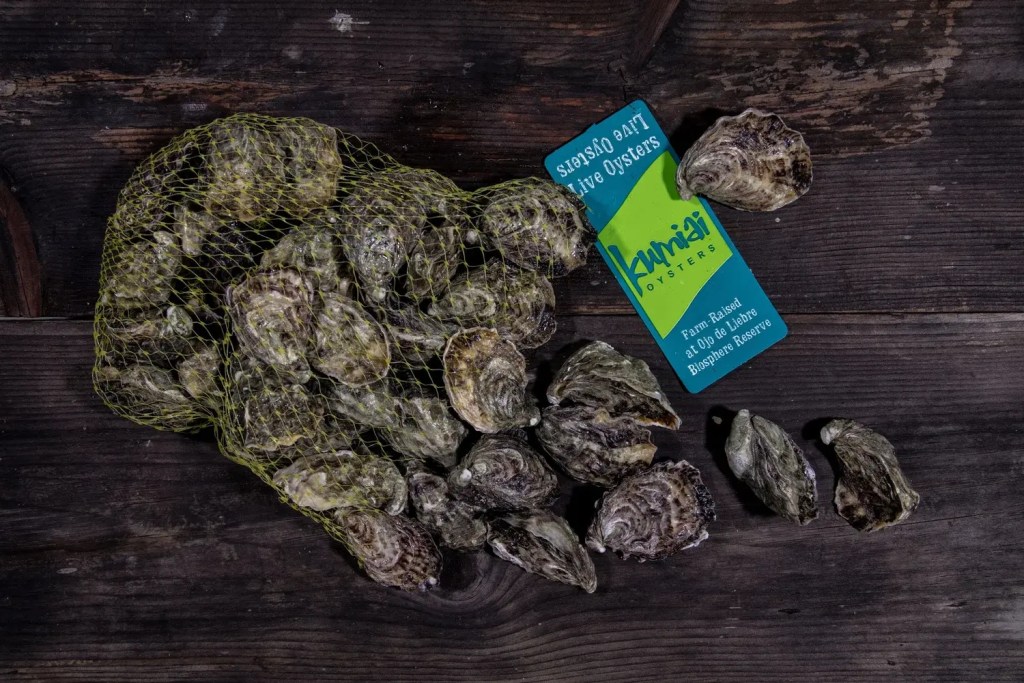
Another feature that sets Kumiai oysters apart is their shell. Each one has a strong, thick, and deeply cupped shell that protects the meat inside. This form results from a unique farming process that exposes oysters to the tides, strengthening their shells while creating a uniform, sturdy shape. The deep cup not only makes shucking easy but also keeps the oyster’s juices contained.
Kumiai oysters are known for their robust and layered taste experience. The first bite brings a strong, clean brine, followed by a subtle sweetness and fresh vegetable notes. Unlike milder oysters, Kumiai offer a mineral complexity and firm texture that seafood lovers often seek. Their flavors remain present whether served raw, grilled, or baked.
How Did Kumiai Oysters Get Their Name?
The name “Kumiai” honors the indigenous Kumiai people of Baja California. Local oyster farmers chose this name to celebrate the enduring relationship between the region and its native inhabitants. The Kumiai have lived near the Pacific coast for generations, relying on the sea’s rich resources. Selecting this name connects the oysters’ identity to the land’s heritage and traditional stewardship.
The Kumiai name is more than a geographic indication—it embodies Baja Shellfish Farms’ (BSF) proprietary food safety protocols, advanced handling procedures, and commitment to quality. BSF’s Private Food Safety program ensures every Kumiai oyster goes through meticulous monitoring, from initial cultivation in Guerrero Negro to cold conditioning at Whales Cove Mussel Farm. This process extends shelf life and freshness while oysters move through the supply chain. The Kumiai trademark is closely guarded, assuring only oysters meeting these exacting standards can bear the name.
The Cultivation Process
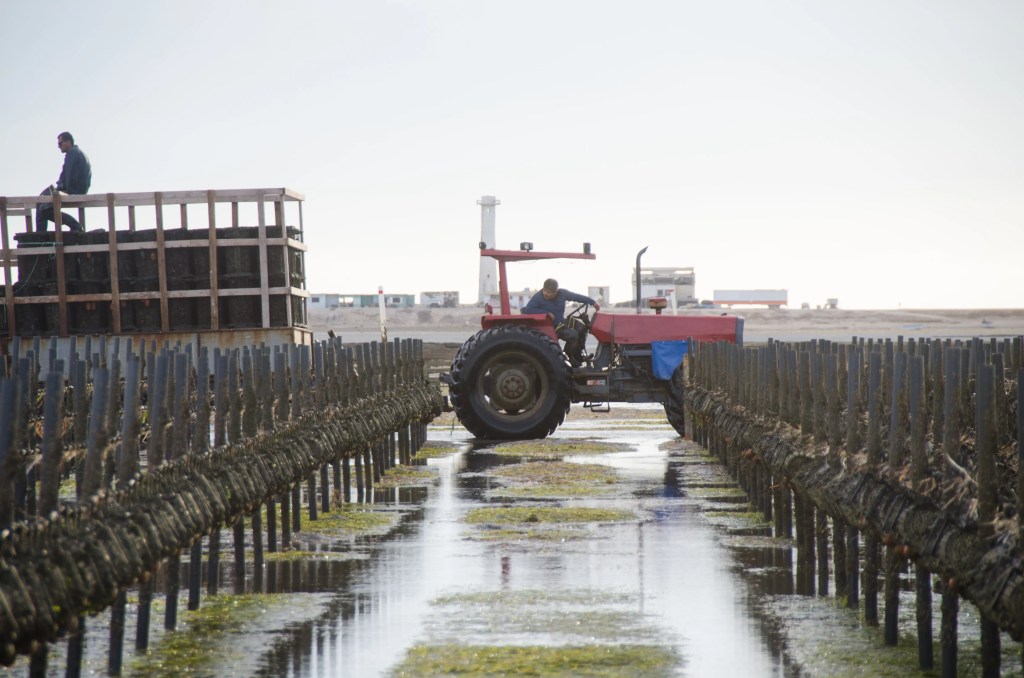
Kumiai oysters are grown using off-bottom culture systems that keep them suspended in floating mesh bags or cages just below the surface. This method protects them from predators like crabs and starfish while preventing grit and sediment from entering their shells (1). Farmers rotate and tumble the oysters regularly, which encourages strong, thick shells and deep cups. The gear is adjusted with the tides, so the oysters experience both submersion and brief air exposure.
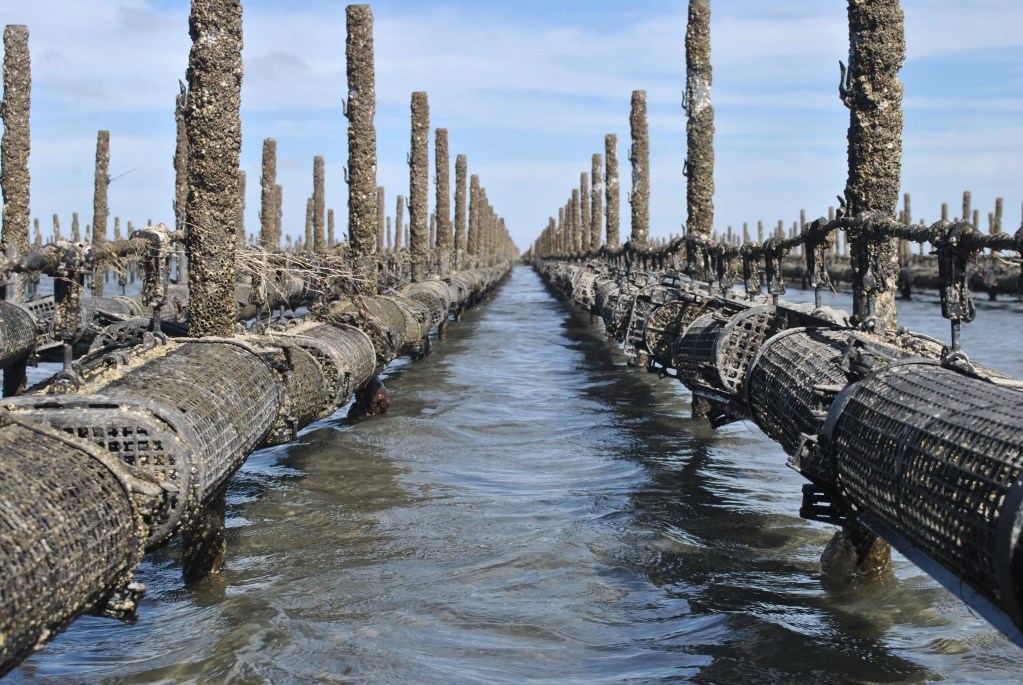
This strengthens the shells and enhances durability for transport and shucking. Each step in the cultivation process is closely monitored to ensure premium quality. Farmers check oyster growth rates, meat condition, and shell health during routine inspections (2). Water conditions—such as temperature, salinity, and plankton levels—are tested daily to maintain an optimal growing environment.
Once the oysters reach their target size, they are carefully sorted by hand to ensure uniformity before harvest. This attention to detail at every stage ensures that only the healthiest, best-shaped oysters are selected for market. By combining practical farming techniques with scientific oversight, the cultivation process consistently produces Kumiai oysters with excellent flavor, texture, and appearance.
About Baja Shellfish Farms

Baja Shellfish Farms is a leading aquaculture company located near Ensenada, Baja California. Founded in 1991 by oceanologist Sergio Guevara, the company started as a small, focused effort to raise shellfish sustainably. From the beginning, its goal has been to produce high-quality oysters while protecting the surrounding marine environment. This commitment to sustainability and quality has earned Baja Shellfish Farms a strong reputation nationwide and internationally among seafood buyers and chefs alike.
The farm benefits from the nutrient-rich coastal waters influenced by cool upwelling currents from the Pacific Ocean. These natural conditions promote healthy growth and robust flavor in shellfish. Baja Shellfish Farms uses off-bottom culture systems, which suspend oysters in the water to keep them safe from predators and sediment. The farming gear is carefully positioned to maximize tidal flow, which strengthens oyster shells and supports consistent meat quality. Workers handle the oysters with care to ensure each one develops a deep cup and firm, plump texture.
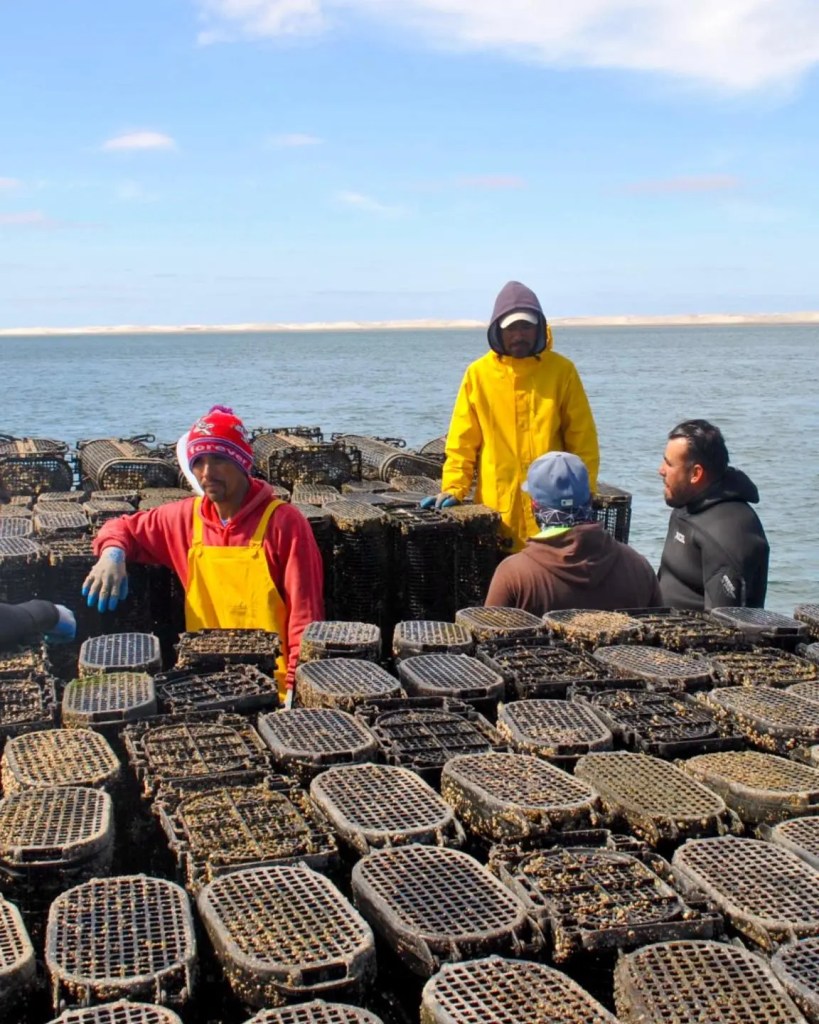
Baja Shellfish Farms runs daily operations with strict environmental safeguards. Staff monitor water quality regularly, checking salinity, pH, and potential contaminants to ensure clean conditions. They carefully time farming activities with changing tides, seasons, and plankton availability to keep oyster growth steady and healthy. The company also invests in scientific research, collaborating with oceanographers to improve farming techniques and sustainability practices. This blend of science, careful stewardship, and hands-on expertise has helped Baja Shellfish Farms position their Pacific oysters among the top premium shellfish varieties worldwide.
Follow Them
Follow Baja Shellfish Farms for harvest updates, farm news, and Pacific oyster releases from their Baja California sites. Their site covers sustainable grow-out methods, wholesale channels, and the full farmed lineup. Stay current on social for behind-the-scenes farming notes and seasonal availability from the same Baja Shellfish Farms operation that grows these cups.
Kumiai Oysters Information

Pacific oyster
If you like Kumiai Oysters, then check out these similar varieties!
Oyster: Kumiai
Species: Pacific oyster (Crassostrea gigas)
Cultivation Method: Farmed; 12–18months growout period
Size: 3–4inches
Seasonality: Year-round
Culture Method: Grown in rack-and-bag systems in estuarine waters. Oysters mature slowly, developing thick shells and deep cups.
Salinity: Approximately 33ppt
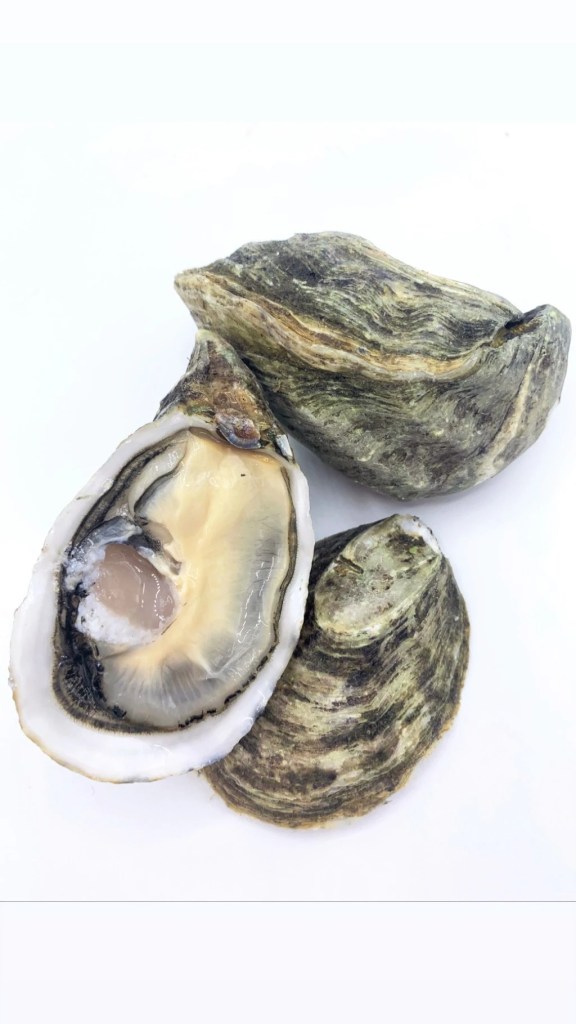
Appearance: Shells range from cream to light brown and often have purple streaks. They have thick, deeply cupped shells with a strong, sturdy structure. Their exteriors show a mix of cream, tan, and light brown, often streaked with soft purples. Inside, the meat is plump, glossy, and ivory-colored.
Flavor Profile: a bold, briny flavor with a clean, ocean-fresh taste. They offer a crisp minerality that gives way to subtle sweetness. Hints of cucumber and fresh seaweed linger in the finish, creating a layered, refreshing bite.
If you like Kumiai Oysters, then check out some similar varieties!
Location
Kumiai oysters are cultivated in Laguna Guerrero Negro, located in Baja California, Mexico. This lagoon sits within the Ojo de Liebre Biosphere Reserve, a federally protected area on the Pacific side of the Baja peninsula. The pristine, cold, and nutrient-rich waters of Guerrero Negro create an exceptional environment for oyster farming.
The site sits far removed from sources of pollution or significant urban runoff. Cold Pacific currents flow through the lagoon and bring abundant natural plankton, an essential food source for healthy oyster growth. Stable salinity levels—averaging around 32–35 ppt—combined with low rainfall ensure water clarity and limit stress on the oysters.
Environmental Conditions
The interplay of steady tides and wave action naturally tumbles the oysters, which strengthens their shells and develops their characteristic deep cups and robust texture. Guerrero Negro’s protected ecosystem preserves water quality and minimizes the risk of contamination, leading to plump, flavorful oysters with a distinctive briny, sweet profile. The desert climate reduces freshwater runoff and keeps sediments low, which further enhances the growing conditions for the oysters.
Farmers leverage advanced off-bottom cultivation techniques such as the rack-and-bag system, keeping oysters suspended, clean, and safe from predators and bottom sediment. These methods take full advantage of the lagoon’s natural tidal exchange and nutrient supply. The combination of a protected ecosystem and attentive farming practices contributes directly to the oyster’s quality.
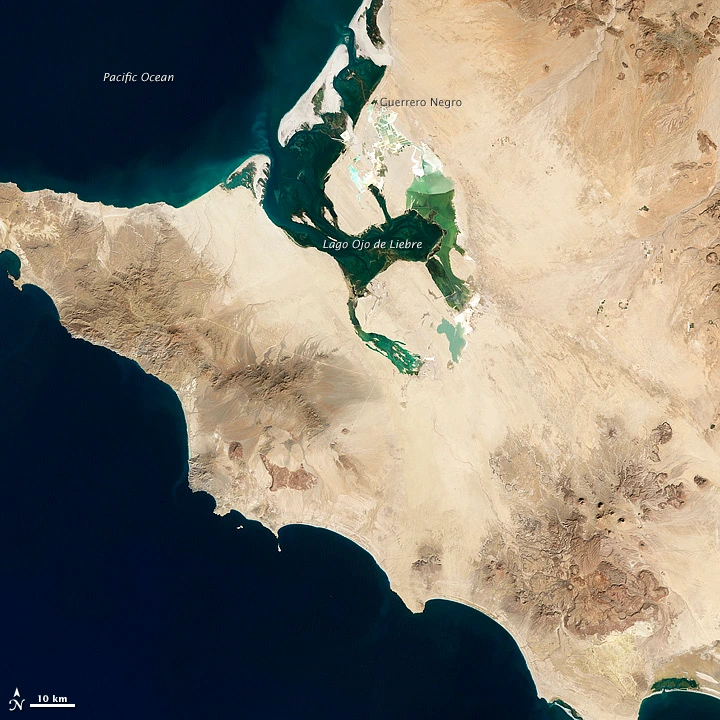
Overall, the synergy of pristine waters, strong tidal exchange, stable salinity, and high nutrient availability makes Guerrero Negro an ideal locale for cultivating premium-quality Kumiai oysters. These environmental factors are key to the oysters’ outstanding appearance, texture, and taste. Chefs and seafood aficionados recognize these qualities in every harvest from the lagoon.
Suggested Beverage Pairings
This crisp, lightly hopped lager complements the oysters’ briny freshness with clean carbonation. Its mild malt character lets the oyster’s sweet finish shine without overpowering it. The refreshing qualities of Pacifico Clara balance the oyster’s mineral notes perfectly.
The wine’s bright acidity and citrus flavors enhance the clean, crisp minerality of Kumiai oysters. Its grassy and green fruit notes pair well with the oyster’s subtle vegetable hints, creating a lively and harmonious tasting experience.
A classic, well-chilled gin martini with herbal notes elevates the oyster’s natural minerality. The cocktail’s dryness and aromatic botanicals provide a sharp contrast that refreshes the palate between bites.
The gentle smokiness of this mezcal complements the oyster’s briny depth. Its earthy character adds complexity and warmth, making this pairing especially satisfying for those who enjoy layered taste sensations.
This beer’s mild sweetness and yeasty complexity bridge the oyster’s natural finish. The ale’s subtle fruit and spice notes complement the oyster’s hints of cucumber and seaweed without masking them.
Where Can I Buy Kumiai Oysters?
- Baja Shellfish Farms – Baja Shellfish Farms sells their signature Kumiai oysters directly to consumers and chefs. Orders are shipped in insulated boxes with ice packs to preserve freshness. They offer both small and large quantities, ensuring oysters arrive tasting as if they were just harvested.
- PureFish – PureFish offers Kumiai oysters by the dozen, packed in insulated boxes with gel packs to maintain peak freshness during transit. Orders are shipped overnight directly to your door. The company focuses on traceable sourcing and consistency.
- SeafoodS.com – SeafoodS.com supplies Kumiai oysters to both chefs and home cooks. The company offers flexible order quantities, packing them in refrigerated containers for safe delivery. Shipments arrive via overnight courier to ensure the oysters taste as fresh as when harvested.
Stay Connected with The Oyster Encyclopedia!
Follow us on social media to get the latest updates, oyster recipes, and behind-the-scenes glimpses into the world of oysters:
Stay tuned for exclusive content, oyster trivia, and more! Engage with our vibrant community of oyster enthusiasts by liking, commenting, and sharing our posts. Your support helps us continue providing valuable oyster knowledge to fellow seafood lovers worldwide.
References
- Baja Shellfish Farms. Baja Shellfish Farms. Accessed 14 Aug. 2025. https://bajashellfish.com/
- PureFish. PureFish – Kumiai Oysters. Accessed 14 Aug. 2025. https://www.purefish.com/
- Island Creek Oysters. Island Creek Oysters – Kumiai Oysters. Accessed 14 Aug. 2025. https://shop.islandcreekoysters.com/
- Taylor Shellfish Farms. Taylor Shellfish Farms – Kumiai Oysters. Accessed 14 Aug. 2025. https://www.taylorshellfishfarms.com/
- SeafoodS.com. SeafoodS.com – Kumiai Oysters. Accessed 14 Aug. 2025. https://www.seafoods.com/
- Pacifico Clara. Grupo Modelo. Pacifico Clara Mexican Lager. Accessed 14 Aug. 2025.
- Cloudy Bay. Cloudy Bay Sauvignon Blanc. Cloudy Bay Vineyards, Marlborough, New Zealand. Accessed 14 Aug. 2025.
- Tanqueray No. Ten. Tanqueray No. Ten Gin. Diageo PLC. Accessed 14 Aug. 2025.
- Del Maguey. Del Maguey Vida Mezcal. Del Maguey Single Village Mezcal. Accessed 14 Aug. 2025.
- La Chouffe. La Chouffe Belgian Blonde Ale. Brasserie d’Achouffe. Accessed 14 Aug. 2025.
Discover more from The Oyster Encyclopedia
Subscribe to get the latest posts sent to your email.