

Quick Facts
- Hiroshima Kaki are Pacific oysters grown in Hiroshima Prefecture, Japan, which produces about 60% of Japan’s oysters.
- They grow in the calm, nutrient‑rich waters of the Seto Inland Sea around Hiroshima Bay.
- Hiroshima Kaki have relatively small shells but very plump, richly flavored meat.
- Modern Hiroshima oyster farming uses hanging or raft-style aquaculture for efficient, high‑quality production.
- Hiroshima oysters are strictly purified before sale, especially when eaten raw, under a unique prefectural ordinance.
What Are Hiroshima Kaki Oysters?
Hiroshima Kaki oysters stand out because they combine small shells with very plump, rich meat. They grow in Hiroshima Bay, where calm waters and nutrient‑rich rivers create ideal conditions for oysters. These oysters also anchor Hiroshima’s food culture, showing up in many local dishes and festivals. Careful farming and strict safety rules help protect their quality and let people enjoy them raw, grilled, or fried.
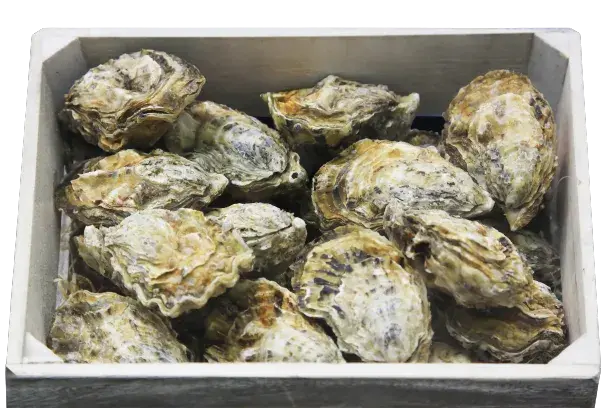
Hiroshima Kaki are unique because they come from Japan’s top oyster‑producing prefecture, which supplies around 60 percent of the country’s oysters. Few regions in the world combine such high output with a strong focus on flavor and texture. These oysters develop thick, firm, yet juicy meat that keeps its shape even when cooked in hot pots or deep‑fried dishes. The rich, savory taste and creamy mouthfeel have earned them nicknames like “milk of the sea” in local tourism and food writing. This balance of volume, quality, and character sets Hiroshima Kaki apart from many other Pacific oysters.
Their growing environment also gives Hiroshima Kaki a special identity. Hiroshima Bay sits in the Seto Inland Sea, an enclosed area protected by many islands, so waves stay calm and tides stay moderate. Rivers flowing from nearby mountains bring in nutrients and help create slightly less salty water layers that oysters prefer. In this setting, the shell stays modest in size while the flesh becomes large, sweet, and full of umami. Local farmers have refined raft and hanging methods over hundreds of years, which lets them use these conditions efficiently. Together, the bay’s natural features and long farming history give Hiroshima Kaki a flavor and texture that many diners find memorable and hard to match.
How Did Hiroshima Kaki Get Their Name?
The name “Hiroshima Kaki” directly links the product to its place of origin and its Japanese name. “Kaki” is the Japanese word for oyster, while “Hiroshima” identifies the prefecture and bay where these oysters have been cultivated for centuries. This naming convention highlights the strong geographic identity and regional pride behind the product. Over time, Hiroshima’s reputation for oyster quality made “Hiroshima Kaki” a recognized brand across Japan.
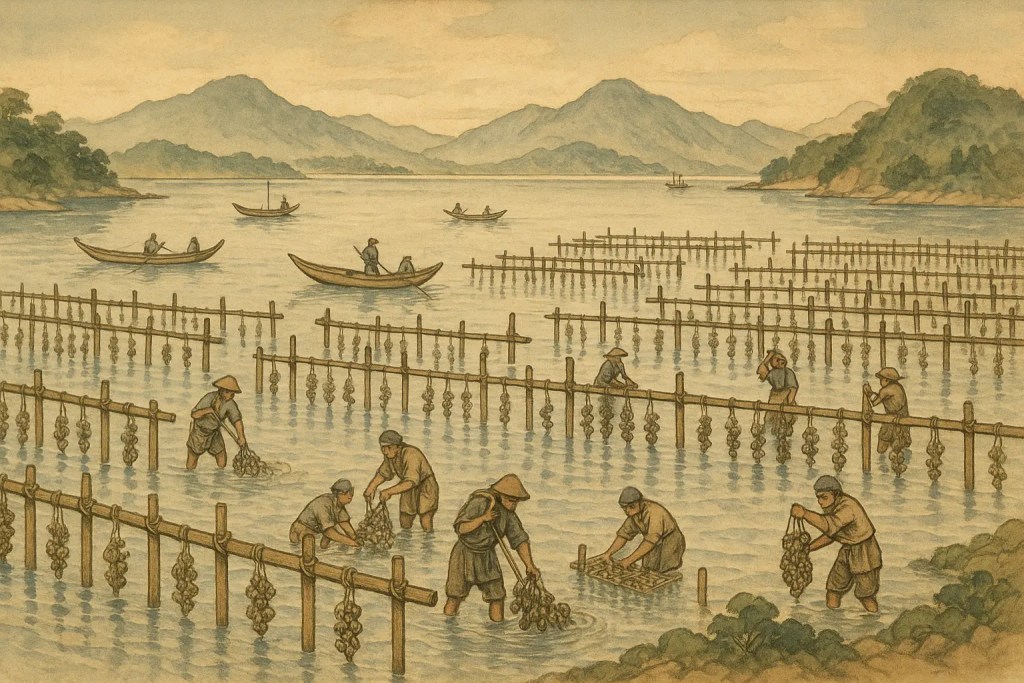
Historical records and shell mounds around Hiroshima Bay show that people have harvested local oysters since at least the Jomon and Yayoi periods. Written accounts of organized oyster cultivation in the region appear from the 16th century in what was then Aki Province. As techniques improved and trade expanded, oysters from Hiroshima earned a special reputation, especially during the Edo period, when they were shipped to major cities like Osaka. This long history connects the modern name “Hiroshima Kaki” to a deep cultural and culinary heritage rather than a recent marketing idea.
The Cultivation Process
Hiroshima Kaki are farmed oysters, not wild‑harvested, and producers use modern hanging and raft aquaculture systems. Early methods involved scattering stones or erecting wooden structures on tidal flats so larvae could attach and grow, but these have largely given way to more efficient suspension techniques. Today, farmers typically attach oyster seed to shells or collectors, then suspend them from rafts or shelves in the water column. This method keeps oysters in well‑oxygenated, food‑rich water and helps them grow faster and more evenly.
The cultivation process often includes stages: collecting larvae, restraining or hardening young oysters in intertidal zones, then moving them to rafts for grow‑out over one or more years. The calm conditions of Hiroshima Bay allow large numbers of rafts to float securely while oysters feed on abundant phytoplankton. After harvest, Hiroshima Kaki go through a mandatory purification period in clean seawater tanks to remove sand, germs, and off‑flavors. These strict steps support consistent quality and safety, especially for oysters intended for raw consumption.
About The Farms
Hiroshima Kaki oysters do not come from one single farm or brand. Many family‑run farms, local cooperatives, and processing companies cultivate and handle them across Hiroshima Prefecture. Farmers typically operate small to medium rafts or longline sites in bays such as Hiroshima Bay and Mitsu Bay, while larger firms organize shipping, processing, and export. This blend of independent growers and centralized distributors keeps traditional skills alive while supporting large‑scale demand at home and abroad.
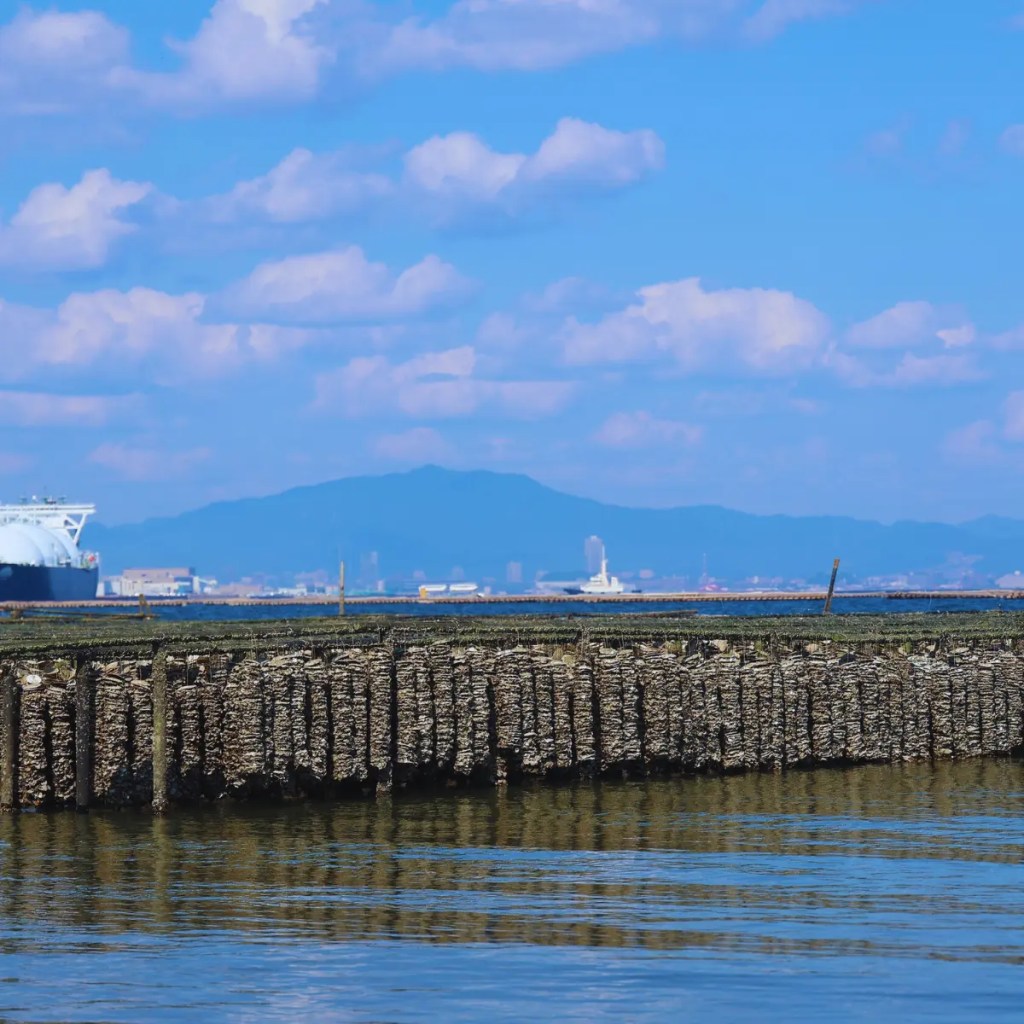
Many different farms and companies handle Hiroshima Kaki, from small family operations to fully integrated aquaculture businesses. Kanawa Suisan runs rafts near islands such as Okurokami and focuses on strict hygiene and careful grading to protect quality. Yano Suisan manages oysters from seed through grow‑out in Mitsu Bay, then processes them for markets that even include the European Union, which has very strict safety rules. Farms such as Shimada Suisan near Miyajimaguchi run both oyster rafts and seaside huts where visitors grill oysters pulled from their own platforms. Other producers like Ondo Kaisan’s Kaki Musume brand experiment with new technology and freezing methods so Hiroshima oysters stay available longer as climate and seasons change.
Alongside individual farms, there are also organizations that move Hiroshima Kaki from the water to distant kitchens. HIROSHIMA Oysters Co. Ltd. coordinates with local growers, then cleans, packs, and ships oysters from a facility at Hiroshima Airport to markets across East and Southeast Asia. Councils and cooperatives in the prefecture bring together hatcheries, farmers, logistics firms, and inspection bodies to support exports and keep hygiene standards high. Environmental and fishery improvement projects, including those highlighted by international groups, work with Hiroshima growers to reduce plastic waste from gear and improve long‑term sustainability of raft culture in the bay
Hiroshima Kaki Oysters Information
Oyster: Hiroshima Kaki (Hiroshima oysters).
Species: Pacific oyster, Crassostrea gigas.
Cultivation Method: Farmed using suspended raft and rack systems in sheltered bays.
Seasonality: Best in winter, especially January to February; specialized strains like Kaki Komachi allow good eating in summer.
Culture Method: Farmers attach seed to shells or collectors, hang them from rafts in Hiroshima Bay, and let them feed on rich plankton in calm, layered waters.
Salinity (in ppt): 24 -30 ppt
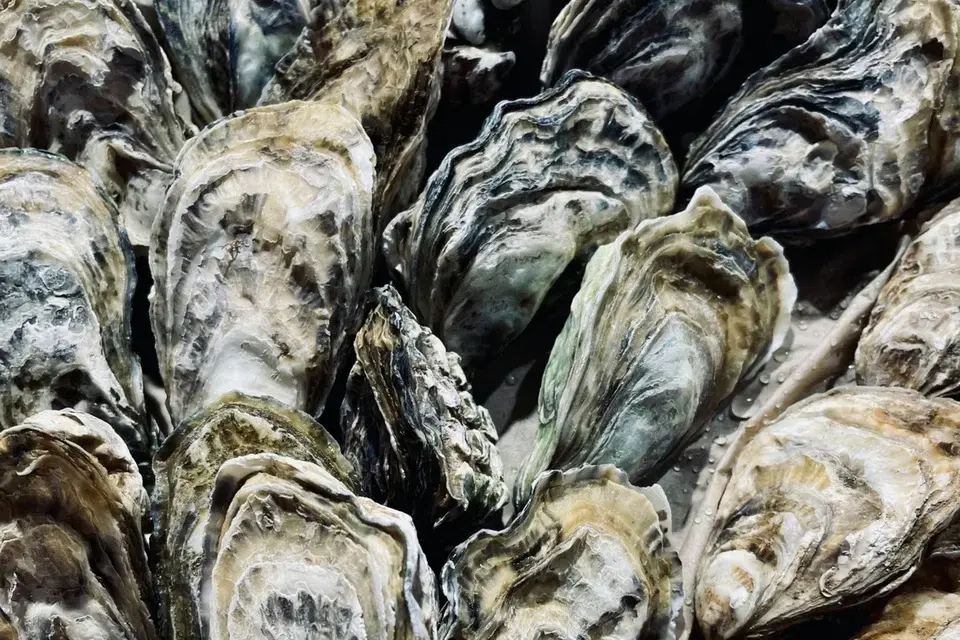
Appearance: have relatively small, irregular gray‑brown shells that can look a bit rugged and weathered from the rafts. When opened, they reveal thick, milky white flesh that often fills most of the deep cup, giving the meat a full, rounded look on the half shell.
Flavor Profile: taste rich and creamy, with a smooth, milky character that feels full in the mouth. They carry gentle sweetness balanced by light, clean brine, and leave a lingering, savory umami finish.
If you like Hiroshima Kaki Oysters, then check out the similar varieties!
Location
Farmers cultivate Hiroshima Kaki oysters mainly in Hiroshima Bay and nearby inlets within the Seto Inland Sea. This bay sits where river water from the Ota River system meets the sea, creating broad stretches of brackish water that oysters prefer.
Rafts and longlines float in these sheltered waters, often between small islands and headlands that block strong ocean swells. The result is a calm surface that keeps gear stable and lets oysters grow steadily for many months.
Environmental Factors
Several key environmental factors in this area support strong oyster growth. Nutrient‑rich runoff from the Chugoku Mountains flows down the rivers into Hiroshima Bay, where it feeds blooms of phytoplankton, the oysters’ natural food. The bay’s semi‑enclosed shape helps hold these nutrients and plankton in place instead of letting them wash straight out to sea. Salinity generally stays in the brackish to marine range that Pacific oysters tolerate well, while moderate tides keep water moving enough to refresh oxygen without scouring the farms.
Other physical traits of the Seto Inland Sea make the location especially beneficial. Many scattered islands create channels and coves that break up wave energy and offer protected pockets for oyster rafts. Water temperatures stay relatively mild for much of the year, avoiding extreme cold and supporting active feeding across long growing seasons. Vertical layering forms in warmer months as fresher river water sits over saltier water, giving oysters access to slightly less salty conditions in the upper layers they occupy. Together, these patterns support plump, healthy oysters rather than stressed shellfish.
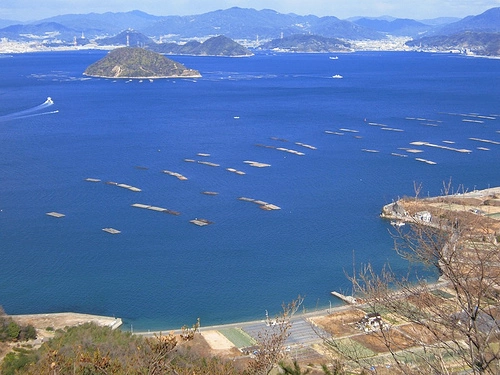
Human management adds another layer that helps oysters prosper in this setting. Hiroshima has more than 400 years of oyster‑farming history, so farmers have refined raft designs, stocking densities, and harvest timing to match the bay’s rhythms. Local rules and purification facilities help protect water quality and keep harvest areas suitable for both raw and cooked oysters. Improvement projects focus on gear, plastic waste, and climate pressures, which helps maintain the long‑term health of farm sites even as conditions change.
Suggested Beverage Pairings
- Dassai 45 Junmai Daiginjo (Asahi Shuzo)
This polished sake offers clean aromatics, gentle sweetness, and a smooth finish that match the milky, umami‑rich character of Hiroshima Kaki without overwhelming it. The refined texture and moderate acidity help cleanse the palate between raw or grilled oysters. - Kirin Ichiban Lager
A light, crisp Japanese lager like Kirin Ichiban highlights the oyster’s brine and sweetness while keeping the pairing refreshing. Its moderate bitterness and carbonation cut through fried oysters and richer dishes such as oyster gratin or kaki fry. - Domaine Laroche Chablis Saint Martin (Chardonnay, France)
A mineral‑driven Chablis with bright acidity and subtle citrus notes pairs well with Hiroshima Kaki’s creamy texture and savory depth. The wine’s clean finish matches both raw oysters and simple grilled preparations often served in Hiroshima. - Hiroshima Local Sake “Kamotsuru Tokusei Gold Daiginjo”
This well‑known Hiroshima sake is smooth, aromatic, and slightly fruity, making it a natural partner for local oysters. Its balance of umami and gentle sweetness complements dishes like kaki meshi (oyster rice) and charcoal‑grilled oysters. - Classic Gin Martini (e.g., Tanqueray Gin with Dolin Dry Vermouth)
A very dry martini with a lemon twist emphasizes briny, oceanic notes and contrasts nicely with the oysters’ richness. The botanical character from gin adds complexity when Hiroshima Kaki are served simply with lemon or light mignonette.
Where Can I Buy Hiroshima Kaki Oysters?
Availability will vary by season and region. Always confirm product origin and handling before serving raw.
- Weee! – Hiroshima Oysters
This online Asian grocer sometimes lists fresh or chilled Hiroshima oysters for home delivery. Products usually arrive cleaned and packed on cold packs or ice, with shipping focused on freshness and quick transit. Weee! - Umall – Takanobu Frozen Hiroshima Oysters
Umall sells individually quick frozen Hiroshima oysters under the Takanobu brand. The 1kg bags suit grilling, frying, or hot-pot applications and ship frozen with insulated packaging to maintain quality. Umall - Healthy Express – Kunihiro Hiroshima Oysters
This Hong Kong-based shop offers IQF frozen oysters from Kunihiro, a Hiroshima producer. The oysters ship vacuum-packed and deep-frozen, preserving texture and flavor for export markets. Healthy Express - Amazon Japan – Hiroshima Oysters (King of Tsukiji)
Certain listings on Amazon Japan feature frozen Hiroshima oysters for commercial or home use. They typically arrive blast-frozen in bulk packs, ideal for cooked dishes where consistent size and supply matter.
The Raw Bar Bible
A deeper look into oysters, shucking technique, brine, knife choice, and real raw bar workflow — written from a chef’s point of view. Clear, practical, and built from actual service experience.
References
- Dive! Hiroshima. “Hiroshima Oysters Can Be Eaten Even in Summer.” Dive! Hiroshima, Hiroshima Prefecture, 22 Mar. 2023, https://dive-hiroshima.com/en/feature/kaki-natsukaki/.
- “Hiroshima Oysters Brochure (ENG).” Hiroshima Shokudo, Hiroshima City, https://hiroshima-shokudo.com/wp/wp-content/uploads/2021/03/Hiroshima-Oysters-Brochure_ENG.pdf.
- “Hiroshima Kaki (広島かき).” Food in Japan, 23 Jan. 2025, https://www.foodinjapan.org/chugoku/hiroshima-kaki/.
- “The Reason Why Hiroshima Oysters Are Delicious.” Dive! Hiroshima, Hiroshima Prefecture, 22 Mar. 2023, https://dive-hiroshima.com/en/feature/kaki-reason/.
- “How to Eat Delicious Oysters from Hiroshima.” Dive! Hiroshima, Hiroshima Prefecture, 2 Aug. 2023, https://dive-hiroshima.com/en/feature/kaki/.
- “The Tale of Hiroshima Oysters: A Culinary Journey to Taste the Milk of the Sea.” Discover Chushi Japan, 31 Mar. 2025, https://discover-chushi-japan.com/column/hiroshima/touristattraction/3713.html.
- “Why Are Hiroshima Oysters So Famous Nationwide? Learn about the Secrets behind Their Delicious Taste.” MATCHA, 25 Dec. 2024, https://matcha-jp.com/en/23337.
- “Japan Atlas: Oyster Culturing in Hiroshima Bay.” Web Japan, Ministry of Foreign Affairs of Japan, 1994, https://web-japan.org/atlas/nature/nat30.html.
- “The Hidden Potential of Oysters.” Google Arts & Culture, Ministry of Agriculture, Forestry and Fisheries, 2023, https://artsandculture.google.com/story/the-hidden-potential-of-oysters-ministry-of-agriculture-forestry-and-fisheries/.
- “Oysters of Japan: Hunting for Hidden Pearls in Hiroshima Bay.” In a Half Shell, 20 Feb. 2025, https://www.inahalfshell.com/journal/hiroshimabay.
- “Hiroshima Oysters – Mitsukoshi Kakigoya.” Food Sake Tokyo, 2 Mar. 2016, https://foodsaketokyo.com/2016/03/03/hiroshima-oysters/.
- “Hiroshima’s Food Culture.” Food in Japan, 30 Jan. 2025, https://www.foodinjapan.org/article/hiroshima-food/.
- “Oyster Dishes Filled with a Variety of Charms.” Dive! Hiroshima, Hiroshima Prefecture, 22 Mar. 2023, https://dive-hiroshima.com/en/feature/kaki-menu/.
- “Kaki Meshi (Mixed Rice with Oysters).” Our Regional Cuisines, Ministry of Agriculture, Forestry and Fisheries, https://www.maff.go.jp/e/policies/market/k_ryouri/search_menu/7029/index.html.
Discover more from The Oyster Encyclopedia
Subscribe to get the latest posts sent to your email.