


Chef’s Notes
Mason Bostwick · Executive Chef
Pacific oyster
High Beach Sweets — High Beach Sweets — Notable sweetness — creamy and melon. A solid farmed pacific oyster.
Flavor chart
Chef palate read
Shuckability
Shell & line performance
When I buy it
Look for High Beach Sweets in september when conditions are optimal.
How I serve it
On the half shell with minimal garnish — let the oyster speak.
What to watch for
Mild salinity with creamy finish. Reject any with broken shells or milky liquor.
My read
Notable sweetness — creamy and melon. A solid farmed pacific oyster.
Quick Facts
- Species: Pacific Oyster (Crassostrea gigas)
- Origin: Farmed in Westcott Bay, Washington, USA
- Size: 2-3 inches
- Salinity: 28-30 ppt
- Seasonality: Available year-round, with peak season from September to April
What Are High Beach Sweets Oysters?
High Beach Sweets Oysters are a farmed variety of the Pacific oyster. It is known as Crassostrea gigas, and it is cultivated in the nutrient-rich waters of Westcott Bay, Washington. These oysters are known for their sweet, delicate flavor.
They exemplify the exceptional shellfish for which the Pacific Northwest is renowned. Their taste features a harmonious blend of sweetness, brininess, and a crisp, clean finish. This makes them highly sought after in raw bars and upscale restaurants.
These oysters thrive in the pristine waters of Westcott Bay, where the cold, clean waters promote slow and steady growth. This results in a firm, meaty texture that pairs perfectly with their subtle sweetness. They are often enjoyed raw, but their balanced flavor also makes them versatile for cooked preparations.
How Did High Beach Sweets Oysters Get Their Name?
The name “High Beach Sweets” reflects both the geography and the flavor profile of these oysters. “High Beach” references the upper tidal zones of Westcott Bay. This area benefits from the twice-daily influx of nutrient-rich seawater, which helps the oysters develop their signature sweetness.
The term “Sweets” aptly describes their flavor, which is characterized by a noticeable sweetness balanced with a light briny finish. The name was chosen to convey the taste experience. It ensures that consumers associate these oysters with their delicate flavor. They are also associated with a sweet flavor profile.
About Westcott Bay Shellfish Company
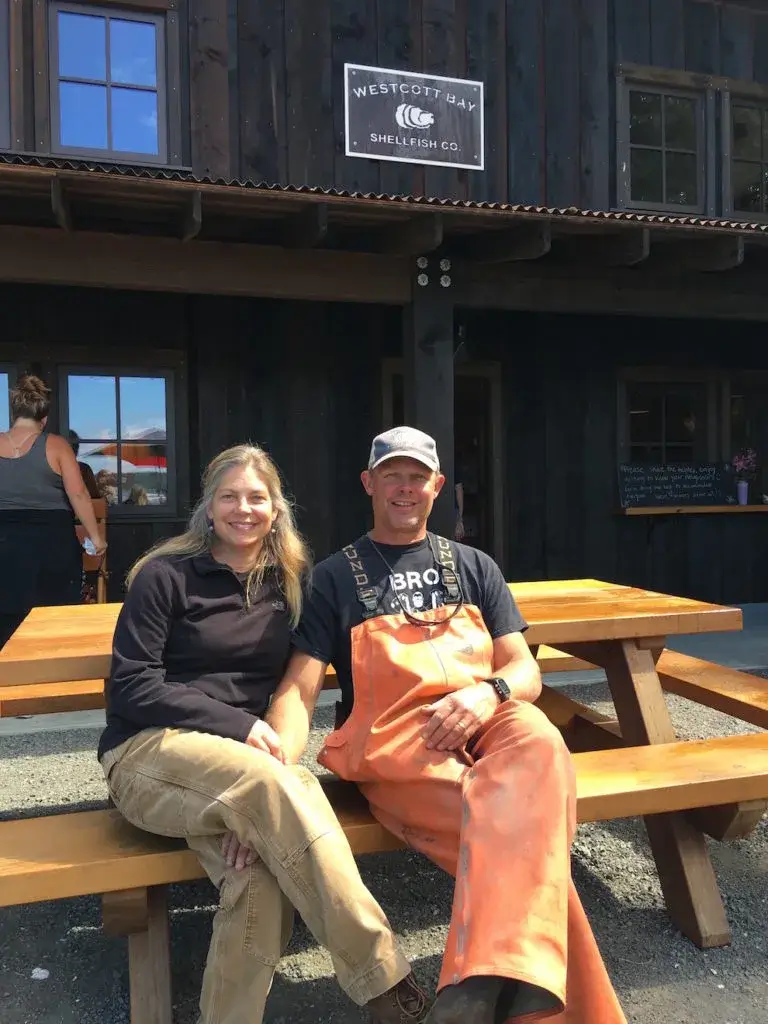
Westcott Bay Shellfish Company cultivates High Beach Sweets oysters. The company is a family-owned aquafarm located in Westcott Bay on San Juan Island in Washington. Erik and Andrea Anderson run it.
The farm was originally known as Westcott Bay Seafarms and had a renowned national oyster distribution. However, it fell into decline and was listed for sale. Erik and Andrea Anderson purchased the property in 2013.
Since then, they have nursed the shoreline back to health. They rebuilt the 400-foot-long pier and docking floats. The Andersons also restored the farm’s declining infrastructure.
Westcott Bay Shellfish Company uses traditional, hands-on approaches. They cultivate Pacific oysters, Manila clams, and Mediterranean mussels in the pristine waters of Westcott Bay. The company’s oysters are raised using a complex system of racks and flip-bags.
Every single clam, oyster, and mussel is hand-raised on Westcott’s tidelands. The farm’s unique location includes a nearby creek flowing into the bay. This freshens the water and helps algae thrive.
It creates an ideal environment for shellfish growth. The company’s commitment to sustainability and stewardship is vital. It ensures that the environmental factors in Westcott Bay support the growth of High Beach Sweets oysters.
These factors also promote the prosperity of the oysters. In addition to cultivating shellfish, Westcott Bay Shellfish Company offers a unique dining experience. Visitors can purchase freshly harvested shellfish to take home and cook.
They can also eat lunch at the farm’s Tide Tables restaurant. This restaurant overlooks the cultivated tidelands operations. The restaurant serves a picnic lunch menu featuring produce, baked goods, and beverages from other small island businesses.
The Cultivation Process
The cultivation process begins with oyster seeds in the waters of Westcott Bay. Over 12-18 months, farmers regularly tumble and turn the oysters. This process promotes strong shell development. It also ensures consistent meat quality.
The Pacific oysters are raised using a complex system of racks and flip-bags. The farm uses 340 bags on 85 racks. These are held together by 6,800 zip ties. This system can hold up to 1,000,000 oysters.
The cold waters of the bay slow down their growth. This enhances the depth of their flavor. It also ensures a firm texture.
The farm’s environmentally conscious practices contribute to the health of the oysters. They also support the overall ecosystem of the bay. This stewardship helps High Beach Sweets develop their signature sweet, firm profile.
High Beach Sweets Oysters Information

Pacific oyster
If you like High Beach Sweets Oysters, then check out these similar varieties!
Oyster: High Beach Sweets Oysters
Species: Pacific Oyster (Crassostrea gigas)
Cultivation Method: Farmed in floating racks, growout period 12-18 months
Size: 2-3 inches
Seasonality: Available year-round, peak season September to April
Culture Method: Floating racks and trays, naturally fed by bay phytoplankton
Salinity: 28-30 ppt, reflecting the salinity of Westcott Bay
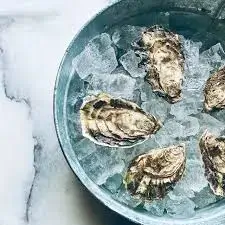
Appearance: High Beach Sweets Oysters have deep-cupped shells with a smooth, pearlescent interior. Their exteriors are a blend of brown, green, and gray hues. The tumbling process and water movement in Westcott Bay shape them.
Flavor Profile: These oysters are sweet and mild, with a clean, crisp finish. The brininess is subtle, allowing the natural sweetness and creamy texture to take center stage. Hints of melon and cucumber are often detectable in their flavor. They make a refreshing choice for raw oyster lovers.
Location
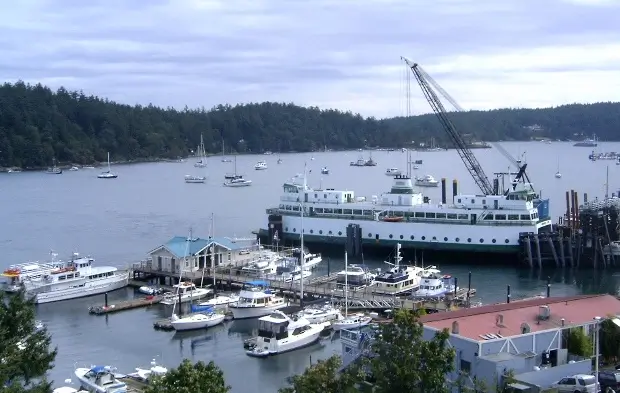
High Beach Sweets oysters from Westcott Bay Shellfish Company are cultivated in Westcott Bay. This bay is located on San Juan Island in Washington. San Juan Island sits in the Salish Sea between Seattle and Vancouver.
Westcott Bay opens toward protected waters in the San Juan archipelago. Cold Pacific water floods the bay twice daily with nutrients and oxygen. A freshwater creek also feeds the upper tidal zones where farm racks sit.
These conditions mirror the upper beach zones that inspired the High Beach name. Slow growth in cool water builds firm meats and deep cups. The setting supports the sweet, clean flavor profile diners expect from this Pacific Northwest variety.
Key Environmental Factors
- Temperature: The waters of Westcott Bay rarely exceed 52 degrees Fahrenheit. This is within the optimal temperature range for oyster growth23. This temperature regime affects the life of the oyster. It controls the rate of water transport, feeding, respiration, gonadal development, and spawning4.
- Salinity: Westcott Bay’s mix of saltwater and freshwater from a nearby creek creates a suitable salinity level for oysters. Oysters can adapt to diurnal, seasonal, and annual fluctuations in salinity, which is crucial for their growth and reproduction4.
- Water Currents: The bay’s currents are strong enough to provide food and oxygen to the oysters. They also wash away sediments and biodeposits, which is essential for oyster growth4. The nearby creek flowing into the bay freshens the water and helps algae thrive, supporting the oyster’s nutritional needs3.
- Tidal Conditions: Westcott Bay Shellfish Company uses the intertidal growth method. This method lets the oysters be exposed to air at low tide. This exposure strengthens their abductor muscles. It also promotes healthy growth.
Sustainable Oyster Farming
Westcott Bay Shellfish Company uses traditional, hand-on approaches and sustainable farming practices to maintain the ecological integrity of the bay. The owners, Erik and Andrea Anderson, have nursed the shoreline back to health. They have rebuilt the 400-foot-long pier and docking floats. They also restored the farm’s declining infrastructure23. This commitment to sustainability ensures that the environmental factors in Westcott Bay support growth. The prosperity of high beach sweets oysters depends on this support.
Suggested Beverage Pairings
This slightly sweet, crisp wine enhances the natural sweetness of the oysters while balancing the subtle brininess.
The fruity notes of this ale are tart. They pair perfectly with the sweet and briny flavor of the oysters. This combination creates a refreshing contrast.
The crisp and clean profile of this gin complements the oysters’ melon notes. It also highlights the cucumber notes, enhancing the refreshing qualities of both.
The effervescence and bright acidity of Prosecco cut through the creaminess of the oysters. Its subtle sweetness complements their flavor.
This cider has crisp, slightly sweet apple flavors. These flavors pair beautifully with the oysters’ briny and sweet profile. Together, they create a harmonious pairing.
Where Can I Buy High Beach Sweets Oysters?
- Westcott Bay Shellfish Co. – This is the source of High Beach Sweets Oysters. You can order directly from the farm. There are options for local pickup or shipping.
References
- Coho Restaurant Blog
“Our Favorite Lunch Spot: Westcott Bay.” Coho Restaurant, https://cohorestaurant.com/blog/lunch-at-westcott-bay/. Accessed 14 Oct. 2024. - Filson Blog
Dengel, Camrin. “Way of Life: Westcott Bay Shellfish Co.” Filson, https://www.filson.com/blog/field-notes/westcott-bay-co/. Accessed 14 Oct. 2024. - Visit San Juans
“Westcott Bay Shellfish Co.” Visit San Juans, https://www.visitsanjuans.com/account/westcott-bay-shellfish-co. Accessed 14 Oct. 2024. - HistoryLink.org
“Oyster Farming in Washington, Part 2.” HistoryLink.org, 6 Mar. 2024, https://www.historylink.org/File/22908. Accessed 14 Oct. 2024. - Hum Creative
“Westcott Bay Shellfish Co.” Hum Creative, http://humcreative.com/project/westcott-bay-shellfish-co/. Accessed 14 Oct. 2024.
Discover more from The Oyster Encyclopedia
Subscribe to get the latest posts sent to your email.