

Quick Facts
- Every Guernsey oyster is locally reared-none are imported-making them one of the world’s few truly local oyster products234.
- Guernsey oysters grow quickly, reaching market size in just 18 to 24 months thanks to the nutrient-rich, fast-moving tides around Herm and Guernsey15.
- These oysters are Pacific Oysters (Crassostrea gigas) and are known for their plump, sweet, and briny flavor with buttery and melon notes45.
- Guernsey oyster farming is highly sustainable, with oysters acting as natural water filters and requiring no pesticides, antibiotics, or artificial feed34.
- The unique environment and careful brood stock selection ensure consistent quality and a distinctive taste profile exclusive to Guernsey oysters24.
What Are Guernsey Oysters?
Guernsey oysters stand out in the world of bivalves due to their strict local provenance and the island’s commitment to sustainable aquaculture. Every oyster consumed in the Bailiwick of Guernsey is reared locally, with seed produced at the Guernsey Sea Farms hatchery from carefully selected brood stock. This closed-loop system ensures that the oysters maintain a consistent quality and distinct character, making them a genuine Guernsey product-a rarity in global oyster markets where imports and mixed origins are common 124.
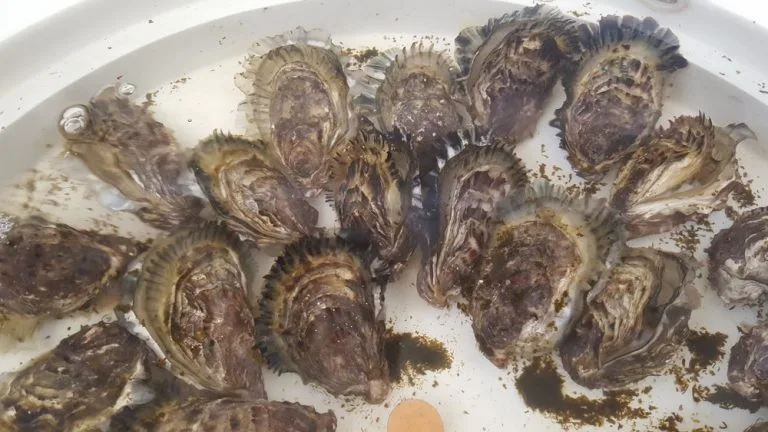
The unique environment of Guernsey and neighboring Herm Island imparts a signature flavor profile to these oysters. The farms benefit from some of the world’s fastest tidal ranges, which sweep nutrient-rich waters from the Gulf Stream over the beds twice daily. This dynamic marine environment, combined with the islands’ clean waters and biological isolation, results in oysters that are notably sweet, succulent, and plump, with a briny, melon, and buttery succession of flavor notes. The oysters reach market size quickly-often within 18 to 24 months-while developing a deep-cupped shell and high meat-to-shell ratio 235.
Sustainability and environmental stewardship are foundational to Guernsey oyster farming. The oysters are cultivated without the use of pesticides, antibiotics, or artificial feed, and their filter-feeding nature actively improves water quality. Local producers employ rigorous testing and purification processes to ensure food safety and product integrity. This combination of traceable origin, pristine growing conditions, and eco-friendly practices makes Guernsey oysters uniquely appealing to both connoisseurs and environmentally conscious consumers 126.
How Did Guernsey Oysters Get Thier Name?
The Guernsey oyster name derives from the island of Guernsey, in the Channel Islands, where farmers exclusivley cultivate them. The name directly reflects their geographic origin, as every oyster label containing “Guernsey” originate within the Bailiwick of Guernsey, making them a true local product 127.
This naming tradition emphasizes the oysters’ unique provenance and distinguishes them from oysters grown elsewhere, even though the species itself-Pacific Oyster (Crassostrea gigas)-originated in Japan. The Guernsey name signals both the place of cultivation and the distinct environmental influences of the island’s waters, which shape the oysters’ flavor and quality 127.
About The Farms

Guernsey oysters are cultivated by Guernsey Sea Farms and Guernsey Oysters, two key local businesses dedicated to sustainable shellfish farming. Guernsey Sea Farms, founded and operated by Mark and Penny Dravers for over 40 years. This is one of only two mollusc hatcheries in the British Isles. The company specializes in breeding, hatching oyster, and clam seed. They export up to 10 tonnes of disease-free oyster seed annually to Europe, Africa, and North America.
Their hatchery process involves conditioning brood stock, spawning, and rearing larvae in meticulously controlled environments, with a strong focus on energy efficiency and algae cultivation for optimal oyster health 1258.

Guernsey Oysters, currently managed by Charlotte and Justin since 2016, focuses on growing and supplying market-ready oysters within the Bailiwick. They source their seed from Guernsey Sea Farms, using selected brood stock from their own Herm Island farm to maintain quality and consistency. Once the seed reaches the right size, it is transferred to mesh bags on metal trestle tables in the tidal zones, where the oysters grow in nutrient-rich, clean waters. This method ensures the oysters develop their distinctive flavor and plump texture, benefiting from the island’s pristine marine environment 34.
Both companies operate with a strong commitment to sustainability and traceability. Guernsey Sea Farms handles the earliest life stages, while Guernsey Oysters oversees the grow-out and harvesting process.
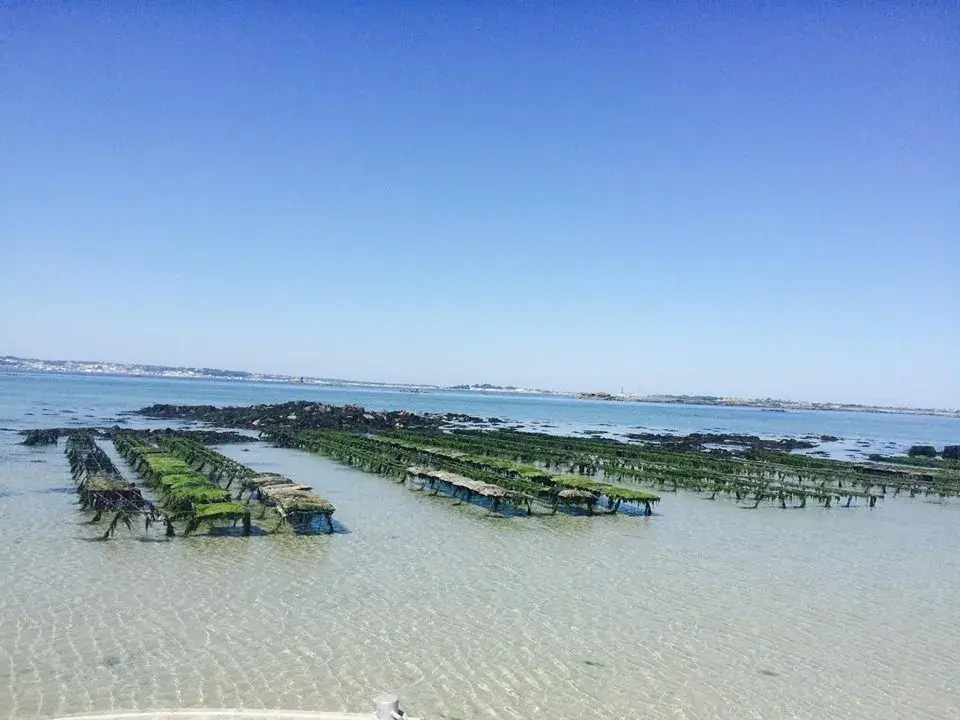
This local, vertical approach guarantees that every Guernsey oyster spawns within the Bailiwick. This method supports both environmental stewardship and the island’s reputation for premium shellfish 138.
Follow Them
Discover the authentic taste of Guernsey oysters by visiting the official websites. Check out thier social media profiles of Guernsey Sea Farms and Guernsey Oysters. Stay updated on their sustainable practices, latest harvests, and exclusive offers. Dive deeper into the world of premium, locally cultivated oysters and support these dedicated producers today!
Herm & Guernsey Oysters
Guernsey Sea Farms
Guernsey Oysters Information
Oyster: Guernsey Oyster
Species: Crassostrea gigas (Pacific Oyster)
Cultivation Method: Intertidal bag-on-trestle farming.
Size: 5-6″
Seasonality: Available year-round, with peak quality from April to September
Culture Method: Hatchery-raised seed, grown in mesh bags on metal trestles in tidal zones.
Salinity: Approximately 30–35 ppt
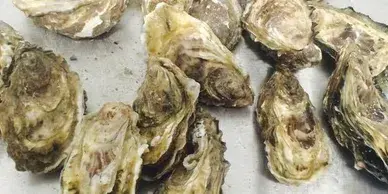
Appearance: deep-cupped shells that are predominantly white with distinctive purple patches. Their shells are thick and robust, providing a sturdy casing for the plump, soft meat inside. The overall appearance is clean and attractive.
Flavor Profile: A balanced brininess with a moderate saltiness that is smooth and never overpowering. They deliver a rich, buttery texture complemented by subtle sweet melon and cucumber notes. The finish is clean and slightly creamy, leaving a refreshing and lingering taste on the palate.
If you like Guernsey Oysters, then check out these similar varieties!
Location
Farmers cultivate Guernsey oysters in the clean, nutrient-rich coastal waters surrounding the islands of Guernsey and Herm. It sits in the English Channel between England and France 125. The primary cultivation sites include tidal zones just below the half-tide mark, such as the bay of Rocquaine. Along with other select coastal areas around Herm Island 234. These sites are carefully chosen for their exposure to strong tidal currents. This is due to thier crucial role in oyster development by delivering a steady supply of food and oxygen.
Environmental Factors
Several environmental factors make this location exceptionally beneficial for oyster growth. Guernsey’s waters are biologically isolated, with no native populations of oysters or mussels. This works to reducing the risk of disease transmission and invasive species competition 1. The islands’ deep, clean waters are continuously refreshed by some of the world’s fastest tidal ranges. These tides work day and night bringing in nutrient-rich algae that oysters filter-feed on, supporting rapid and healthy growth 15. The favorable climate and excellent seawater quality further enhance the suitability of these sites for oyster farming 1.
The physical setup of the farms also leverages these environmental advantages. Oysters grow in mesh bags on metal trestle tables. These trestle tables raise them off the sand and place them directly in the path of the nutrient-laden currents 5. This method ensures that each oyster receives optimal nourishment and remains free from excess sediment. The end result is a plump texture and clean flavor. The tidal movement not only supplies food, but also helps to naturally cleanse the oysters, maintaining high standards of food safety and product quality.
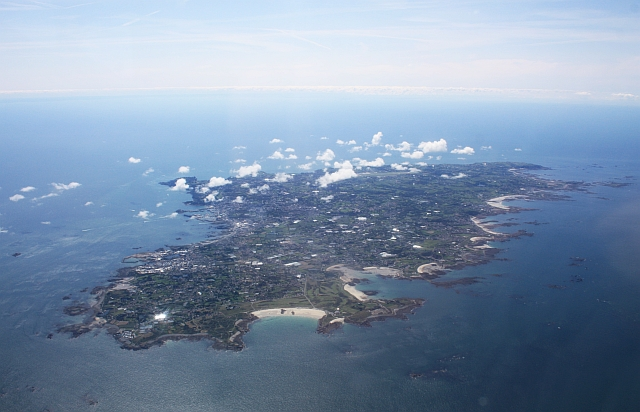
Overall, the coastal waters of Guernsey and Herm a unique combination of tidal flows, water quality, biological isolation. These environmental factors directly contribute to the oysters’ rapid growth, robust health, and distinctive taste. Ultimately, setting Guernsey oysters apart from those grown in less dynamic or less protected environments 125.
Suggested Beverage Pairings
- Sancerre Domaine Vacheron – A crisp Sauvignon Blanc with vibrant acidity and herbal notes that enhance the oyster’s fresh, briny flavors while adding a zesty brightness.
- Riesling Dr. Loosen Blue Slate Kabinett – This off-dry Riesling offers balanced sweetness and minerality that complement the oyster’s subtle melon and buttery notes without overpowering them.
- Veuve Clicquot Brut Yellow Label Champagne – Its lively bubbles and rich, toasty character provide a refreshing contrast to the oyster’s creamy texture and bring out its natural sweetness.
- Sierra Nevada Pale Ale – The moderate bitterness and citrusy hop profile of this pale ale highlight the oyster’s brininess and add a pleasant, crisp finish.
- Hendrick’s Gin & Tonic – The floral and cucumber notes in Hendrick’s gin paired with tonic water amplify the oyster’s melon and cucumber flavors, creating a clean, refreshing pairing.
Where Can I Buy Guernsey Oysters?
- Guernsey Sea Farms – Offers direct wholesale and retail sales of locally bred and reared Guernsey oysters with full traceability.
- Guernsey Oysters (Herm & Guernsey Oysters) – A family-run business selling premium Guernsey oysters through their official website and local outlets.
- Simply Oysters – Provides fresh Guernsey Pacific Oysters couriered directly to UK addresses for convenient home delivery.
- Manor Farm Fish – A leading Guernsey wholesale fishmonger stocking fresh Guernsey oysters with online ordering options.
- The Puffin & Oyster – A brasserie-style restaurant on Guernsey’s northwest coast serving fresh Guernsey oysters prepared by professionals
Discover more from The Oyster Encyclopedia
Subscribe to get the latest posts sent to your email.