


Quick Facts
- Species: Eastern Oyster (Crassostrea virginica)
- Cultivation Method: Farmed; 12-18 months grow-out period.
- Location: Mecox Bay, Long Island, New York.
- Flavor Profile: Briny, sweet with a mineral finish.
- Size: 2.5-3 inches, cocktail size.
What Are Flying Point Oysters?
Flying Point Oysters stand out in the world of Eastern Oysters through their distinctive cultivation process in Maine’s Maquoit Bay. The farmers start by nurturing these oysters in protected upwellers until they reach 1.5 inches, then transfer them to hard-packed mud flats where they develop their signature characteristics 14.
The unique tidal patterns and estuarial conditions of Maquoit Bay create an ideal environment for these oysters to thrive. The constant flow of fresh seawater helps their robust growth. The bay’s cold, plankton-rich waters ensure a healthy shell structure 1. This pristine environment directly influences their distinctive flavor profile, which balances mild salinity with a clean, fading finish 4.
Eric and Valy are the husband-and-wife team behind Flying Point Oysters. They have spent nearly two decades perfecting their craft in Freeport, Maine 5. Their hands-on, no-frills approach to oyster farming emphasizes quality over lifestyle. This results in oysters that feature a hardy, bold shell with a characteristic green hue1. The firm hinge makes them particularly appealing to chefs. Their deep cups and 3-4 inch size make them an impressive addition to any oyster plate 13.
How Did Flying Point Oysters Get Their Name?
Flying Point Oysters derive their name from the Flying Point peninsula, a notable geographic feature near Freeport, Maine. The waters of Maquoit Bay surround this peninsula, where farmers cultivate these oysters. The oyster industry commonly names oysters after the specific locations where cultivation occurs.
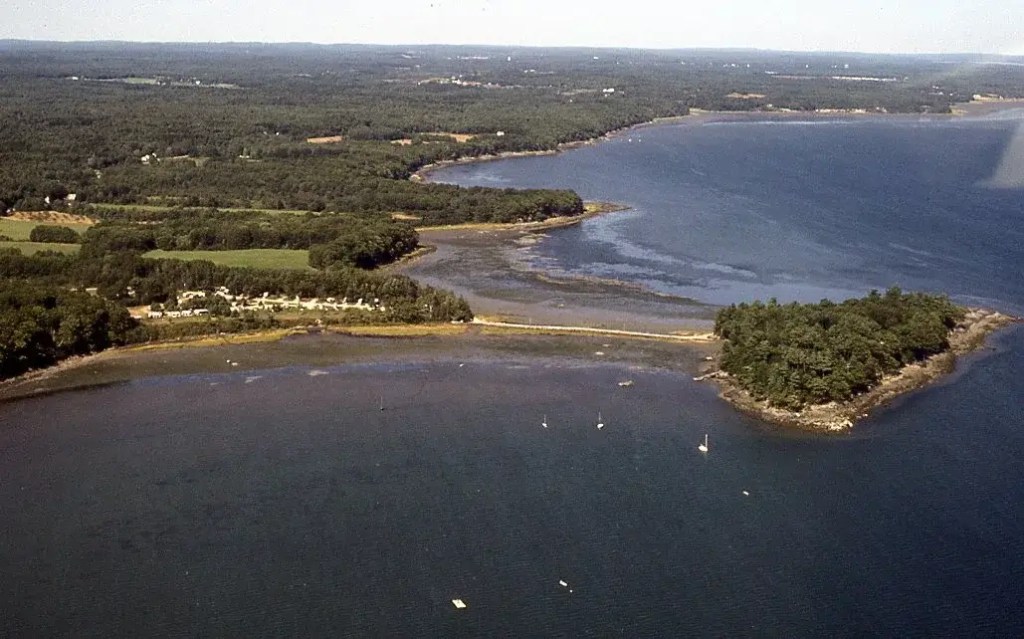
About Flying Point Oyster Farm
Flying Point Oyster Farm, located in Freeport, Maine, is the brainchild of Eric Horne and Valy Steverlynck. The couple started the farm in 2000. They moved from Boston to seek a more balanced lifestyle. They also wanted to start a family. Eric’s background in oyster aquaculture made the transition to oyster farming a natural fit. Over the past two decades, Eric and his family have built a reputation for producing high-quality oysters. They have leveraged the pristine waters of Maquoit Bay and the Royal River estuary to cultivate their product.

The farm operates as a family business, with Eric and Valy handling most of the day-to-day operations. This hands-on approach allows them to maintain high standards and focus on the quality of their oysters. They start by raising the oysters in upwellers until they reach a size of 1.5 inches, after which the oysters are transferred to hard-packed mud flats to grow to full size. This meticulous process ensures that Flying Point Oysters develop their characteristic robust flavor, a balance of saltiness, and lasting sweetness. The farm takes a no-frills, practical approach to oyster farming. It emphasizes hard work and dedication. They do not treat it as a lifestyle choice.
Eric and Valy have chosen to sell their oysters wholesale to seafood distributors. This decision allows them to focus on the cultivation and harvesting aspects of the business. This strategy has proven effective, as it frees them from the logistical challenges of direct sales and distribution. Reputable seafood markets like Harbor Fish Market sell their oysters. Browne Trading Company in Portland also sells their oysters. Local restaurants like Eventide Oyster Co. and Scales feature them. This partnership with distributors has enabled Flying Point Oyster Farm to reach a broader market. It has also maintained the high quality of its product.
Flying Point Oysters Information
Oyster: Flying Point
Species: Crassostrea virginica (Eastern Oyster)
Cultivation Method: Farmed for 2-3 years.
Size: 3-4 inches
Seasonality: Available year-round, with peak quality in fall
Culture Method: Upwellers for the juvenile stage, followed by bottom planting
Salinity: Approximately 28-30 ppt
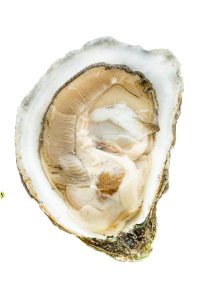
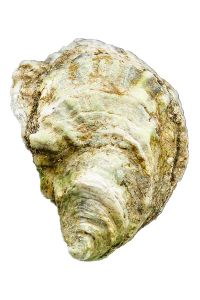
Appearance: distinctive, hardy, bold shells with a green hue. They possess a classic teardrop shape and are known for their deep cups. The oysters typically reach 3 to 4 inches when fully grown.
Flavor Profile: A balanced taste, combining a hint of brininess with a pronounced sweetness. The oysters deliver a full-bodied experience on the palate, leaving a lasting sweet aftertaste that complements their initial subtle saltiness.
If you like flying point oysters, then check out these similar varieties!
- Bigger Butter Oysters
- Elm Grove Oysters
- Grand Batture Oysters
- Harvest Moon Oysters
- La St. Simon Oysters
Location
Flying Point Oysters grow in Maquoit Bay, near the Flying Point peninsula in Freeport, Maine.
The bay’s unique tidal patterns ensure a constant flow of fresh seawater. This flow is crucial for the health of the oysters. It is also vital for their growth. The estuarial conditions at the mouth of the Royal River further enhance the water quality. These conditions supply the oysters with a steady stream of nutrients essential for their development.
Several environmental factors make Maquoit Bay particularly beneficial for oyster growth. The cold, salty waters of the bay are rich in plankton and other microorganisms that oysters feed on. This promotes robust growth and a healthy shell structure. The bay’s hard-packed mud flats also provide a stable substrate for bottom planting. This allows the oysters to grow undisturbed and develop their characteristic deep cups and sturdy shells.
The tidal patterns in Maquoit Bay play a significant role in the cultivation process. The regular ebb and flow of tides ensure that the oysters get frequent exposure to fresh, oxygenated water. The constant supply of oxygenated water is essential for their respiration and overall health. This natural water movement also helps to distribute nutrients evenly throughout the bay. As a result, it supports the oysters’ growth and enhances their flavor profile. Combining these tidal dynamics and the nutrient-rich waters creates a thriving environment conducive to producing high-quality oysters.

Suggested Beverage Pairings
- Land’s End Cape Agulhas Sauvignon Blanc – This Sauvignon Blanc offers high acidity and zesty citrus. Thus creating flavors that balance Flying Point Oysters’ mild salinity and sweetness. The wine’s minerality complements the oysters’ briny notes. On the other hand, its refreshing finish cleanses the palate between bites, enhancing the overall tasting experience.
- Louis Metaireau Grand Mouton Muscadet-Sèvre et Maine – Muscadet from the Loire Valley is known for its saline marine qualities. As a result, it mirrors the briny profile of Flying Point Oysters. The wine’s citrus and floral notes contrast the oysters’ sweetness, making each bite more dynamic and enjoyable.
- Cantillon Gueuze Lambic – This slightly sour beer transforms Flying Point Oysters’ flavors into a more complex and layered experience. The beer’s tartness enhances the oysters’ natural sweetness without overpowering their delicate finish.
- Ford’s Gin Martini – A classic Martini made with Ford’s Gin. It offers juniper spice and aromatic citrus notes that complement the oysters’ briny and sweet profile. The gin’s crisp and clean finish accentuates the oysters’ freshness, making for a sophisticated and balanced pairing.
- Negroni Sbagliato – This cocktail is made with sparkling wine, Campari, and sweet vermouth. It provides a bitter-sweet balance that pairs well with the oysters’ briny and sweet flavors. The effervescence of the sparkling wine lifts the palate. At the same time, the bitterness of Campari cuts through the oysters’ richness, creating a harmonious and refreshing pairing.

Where Can I Buy Flying Point Oysters?
- The Maine Oyster – Offers Flying Point Oysters shipped directly from Casco Bay, ensuring they are always fresh.
- Atlantic Aqua Farms USA – Provides Flying Point Oysters farmed in Maquoit Bay, available online.
- Glidden Point Oyster Farm – Sells Flying Point Oysters and other premium New England oysters, shipped to your door.
Stay Connected with The Oyster Encyclopedia!
Follow us on social media to get the latest updates, oyster recipes, and behind-the-scenes glimpses into the world of oysters:
Stay tuned for exclusive content, oyster trivia, and more! Engage with our vibrant community of oyster enthusiasts by liking, commenting, and sharing our posts. Your support helps us continue providing valuable oyster knowledge to fellow seafood lovers worldwide.
References
- “Flying Point Oysters.” Atlantic Aqua Farms USA, N.p., n.d., atlanticaquafarms.com.
- “Flying Point Oyster.” Oysterater, N.p., n.d., oysterater.com.
- “Eric & Valy.” The Maine Oyster Company, N.p., n.d., themaineoystercompany.com.
Discover more from The Oyster Encyclopedia
Subscribe to get the latest posts sent to your email.