

Quick Facts
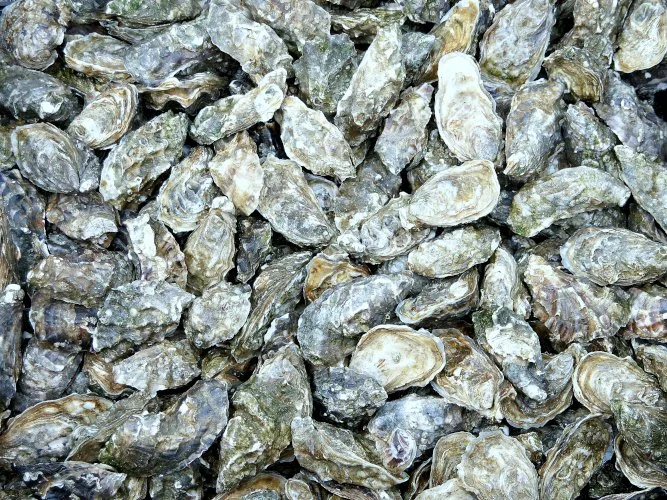
- Raised off the coast of Île d’Oléron in southwestern France, renowned for their balanced salt content and delicate meat.
- Cultivated using traditional techniques and matured in “claire” salt ponds for at least three weeks.
- Primarily Pacific oyster species (Crassostrea gigas), grown for 3+ years and available year-round.
- Characterized by a distinct, subtle vegetal flavor with hints of seaweed and light brininess.
- Well-known for their subtle green gills, a hallmark of maturation in phytoplankton-rich clay ponds.
What Are Fine l’Oléronaise Oysters?
Fine l’Oléronaise oysters stand out because of their specialized finishing stage in clay ponds called claires. These shallow pools were once used to produce salt, but farmers now use them to mature the oysters after they leave ocean beds. The unique environment of these ponds fosters a specific blend of minerals and microalgae, which influences the oysters’ flavor, color, and texture. This process allows the oysters to absorb the essence of the region, resulting in subtleties that others cannot match.
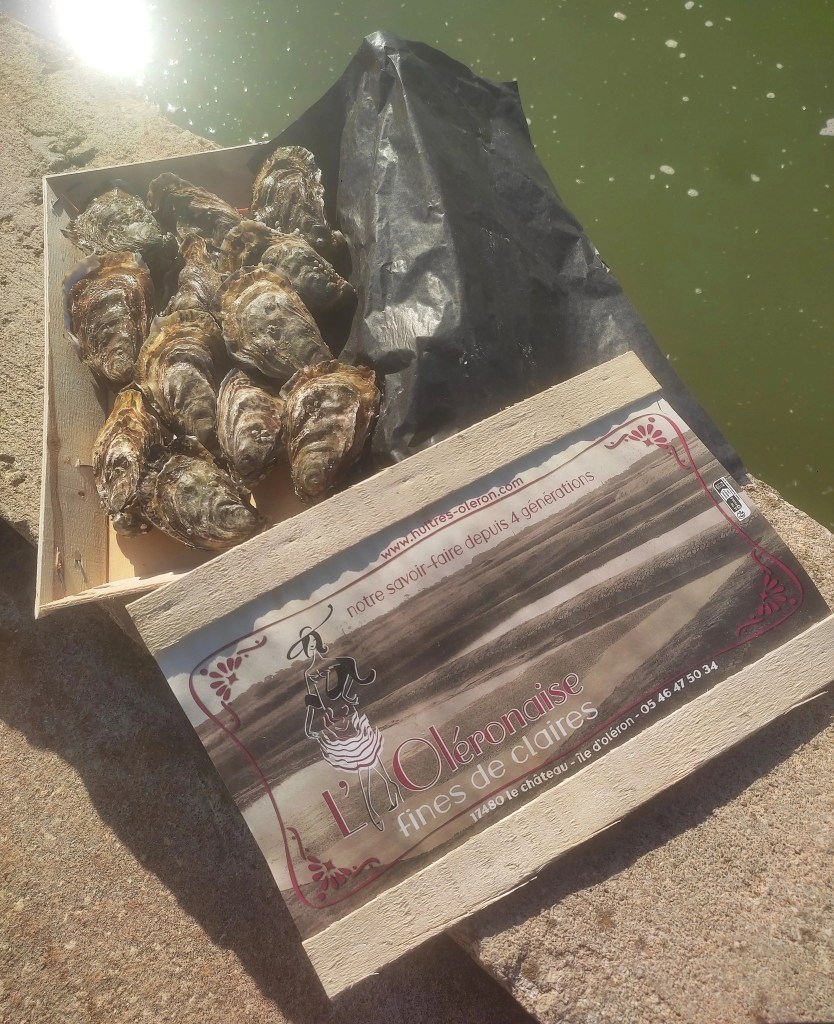
The oysters feed on abundant phytoplankton found in these sunlit ponds, which helps shape their clean taste and signature appearance. Farmers manage the light, water exchange, and density in each pool, letting the oysters grow slowly and develop a delicate, refined quality. The presence of blue-green microalgae even tints some oysters’ gills, adding an eye-catching green hue and highlighting their local roots.
Another aspect that sets Fine l’Oléronaise oysters apart is the deep expertise and daily commitment of the region’s farmers. Their techniques demand years of patience and respect for both the tides and the natural life cycles. Every detail, from the careful transfer of oysters between growing sites to the precise timing of harvests, reflects a unique blend of history and craftsmanship. This results in oysters that truly express their origin, both in taste and tradition.
How Did Fine l’Oléronaise Oysters Get Their Name?
The name “Fine l’Oléronaise” is deeply rooted in the terroir of Île d’Oléron, a French island with a proud oyster-farming tradition dating back centuries. The “Fine” designation refers to the oyster’s refinement phase in “claire” salt ponds, which sets them apart from those grown solely at sea. The suffix “l’Oléronaise” highlights their geographical origin, emphasizing their specific maturation process and the distinctive local conditions of Oléron’s coastal waters.
Oysters from this region were historically prized by the elite, with the ancient Romans paying large sums to import them for lavish banquets. Over time, the region evolved from traditional salt production to oyster farming—a transformation that cemented both the oyster’s name and its reputation. Today, the Fine l’Oléronaise name connects this cultured delicacy to generations of expertise and a unique maritime environment.
About the Cultivation Process
The cultivation process of Fine l’Oléronaise oysters involves patience, precision, and a series of carefully timed steps. Farmers begin by placing collectors in the sea around July to catch wild oyster larvae, known as spat. Over several months, the spat settles and grows before workers separate the young oysters using special sieves. These oysters are placed in mesh bags and set on tables in intertidal zones, which makes them stronger and helps them develop a better shell.
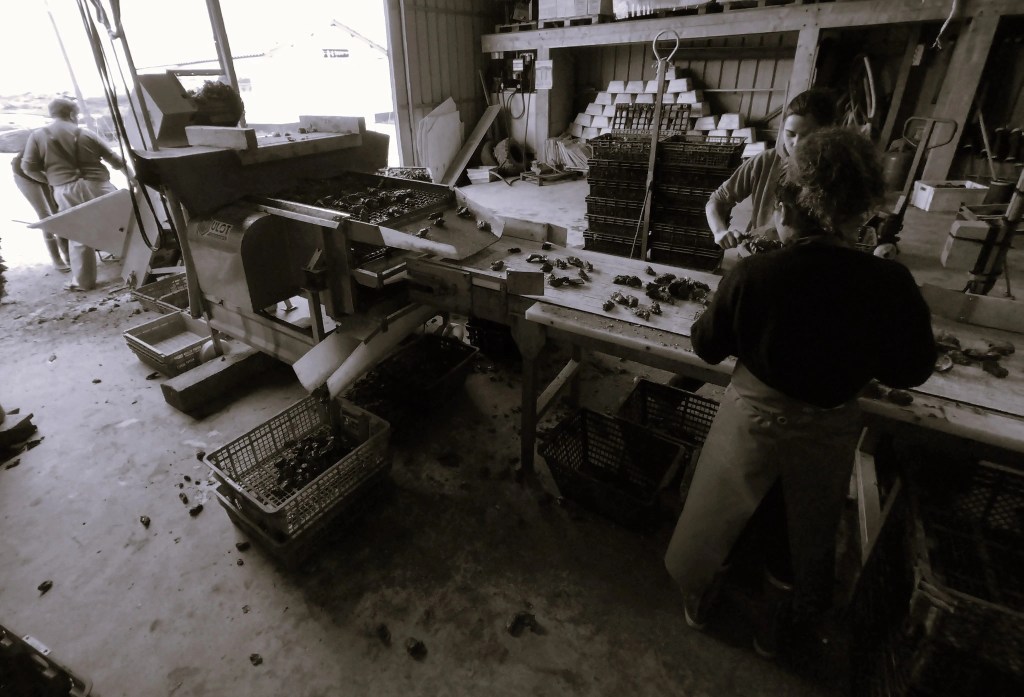


Oyster farmers regularly move and flip the bags as the oysters grow, which prevents the shells from deforming and helps the oysters achieve a consistent size. After about three years in the ocean, the oysters are sorted and washed using conveyor belts and machines, which remove sand and impurities from their shells. Some oysters are sent straight to the market, while others are chosen for refinement in clay ponds called claires.
The claire stage is what makes Fine l’Oléronaise oysters unique. Farmers transfer the oysters to shallow, sunlit salt ponds for several weeks, at a very low density. Here, the oysters filter feed on naturally occurring microalgae, absorbing unique minerals and flavors from the local environment. The water conditions and sun exposure in these ponds help develop their delicate taste and sometimes give their gills a light green tint. The careful balance of time, density, and water quality in the claires produces oysters with a subtle, balanced flavor and tender texture.
About The Massé Oyster Farm
The Massé Oyster Farm sits between the Charente coast and Oléron Island, taking full advantage of a region celebrated for oyster production for more than a century. The farm carefully maintains both traditional and modern facilities, including expansive sea beds in the intertidal zone and restored clay claires for maturing oysters. These sites foster ideal conditions thanks to sandy bottoms rich in plankton and tidal flows that refresh the water, boosting both oyster growth and nutritional value.
The farm stands out for its detailed organization and hands-on approach. Workers regularly tend to mesh bags on seaside tables throughout the year, flipping and shaking them to shape strong, even shells. After oysters reach the proper size, workers transport them to historic claires, where the low density and unique sun exposure allow the oysters to develop their subtle flavors and signature colors. Purging tanks filled with fresh seawater help cleanse the oysters before they get packed for shipping, supporting both quality control and food safety.
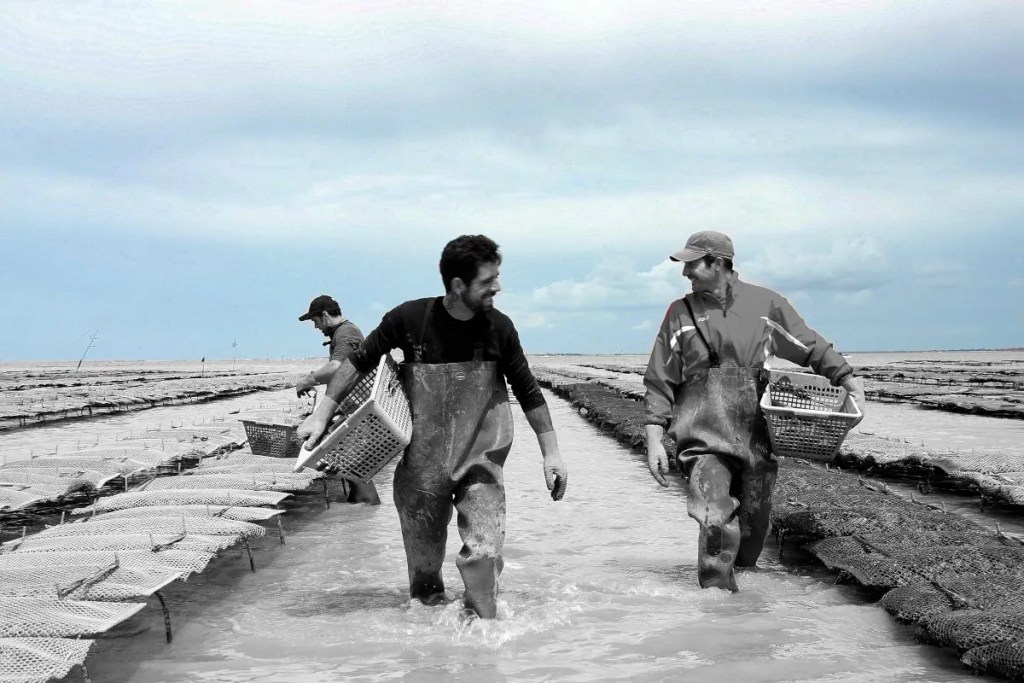
Massé Oyster Farm’s strong family legacy, focus on quality, and year-round operations combine to deliver oysters globally. Each member of the team contributes specialized knowledge, ensuring standards remain high and customer trust is maintained with every delivery.
Follow Them
Discover more about the craftsmanship behind Fine l’Oléronaise oysters by visiting The Massé Oyster Farm’s official website and social media channels. Explore their story, see the latest updates, and connect directly with the people who bring these exceptional oysters from the coast of Oléron to your table!
Fine l’Oléronaise Oysters Information
Oyster Name: Fine l’Oléronaise
Species: Pacific Oyster (Crassostrea gigas)
Cultivation Method: Farmed for 3+ years at sea, finished 3–4 weeks in claires
Size: Typically 2–4 inches (5–10 cm)
Seasonality: Available year-round with peak flavor from November to March
Culture Method: Transferred from open-sea beds to salt ponds for refining
Salinity: 28–32 ppt, matching Marennes-Oléron’s waters

Appearance: fluted, oval-shaped shells with light gray to ivory tones. Their gills often show a distinctive green tint, a result of absorbing pigment from microalgae in the clay ponds during maturation. The interior shell is smooth and pearly white, further enhancing their visual appeal.
Flavor Profile: Clean, briny taste balanced by a gentle saltiness and subtle marine notes. Their flavor reveals a mild sweetness, with delicate nutty and almond hints that do not linger long on the palate. The overall experience is fresh, crisp, and refined.
If You Like L’Oléronaise Oysters, Then Check Out The Similar Varieties!
Location
Fine l’Oléronaise oysters are farmed in the Marennes-Oléron basin on the Atlantic coast of France, particularly around the Île d’Oléron.
The region benefits from a rich blend of fresh and saltwater, twice-daily tidal exchanges, and temperate weather. The presence of ancient clay-bottomed “claire” ponds is a key factor, offering the ideal environment for finishing oysters.
Environmental Factors
A series of natural environmental factors make the Marennes-Oléron basin ideal for oyster growth. Twice daily, ocean tides mix fresh Atlantic seawater with the inflows of rivers like the Seudre, providing a dynamic blend of minerals and nutrients that sustain both phytoplankton and oysters. The shallow ponds, or claires, receive abundant sunlight, boosting the growth of microalgae—the oysters’ primary food source—and ensuring a continuous supply of oxygenated, clean water. The mineral-rich clay traps trace elements and purifies the water, which strengthens oyster shells and subtly shapes their flavor.
Additional environmental benefits support both oyster health and product quality. The region enjoys a mild maritime climate with small seasonal temperature swings and a semi-enclosed geography that protects against extreme weather. Clay pond bottoms help regulate water temperature and retain nutrients, while a consistent, stable salinity prevents stress and allows for year-round cultivation. Generations of expertise have built on these natural assets, perfecting sustainable methods that maintain both the health of the oysters and the local environment.
Together, these unique environmental and traditional factors create a one-of-a-kind marine habitat. Oysters from Marennes-Oléron offer reliably firm texture, clean flavor, and visual qualities that have made them a benchmark in the world of premium shellfish
Suggested Beverage Pairings
- Chandon Reserve Blanc de Blancs (Napa Valley, USA) – This sparkling wine features bright acidity and persistent bubbles that naturally lift the oyster’s briny flavors while refreshing the palate between bites. The crisp citrus notes pair well with the delicate balance and minerality of Fine l’Oléronaise oysters, creating a lively mouthfeel with every sip.
- Domaine Gadais ‘Navineaux-Amphibolite’ Muscadet Sèvre et Maine Sur Lie (Loire Valley, France) – Muscadet’s signature minerality and high acidity are ideal for pairing with oysters. This specific bottle complements the oyster’s sea-salt and nuttiness, delivering a clean finish and drawing out the oyster’s subtle sweetness.
- Üiger Wzg Riesling Kabinett (Mosel, Germany) – A light, off-dry Riesling brings gentle fruitiness and a hint of sweetness, which plays beautifully against the oyster’s brine. This pairing reveals new layers on the palate, as the wine’s acidity and floral character highlight the oyster’s freshness.
- Allagash Tripel (Maine, USA) – This golden ale merges honey, tropical fruit, and light herbal notes with a subtle sweetness and dry finish. The beer’s complexity matches the oyster’s mix of salt and sweet, while its carbonation helps cleanse the palate after each oyster.
- Classic Gin Martini with Hendrick’s Gin – A chilled gin martini, especially one made with Hendrick’s, brings cucumber and subtle floral notes that echo the oyster’s delicate sea-vegetal flavor. Its bracing dryness and cool botanicals clarify each bite, offering a sophisticated, revitalizing pairing.
Where Can I Buy Fine l’Oléronaise Oysters?
- L’Oléronaise Official Online Shop – This is the direct source from the Massé family farm, offering fresh shipments throughout France and internationally.
- Mon Épicerie Gourmande – A gourmet online store with a range of Marennes-Oléron oysters, shipped fresh and insulated to maintain quality.
- Classic Fine Foods – Premium supplier specializing in high-end seafood, including Fines de Claire and Spéciales de Claire Marennes Oléron oysters, for home and restaurant delivery.
- Farmy.ch – A Swiss-based online market delivering Marennes-Oléron oysters across Switzerland in secure, chilled packaging.
References
- L’Oléronaise. “First-class oysters from île d’Oléron – L’Oléronaise.” L’Oléronaise, www.oleronaise.com/en/huitre/. Accessed 3 Oct. 2025.
- “Marennes-Oléron oysters – Royan Atlantique.” Royan Atlantique, www.royanatlantique.fr/en/explorer/terroir-et-gastronomie/les-huitres-marennes-oleron/. Accessed 3 Oct. 2025.
- “History | Marennes Oléron oysters.” Huitres Marennes Oléron, www.huitresmarennesoleron.info/UK-terroir_historique.html. Accessed 3 Oct. 2025.
- “L’Oléronaise – Huîtres Marennes Oléron on the island of Oléron.” Guide Charente Maritime, www.guide-charente-maritime.com/en/tourism/tasting/products/seafood/le-chateau-d-oleron-384/l-oleronaise-12178.html. Accessed 3 Oct. 2025.
- “Huîtres Marennes-Oléron – Label Rouge for seafood products.” Aqualabel, www.aqualabel.fr/en/produits/huitres-marennes-oleron/. Accessed 3 Oct. 2025.
- “Marennes-Oléron oysters PGI | Taste France Magazine.” Taste France, www.tastefrance.com/us/french-products/seafood/marennes-oleron-oysters-pgi. Accessed 3 Oct. 2025.
- “The craft | huîtres Marennes Oléron oysters.” Huitres Marennes Oléron, www.huitresmarennesoleron.info/UK-terroir_metier.html. Accessed 3 Oct. 2025.
- “Les caractéristiques des huîtres L’Oléronaise.” L’Oléronaise, www.oleronaise.com/en/caracteristiques-des-huitres-loleronaise/. Accessed 3 Oct. 2025.
- “La Fine de Claire | Marennes Oléron Oysters.” Huitres Marennes Oléron, www.huitresmarennesoleron.info/UK-fine_de_claire.html. Accessed 3 Oct. 2025.
- “La vie de l’huître produite par L’Oléronaise au Château d’Oléron.” L’Oléronaise, www.oleronaise.com/en/la-vie-de-lhuitre/. Accessed 3 Oct. 2025.
- “Special Concave Oyster ‘Marennes Oléron’, Crassostrea gigas – SDV.” Specialistidelvivo, www.specialistidelvivo.com/en/oysters/special-oysters/special-concave-oyster-marennes-oleron-crassostrea-gigas. Accessed 3 Oct. 2025.
- “Fine de Claire Oysters – The Oyster Encyclopedia.” Oyster Encyclopedia, oysterencyclopedia.com/encyclopedia/fine-de-claire-oysters/. Accessed 3 Oct. 2025.
- “Fine de Claire Oysters: Marennes-Oléron’s French Delicacy Guide.” Seafood Market, seafoodmarket.com.sg/blogs/seafood/fine-de-claire-oysters-french-delicacy-guide. Accessed 3 Oct. 2025.
- “Fines de claires Oysters | frenchgourmet Hong Kong – WordPress.com.” French Gourmet HK, frenchgourmethk.wordpress.com/2012/01/05/fines-de-claires-oysters/. Accessed 3 Oct. 2025.
- “Oyster Fine de Claire Marennes Oleron N° 2×12 – 90 gr | Shop Online.” Shop Longino, www.shoplongino.hk/oyster-fine-de-claire-marennes-oleron-n-2×12-90-gr. Accessed 3 Oct. 2025.
Discover more from The Oyster Encyclopedia
Subscribe to get the latest posts sent to your email.