


Quick Facts
- Species: Eastern oyster (Crassostrea virginica).
- Origin: Goose Cove near Mount Desert Island, Maine.
- Farm / Company: Hollander & de Koning.
- Cultivation: Farmed on a 50-acre property; oysters begin in small bags and are later moved to floating cages to mature.
- Culture Method: Suspended culture / floating bags.
- Salinity: 25–35 ppt.
- Size: About 2–3″.
- Seasonality: Best noted October through March.
- Appearance: Small to medium, teardrop-shaped, deep-cupped oysters with a hard, thick, slightly rough shell.
- Flavor: Sweet and briny with hints of melon and cucumber, plus a savory, umami-like finish.
Flavor Chart
Sweet, briny, and crisp with melon-cucumber liftShuckability
Deep cup and sturdy shell; small-to-medium oyster with good structureWhen I buy it
When I want a polished Maine oyster with a premium feel, clean brine, and enough sweetness to win over a broad range of guests.
How I serve it
Very cold, very clean, and well-drained. Start naked. Follow with lemon only or a sharp, dry mignonette with no sweetness.
What to watch for
Don’t let meltwater sit in the tray. Dilution will flatten the brine and make the melon-cucumber character disappear fast.
My read
Sweet-briny and refined, with subtle melon and cucumber notes that make it feel crisp, polished, and distinctly Maine.
What Are Cadillac Oysters?
Cadillac Mountain Oysters emerge from Maine’s pristine waters. They offer a distinctive flavor profile. This sets them apart from their coastal counterparts 1. These remarkable bivalves require 3-4 years to reach maturity, demonstrating the patience and dedication needed to cultivate such exceptional seafood 2.
The flavor experience of Cadillac Mountain Oysters stands out with its unique combination of savory and umami-rich notes. Their taste begins with a sharp Maldon sea salt punch. Then comes the characteristic Maine sweetness. This combination captivates oyster enthusiasts 2. What truly distinguishes these oysters is their remarkable similarity to lobster claw and knuckle meat. They are complemented by subtle undertones of seaweed and nuttiness.
The cultivation process contributes significantly to their exceptional quality. These oysters start at just 13mm in length. They develop in suspended mesh bags. This method allows them to mature in optimal conditions. These conditions enhance their distinctive characteristics 1. This meticulous growing method ensures each oyster reaches its full potential while maintaining consistent quality and flavor.
How Did Cadillac Oysters Get Their Name?
The name “Cadillac Oysters” evokes luxury and high quality, much like the iconic automobile. These oysters aim to embody that standard of excellence in taste and cultivation.
The branding draws from their premium cultivation practices and exceptional flavor. The name serves as a nod to their polished presentation. They are held in high regard by oyster enthusiasts.
About Hollander and De Koning
The remarkable story of Hollander & de Koning began in 1776. Their ancestor, Theun de Koning, played a pivotal role in establishing the Netherlands’ first aquaculture lease system. This occurred during a mussel-related riot 3. This historic moment laid the foundation for six generations of shellfish cultivation expertise that continues today.
Modern Operations
The company operates from Bar Harbor, Maine. They established their presence there in 2004. At that time, Theo de Koning, a fifth-generation Dutch mussel farmer, relocated and built a thriving shellfish enterprise 5. In 2016, the company expanded into a larger facility, implementing innovative production methods that minimize “ship to shore” time 1.

The current operation maintains a strong family structure with each member contributing unique expertise. Theo de Koning, armed with advanced fisheries education, leads the company as owner and ship captain 1. Fiona, his wife, serves as head of operations and sales. Their son Alex contributes engineering innovations. Max, their other son, provides captaining skills 1. The family recently welcomed Mary de Koning. She transitioned from various support roles. Mary is now the new head of sales 1.
Business Philosophy
Hollander & de Koning demonstrates their commitment to quality through personal attention to every detail of their shellfish production 4. The company embraces a philosophy that each generation should evolve and enhance the family legacy. They maintain their dedication to sustainable aquaculture practices 4. As relative newcomers to Maine, they actively engage with the local community. Fiona serves as vice president on the Maine Aquaculture Association’s board of directors 5.
Follow Them
Experience the legacy of six generations of shellfish expertise by connecting with Hollander & de Koning today. Visit their website to discover their premium Cadillac Mountain Oysters. Explore their sustainable seafood offerings. Follow their social profiles for their daily harvests. Get behind-the-scenes glimpses.
Cadillac Oysters Information
Oyster: Cadillac
Species: Eastern Oyster (Crassostrea virginica)
Cultivation Method: Grown on a large 50-acre property in Maine. The oysters start in small bags . Afterward, oysters are placed in floating cages to mature until they are ready to be harvested.
Season: October and March.
Size: 2-3″
Culture Method: Suspended Culture
Salinity: 25-35 ppt
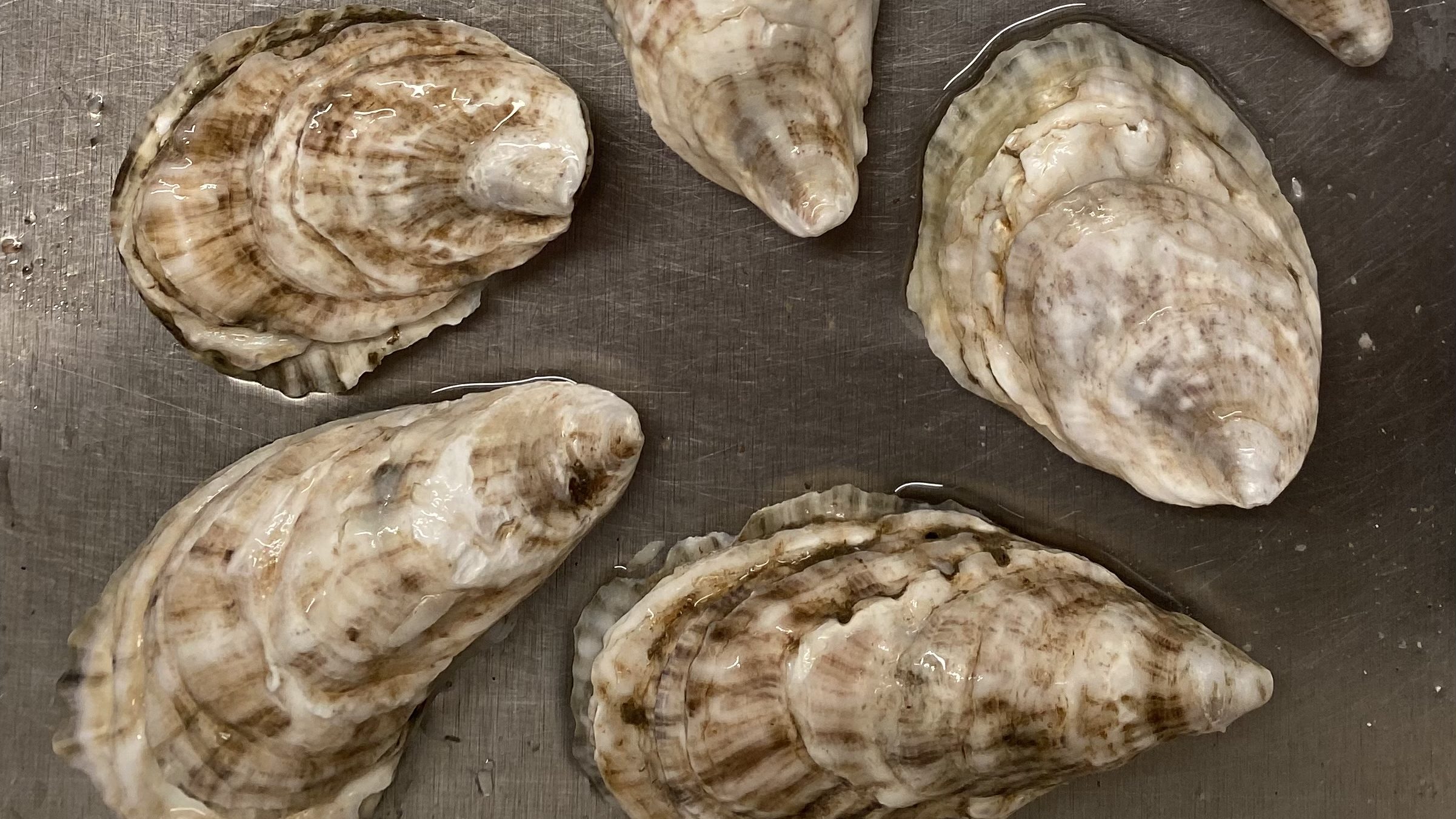
Appearance: small to medium size, with a distinctive teardrop shape and a deep cup. They have a hard, thick, and slightly rough outer shell, usually gray or brown. The inner shell is smooth and white, with a curved shape that gives the oyster its characteristic teardrop appearance.
Flavor Profile: The oyster has a sweet, briny taste with hints of melon and cucumber. Its slight saltiness balances the sweetness, giving it a savory, umami-like quality.
If you like Cadillac Oysters, then check out these similar varieties!
Location
Cadillac Mountain Oysters thrive in the pristine waters of Goose Cove, near Mount Desert Island in Maine’s Down East Region. The farm operates on a 50-acre property at the foot of Cadillac Mountain. This location provides an ideal setting for oyster cultivation 14.
Environmental Factors
The environmental conditions in this area create a perfect ecosystem for oyster growth. Cold Atlantic Ocean water gently mixes with mountain runoff, creating a unique water composition that enhances the oysters’ development 4. During winter months, the protected bay caps over with ice. This seals in the flavors. It contributes to the refined sweetness similar to that of fine ice wine 4.
The region has distinctive characteristics. These include frigid ocean temperatures and fast-flowing rivers. These rivers feed into the bays. Such conditions create optimal growing environments 5. This cold, nutrient-rich water directly influences the oysters’ flavor profile. It results in a complex taste with briny notes and sweet undertones 2. The waters around Acadia National Park are pristine. They support sustainable aquaculture practices and maintain exceptional water quality. This is crucial for healthy oyster development 4.
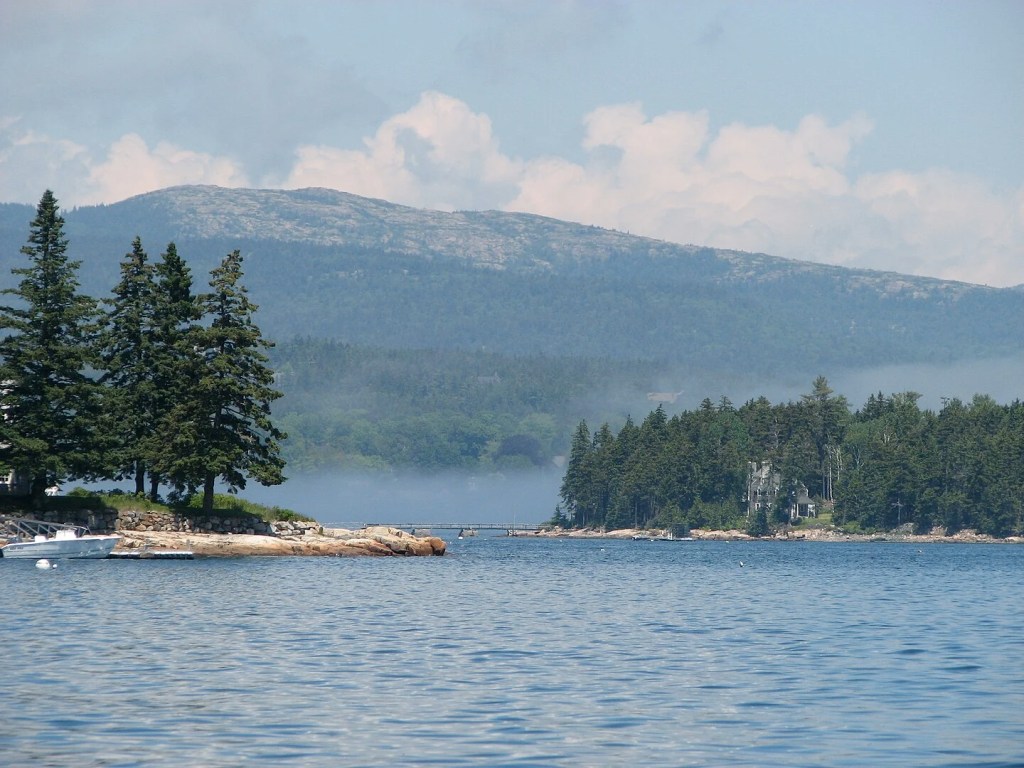
The location’s environmental benefits extend beyond just water quality. The protected bay setting provides natural shelter while allowing sufficient water flow for proper nutrient distribution. This combination of environmental factors includes cold water temperatures, pristine water quality, and natural protection. It also involves the unique mixing of ocean and mountain waters. These factors create an ideal habitat. This environment supports the 3-4 year growth cycle required for these premium oysters to reach maturity.
This guide is part of the Raw Bar Bible — chef-level technique, safety, and gear so you can shuck and serve oysters with confidence.
Suggested Pairing
- Patrick Puze Val de Mer Bourgogne Blanc: This un-oaked French white wine offers natural acidity. Its high minerality enhances the oysters’ briny profile. It does this without overwhelming their delicate flavors.
- Jean Max Roger Sancerre Les Caillottes: This Loire Valley wine’s bright citrus notes and crisp acidity perfectly balance the sweet undertones of the oysters while amplifying their complex flavor profile
- Hendrick’s Gin Martini: The subtle cucumber notes in Hendrick’s Gin complement the oysters’ natural sweetness. The clean finish allows their unique flavor to shine through.
- Muscadet Serve et Maine: This quintessential oyster pairing offers mineral, chalk, and saline qualities. These qualities mirror and enhance the oysters’ natural brininess. They also add subtle notes of unripe apricot and lemon cream.
Where to buy Cadillac Oysters
If you’re looking to buy Cadillac oysters, here are some options to consider:
- Island Creek Oysters: This company sells Cadillac oysters online and ships them directly to consumers.
- John Paul Caponigro: Cadillac oysters are one of Maine’s best oysters. You can check with local seafood markets or restaurants in Maine to see if they carry Cadillac oysters.
References
- “Cadillac Mountain Oysters.” Hollander & De Koning, www.hollanderanddekoning.com/cadillac-mountain-oysters.html.
- “Cadillac Mountain Oysters From Acadia National Park, Maine.” Island Creek Oysters, shop.islandcreekoysters.com/products/cadillac-mountain-oysters.Huggard, Sean.
- “What to Drink with Oysters – Wine Pairings.” Wine4Food, www.wine4food.com/editors-picks/what-to-drink-with-oysters/.
- Reed, Adam. “What to Drink with Oysters.” Father Daughter Wine, fatherdaughterwine.com/what-to-drink-with-oysters/.
- “Top Oyster Beverage Pairings.” Lobsters Online, www.lobsters-online.com/top-oyster-beverage-pairings.html.
- “5 Cocktails that Pair Perfectly with Oysters.” Wine Enthusiast, 6 June 2023, www.wineenthusiast.com/recipes/cocktail-recipes/oyster-and-cocktail-pairings/.
Discover more from The Oyster Encyclopedia
Subscribe to get the latest posts sent to your email.
My real-world read
Cadillac Oysters read like a polished Maine oyster—clean Atlantic brine up front, then a sweeter middle with those subtle melon-and-cucumber notes that keep them feeling crisp instead of sharp. They have enough elegance for oyster people, but they’re still approachable enough for guests who just want something refined and easy to like.