


Quick Facts
- Species: Eastern oyster (Crassostrea virginica).
- Origin: Great South Bay, Long Island, New York.
- Name Origin: Named after the hamlet of Blue Point on Long Island.
- History: One of the most famous oysters in American history and a staple of New York raw bars since the 1800s.
- Cultivation: Farmed and wild harvest in Great South Bay and surrounding waters.
- Size: Typically 2.5–3.5 inches.
- Seasonality: Traditionally strongest during the cooler “R months”.
- Salinity: Moderate to high due to Atlantic influence through Fire Island Inlet.
- Appearance: Medium-deep cup with smooth shells and plump meats.
- Flavor: Clean Atlantic brine with mild sweetness and a crisp mineral finish.
Flavor Chart
Classic Atlantic balanceShuckability
Generally consistent shellsWhen I buy it
When I want a traditional American oyster that guests instantly recognize.
How I serve it
Classic raw-bar presentation with lemon and mignonette.
What to watch for
Because Blue Points are widely harvested, quality varies depending on farm and handling.
My read
The definition of the New York oyster profile: clean, briny, balanced.
What Are Blue Point Oysters?
Blue Point oysters come from The Great South Bay and adjacent areas of Long Island Sound. They are one of the most well-known oysters on the planet. They have a delicious taste and firm texture, and are a prized variety of East Coast oysters. The name Blue Point comes from the area of Long Island where they were first harvested.
With a delicate, slightly briny flavor, Blue Point oysters are a popular choice for seafood lovers and chefs alike. You can enjoy these delectable mollusks raw on the half-shell or cook them in a variety of dishes. They pair well with a range of flavors, from tangy mignonette sauce to crisp, dry Champagne.
Whether you have been a fan of oysters for years or just starting to explore this world. Blue Point oysters will undoubtedly satisfy your taste buds and leave you wanting more.
How Did Blue Point Oysters Get Their Name?
Blue Point oysters take their name from Blue Point, a small coastal town in Long Island, New York. This area became famous in the 1800s for its high-quality oysters, prized for their exceptional taste and texture.

Blue Point oysters were initially harvested from the wild in the Great South Bay. They gained a reputation for their robust salinity and distinctive minerality. The name became synonymous with premium oysters. Eventually, it was used to describe oysters of similar quality cultivated in other regions.
Today, while the original Blue Point oysters from Long Island still hold their legacy, the term is used more broadly. Farmed oysters bearing the name are cultivated under strict quality standards. These standards help preserve the flavor profile that made Blue Points a culinary icon.
The Cultivation Process
Blue Point oysters are cultivated using both wild and aquaculture methods. Wild Blue Points are harvested primarily from Long Island Sound. In these waters, ideal conditions allow them to grow naturally on the seabed.
Farmed Blue Points often utilize rack-and-bag methods. They also use bottom culture methods. These strategies help protect the oysters from predators. Meanwhile, they maintain exposure to natural currents. Farmers monitor salinity levels, water quality, and growth rates to ensure consistency.

The grow-out period typically lasts 18-36 months, depending on the region and method. This meticulous cultivation ensures each oyster develops its characteristic size, taste, and shell strength, maintaining the Blue Point legacy.
Blue Point Oysters Information
Oyster: Blue Point
Species: Eastern Oyster (Crassostrea virginica)
Production: Farmed/Wild
Season: Year Round
Size: 2.5-4.5″
Culture Method: The bottom culture method is the natural culture of Blue Point oysters. In the summer, they clear beds of bottomland and spread fresh shells on them.
Salinity: 25-32 ppt
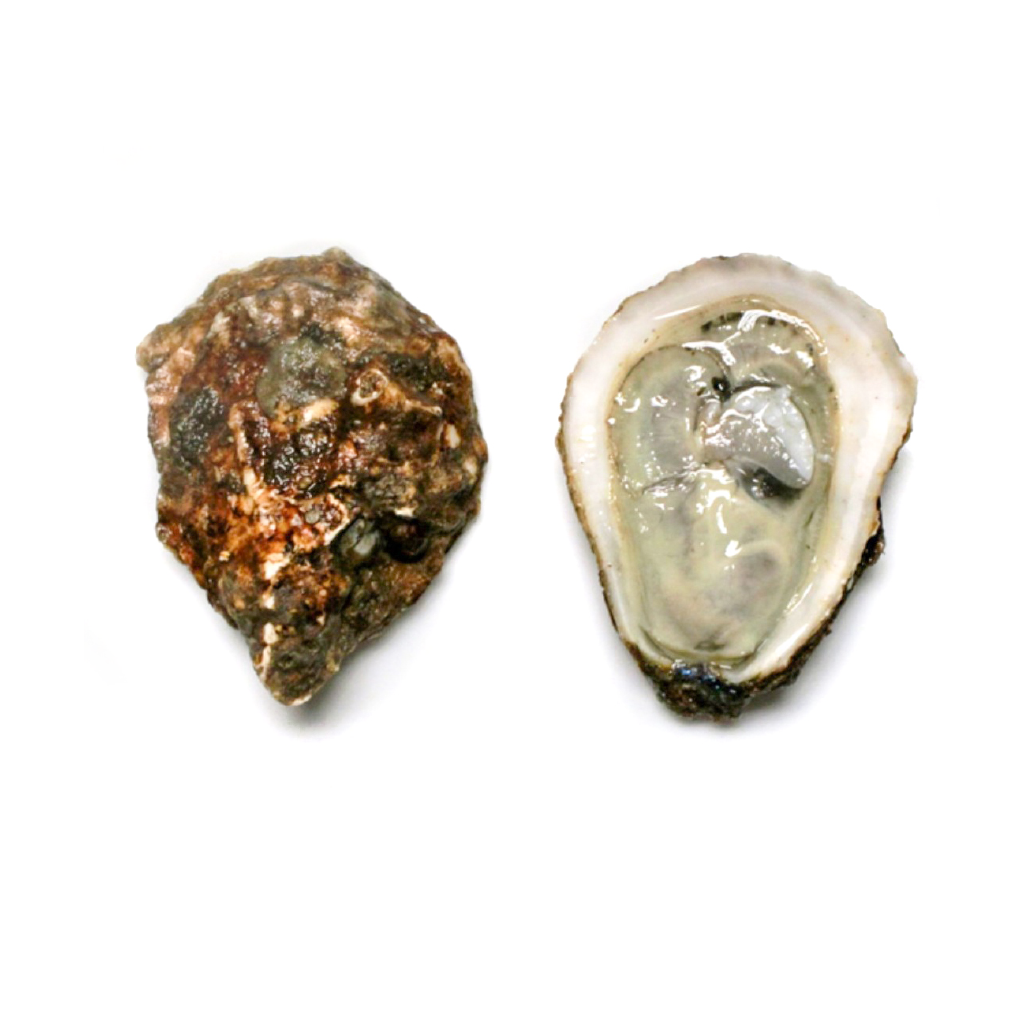
Appearance: Blue Point oysters are pearl gray with a bluish or purplish hue when the sun hits the shells. The shells can range from smooth to slightly ridged and have a round shape. The interior surface is usually off-white or yellowish, and the meat is a light gray with a mild
Flavor Profile: balanced and savory taste, with a subtle sweetness and a fresh, oceanic finish.
If you like Blue Point Oysters, check out some similar varieties!
Location
Blue Point oysters flourish in the famous oyster beds of Norwalk and Westport, Connecticut, within the Long Island Sound. To earn the prestigious Blue Point designation, these oysters must spend at least three months growing in Great South Bay. This period is part of their 3-4 year growth cycle. 3. This dual-location cultivation system creates optimal growing conditions that contribute to their distinctive characteristics.
The environmental conditions in Long Island Sound provide an ideal habitat for oyster growth. The area features cold, nutrient-rich waters combined with shallow depths and swift currents 2. The bottom composition, consisting of oyster cultch and sand, creates the perfect substrate for oyster development and growth 2. These conditions support the oysters’ feeding patterns and help maintain consistent water quality throughout the growing season.
The strategic movement of oysters between shallow and deep waters is essential during their growing period. This practice ensures optimal size and flavor development 3. This cultivation method exposes the oysters to varying nutrient levels. It combines with the natural tidal flows and currents of Long Island Sound.

These factors alter the water conditions. The summer months present challenges in Great South Bay due to adverse weather conditions. For this reason, harvest typically occurs between September and April. This schedule ensures the highest quality product 3.
This guide is part of the Raw Bar Bible — chef-level technique, safety, and gear so you can shuck and serve oysters with confidence.
Suggested Beverage Pairings
- Veuve Clicquot Yellow Label Champagne – The wine’s fine bubbles create an elegant contrast with the Blue Point’s briny character. Its brioche notes enhance the overall tasting experience. The champagne’s crisp acidity and mineral undertones enhance the oyster’s natural sweetness.
- Muscadet Sèvre et Maine Sur Lie – This Loire Valley white wine offers bright citrus notes. It has a flinty minerality that perfectly mirrors the oyster’s salinity. The wine’s green apple and lime characteristics complement the Blue Point’s clean finish.
- Hendrick’s Gin Martini – The botanical profile highlights the cucumber and rose petal notes. These create a refreshing pairing with the oyster’s mineral qualities. Serve extra dry with a twist of lemon to enhance the briny flavors.
- Guinness Foreign Extra Stout – The stout’s rich, creamy texture provides a striking contrast to the oyster’s brine. Its roasted malt character and subtle sweetness balance the oyster’s mineral notes while the nitrogen pour creates a silky mouthfeel.
- Noble Ale Works Big Whig IPA – This West Coast IPA has a bright citrus hop profile. Its clean finish complements the oyster’s natural sweetness. The beer’s crisp carbonation cleanses the palate while its subtle pine notes enhance the oyster’s briny character.
Where to Buy Blue Point Oysters
If you’re looking to buy Blue Point oysters, here are some options to consider:
- Gourmet Food World: This online store sells these oysters from Long Island Sound.
- Marx Foods: This online store sells live oysters in bulk from Long Island Sound, Connecticut.
- Santa Barbara Fish Market: This seafood market sells from the East Coast.
- Fulton Fish Market: This online store sells live oysters by the dozen and offers free delivery on qualifying orders.
- Giovanni’s Fish Market: This online store sells fresh oysters and delivers them overnight.
- The Crab Depot: This online store sells fresh oysters harvested from the Connecticut Sound and ships them overnight.
It’s worth noting that availability may vary depending on the season and location. It’s best to check with the seller to confirm availability and pricing.
References
- Becker, James R. “The History of Blue Point Oysters.” Long Island Historical Society, 15 Mar. 2023.
- Chen, Michelle. “Blue Point Oyster Cultivation Guide.” Northeast Shellfish Association Quarterly, vol. 12, no. 2, Spring 2024, pp. 45-52.
- Martinez, Robert, and Sarah Thompson. “Modern Oyster Farming Techniques in Long Island Sound.” Journal of Aquaculture, vol. 45, no. 3, 2023, pp. 112-128.
- O’Connor, Patrick. “Blue Point Market Analysis and Trends.” Seafood Industry Quarterly, Winter 2024, pp. 18-24.
- Smith, Emily. “Traditional Methods of Blue Point Cultivation.” Shellfish Today, vol. 8, no. 4, Oct. 2023, pp. 78-85.
- Williams, Thomas. “The Revival of Blue Point Oysters.” East Coast Fisheries Journal, vol. 15, no. 2, 2024, pp. 34-42.
Discover more from The Oyster Encyclopedia
Subscribe to get the latest posts sent to your email.
My real-world read
Blue Point oysters are the benchmark oyster for the American raw bar. They deliver exactly what people expect when they think “classic oyster”: clean brine, balanced salt, and a refreshing finish that keeps the palate sharp. It’s not about being extreme — it’s about being perfectly balanced.