


Quick Facts
Flavor Chart
Chef palate readShuckability
Line performanceWhen I buy it
When I want a plump Gulf oyster that reads premium and stays consistent—especially in cooler months.
How I serve it
Naked first. Lemon on the side. If you do mignonette, keep it restrained so the sweet finish shows.
What to watch for
Look for tight closure and clean liquor. Plump meat + deep cup are the signs you’re in the good batch.
My read
Gulf brine with real body: briny → rich → sweet. One of those oysters guests remember.
What Are Apalachee Bay Oysters?
Apalachee Bay oysters are sourced from the pristine waters of Florida’s Gulf Coast. They are renowned for their exceptional quality. These oysters have a unique flavor profile. The bay’s unique geographical location results in freshwater from rivers meeting the salty Gulf waters. This creates an ideal habitat for oyster cultivation. The mix of fresh and saltwater contributes to the oysters’ robust taste. The bay’s nutrient-rich environment adds a slightly briny flavor. These factors set them apart from other varieties.
The traditional techniques used to harvest Apalachee Bay oysters further enhance their uniqueness. Local oystermen use age-old techniques, often using hand tongs and small boats, to carefully collect these oysters. This sustainable approach ensures the preservation of the bay’s delicate ecosystem. It also maintains the high quality and freshness of the oysters. The result is a product that is environmentally friendly. It is also superior in taste. These qualities make Apalachee Bay oysters a favorite among chefs and seafood connoisseurs.
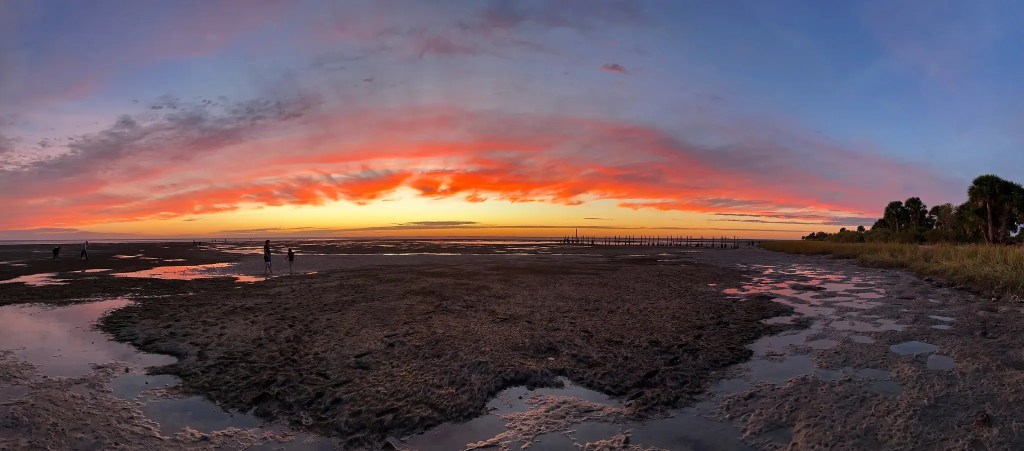
Apalachee Bay oysters hold significant cultural and economic importance for the local communities. The oyster industry in this region has been a cornerstone of the local economy for generations. It provides livelihoods and supports the area’s cultural heritage. The efforts to protect and restore the oyster beds in Apalachee Bay underscore the community’s dedication. Preserving the oyster beds for future generations is a way of life for the citizens of Apalachee Bay. This commitment to sustainability and tradition further elevates the status of Apalachee Bay oysters in the culinary world.
How Did Apalachee Bay Get Their Name?
Apalachee Bay oysters derive their name from Apalachee Bay. The bay itself is named after the Apalachee people, an indigenous tribe that historically inhabited the region. The term ‘Apalachee’ is believed to mean ‘land of the friendly people,’ reflecting the welcoming nature of the tribe. This historical and cultural connection adds a layer of significance to the oysters. It links them to the rich heritage of the area and its original inhabitants.
About Apalachee Bay Oyster Company
The Apalachee Bay Oyster Company is a collaborative enterprise that revitalizes oyster farming in Florida’s Apalachee Bay. This company is part of the Panacea Oyster Co-op, formed by classmates from the Wakulla Environmental Institute’s Oyster Aquaculture program. The co-op aims to strengthen the local oyster industry. It does this by pooling resources and knowledge. Additionally, it supports members in accounting, legal, finance, operations, and marketing. This allows farmers to concentrate on growing high-quality oysters.
The co-op benefits from its strategic location near Florida’s Spring Creek, the largest freshwater spring in the world. The pure spring water mixes with the saltwater, creating a nutrient-rich environment that supports rapid oyster growth. This unique setting allows the oysters to filter over 50 gallons of water daily. This gives them the mega nutrients needed to grow faster than oysters in other regions.
The Apalachee Bay Oyster Company and the Panacea Oyster Co-op are committed to sustainable practices. They focus on revitalizing the local oyster industry. Their efforts include providing seed, ongoing training, technology, and a guaranteed market for their products. This approach supports the local economy and aims to inspire similar efforts in neighboring areas like Apalachicola Bay. Apalachicola Bay has faced significant declines in oyster populations.
Follow Them
Discover the unique flavor and quality of Apalachee Bay oysters! Follow Apalachee Bay Oyster Company on social media. You can also visit their website to learn more about their sustainable practices. Discover their premium oysters. Don’t miss updates, recipes, and special offers—connect with them today!
Apalachee Bay Oysters Information
Name: Apalachee Bay Oysters
Species: Eastern Oyster (Crassostrea Virginica)
Cultivation Method: Farmed for 18-24 months.
Culture Method: Off-bottom floating cages. This method protects the oysters from predators and the environment.
Seasonality: Year Round
Size: 3-4″
Salinity: 25-30 ppt

Appearance: Clean rippled shells with plump meats. They have deep cups, making them visually distinct and desirable. Additionally, their outer shells often show a grayish-green or olive-green color, influenced by the specific environmental conditions of the bay.
Flavor Profile: Lively, just off-the-sea vibrancy. Combining a briny richness reminiscent of lobster bisque with the sweet roundness of creamed corn. They are fat and plump, offering a balanced, salty, and slightly sweet flavor.
If you Like Apalachee Bay Oysters, Check Out Some Similar Oysters
Location
Apalachee Bay oysters are cultivated in the nutrient-rich waters of Apalachee Bay, located in the Florida Panhandle.
This bay provides an ideal environment for oyster growth due to several key environmental factors.
The combination of freshwater from rivers and saltwater from the Gulf of Mexico creates brackish water conditions. These conditions are ideal for oyster cultivation. This blend of fresh and saltwater fosters the growth of oysters. It also contributes to a stable ecosystem that is less susceptible to fluctuations which harm oyster populations.
The availability of nutrients in Apalachee Bay is another critical factor supporting oyster growth. The bay’s waters are rich in nutrients, which promote the proliferation of phytoplankton, the primary food source for oysters. This abundance of food allows the oysters to grow quickly and develop a robust, plump texture. The warm waters of Apalachee Bay provide a longer growing season than calmer northern waters. This enables oysters to feed and grow throughout the year. The extended growing period contributes to the rapid growth rates seen in Apalachee Bay oysters. They can reach market size in as little as six months.
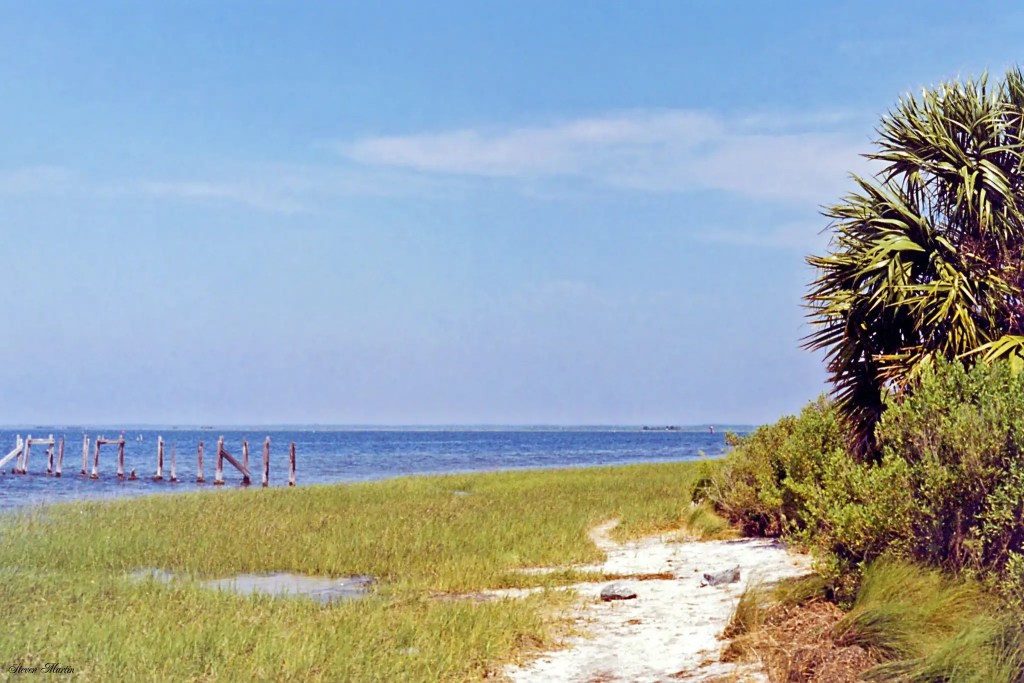
The physical characteristics of the bay significantly impact oyster cultivation. These characteristics include its bottom composition and water movements. The bay’s bottom comprises suitable substrates that aid oyster attachment and growth. Water movements, including tidal flows, help distribute nutrients and oxygen throughout the bay. This distribution ensures the oysters can access the resources they need to thrive. These environmental factors, combined with sustainable aquaculture practices, make Apalachee Bay an exceptional location for cultivating high-quality oysters.
Suggested Beverage Pairings
- Allagash White (Belgian-style Wheat Beer) – The subtle citrus notes of Allagash White enhance the fresh, briny flavors of the oysters. Its light, refreshing body also complements the oysters. The beer’s coriander and Curacao orange peel add a complementary citrusy component that pairs well with the oysters’ natural sweetness.
- Kim Crawford Sauvignon Blanc – This Sauvignon Blanc offers bright acidity. It has herbaceous notes that cut through the richness of the oysters. Its crisp, clean finish highlights the oysters’ briny and slightly sweet flavors, making it a classic pairing.
- Guinness Extra Stout – The creamy, smooth texture of Guinness Extra Stout contrasts beautifully with the oysters’ briny sharpness. The stout’s roasty aroma and flavor complement the oysters’ light salinity, creating a balanced and satisfying pairing.
- Negroni Sbagliato (Cocktail) – Made with Prosecco, Campari, and sweet vermouth. This cocktail offers a bubbly, lightly bitter, and not-too-sweet profile. The effervescence and slight bitterness of the Negroni Sbagliato highlight the oysters’ briny flavors. They enhance the sweet flavors, making it a refreshing and sophisticated pairing.
- Domaine de la Pépière Muscadet – This Muscadet is known for its bracing acidity. It has citrus notes. The wine enhances the oysters’ natural flavors without overpowering them. The wine’s light-bodied nature and minerality make it an excellent match for the oysters’ briny and slightly sweet profile.

Where Can I Buy Apalachee Bay Oysters?
Apalachee Bay Oyster Company – They offer high-quality, farm-raised oysters that can be ordered directly from their website.
References
- Apalachee Bay Oyster Company. “100 Large Premium Half Shell Oysters.” Apalachee Bay Oyster Company, https://www.aboysters.com/product/ABOC/9. Accessed 23 Nov. 2024.
- McCarthy, Rob Diaz de Villegas. “The Oyster ‘Plan’: What Happens When Apalachicola Bay Reopens?” WFSU Ecology Blog, 4 Apr. 2024, https://blog.wfsu.org/blog-coastal-health/2024/04/the-oyster-plan-what-happens-when-apalachicola-bay-reopens/. Accessed 23 Nov. 2024.
- “Apalachicola Oyster Rehabilitation Is Slow Growing.” Garden & Gun, 15 June 2023, https://gardenandgun.com/articles/apalachicola-oyster-rehabilitation-is-slow-growing/. Accessed 23 Nov. 2024.
- “Apalachicola – Gulf Coast.” The Oyster Guide, https://www.oysterguide.com/maps/gulf-coast/apalachicola/. Accessed 23 Nov. 2024.
- “Apalachicola Oyster.” Oysterater, https://www.oysterater.com/oyster/apalachicola/. Accessed 23 Nov. 2024.
- “All About Oysters.” Visit Apalach, https://www.visitapalach.com/visit-apalach-blog/all-about-oysters. Accessed 23 Nov. 2024.
Discover more from The Oyster Encyclopedia
Subscribe to get the latest posts sent to your email.
My real-world read
Apalachee Bay is a “big yes” oyster when you want Gulf character without chaos. It hits with lively, just-off-the-sea brine, then turns richer — almost that lobster-bisque kind of depth — and finishes with a round, sweet note that reminds me of creamed corn. Plump, clean, and built for service when you need consistency and a wow texture.