

Quick Facts
- Origin: Three Bays Oysters come from North Bay, Cotuit Bay, and West Bay in Osterville, Massachusetts. This area is a historically significant oyster-producing region.
- Availability: Three Bays Oysters are available year-round, 52 weeks per year.
- Flavor Profile: strong brine up front, delivering an immediate burst of saltiness
- Size Options: Three Bays Oysters come in three sizes: 2.5″-3″, 3″-3.5″, and 3.5″+.
- Environmental Impact: Each oyster can filter approximately 50 gallons of water per day. This filtration contributes to nitrogen mitigation in the Three Bays watershed.
What Are Three Bays Oysters?
Three Bays oysters come from Osterville, Massachusetts. This is a historic oyster-producing region. They offer a unique culinary experience that sets them apart from other varieties. These oysters are cultivated in the nutrient-rich waters of North Bay, West Bay, and Cotuit Bay. Here, they develop their distinctive characteristics 1. The strong ebb and flow of ocean tides occur twice daily. This provides the oysters with a mineral-rich diet. This results in a flavor profile that captures the essence of Cape Cod’s waters 2.
What makes Three Bays oysters truly special is their role in environmental conservation. These bivalves are leading nitrogen mitigation efforts in the Three Bays estuary. Each oyster filters approximately 50 gallons of water per day 1. This natural filtration process not only improves water quality. It also contributes to the overall health of the ecosystem. This makes Three Bays oysters a sustainable choice for seafood enthusiasts.
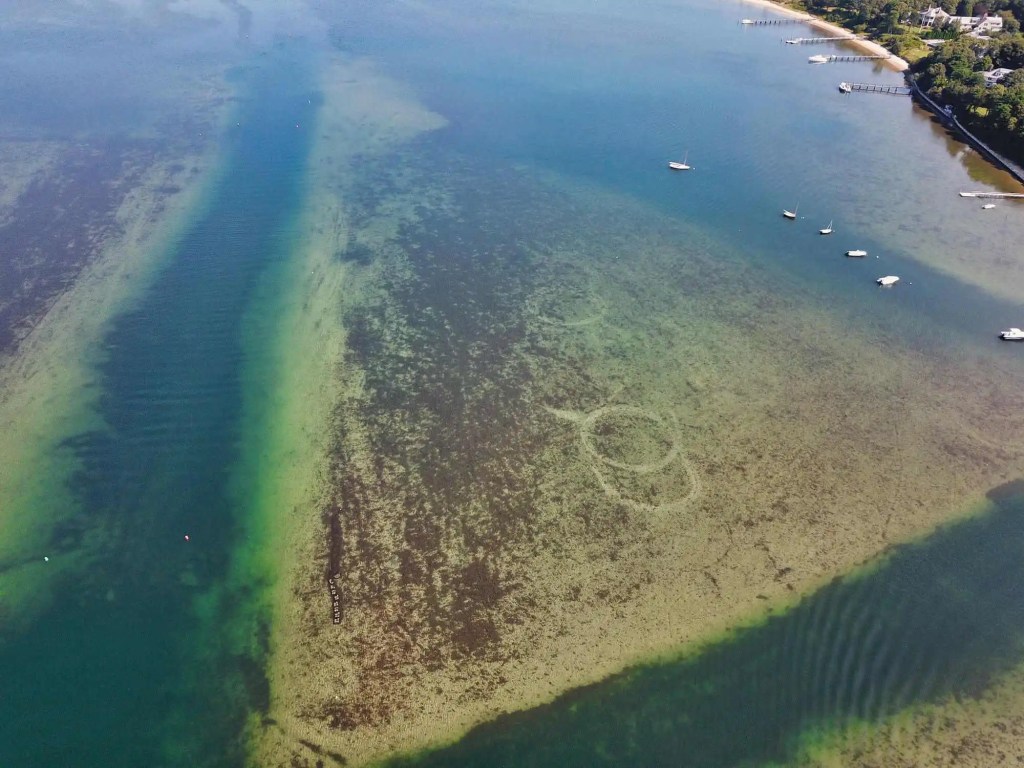
The cultivation method of Three Bays oysters further enhances their uniqueness. Bottom-planted and sand-finished, these oysters grow naturally, developing deep cups and sturdy shells 1. This method replicates wild oyster conditions. The result is a product that boasts both exceptional quality. It also connects to the area’s rich oystering history. Strong brine upfront combines with a sweet finish. This creates a flavor profile that truly embodies the essence of Cape Cod’s maritime heritage 12.
How Did Three Bays Oysters Get Their Name?
The name Three Bays Oysters originates from a historic oyster-producing region. They are cultivated in the Three Bays of Osterville, Massachusetts. This area encompasses North Bay, West Bay, and Cotuit Bay 14.
The name reflects the rich oystering heritage of the region, which dates back to the 1800s. During this period, oysters were transported by schooner from Virginia and replanted in the Three Bays area. These oysters spent time in Cape Cod’s cool, clear waters. They were then shipped across the country by railroad to major cities like San Francisco and New York 1.
About Cape Cod Oyster Company
Cape Cod Oyster Company was founded by Al Surprenant in 1983. It has become a leading oyster producer in New England. The company’s roots stem from Surprenant’s deep appreciation for Cape Cod’s coastal environment. His early understanding of the importance of water quality1 also contributed to its foundation.
Cape Cod Oyster Company is among the largest oyster growers in the region. It is responsible for 10 percent of all Massachusetts oyster production 12. The company’s commitment to sustainability and traceability sets it apart in the industry. They source oysters from well-managed hatcheries and employ responsible production and harvesting practices 1.
Cape Cod Oyster Company’s operations span multiple locations on Cape Cod. They cultivate oysters in the nutrient-rich waters of North Bay. They hand-grow them from seedling to harvest. This process occurs in premier areas of Barnstable Harbor, West Bay in Osterville, and Waquoit Bay in Falmouth 1. This diverse range of growing locations contributes to the distinct characteristics of their oysters.
The company has experienced significant growth and evolution over the years:
- In 1983, they began raising oysters but initially focused on clam seed supply 1.
- By the early 2000s, Cape Cod Oyster shifted its focus exclusively to oysters, coinciding with the oyster renaissance 1.
- In 2010, they moved to a state-of-the-art, third-party audited facility in Barnstable, Massachusetts 1.
- In 2015, the company acquired Washburn Island Oysters in Falmouth, Massachusetts, expanding their operations 1.

Cape Cod Oyster Company’s success relies on environmental stewardship. They actively engage with the community and commit to producing high-quality oysters. Their practices ensure a consistent supply of oysters. These practices also contribute to the health of Cape Cod’s coastal ecosystems 14.
Follow Them
Dive into the world of premium oysters! Visit Cape Cod Oyster Company’s official website to explore their sustainable practices and mouthwatering offerings. Follow them on social media for a taste of coastal living, behind-the-scenes glimpses, and delicious oyster inspiration.
Three Bays Oysters Information
Oyster: Three Bays Oysters
Species: Crassostrea virginica (Eastern Oyster)
Cultivation Method: Farmed. They typically take 3-4 years to reach market size.
Size: 3.5″
Seasonality: Available year-round
Culture Method: Natural growing in deep water
Salinity: 27 ppt
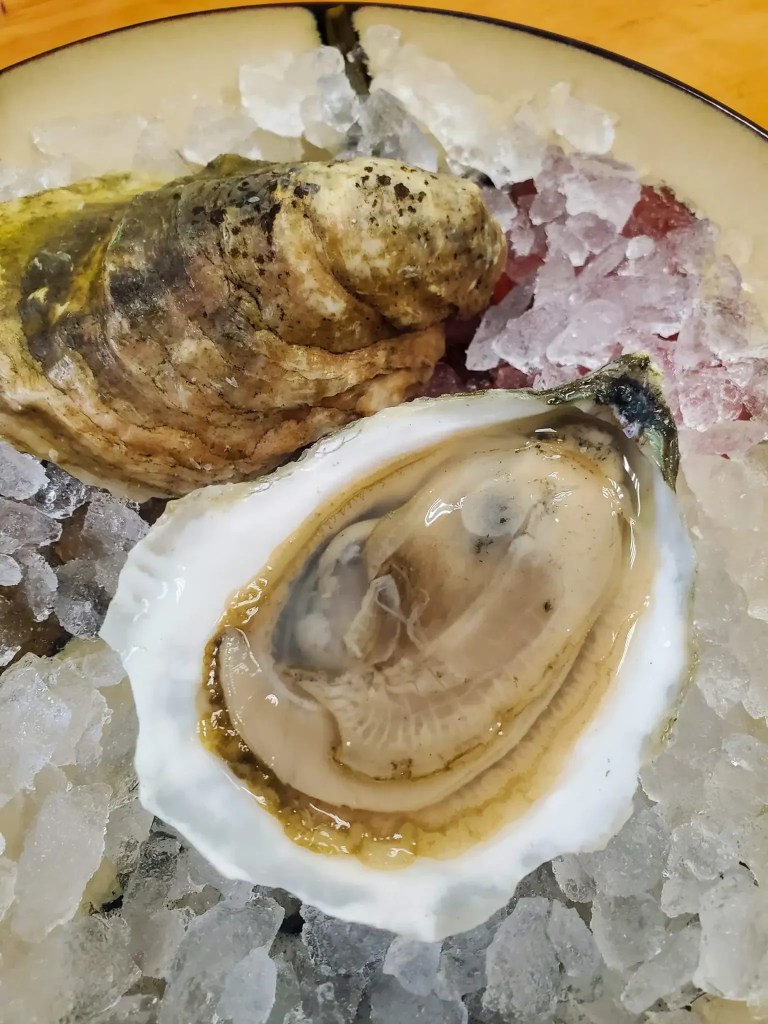
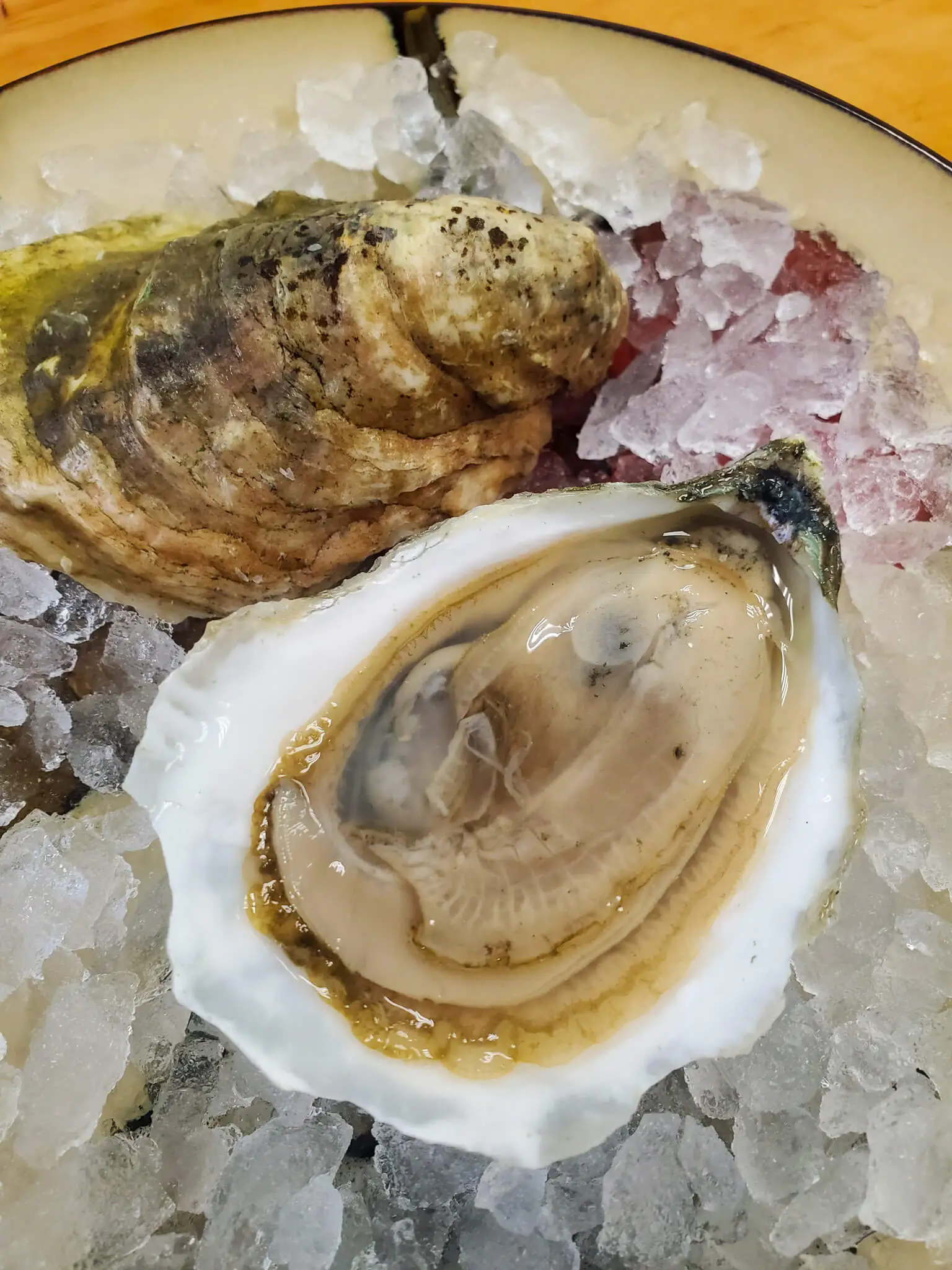
Appearance: deep-cup shells, reflecting their bottom-planted, sand-finished growing method. These oysters typically measure 3.5 inches in size and possess sturdy shell structures. The shells have a distinctive appearance.
Flavor Profile: strong brine up front, delivering an immediate burst of saltiness. This initial briny flavor transitions into a sweet finish, creating a balanced taste experience. The oysters present a distinctive ocean-in-a-shell flavor, capturing the essence of Cape Cod waters.
If you like Three Bays Oysters, then check out these similar varieties!
- Outlaw Oysters
- Pepper Grove Oysters
- Pickle Point Oysters
- Point Aux Pins Oysters
- Prince Caspian Oysters
Location
Cape Cod Oyster Company cultivates Three Bays Oysters in the historic oyster-producing region of Osterville, Massachusetts. They are specifically grown in the deep waters of West Bay. This bay is one of the Three Bays of Osterville, along with North Bay and Cotuit Bay 1.
The location of Three Bays Oysters provides ideal environmental conditions for oyster growth and prosperity. The strong ebb and flow of ocean tides supply the oysters with a mineral-rich diet twice daily. This process contributes to their distinctive flavor profile 1. The salinity level in this area is particularly favorable, with an average of 27 parts per thousand (ppt) 1. This high salinity is crucial for oyster development and flavor.
The deep water environment of West Bay offers protection from predators and allows for a natural growing method. The bottom-planted, sand-finished cultivation technique results in oysters with deep-cup shells, a characteristic highly valued in the oyster market 1. Additionally, the clear waters and sandy substrate of the bay floor act like a beach. There is little to no detritus present, creating optimal conditions for oyster growth 2.
The location of the Three Bays region also benefits from its distance from potential pollution sources. The farm is situated far from sewer treatment plants and heavy industry, ensuring cleaner waters for oyster cultivation 2.

The oysters themselves contribute to the environmental health of the area. Each oyster filters approximately 50 gallons of water per day. They play a crucial role in nitrogen mitigation efforts in the estuary 1.
Suggested Beverage Pairings
1. Wither Hills Sauvignon Blanc 2020 – This New Zealand Sauvignon Blanc offers racy tones of yellow citrus. It includes a hint of minerals. These elements complement the salinity and creaminess of Three Bays Oysters. Its ripe yet clean finish stands up well to the oysters’ strong brine and sweet finish.
2. Anchor Porter – This San Francisco-brewed porter, despite its dark color, is surprisingly mild and pairs well with oysters. Its smooth, medium-bodied character acts as a willing but not overpowering partner to the deep-cupped Three Bays Oysters.
3. Land’s End Cape Agulhas Sauvignon Blanc – This cool-climate Sauvignon Blanc comes from South Africa. It has a minerality that balances the salty flavors of Three Bays Oysters. Its medium body and refreshing flavors help cleanse the palate between bites, enhancing the oyster-eating experience.
4. El Buho Mezcal Cocktail – A cocktail made with El Buho Mezcal, Luxardo Maraschino, Punt e Mes, and Aperol. It creates a smoky and fruity drink. This pairs well with the mineral-rich Three Bays Oysters. The combination intensifies the umami flavors in both the oyster and the cocktail.
5. Muscadet Sèvre et Maine Sur Lie – This Loire Valley wine is a classic oyster pairing. It has high acidity and a crisp texture. Notes of lime, apple, and lemon complement the strong brine and sweet finish of Three Bays Oysters. Its slight saltiness enhances the overall flavor profile.
Where Can I Buy Three Bays Oysters?
- Cape Oysters – This vendor offers oysters from Cape Cod, including Three Bays Oysters.
Stay Connected with The Oyster Encyclopedia!
Follow us on social media to get the latest updates, oyster recipes, and behind-the-scenes glimpses into the world of oysters:
Stay tuned for exclusive content, oyster trivia, and more! Engage with our vibrant community of oyster enthusiasts by liking, commenting, and sharing our posts. Your support helps us continue providing valuable oyster knowledge to fellow seafood lovers worldwide.
References
- Cape Cod Oyster Company. “Three Bays Oysters.” Cape Cod Oyster Company, www.capecodoyster.com/three-bays-oysters. Accessed 14 Dec. 2024.
- Barnstable Clean Water Coalition. “Oyster Restoration in the Three Bays.” Barnstable Clean Water Coalition, bcleanwater.org/oyster-restoration-in-the-three-bays. Accessed 14 Dec. 2024.
- Surprenant, Al. “Our Story.” Cape Cod Oyster Company, www.capecodoyster.com/our-story. Accessed 14 Dec. 2024.
- Massachusetts Division of Marine Fisheries. “Massachusetts Shellfish Aquaculture Industry Report.” Mass.gov, http://www.mass.gov/doc/massachusetts-shellfish-aquaculture-industry-report/download. Accessed 14 Dec. 2024.
- Washburn Island Oysters. “About Us.” Washburn Island Oysters, http://www.washburnislandoysters.com/about-us. Accessed 14 Dec. 2024.
- The Oyster Guide. “Three Bays Oysters.” The Oyster Guide, http://www.oysterguide.com/three-bays-oysters. Accessed 14 Dec. 2024.
- Wine Folly. “Wine Pairing with Oysters.” Wine Folly, winefolly.com/wine-pairing/wine-pairing-with-oysters. Accessed 14 Dec. 2024.
- Craft Beer & Brewing. “Pairing Beer with Oysters.” Craft Beer & Brewing, beerandbrewing.com/pairing-beer-with-oysters. Accessed 14 Dec. 2024.
- Punch. “The Best Cocktails to Pair with Oysters.” Punch, punchdrink.com/articles/best-cocktails-to-pair-with-oysters. Accessed 14 Dec. 2024.
Discover more from The Oyster Encyclopedia
Subscribe to get the latest posts sent to your email.