

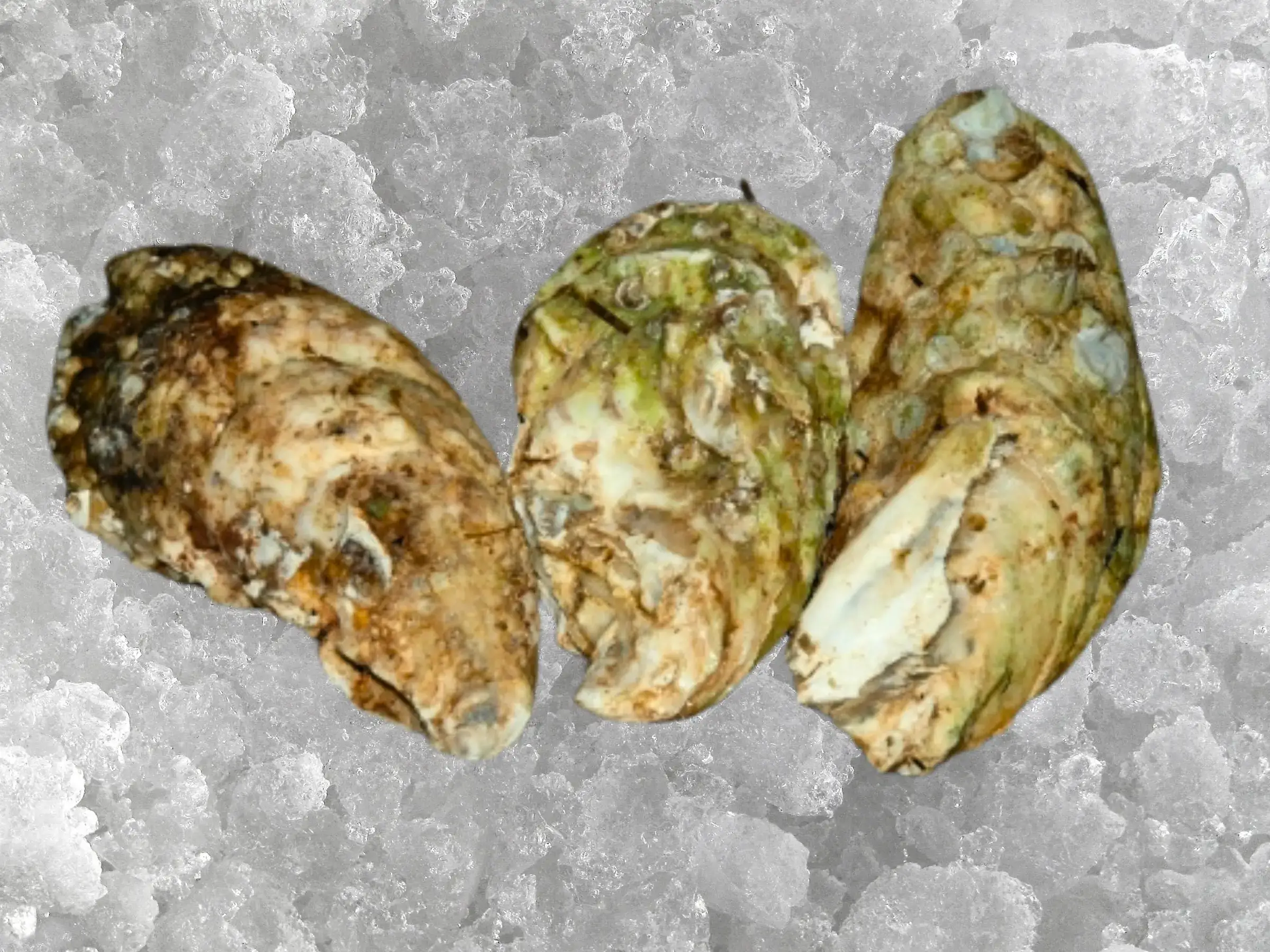
Tatamagouche Oysters stand out in the world of bivalves for their distinctive characteristics and unique growing environment. These wild-harvested oysters thrive in the nutrient-rich waters of Tatamagouche Bay, Nova Scotia, where the French and Waugh Rivers converge. The bay’s name, derived from the Mi’kmaq language, aptly means “meeting of the waters,” reflecting the oysters’ unique habitat.
Unlike many cultivated varieties, Tatamagouche Oysters grow naturally on the bay’s bottom, free from human intervention until harvest. This wild growth contributes to their inconsistent size and appearance, with shells often taking on a long, shoehorn shape. The oysters’ flavor profile can vary significantly, ranging from sweet and nutty with medium salinity to occasionally watery and bland.
Tatamagouche Oysters’ availability is limited to specific months, typically from May to January, with a pause during the summer. This seasonal restriction and wild harvesting method add to their allure as a sought-after delicacy. Oyster enthusiasts appreciate Tatamagouche Oysters for their connection to the pristine waters of Nova Scotia and the element of surprise each shell may bring to the palate.

How did Tatamagouche Oysters Get Their Name?
Tatamagouche Oysters derive their name from the Mi’kmaq word “Taqamiju’jk,” which translates to “Meeting of the waters.” This name reflects the unique geographical location of Tatamagouche Bay in Nova Scotia, where the French and Waugh Rivers converge. The area’s rich aquatic ecosystem provides an ideal environment for these oysters, contributing to their distinctive flavor and character.
The name “Tatamagouche” has evolved, with various spellings documented in early records. The earliest written reference dates back to 1738, when noted as “Tah am igouch e.” Despite the variations, the name has persisted, symbolizing the cultural heritage of the Mi’kmaq people and their connection to the land and waters of the region.
Tatamagouche Oysters are celebrated not only for their name but also for their wild cultivation method. Harvested from the bay’s bottom, these oysters grow naturally, embodying the essence of their environment. The name serves as a reminder of the oysters’ provenance and the natural beauty of the waters they inhabit, making them a sought-after delicacy among seafood enthusiasts.
Harvesting Wild Tatamagouche Oysters
The producers harvest Tatamagouche Oysters using traditional methods that emphasize their wild nature. These oysters grow naturally on the bottom of Tatamagouche Bay, Nova Scotia, where they are left to mature until harvest. Harvesting involves collecting the oysters directly from the bay’s natural beds, using hand tools like tongs or rakes. This method ensures minimal environmental disturbance and allows the oysters to maintain their natural characteristics, which can vary significantly in size and shape due to their wild upbringing.

Hand tools are a traditional approach that aligns with regulations governing shellfish harvesting in the region. These regulations aim to protect the ecosystem and ensure sustainable practices. Harvesters must adhere to specific guidelines, such as using only approved tools and following seasonal restrictions, to preserve the oyster population and the bay’s health.
Tatamagouche Oysters Information
Oyster: Tatamagouche
Species: Virginica Oyster (Crassostrea virginica)
Cultivation Method: Wild bottom harvested
Size: Up to 5 inches
Seasonality: Available from May to January, but best avoided in the summer months due to spawning
Culture Method: Fully wild, grown naturally on the bay’s bottom
Salinity: 20-25 ppt (moderate)

Appearance: long, shoehorn-shaped shells that are often sandy-colored. Their wild nature means that their appearance can vary significantly, with shells that are typically oblong and range in size from medium to large. The cups of these oysters tend to be shallow, reflecting their fully wild cultivation.
Flavor Profile: a notably inconsistent flavor profile, adding an element of surprise to each tasting experience. They can present a tender-firm texture with sweet and nutty undertones, providing a satisfying and rich taste. Occasionally, they may also have a more watery and bland flavor, reflecting the natural variability found in wild oysters.
Location
Tatamagouche Bay in Nova Scotia, Canada, is where they harvest Tatamagouche Oysters. This bay is situated at the confluence of the French and Waugh Rivers, creating an estuarine environment that is ideal for oyster growth.
The bay’s nutrient-rich waters provide abundant food for the oysters, which are filter feeders. This environment supports the oysters’ growth by offering a steady supply of microscopic plants and organic matter. The bay’s relatively sheltered location protects the oysters from harsh oceanic conditions, allowing them to thrive naturally on its bottom. The firm substrate of the bay’s floor is crucial for the oysters, as it prevents them from being buried in sediment, which could otherwise hinder their growth and access to food.
Another beneficial environmental factor is the natural ebb and flow of the tides, which helps maintain a clean and oxygenated environment for the oysters. This tidal action not only supports the physical health of the oysters but also contributes to their distinctive flavor profile. Moderate salinity, nutrient availability, and a stable growing environment make oysters known for their varied flavors, ranging from sweet and nutty to occasionally bland.
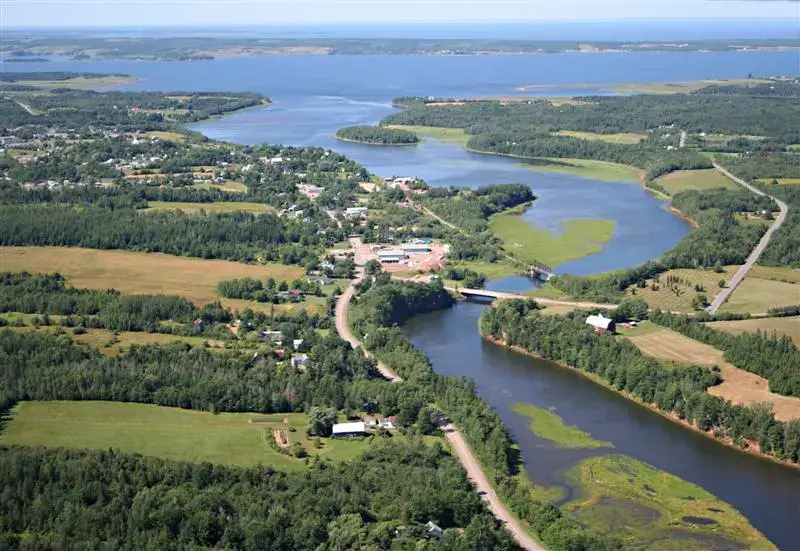
Overall, Tatamagouche Bay’s unique environmental conditions—its estuarine nature, nutrient-rich waters, and protective geography—create an optimal setting for the cultivation of wild oysters. These factors contribute to the distinctive characteristics of Tatamagouche Oysters, making them a sought-after delicacy that reflects the region’s rich natural heritage.
Suggested Beverage Pairings
- Muscadet Sèvre et Maine Sur Lie – This crisp, dry white wine from the Loire Valley in France is renowned for its citrus and mineral notes. The wine pairs beautifully with the sweet and nutty flavors of Tatamagouche Oysters. The wine’s acidity and subtle salinity enhance the oysters’ natural brininess, creating a refreshing combination.
- Chablis – Made from Chardonnay grapes in the northernmost region of Burgundy, Chablis offers a minerally and citrus-forward profile. Its high acidity and clean finish make it an excellent match for the medium salinity and occasional sweetness of Tatamagouche Oysters. Chablis highlights their delicate flavors without overpowering them.
- Hendrick’s Gin Martini – A classic gin martini, especially with Hendrick’s, which has cucumber and rose notes, complements the oyster’s natural flavors. The herbal and botanical elements of the gin provide a refreshing contrast to the oysters’ briny and nutty taste. This enhances the overall dining experience.
- Champagne Delamotte NV Blanc de Blancs – The crisp bubbles and citrus notes of this Champagne work like a spritz of lemon. They enhance the oysters’ sweetness and salinity. The yeasty, nutty undertones of the Champagne meld seamlessly with the oysters’ flavor profile, offering a luxurious pairing.
- Camino Roca Txakolina – This Basque white wine is known for its light effervescence and high acidity. The wine’s bright citrus and green apple flavors complement the oysters’ sweet and nutty notes. Its slight fizz adds a refreshing texture that pairs well with the oysters’ tender-firm consistency.
Where Can I Buy Tatamagouche Oysters?
- Bay Enterprises Limited: They offer Tatamagouche Oysters throughout Canada and internationally. You can find more information about their offerings on their website.
- Oysterblood: This vendor sells Tatamagouche Oysters in quantities of 25. You can order them online directly from their website here.
- Seacore Seafood Products: Located in Vaughan, Ontario, they provide Tatamagouche Oysters, which are available weather permitting. More details can be found on their website.
Stay Connected with The Oyster Encyclopedia!
Follow us on social media to get the latest updates, oyster recipes, and behind-the-scenes glimpses into the world of oysters:
Stay tuned for exclusive content, oyster trivia, and more! Engage with our vibrant community of oyster enthusiasts by liking, commenting, and sharing our posts. Your support helps us continue providing valuable oyster knowledge to fellow seafood lovers worldwide.
.
Discover more from The Oyster Encyclopedia
Subscribe to get the latest posts sent to your email.