


Quick Facts
- Rich Salinity: These oysters boast a salinity of 24–28 ppt, giving them a briny yet balanced flavor.
- Flavor Profile: Experience notes of salt, sweet cream, and a smooth, mineral finish.
- Grown in Virginia: Harvested in the nutrient-rich waters of Chesapeake Bay.
- Medium Size: Typically 2.5–3.5 inches, perfect for both raw consumption and cooked dishes.
- Farm-Raised Excellence: Carefully cultivated using floating cage methods for optimal growth and sustainability.
What Are Smith Point Oysters?
Smith Point oysters stand out among their bivalve brethren for their distinctive characteristics and harvesting methods. These oysters naturally set in the Chesapeake Bay are harvested daily by dredge. This technique contributes to their unique qualities 7. Their long, eye-catching shells typically result in larger oysters, setting them apart from other varieties in both appearance and size.

The Chesapeake Bay’s diverse ecosystem plays a crucial role in shaping the flavor profile of Smith Point oysters. The bay’s varying salinity levels are influenced by the mixing of fresh river water and salty Atlantic Ocean currents. These levels create a complex taste that reflects the oysters’ environment. This unique merroir imparts a distinct character to Smith Point oysters, making them a sought-after delicacy for oyster enthusiasts.
The Chesapeake Bay’s diverse ecosystem plays a crucial role in shaping the flavor profile of Smith Point oysters. The bay’s salinity levels vary. Fresh river water mixes with salty Atlantic Ocean currents. This mixing creates a complex taste that reflects the oysters’ environment. This unique merroir imparts a distinct character to Smith Point oysters, making them a sought-after delicacy for oyster enthusiasts.
Smith Point oysters significantly contribute to their ecosystem. They act as filter feeders, cleaning up to 50 gallons of water per day 8. This remarkable filtration capacity not only benefits the oysters. It also plays a vital role in maintaining the health of the Chesapeake Bay. Smith Point oysters provide essential habitat for various marine species. They serve as ecosystem engineers. These oysters exemplify the importance of oyster reefs in supporting biodiversity. They help maintain ecological balance in coastal environments.
How Did Smith Point Oysters Get Their Name?
Smith Point Oysters are named after their origin near Smith Point. This location is at the mouth of the Potomac River in the Chesapeake Bay. This area is historically significant for its role in oyster harvesting, dating back to the region’s early settlers.

The name reflects the deep ties between the oysters and their natural habitat. Smith Point’s pristine waters have long been associated with high-quality seafood. The branding capitalizes on this legacy, emphasizing the oyster’s local heritage and commitment to tradition.
The producers honor the cultural and ecological significance of the area by adopting the Smith Point name. They also showcase the excellence of their product. The name also reinforces the importance of sustainable aquaculture in preserving the Chesapeake Bay’s marine life.
The Cultivation Process
Smith Point Oysters are farmed using floating cage methods in Chesapeake Bay. These cages allow oysters to grow in the upper water column, where nutrient flow is strongest. This method promotes healthy shell growth and optimal meat quality.
The cultivation process begins with hatchery-reared seed oysters, which are transferred to the farm once they reach a sturdy size. Farmers regularly clean and monitor the cages to ensure oysters grow in clean, predator-free conditions. This hands-on approach leads to consistent flavor and texture.
Floating cages also reduce environmental impact by minimizing seabed disruption. This sustainable farming method not only produces premium oysters but also contributes to the ecological health of the Chesapeake Bay.
About Little Wicomico Oyster Company
Little Wicomico Oyster Company cultivates Blackberry® oysters. This family-owned business, based in Heathsville, Virginia, has been raising oysters in the Chesapeake Bay region since 1930 2. The Cockrell family has deep roots in the area, dating back to the 16th century. They have worked the Bay’s bounty for four generations 8.
The company specializes in the Eastern oyster, including their Blackberry® variety. They use sustainable methods to raise these oysters. The oysters grow in bottom cages inshore of Blackberry Hang Oyster Reef in the Chesapeake Bay 10. The Blackberry® oysters are available year-round and are known for their medium-sized shells, lovely taste, and mild salinity 10.
Little Wicomico Oyster Company operates with a strong commitment to sustainability and quality. They use the pristine waters of the Little Wicomico River. This river flows into the Chesapeake Bay. These waters are used to cultivate their oysters 8. The current owner and operator, Myles Cockrell, represents the fourth generation of the family business 2.
The company’s heritage is deeply intertwined with the local waterways. This includes Cockrell Creek, which flows into the Great Wicomico River 8. This connection to the land and water informs their approach to oyster farming, emphasizing sustainable practices and high-quality products 28.

Follow Them
Discover the taste of tradition and quality by exploring Little Wicomico Oyster Company’s offerings. Visit their official website to browse their selection of premium oysters, including the renowned Blackberry variety.
Smith Point Oysters Information
Oyster: Smith Point Oysters
Species: Crassostrea virginica (Eastern oyster)
Cultivation Method: Farmed; 12–18 months grow-out period
Size: 2.5–3.5″
Seasonality: Year-round availability
Culture Method: Naturally set oysters from the Chesapeake Bay
Salinity: 24–28 ppt
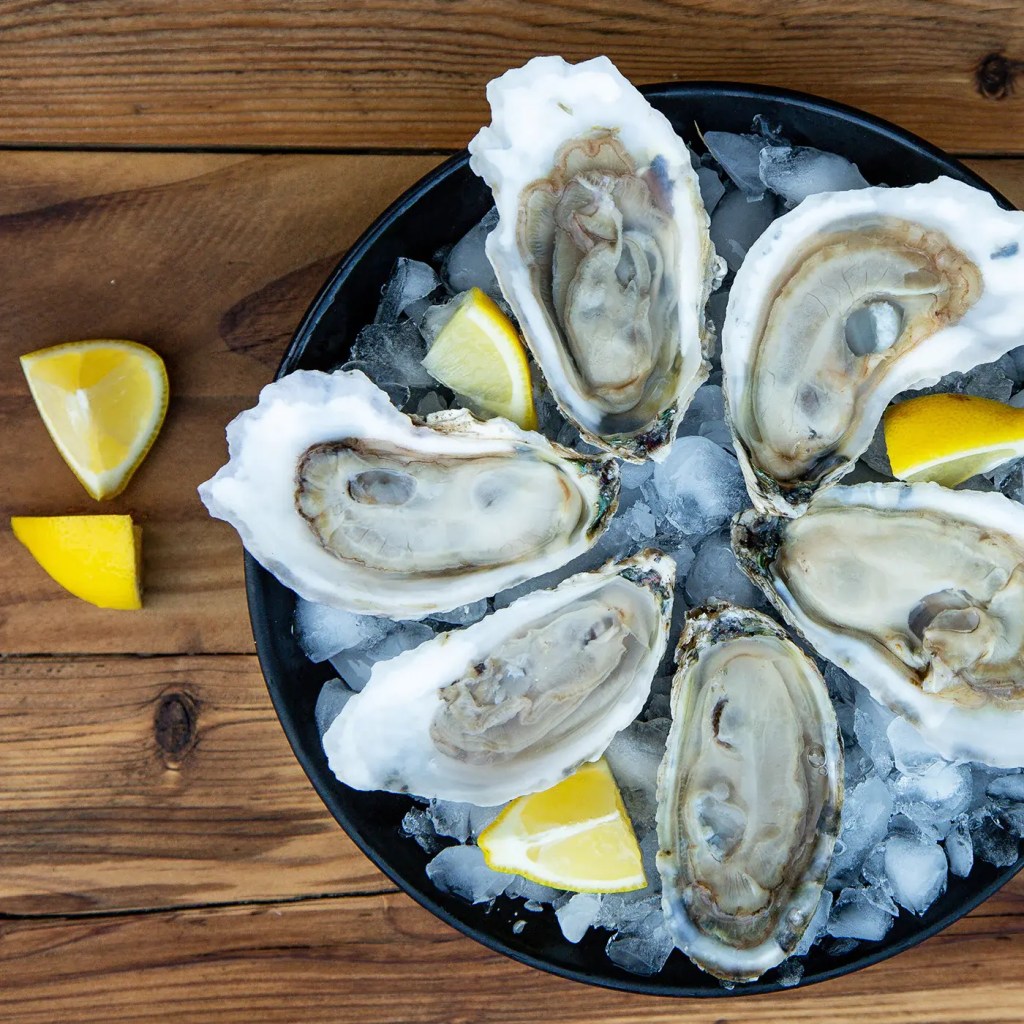
Appearance: smooth, oval-shaped shells that reflect their premium farmed quality. The exterior is predominantly light beige. Streaks of olive green and subtle brown tones hint at their natural aquatic habitat. Inside, the shell’s pearly white sheen offers a striking contrast, emphasizing the plumpness of the meat
Flavor Profile: A bold yet balanced flavor experience. They open with a pronounced brininess, reminiscent of the ocean’s freshness. This salty start quickly transitions to a rich, buttery sweetness, creating a velvety texture on the palate. The finish is crisp and clean, with distinct mineral undertones that linger pleasantly.
If you like Smith Point oysters, then check out these similar varieties!
Location
Smith Point oysters thrive in the unique ecosystem of the Chesapeake Bay, specifically near the bay’s entrance.
The area’s dynamic salinity gradient is created by the mixing of fresh river water and salty Atlantic Ocean currents. This gradient contributes significantly to the oysters’ distinct characteristics. Salinity levels typically range from 10 to 25 parts per thousand (ppt). This range is optimal for Eastern oysters (Crassostrea virginica) 16. This salinity variation not only influences the oysters’ flavor profile but also affects their growth and survival rates.
Strong tidal currents and wave action at Smith Point provide constant water movement, which is crucial for oyster development. This natural tumbling encourages the formation of deep, meaty cups – a hallmark of Smith Point oysters. The sandy bottom in this area is perfect for oyster growth. It offers a stable foundation for reef formation 18.

The location’s proximity to the Gulf Stream brings an influx of nutrient-rich water with each tidal cycle. This nutrient abundance supports plankton growth, providing a consistent food source for the oysters. Several factors combine, including optimal salinity, water movement, suitable substrate, and abundant nutrients. These create ideal conditions that encourage the growth of Smith Point oysters. This results in their distinctive size, shape, and flavor profile 17.
Suggested Beverage Pairings
- Allagash White – This Belgian-style wheat beer’s spice and citrus notes complement the briny flavor of Smith Point oysters. The beer’s light body and effervescence help cleanse the palate between bites, enhancing the overall tasting experience.
- Land’s End Cape Agulhas Sauvignon Blanc – The minerality of this cool-climate Sauvignon Blanc enhances the salty flavors of Smith Point oysters. This combination balances and enriches the tasting experience. Its crisp acidity and refreshing character cut through the oysters’ richness, making it an excellent pairing.
- Veuve Clicquot Brut Champagne – The yeasty, bready flavors of this classic champagne add depth to the oyster pairing. Its bubbles provide a textural contrast to the smooth texture of Smith Point oysters, creating a harmonious combination.
- Flying Dog Pearl Necklace Oyster Stout – This dry stout is brewed with Rappahannock Olde Salts oysters. It offers a roasted character. This complements the briny flavor of Smith Point oysters. The beer’s sessionable nature makes it an ideal companion for multiple oysters.
- Hendrick’s Gin Martini – The subtle cucumber notes in Hendrick’s gin complement the delicate flavors of Smith Point oysters. The gin’s botanicals and the martini’s crispness provide a refreshing contrast to the oysters’ brininess, creating a sophisticated pairing.
Where Can I Buy Smith Point Oysters?
- Little Wicomico Oyster Company – This Virginia-based company offers Smith Point oysters on their website. They describe them as naturally set oysters from the Chesapeake Bay, harvested daily by dredge.
Stay Connected with The Oyster Encyclopedia!
Follow us on social media to get the latest updates, oyster recipes, and behind-the-scenes glimpses into the world of oysters:
Stay tuned for exclusive content, oyster trivia, and more! Engage with our vibrant community of oyster enthusiasts by liking, commenting, and sharing our posts. Your support helps us continue providing valuable oyster knowledge to fellow seafood lovers worldwide.
References
- “Everything You Need to Know About Virginia Oysters.” Virginia.org, 31 Oct. 2024, www.virginia.org/blog/post/virginia-oysters/.
- “Smith Point Oysters | Little Wicomico | Reviews on Judge.me.” Judge.me, cdn.judge.me/reviews/littlewicomico.myshopify.com/products/smith-point-oysters. Accessed 25 Dec. 2024.
- Maryland Department of Natural Resources. “3 Affected Environment.” DNR Maryland, dnr.maryland.gov/fisheries/documents/06-Section-3.pdf. Accessed 25 Dec. 2024.
- “Eastern oyster.” Wikipedia, 10 Oct. 2024, en.wikipedia.org/wiki/American_oyster.
- “Best tasting oysters?” Reddit, 19 Aug. 2023, www.reddit.com/r/oysters/comments/15v1f6p/best_tasting_oysters/.
- “Smith Point Oysters.” Little Wicomico, 11 Dec. 2024, lwoysters.com/products/smith-point-oysters.
- Chesapeake Bay Foundation. “Hope on the Half Shell.” CBF, 14 Feb. 2024, www.cbf.org/document-library/cbf-reports/2024-oyster-report.pdf.
- “Regional Oyster Flavors.” Virginia Is For Lovers, www.virginia.org/things-to-do/food-and-drink/oysters/regional-oyster-flavors/. Accessed 25 Dec. 2024.
Discover more from The Oyster Encyclopedia
Subscribe to get the latest posts sent to your email.