

Quick Facts
- Rogue Oysters are raised on the main branch of the Rappahannock River in Virginia. They are specifically out of Greenvale Marina in Lancaster, VA, on the Northern Neck2.
- Rogue Oysters are Eastern Oysters, also known as Virginia Oysters or American Oysters, scientifically classified as Crassostrea virginica2
- Rogue Oysters are described as “sweet” oysters, with a lighter salt flavor, a buttery creaminess, and a slight minerality. Their salinity range is generally 12-16 parts per thousand (ppt)2.
- Unlike traditional oysters, Rogue Oysters are available year-round because they are sterile, non-spawning oysters. This means they do not go through the spawning process and are always consistent and ready to eat2
- Rogue Oysters can be purchased directly from the farm through their website. They offer pre-orders for pick-up at the farm or regional pick-up locations, and also ship to customers1.
What Are Rogue Oysters?
Rogue Oysters stands out in the oyster farming industry due to its unique origins and approach to sustainability. Unlike many commercial oyster farms, Rogue Oysters began as an environmental project. Its aim was to combat coastal erosion by restoring the local marine ecosystem. This initiative led to the discovery that oysters played a crucial role in maintaining underwater grasses. These grasses, in turn, helped mitigate erosion issues1.
Rogue Oysters is committed to mimicking natural oyster reefs. These reefs are known for their biodiversity and ecological benefits. Rogue Oysters uses oyster species native to the area. This practice ensures that their farms integrate seamlessly into the existing ecosystem. It prevents the introduction of non-native species that cause harm. This approach allows their oyster farms to function similarly to natural reefs. They provide habitat and food sources for a variety of marine life. This ranges from small crustaceans to larger predator fish2.
Rogue Oysters’ dedication to sustainability is evident. Their ecological harmony is further underscored by farming methods that avoid feed, fertilizers, or additives. These alter the environment. By placing their farms in otherwise barren areas, they create new habitats that attract a diverse range of marine species. This approach not only benefits the local ecosystem but also contributes to the broader health of the marine food chain, making Rogue Oysters a unique and environmentally conscious player in the oyster farming industry
How Did Rogue Oysters Get Their Name?
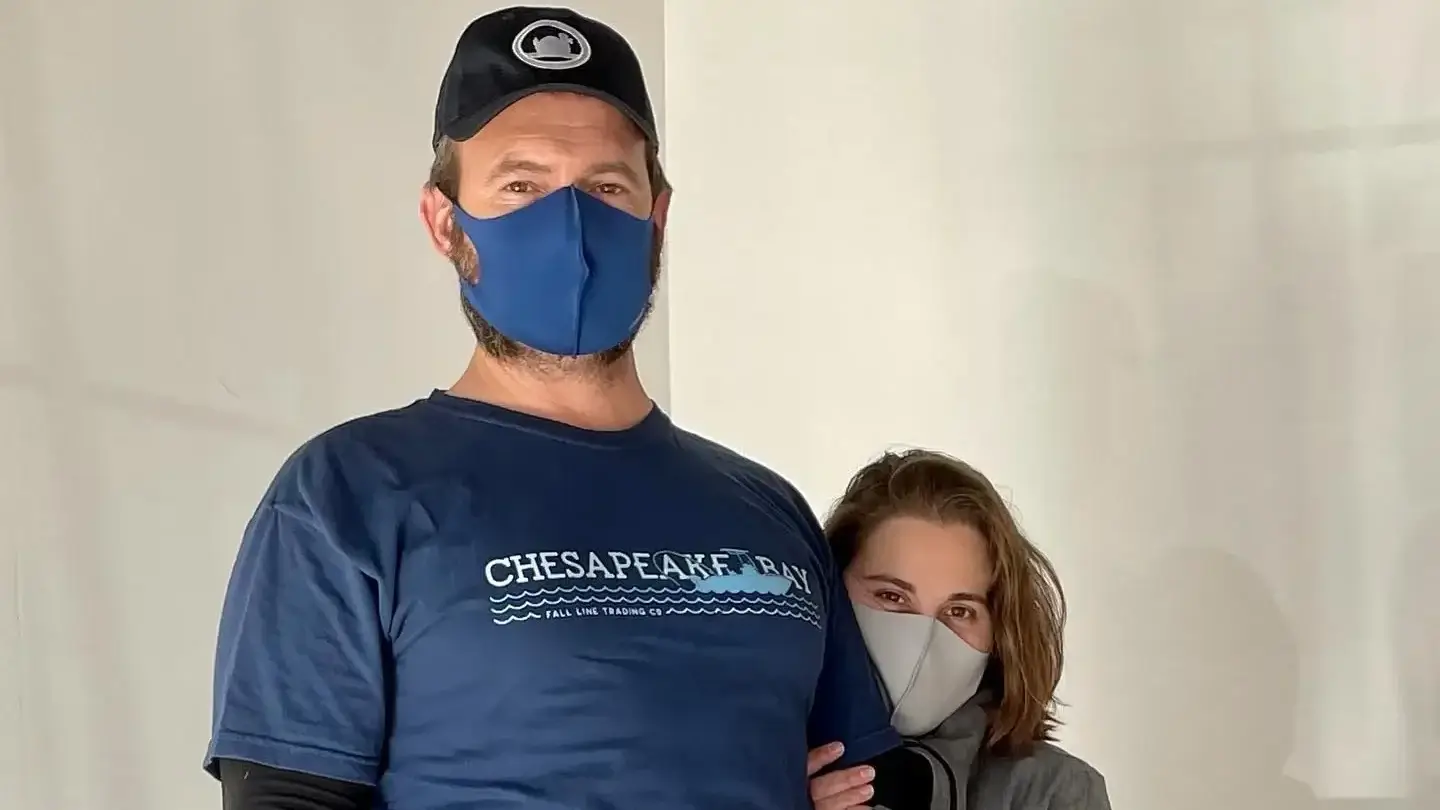
The founders of Rogue Oysters, particularly Taryn Brice Rowland, chose the name because they decided to “go rogue.” They left their corporate lifestyle to start an oyster farm focused on sustainability. The name reflects their departure from traditional paths. It shows their commitment to doing things differently. They focus on environmental sustainability and ecological restoration.
About Rogue Oysters
Rogue Oysters is cultivated by Taryn Brice Rowland, the Co-Founder and CEO of the company, along with her husband. The company’s history began with a focus on sustainability. Initially, they addressed a coastal erosion issue on the Rappahannock River in Virginia. Rowland’s research led her to discover that restoring the local marine ecosystem help mitigate erosion. She found that reintroducing oysters promotes the growth of underwater grasses1.

The company’s journey started in 2017 when they first placed oysters in the water. They faced significant setbacks. A devastating rain event wiped out 80% of their stock. The COVID-19 pandemic severely impacted the oyster market. Despite these challenges, Rogue Oysters survived. The company has since committed to scaling up its operations. They plan to add another 50% to their production next year and continue growing as long as there is demand.
Rogue Oysters operates with a core mission. They aim to leave the world better than they found it. Their focus is on environmental sustainability and ecological restoration. Their oysters are known for their unique merroir. It is described as buttery and smooth with a hint of the Blue Ridge Mountains. There is a natural dash of the Rappahannock’s salt, with a salinity of 12-15 ppt2.
Follow Them
Want to stay up-to-date on the latest news, behind-the-scenes insights, and mouth-watering photos from Rogue Oysters?
Visit their official website. Learn more about their sustainable oyster farming practices, get recipe inspiration, and order fresh oysters straight from the farm.
Rogue Oysters Information
Oyster: Rogue Oysters
Species: Crassostrea virginica, the Eastern oyster.
Cultivation Method: Farmed for 18-24 months
Size: 2.75″-3.5″+
Seasonality: Year-round with peak season typically from September to April.
Culture Method: off-bottom cages that allow for natural growth and habitat creation
Salinity: 12-15 ppt

Appearance: irregular shell that is gray and white The shell shape is teardrop-shaped. The surface of the shell is clean with ridges, bumps, and barnacles.
Flavor Profile: The taste is buttery and smooth. It has a natural dash of the Rappahannock’s salt. It is not too sweet and not too salty.
Be sure to check out the latest in oyster and aquaculture news!
Location
Rogue Oysters originate on the main branch of the Rappahannock River in Virginia. They are, specifically, out of Greenvale Marina in Lancaster, VA, on the Northern Neck 8. This location provides a unique combination of environmental factors that support oyster growth and prosperity.
The Rappahannock River boasts an optimal salinity range of 12-16 parts per thousand (ppt), perfect for oyster cultivation. This lower salinity level compares to ocean-grown oysters, which typically measure between 28-36 ppt. It ensures that Rogue Oysters are classified as “sweet” oysters. They have a distinct, lighter salt flavor 8.
Additionally, the river’s exceptional water quality and temperature are pivotal in fostering oyster growth. The tidal flow in the creek provides abundant food and oxygen, enabling healthy growth 5. Various environmental factors, including river flow and tidal patterns, significantly enhance the oysters’ growth and flavor profile. The Rappahannock River’s water temperature and salinity are directly influenced by its discharge. Tidal dynamics also play a role, creating a thriving environment that supports oyster cultivation 12. The river’s water quality effectively mitigates the risk of toxic algae blooms. It protects both humans and oysters. This makes it an ideal location for oyster farming 8.
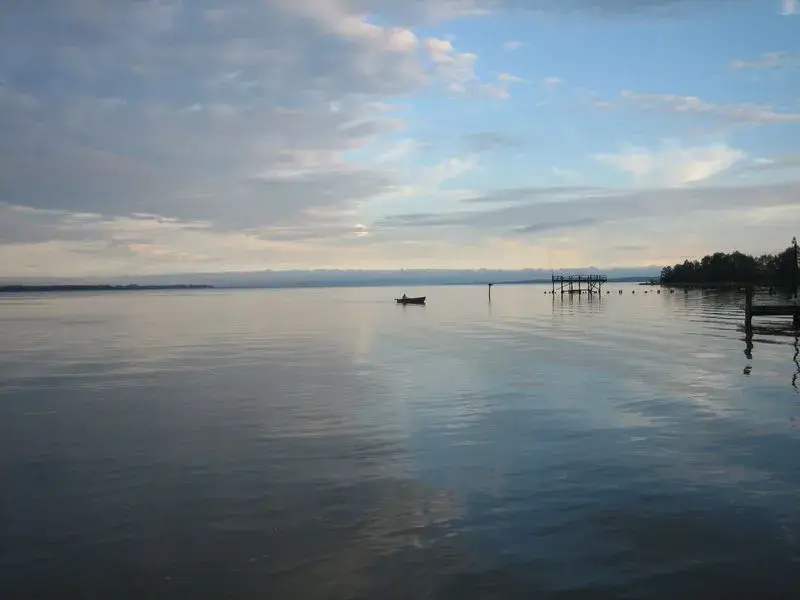
The Rappahannock River’s unique combination of salinity, water temperature, and tidal patterns creates an ideal environment for oyster growth. This environment supports oyster prosperity. The location’s environmental factors enhance the production of high-quality oysters. Rogue Oysters’ sustainable farming practices also play a role. Together, they contribute to a distinct flavor profile.
Suggested Beverage Pairings
- Muscadet:
- Guinness:
- Why: The smooth, creamy texture of Guinness pairs well with the oysters’ buttery flavor. The beer’s dark color and bitter notes contrast with the oysters’ light, salty taste, creating a harmonious combination1.
- Hendrick’s Gin Martini:
- Veuve Clicquot Yellow Label Brut Champagne:
- Suze Tonic:
- Why: The Suze Tonic is refreshing and bubbly. It has a perfect dash of herbal bitterness from the Suze. Suze is a French apéritif known for its earthy, citric, and bitter taste. This complements the oysters’ fresh, salty flavor and provides a light, refreshing pairing2.
Where Can I Buy Rogue Oysters?
- Direct from Rogue Oysters: You can pre-order oysters. Pick them up at the farm in Lancaster, VA. Alternatively, you can collect them at a regional pick-up location. To ensure availability, orders must meet specific deadlines:
- Rogue Oysters Website: You can pre-order oysters on their website. You can choose to pick them up at the farm, a regional pick-up location, or have them shipped to you15.
If you Like Rogue Oysters, Check out some similar varieties!
References
- Rogue Oysters. Rogue Oysters, 2024, https://rogueoysters.com.
- SeafoodSource. SeafoodSource, 2024, https://www.seafoodsource.com.
- Chase, Chris. “Rogue Oysters started with sustainability and ended up with a commercial oyster farm.” SeafoodSource, 14 Mar. 2023, https://www.seafoodsource.com/news/aquaculture/rogue-oysters-started-with-sustainability-and-ended-up-with-a-commercial-oyster-farm.
- Rogue Oysters. “Sustainability.” Rogue Oysters, https://rogueoysters.com/pages/sustainability.
- Oyster Cultivation. Oysterater, https://www.oysterater.com/about/oyster-cultivation/.
- Rogue Oysters. “Frequently Asked Questions.” Rogue Oysters, https://rogueoysters.com/pages/faqs.
- Rogue Oysters. “Did You Say Oyster Nursery?” Rogue Oysters, https://rogueoysters.com/blogs/the-seed/farming-did-you-say-oyster-nursery.
- La Peyre, M. K., et al. “Analysis of environmental factors influencing salinity patterns, oyster growth, and mortality in lower Breton Sound Estuary, Louisiana using 20 years of data.” Journal of Coastal Research, vol. 32, no. 3, 2016, pp. 519-530, doi: 10.2112/JCOASTRES-D-15-00146.1.
- Robbins, L. L., and J. T. Lisle. “Regional acidification trends in Florida shellfish estuaries: a 20+ year look at pH, oxygen, temperature, and salinity.” Estuaries and Coasts, vol. 41, no. 5, 2018, pp. 1268-1281, doi: 10.1007/s12237-018-0381-1.
Discover more from The Oyster Encyclopedia
Subscribe to get the latest posts sent to your email.