

Quick Facts
- Cultivated in clay ponds called claires for 4-6 months.
- Raised on the Île d’Oléron, France.
- Very low stocking density: one or two oysters per square meter.
- Meat yield: 16-17% per oyster.
- Prized for a unique, terroir-driven flavor.
What Are Originelle de Jeanine Oysters?
Originelle de Jeanine oysters stand out because farmers use clay ponds, called claires, for their final stage of growth. These clay ponds allow the oysters to absorb unique minerals and flavors from both the clay and the tidal water. This method is different from most oyster farms, which use open sea or suspended techniques instead. The result is an oyster with a one-of-a-kind taste and texture not found elsewhere.
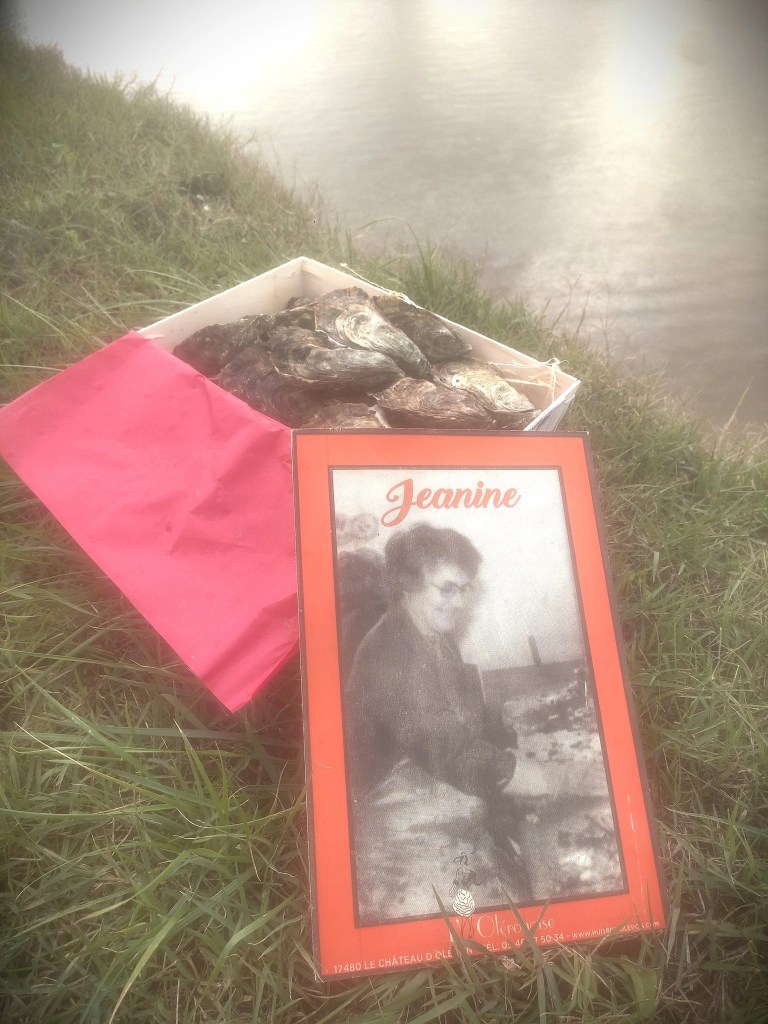
Farmers turn the net bags holding the oysters often, which keeps the shells strong and lets water flow through the ponds without algae buildup. The oysters grow slowly with plenty of space, which makes each oyster meatier and ensures consistent quality. This process builds robust shells and creates a distinct “terroir”—the flavor signature tied to the farm’s location and soil makeup.
Originelle de Jeanine oysters have a unique taste profile, combining sweetness and minerality with a clean brine finish. This results from the careful balance of water movement, clay minerals, and small batch farming practices. The environment and the hands-on farming approach make these oysters a showpiece for traditional French methods and local expertise.
How Did Originelle de Jeanine Oysters Get Their Name?
The name Originelle de Jeanine honors the heritage and traditions of French oyster farming. The use of “Originelle” signals a return to origins—a nod to the ancestral practices used to create this oyster. The inclusion of “Jeanine” may commemorate a local farmer or significant figure involved in the oyster’s history, though the specific individual is not widely documented.
French oyster farms often name their varieties to highlight special techniques or local stories. In this case, “Originelle” is used to emphasize authenticity and a classic approach to oyster cultivation. These words signal the commitment to quality that drives the farm’s practices.
About The Cultivation Process
Farmers begin growing Originelle de Jeanine oysters by sourcing spat, which are baby oysters, from trusted partners. These spat spend their first months in protective mesh pouches with small openings so they stay safe and feed on natural plankton. As the oysters grow, farmers transfer them to bags with larger openings, giving them room to develop strong shells while reducing overcrowding.
Once oysters reach a certain size, the farmers move them to clay ponds called claires for the final maturation stage. Only a few oysters are placed per square meter; this low-density approach lets each oyster absorb minerals directly from the clay and tidal seawater. Farmers frequently turn the bags, stop algae from forming, and keep water flowing so the oysters are healthy and clean.
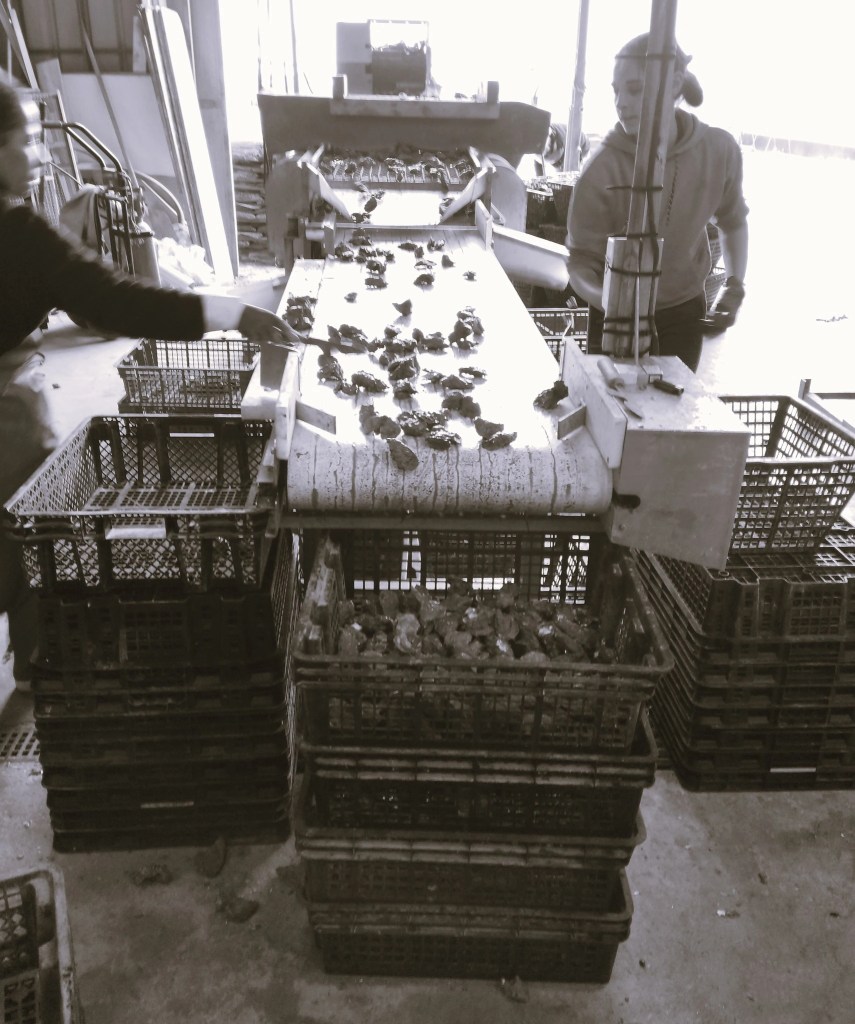
Throughout the cultivation process, farmers separate oysters by size and redistribute them so larger ones never outcompete the smaller ones for food. They use hydraulic sluice gates to control water flow and mimic natural tides, which delivers fresh nutrients and prevents stagnation. These hands-on techniques guarantee every oyster develops its signature texture and flavor. In three years, the oysters reach market size with qualities unique to the farm’s location and method
About The Massé Oyster Farm

The Massé Oyster Farm sits between the Charente coast and Oléron Island, taking full advantage of a region celebrated for oyster production for more than a century. The farm carefully maintains both traditional and modern facilities, including expansive sea beds in the intertidal zone and restored clay claires for maturing oysters. These sites foster ideal conditions thanks to sandy bottoms rich in plankton and tidal flows that refresh the water, boosting both oyster growth and nutritional value.
The farm stands out for its detailed organization and hands-on approach. Workers regularly tend to mesh bags on seaside tables throughout the year, flipping and shaking them to shape strong, even shells. After oysters reach the proper size, workers transport them to historic claires, where the low density and unique sun exposure allow the oysters to develop their subtle flavors and signature colors. Purging tanks filled with fresh seawater help cleanse the oysters before they get packed for shipping, supporting both quality control and food safety.
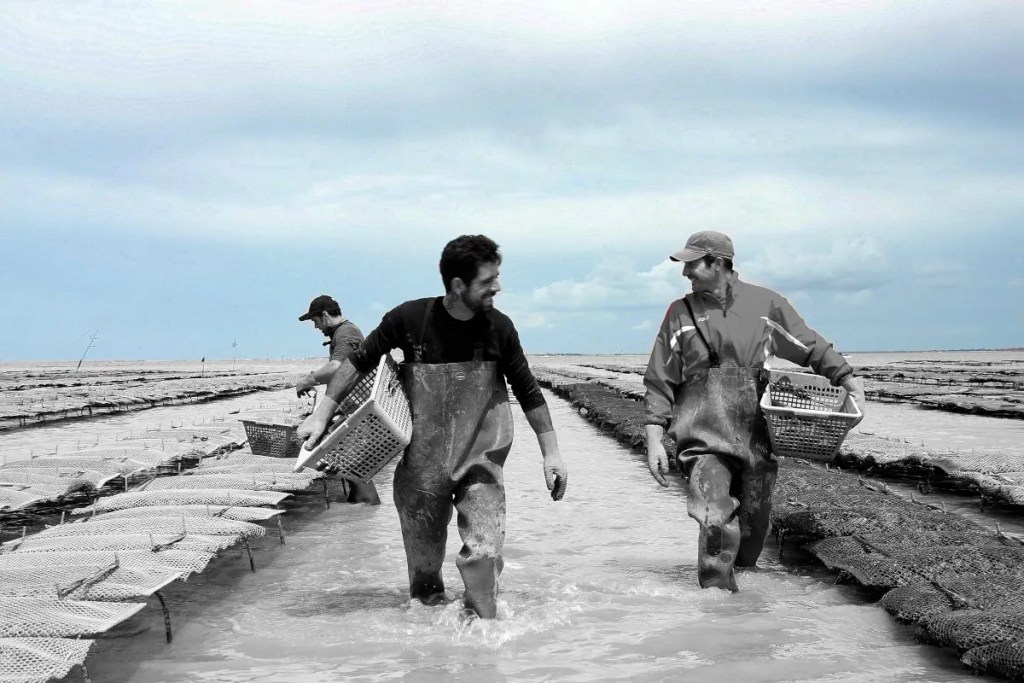
Massé Oyster Farm’s strong family legacy, focus on quality, and year-round operations combine to deliver oysters globally. Each member of the team contributes specialized knowledge, ensuring standards remain high and customer trust is maintained with every delivery.
Follow Them
Discover more about the craftsmanship behind Fine l’Oléronaise oysters by visiting The Massé Oyster Farm’s official website and social media channels. Explore their story, see the latest updates, and connect directly with the people who bring these exceptional oysters from the coast of Oléron to your table!
Originelle de Jeanine Oysters Information
Oyster: Originelle de Jeanine
Species: Crassostrea gigas
Cultivation Method: Finished in clay ponds (claires) with low-density stocking
Size: Usually 2-4 inches at market
Seasonality: Year-round availability
Culture Method: Started in protective mesh pouches, matured in claires, bags are regularly turned for cleanliness
Salinity: 29-33 ppt, matching local tidal seawater
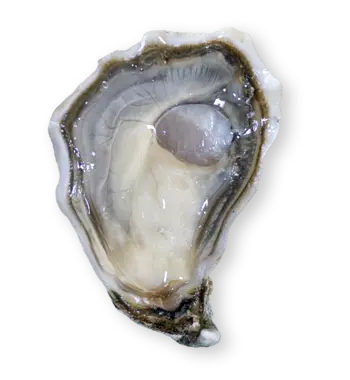
Apperance: Rounded, robust shells with smooth surfaces and noticeable ridges. Their shells often show a subtle green tint from clay pond maturation, with color bands reflecting mineral-rich sediments.
Flavor Profile: Sweet and minerally at first, with a distinct briny freshness that lingers. You’ll notice firm, chewy meat with hints of almond and iodine in the finish. Each bite feels balanced and leaves a clean, refreshing aftertaste
If you like Originelle de Jeanine Oysters, Check Out Some Of These Similar Varieties!
Location
Farmers cultivate Originelle de Jeanine oysters on the Île d’Oléron, which sits off the western coast of France as part of the Marennes-Oléron basin.
This region is famous for its intricate network of tidal channels, clay-lined salt ponds, and abundant estuarine mudflats. The oysters here undergo their final stage of growth in “claires,” or shallow clay ponds. These clay ponds provide a controlled and nutrient-rich setting, ensuring that oysters receive the natural minerals and delicate conditions they need to thrive.
Environmental Factors
Several environmental factors combine to make this location ideal for oyster growth and prosperity. Twice-daily tidal flows deliver fresh seawater and oxygen throughout the claires, bringing in rich supplies of phytoplankton—oysters’ primary food source. This constant water exchange keeps the ponds well-oxygenated and free from disease. The region’s brackish water, which blends salty Atlantic tides and steady freshwater inflows from the Seudre River, helps stabilize salinity, promoting strong shell growth and robust oyster health.
The clay soils in these ponds also play a vital role. They contain high levels of minerals and trace elements, which not only enhance the oyster’s flavor but also help produce shells that are firm and resilient. Sunlight easily penetrates these shallow ponds, supporting microalgae blooms that further enrich the oyster’s diet. Thanks to the mild maritime climate and sheltered geography—buffered from extreme weather by natural inlets—oysters grow steadily year-round, stress-free, and develop their signature sweetness and minerality.
Altogether, the synergy of tidal action, nutrient-rich brackish waters, mineral-laden soils, and a stable, mild climate creates an unmatched environment for oyster farming. Local expertise and generations of tradition strengthen these natural advantages, resulting in oysters renowned for their quality, flavor, and texture.
Suggested Beverage Pairings
- Valdespino Manzanilla Sherry – This bone-dry Spanish sherry is salty, lightly floral, and nutty, which mirrors the oyster’s minerality and refreshes with each sip. The savoriness of Manzanilla harmonizes with the oyster’s brine, giving a unique and complex flavor experience that accentuates the oyster’s delicacy.
- Boon Oude Geuze (Belgian Lambic Beer) – Boon Oude Geuze offers a tart, funky, and effervescent beer style. Its bold acidity and citrus-driven zing cleanse the palate and amplify the oyster’s sweet, saline notes, making this sour beer a lively and surprising companion for shellfish.
- The Paloma (Espolòn Tequila Blanco, fresh grapefruit, lime, soda) – A Paloma, made with fresh-squeezed grapefruit and Espolòn Tequila Blanco, pulls sharp citrus and a hint of bitterness into focus. The cocktail’s effervescence and tangy bite brighten the oyster’s clean flavors, turning every slurp into a zesty burst.
- Mezcal (Del Maguey Vida Mezcal, neat) – Mezcal brings a smoky, savory layer with baked agave and earthy undertones, which create a bold counterpoint to the oyster’s sweet salinity. This combination is unexpected and bold, offering a memorable flavor contrast that highlights the oyster’s minerality.
- Chrysanthemum #2 Cocktail (dry vermouth, Benedictine, green Chartreuse, absinthe) – This aromatic craft cocktail mixes dry herbal flavors and subtle sweetness, complementing the oyster’s sea-spray freshness. Each sip adds layers of herbal and floral complexity, drawing out subtle notes in the oyster and elevating the entire tasting experience.
Where Can I Buy Oysters?
- Oleronaise Oyster Farm
These oysters are available directly from the farm’s official website. Buyers can order them fresh, packed in chilled containers and shipped overnight across Europe.
Stay Connected with The Oyster Encyclopedia!
Follow us on social media to get the latest updates, oyster recipes, and behind-the-scenes glimpses into the world of oysters:
Stay tuned for exclusive content, oyster trivia, and more! Engage with our vibrant community of oyster enthusiasts by liking, commenting, and sharing our posts. Your support helps us continue providing valuable oyster knowledge to fellow seafood lovers worldwide.
References
- Château d’Oléron – L’Oléronaise. “Sea-to-table oysters of the finest quality.” L’Oléronaise, https://www.oleronaise.com/en. Accessed 7 Oct. 2025.
- “Fine l’Oléronaise Oysters.” The Oyster Encyclopedia, https://oysterencyclopedia.com/encyclopedia/fine-loleronaise-oysters/. Accessed 7 Oct. 2025.
- “Marennes-Oléron oysters.” Royan Atlantique, www.royanatlantique.fr/en/explorer/terroir-et-gastronomie/les-huitres-marennes-oleron/. Accessed 7 Oct. 2025.
- France Naissain. “Oyster farming techniques.” France Naissain, www.francenaissain.uk/oyster-bivalve/oyster-farming-techniques. Accessed 7 Oct. 2025.
- “Spéciale de Claire Oysters.” The Oyster Encyclopedia, https://oysterencyclopedia.com/encyclopedia/speciale-de-claire-oysters/. Accessed 7 Oct. 2025.
- “Fine de Claire Oysters.” The Oyster Encyclopedia, https://oysterencyclopedia.com/encyclopedia/fine-de-claire-oysters/. Accessed 7 Oct. 2025.
- “Circuit ‘l’aventure ostréicole’ au Château-d’Oléron.” Oleron-Island.com, https://www.oleron-island.com/preparing-my-vacation/what-to-do/walks-and-hikes/circuit-l-aventure-ostreicole-au-chateau-d-oleron. Accessed 7 Oct. 2025.
- Pangea Shellfish Company. “FishChoice.” www.fishchoice.com/business/pangea-shellfish-company. Accessed 7 Oct. 2025.
- “The Jolly Oyster.” https://thejollyoyster.com. Accessed 7 Oct. 2025.
- “Pairing Cocktails and Naked Oysters.” Pangea Shellfish Company, https://www.pangeashellfish.com/blog/pairing-oysters-and-cocktails. Accessed 7 Oct. 2025.
- “Best Drink with Oysters?” Oysterater, https://www.oysterater.com/best-drink-with-oysters/. Accessed 7 Oct. 2025.
- “The Best Oyster and Beer Pairings.” Allagash Brewing Company, https://www.allagash.com/discover/pairings-recipes/the-best-oyster-and-beer-pairings/. Accessed 7 Oct. 2025.
- “How to Pair Oysters and Cocktails.” Food & Wine, https://www.foodandwine.com/how-to-pair-oysters-and-cocktails-7566968. Accessed 7 Oct. 2025.
Discover more from The Oyster Encyclopedia
Subscribe to get the latest posts sent to your email.