


Quick Facts
- Kanawa oysters grow in Hiroshima, Japan.
- Farmers raise them as virgin oysters.
- They suit raw eating perfectly.
- Pure waters slow their growth.
- They filter sea water cleanly.
What Are Kanawa Oysters?
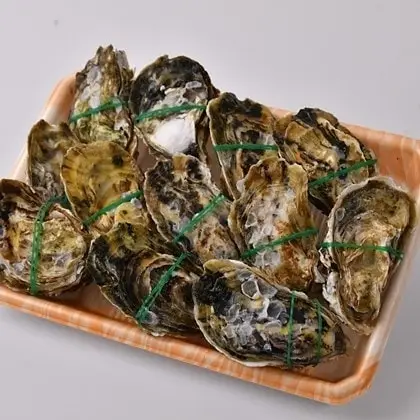
Kanawa oysters are small, premium Pacific oysters grown around Okurokamishima off Etajima in Hiroshima, Japan. Farmers raise them specifically for raw service and select only very young, tightly cupped oysters sold under the “virgin oyster” concept, which emphasizes pure, concentrated flavor. These oysters sit within the broader Hiroshima Kaki tradition, where the region supplies most of Japan’s oyster volume from calm, nutrient‑rich bays. Their reputation centers on clean, sweet meat with no bitterness and a texture that stays dense yet tender on the half shell.
Hiroshima’s oyster culture stretches back centuries, and Kanawa Suisan operates as one of the area’s most respected producers. Historical accounts describe organized oyster farming in Hiroshima from at least the 16th century, with modern raft culture evolving as demand grew.
The “virgin oyster” identity makes Kanawa oysters unique even compared with other Hiroshima Kaki. Producers harvest these oysters at just a few months old, before any spawning, which keeps the meats small but very concentrated in flavor and texture. Tasting notes describe them as a sip of pure oyster extract: clean, sweet, and deeply savory without off odors or harsh metallic edges. The small shell size contrasts with surprisingly full cups of milky white flesh, which sit snug in rugged, gray‑brown Pacific shells. This combination of youth, density, and purity positions Kanawa oysters as a luxury expression of Hiroshima Bay terroir rather than a commodity oyster.
How Did Kanawa Oysters Get Their Name?
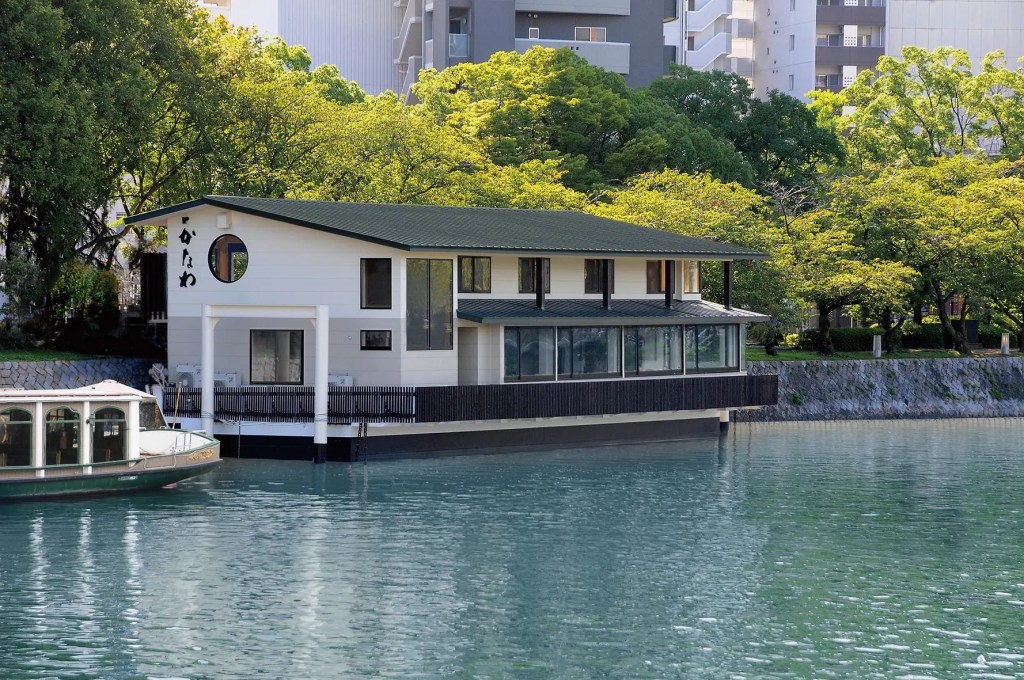
Kanawa oysters take their name from Kanawa Suisan, the family company and restaurant group behind their cultivation and service in Hiroshima. The Kanawa family began farming oysters in the 19th century and later opened notable oyster restaurants, including the famous floating “Oyster Boat Kanawa” on Hiroshima’s Motoyasu River.
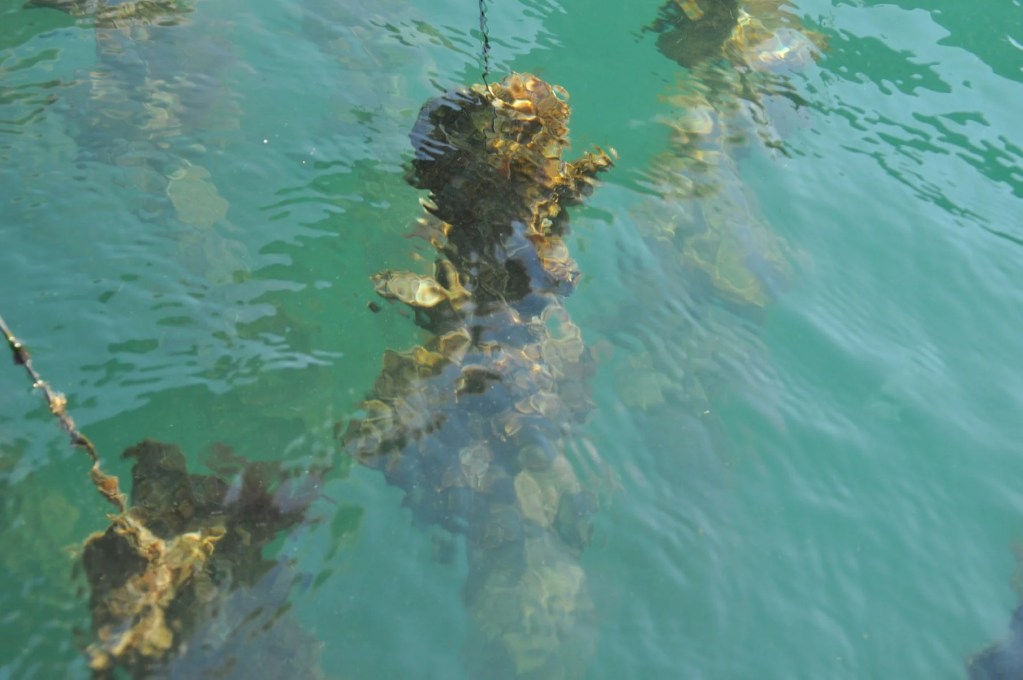
As the farm and restaurants grew in reputation, oysters grown on the company’s reserved rafts near islands such as Okurokamishima became known simply as “Kanawa oysters,” tying the product name directly to the producer. Over time, this branding expanded to highlight their signature “virgin oysters,” so diners now associate the Kanawa name both with the farm’s location and with this specific small, intensely flavored Hiroshima oyster style.
About Kanawa Suisan
Kanawa Suisan founded their oyster legacy back in 1867. They started small along Hiroshima’s bustling shores. Founders eyed the bay’s rich plankton flows right away. Early rafts bobbed close to urban docks then. Family hands passed down skills across generations smoothly. Tatsuo Miho took reins as fourth-generation head recently. He upholds their raw oyster quest fiercely.
Urban growth choked waters by the 1900s. Kanawa shifted rafts farther out in 1901 smartly. They chased cleaner currents beyond city reach. The 1973 move locked in Okurokamishima Island fully. Uninhabited shores promised zero runoff threats there. This spot birthed their virgin oyster breakthrough boldly. Farms now dot the bay with scattered raft lines precisely.
Daily checks rule operations tight. Divers pluck oysters at peak plumpness young. Tanks scrub them 72 hours post-harvest deep. Weekly lab tests guard against all bacteria sneaky. Grading picks only elite raw-grade beauties strictly. Their floating restaurant serves fresh proof onboard daily.
Acclaim stacks high for safety mastery. National titles crown Kanawa as Japan’s purest raw source. Elite Tokyo sushi dens stock them exclusively. Hygiene awards beat rivals yearly steady. Sustainability badges praise low-waste raft designs smart. Zero outbreaks seal their trusted name solid.
Follow Them
Check out Kanawa Oyster Farm’s official website . Follow their social media too. See fresh oyster action up close. Learn raft secrets direct from pros. Plan your Hiroshima trip today!
Oysters Information
Species: Pacific oyster (Crassostrea gigas)
Cultivation Method: Farmed; 3-4 months for virgin, up to 20 months regular
Culture Method: Suspended rafts near Okurokamishima Island. Early harvest prevents spawning. Tanks purify post-harvest 72 hours.
Salinity: 24-30 ppt (in ppt)
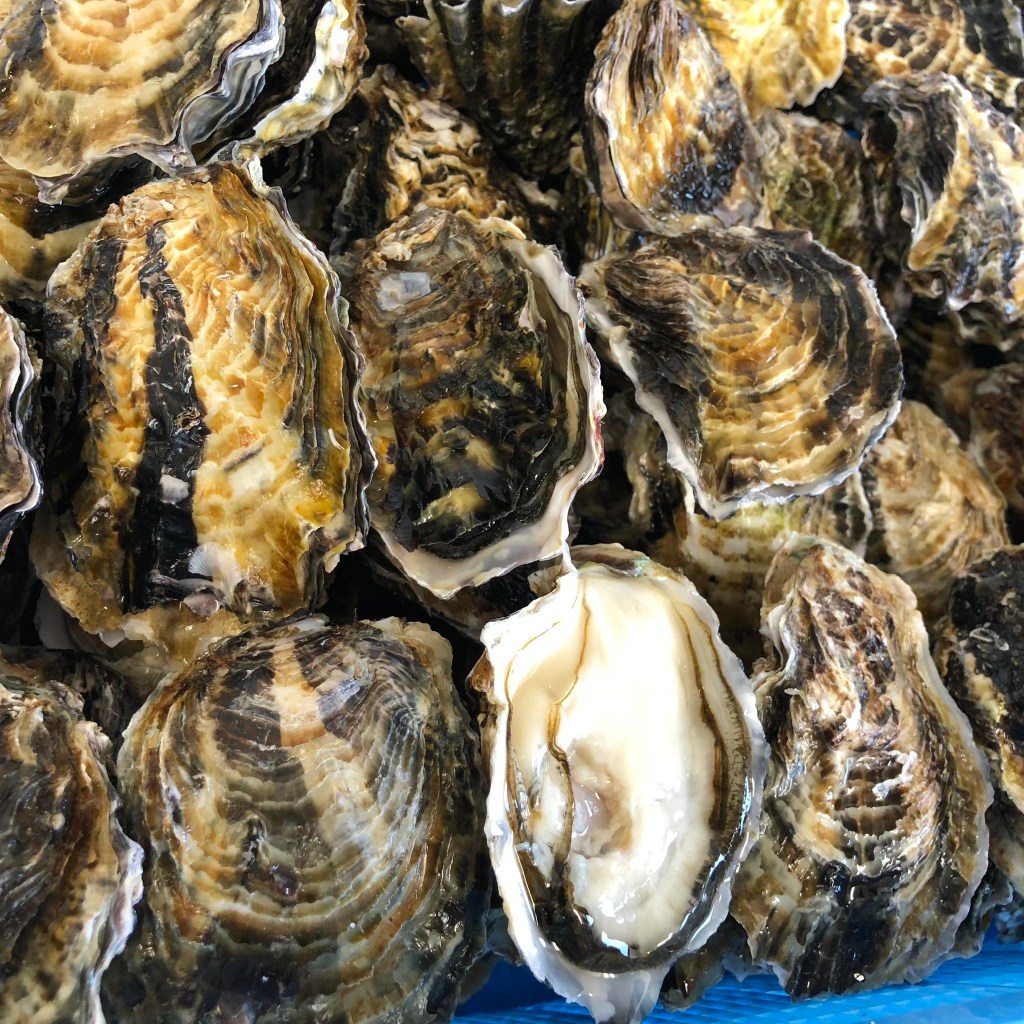
Appearance: Small, irregular gray-brown shells. Rugged surfaces show weathered fluting clearly. Inside, thick milky-white meat fills deep cups fully.
Flavor Profile: a sip of pure oyster extract, with a clean, concentrated ocean savor. They show gentle sweetness and light, clean brine, with no bitterness. They finish smooth with lingering savory umami.
Location
Kanawa farmers cultivate oysters around Okurokamishima and Daikoku Kamishima, uninhabited islands off Etajima in Hiroshima Prefecture.
Rafts float in a designated “clean sea area” of the Seto Inland Sea, away from domestic wastewater and busy shipping lanes. These sites sit within Hiroshima Bay’s broader farming zone, which already produces the majority of Japan’s oysters. Farmers suspend their gear in sheltered coves and channels that stay calm but well‑flushed. This layout keeps equipment stable while oysters feed continuously in the water column.
Environmental Factors
Several key environmental factors at these islands support strong oyster growth. The Seto Inland Sea acts like a protected inland lake, with many islands breaking up wave energy and buffering storms. Rivers draining the Chugoku Mountains bring in nutrients that fuel phytoplankton, the oysters’ natural food, while the semi‑enclosed bay shape helps retain these food sources instead of flushing them offshore. Salinity generally holds in the mid‑20s to low‑30s ppt, a range Pacific oysters tolerate well, and vertical layering in warmer months gives oysters slightly less salty surface layers to occupy. Mild regional temperatures avoid extreme cold, allowing long feeding seasons and steady shell and meat development.
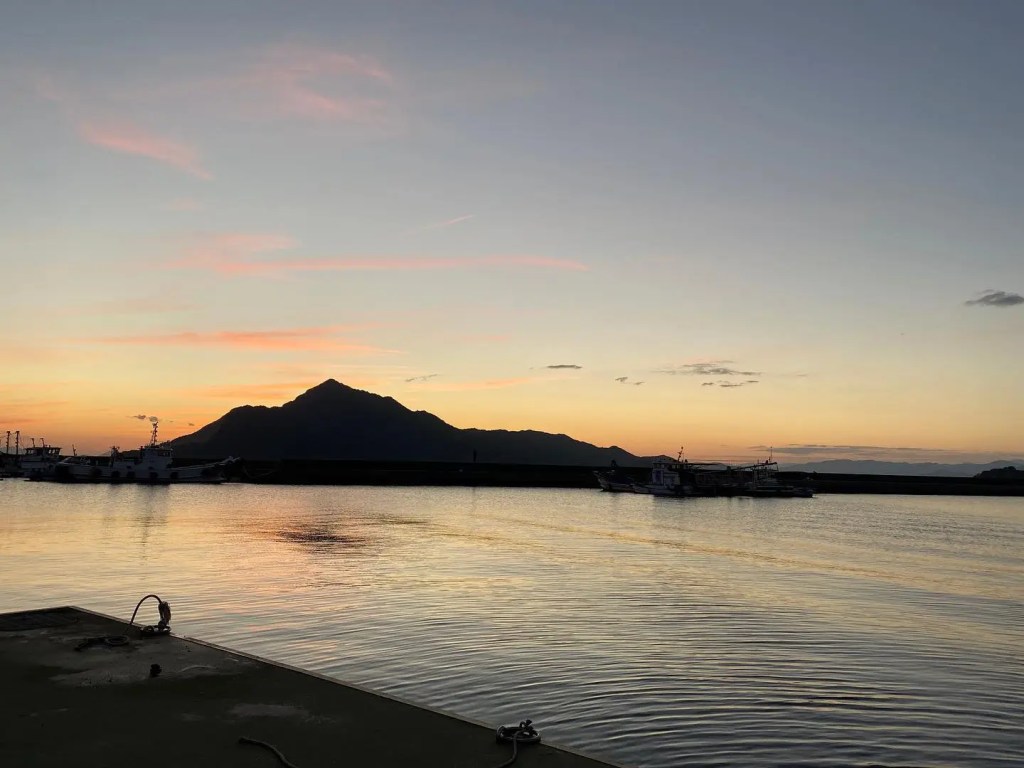
What makes Okurokamishima and Daikoku Kamishima especially beneficial is the combination of clean, salty water and strict human management. Local authorities classify these offshore pockets as high‑quality water zones, and descriptions emphasize their high salt concentration and exceptional clarity, which help produce firm, tight oysters suitable for raw service. Farmers integrate modern purification, pulling oysters from these rafts and holding them in clean seawater tanks to polish quality before sale. Centuries of Hiroshima oyster culture have refined raft design, stocking density, and harvest timing to match these micro‑conditions. Together, the islands’ isolation, balanced salinity, rich plankton, and managed cleanliness create a highly favorable setting for Kanawa oysters to prosper year‑round.

This guide is part of the Raw Bar Bible — chef-level technique, safety, and gear so you can shuck and serve oysters with confidence.
Suggested Beverage Pairings
- Dassai 45 Junmai Daiginjo (Asahi Shuzo) – Soft melon and pear notes echo the oyster’s gentle sweetness, while a clean, silky finish keeps the pure umami flavor front and center.
- Kirin Ichiban Lager – A crisp, light body and fine carbonation refresh the palate between shells, and its mild bitterness never overwhelms delicate brine.
- Domaine Laroche Chablis Saint Martin (Chardonnay, France) – Bright citrus, green apple, and firm minerality frame clean sea flavors, and high acidity cuts through richness for a long, precise finish.
- Kamotsuru Tokusei Gold Daiginjo (Hiroshima) – Gentle fruit and floral tones with rounded umami mirror savory oyster depth, and its smooth texture matches plush meat for a luxurious feel.
- Tanqueray Gin Martini with Dolin Dry Vermouth (very dry, lemon twist) – A sharp, cold, botanical profile and citrus oils sharpen each sip, contrast the creaminess, and keep the pairing focused and clean.
Where Can I Buy Oysters?
Direct Kanawa-branded oysters rarely appear on U.S. retail platforms, and availability changes often, so always confirm the product name and origin before ordering. Here are good starting points that sometimes feature Japanese or Hiroshima oysters alongside similar high-end Pacific varieties.
- Kanawa Oyster Farm – The official Kanawa group site lists their restaurants and outlets in Hiroshima and at Hiroshima Airport; from there, you can inquire directly about shipping or export partners that handle Kanawa oysters or boxes for overseas markets.
References
“Kanawa Oyster – raising ‘virgin oysters’ which have never reproduced.” Nihonmono.jp, 4 Feb. 2025, nihonmono.jp/en/article/27948/.
“Oysters of Japan: Hunting for Hidden Pearls in Hiroshima Bay.” In a Half Shell, 20 Feb. 2025, www.inahalfshell.com/journal/hiroshimabay.[4]
“Hiroshima Kaki Oysters – The Oyster Encyclopedia.” OysterEncyclopedia.com, 10 Dec. 2025, oysterencyclopedia.com/encyclopedia/hiroshima-kaki-oysters/.
“OYSTER FARM Hiroshima.” Kanawa.co.jp, 14 Jan. 2013, www.kanawa.co.jp/en/airport.[6]
“Assorted Oysters — Kanaloa Seafood Market.” KanaloaSeafood.com, kanaloaseafood.com/shop/assorted-oysters.
“Delivery This Week – Island Creek Oysters.” IslandCreekOysters.com, shop.islandcreekoysters.com/collections/delivery-this-week.
“Freshest Place to Buy Oysters Online | Pure Food Fish Market.” FreshSeafood.com, freshseafood.com/collections/oysters.
“牡蠣(かき)料理・広島料理 かなわ.” Kanawa.co.jp, www.kanawa.co.jp/en/.[10]
“Oyster reefs and the Pacific Oyster.” EcoShape.org, www.ecoshape.org/en/oyster-reefs-and-the-pacific-oyster/.[11]
“Oyster Reef Habitat.” NOAA Fisheries, 8 Jan. 2026, www.fisheries.noaa.gov/national/habitat-conservation/oyster-reef-habitat.[12]
“Top 6 Wine Pairings for Fresh Oysters.” LWOysters.com, 21 May 2025, lwoysters.com/blogs/news/top-6-wine-pairings-for-fresh-oysters.
“Wine Pairing with Oysters.” Wine Spectator, 21 Apr. 2014, www.winespectator.com/articles/wines-for-oysters-49870.[14]
“Oyster Wine Pairing: The Ultimate Guide.” ArmchairSommelier.com, 26 Feb. 2025, armchairsommelier.com/food-and-pairings/oyster-wine-pairing/.
“Wine and Oyster Pairings.” HampandHarrys.com, 26 Jan. 2023, www.hampandharrys.com/wine-and-oysters.[16]
“The seven best wines to match with oysters.” WineWankers.com, 23 Feb. 2016, winewankers.com/2016/02/24/%EF%BB%BFthe-seven-best-wines-to-match-with-oysters/.
“Pacific oyster.” Wikipedia, 15 Dec. 2005, en.wikipedia.org/wiki/Pacific_oyster.
Discover more from The Oyster Encyclopedia
Subscribe to get the latest posts sent to your email.