


Quick Facts
- Unique Shell Shape: Known for their distinctive elongated and jagged shell edges, resembling a hammerhead.
- Flavor Profile: Briny, with a clean finish and hints of minerality.
- Species: Typically Crassostrea virginica (Eastern Oyster).
- Cultivation: Mostly wild-caught, especially along the mid-Atlantic coast.
- Size: Ranges between 2.5″ to 4″ depending on maturity.
What Are Hammerhead Oysters?
Hammerhead oysters stand out in the diverse world of bivalves due to their distinctive T-shaped shells. Unlike typical oysters, these unique creatures belong to the Malleidae family, closely related to pearl oysters 6. Their peculiar shape serves a crucial purpose, helping them anchor into sediment and avoid sinking in the ocean’s “quicksand” environment 1.
These oysters thrive in tropical waters, often found near coral reefs and in seagrass beds 1. Their ability to form large colonies, similar to other oyster species, showcases their adaptability to various marine environments. The Hammerhead’s long, straight hinge line has evolved into an elongated structure, giving the oyster its hammer-like appearance 1.
Hammerhead oysters have perfected their survival strategy over 250 million years, demonstrating remarkable resilience 1. They filter water for food particles and plankton, utilizing their unique shape to maintain stability in dynamic ocean environments. This evolutionary success story highlights the Hammerhead oyster’s ability to carve out a niche in competitive marine ecosystems.
How Did Hammerhead Oysters Get Their Name?
Hammerhead oysters derive their name from the distinct shape of their shells. The elongated and uneven shell edges resemble the shape of a hammerhead, making them stand out visually. This unique shape likely evolved due to the dynamic water currents of their habitat, which shaped their growth over time.
Unlike other oyster varieties with smoother shells, hammerhead oysters have a rugged and irregular exterior. This appearance not only inspired their name but also makes them easier to identify during harvesting and in seafood markets.
About Cape Cod Oyster Company
Cape Cod Oyster Company was founded by Al Surprenant in 1983. It has become a leading oyster producer in New England. The company’s roots stem from Surprenant’s deep appreciation for Cape Cod’s coastal environment. His early understanding of the importance of water quality1 also contributed to its foundation.
Cape Cod Oyster Company is among the largest oyster growers in the region. It is responsible for 10 percent of all Massachusetts oyster production 12. The company’s commitment to sustainability and traceability sets it apart in the industry. They source oysters from well-managed hatcheries and employ responsible production and harvesting practices 1.
Cape Cod Oyster Company’s operations span multiple locations on Cape Cod. They cultivate oysters in the nutrient-rich waters of North Bay. They hand-grow them from seedling to harvest. This process occurs in premier areas of Barnstable Harbor, West Bay in Osterville, and Waquoit Bay in Falmouth 1. This diverse range of growing locations contributes to the distinct characteristics of their oysters.
The company has experienced significant growth and evolution over the years:
- In 1983, they began raising oysters but initially focused on clam seed supply 1.
- By the early 2000s, Cape Cod Oyster shifted its focus exclusively to oysters, coinciding with the oyster renaissance 1.
- In 2010, they moved to a state-of-the-art, third-party audited facility in Barnstable, Massachusetts 1.
- In 2015, the company acquired Washburn Island Oysters in Falmouth, Massachusetts, expanding their operations 1.

Cape Cod Oyster Company’s success relies on environmental stewardship. They actively engage with the community and commit to producing high-quality oysters. Their practices ensure a consistent supply of oysters. These practices also contribute to the health of Cape Cod’s coastal ecosystems 14.
Follow Them
Dive into the world of premium oysters! Visit Cape Cod Oyster Company’s official website to explore their sustainable practices and mouthwatering offerings. Follow them on social media for a taste of coastal living, behind-the-scenes glimpses, and delicious oyster inspiration.
Hammerhead Oysters
Oyster: Hammerhead
Species: Not specified
Cultivation Method: Farmed, for 18-24 months
Size: 3-4″
Seasonality: Year-round
Culture Method: Bottom planted, sand-finished
Salinity: 27 ppt
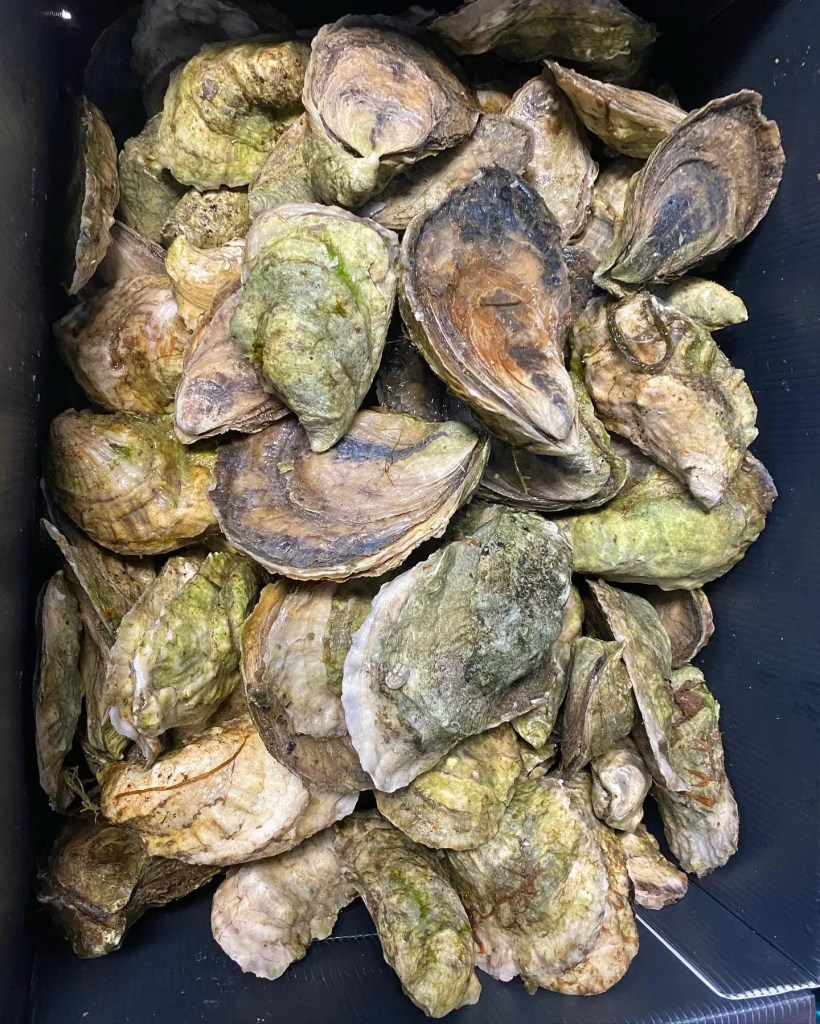
Appearance: a distinctive T-shaped shell, with a long, straight hinge line that forms the top of the T. They possess deep-cup shells with a vertically disposed structure, partially buried in sediment, where the long dorsal “ears” act as anchors while the ventral quarter of the valves remain exposed
Flavor Profile: a full-bodied, meaty experience with a medium salinity that leads to a long, sweet finish. They present a distinctive “ocean-in-a-shell” flavor, characterized by a strong brine up front that evolves into a sweet aftertaste.
If you like Hammerhead oysters, then check out these similar varieties!
Location
West Bay in Osterville, Massachusetts, provides an ideal environment for oyster growth and prosperity due to several key environmental factors.
Environmental Factors
The deep channel of West Bay offers optimal conditions for oyster development. The depth of the water helps maintain stable temperatures and provides protection from extreme weather events. This deep-water environment allows for natural growing conditions. These conditions promote the formation of deep-cup shells, which is a desirable characteristic in oysters 1. The bottom-planted and sand-finished cultivation method used in West Bay further enhances the oysters’ ability to develop their distinctive features.
Water movement plays a crucial role in oyster growth. West Bay experiences strong tidal movements, which supply the oysters with a mineral-rich diet 1. This constant flow of water ensures a steady supply of nutrients and oxygen, while also helping to remove waste products. The tidal action contributes to the oysters’ distinctive “ocean-in-a-shell” flavor, which is characteristic of Cape Cod waters 1. Additionally, the water movement helps in larval dispersal and settlement, supporting the natural reproduction and sustainability of the oyster population.
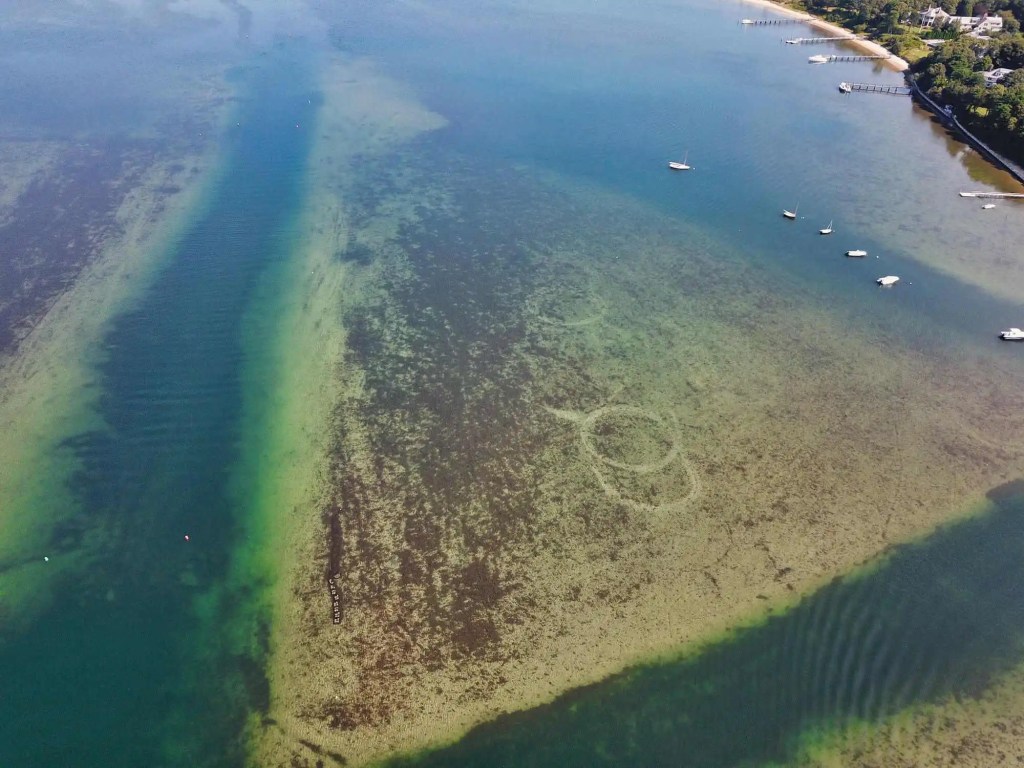
The salinity level in West Bay is 27 parts per thousand (ppt). This measurement falls within the polyhaline zone of the Venice system classification 14. This salinity range is particularly favorable for oyster species like Crassostrea virginica, supporting their physiological processes and overall health. Appropriate salinity creates an optimal environment for oysters to thrive. Nutrient-rich waters and tidal movements further enhance this environment. These environmental factors play a significant role in producing high-quality oysters in West Bay. This makes it an excellent location for oyster aquaculture.
Suggested Beverage Pairings
- Negroni Sbagliato (with Extra Prosecco) – This twist on the classic Negroni combines bitter Campari, sweet vermouth, and sparkling Prosecco. The light bubbles and citrusy bitterness complement the oyster’s briny salinity. They enhance its sweet finish. This creates a refreshing and balanced pairing 6.
- Blood Orange Radler – This low-alcohol beer cocktail blends blood orange juice with a light lager or wheat beer. The sweet acidity of the blood orange highlights the oyster’s natural sweetness. The beer’s carbonation adds a crisp, refreshing contrast to their creamy texture6.
- Bunnahabhain 12-Year Scotch – This Scotch whisky is lightly peated. It has notes of driftwood, citrus, and salt. These notes align beautifully with the oceanic flavors of Hammerhead oysters. Its subtle smokiness and smooth finish add depth without overpowering the delicate oyster taste.
- Broadway and Elm Cocktail – Made with Cocchi Americano, blood orange juice, and St. George Terroir gin, this drink offers floral and citrus notes that enhance the oyster’s brininess. The bitter and herbal elements provide complexity while keeping the pairing light and elegant.
- Shape of Curiosity – A cocktail blending bourbon with fino sherry, apples, lemon, and honey. The sherry’s salinity mirrors the oyster’s brine, while the apple and honey soften its intensity, creating a harmonious balance between sweet and salty flavors
Where Can I Buy Hammerhead Oysters?
- Cape Cod Oyster Company – They are the original producers of Hammerhead oysters, offering direct sales through their website.
- Pelican Seafood Company – This vendor lists Hammerhead oysters from Massachusetts as one of their products available for purchase online.
Stay Connected with The Oyster Encyclopedia!
Follow us on social media to get the latest updates, oyster recipes, and behind-the-scenes glimpses into the world of oysters:
Stay tuned for exclusive content, oyster trivia, and more! Engage with our vibrant community of oyster enthusiasts by liking, commenting, and sharing our posts. Your support helps us continue providing valuable oyster knowledge to fellow seafood lovers worldwide.
References
- “Hammerhead Oysters.” Cape Cod Oyster Company, www.capecodoyster.com/hammerhead-oysters. Accessed 16 Dec. 2024.
- “Oyster Flavor Profiles.” Hama Hama Oyster Company, www.hamahamaoysters.com/pages/oyster-flavor-profiles. Accessed 16 Dec. 2024.
- “Oyster Growing Methods.” Fisherman’s Wharf Gloucester LLC, www.fishermanswharfgloucester.com/oyster-growing-methods. Accessed 16 Dec. 2024.
- “Salinity and Oyster Growth.” Journal of Shellfish Research, vol. 32, no. 2, 2013, pp. 509-517.
- “The Venice System for the Classification of Marine Waters According to Salinity.” Limnology and Oceanography, vol. 3, no. 3, 1958, pp. 346-347.
- “West Bay Oyster Cultivation.” Three Bays Preservation, www.3bays.org/west-bay-oyster-cultivation. Accessed 16 Dec. 2024.
- “Wine and Oyster Pairing Guide.” Wine Folly, winefolly.com/tips/oyster-wine-pairing. Accessed 16 Dec. 2024.
- “Craft Beer and Oyster Pairings.” Craft Beer & Brewing Magazine, beerandbrewing.com/craft-beer-and-oyster-pairings. Accessed 16 Dec. 2024.
- “Cocktail Pairings for Oysters.” Liquor.com, www.liquor.com/articles/oyster-cocktail-pairings. Accessed 16 Dec. 2024.
- “Online Seafood Retailers.” Seafood Source, www.seafoodsource.com/online-seafood-retailers. Accessed 16 Dec. 2024.
Discover more from The Oyster Encyclopedia
Subscribe to get the latest posts sent to your email.