

Chef’s Notes
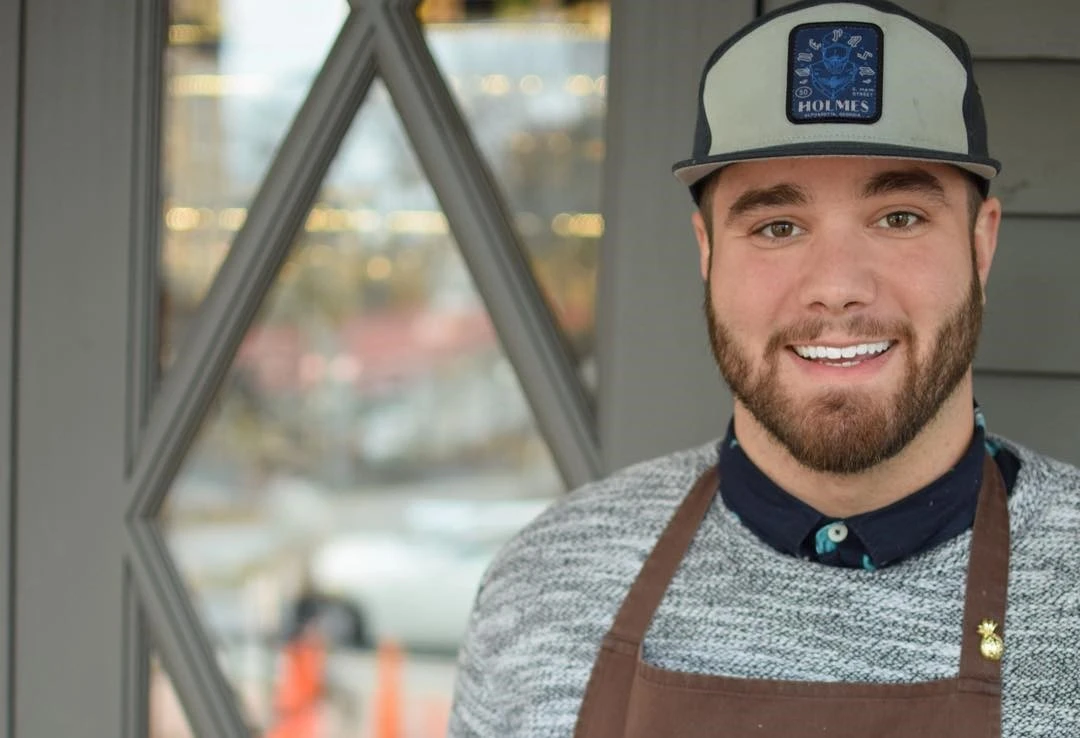
Mason Bostwick · Executive Chef
Pacific oyster
Fat Bastard is Taylor Shellfish’s oversized tide-tumbled Pacific from Willapa Bay—the big brother to Shigoku. Strong brine opens, sweet finish follows, and deep cups hold plump liquor for raw or grill service.
Flavor chart
Chef palate read
Shuckability
Shell & line performance
When I buy it
I look for Fat Bastard bands from Taylor Shellfish on Willapa or Samish tide-tumbled lots, not generic Pacific tags. Shells should read 2.75–3.75 inches with deep cups, polished rims, and clear cold liquor in 30-count packs.
How I serve it
Raw on the half shell to show the brine-to-sweet arc, or briefly grilled so the deep Willapa cup holds compound butter without collapsing.
What to watch for
Reject Fat Bastard lots with cracked hinges, milky liquor, or meats that shrank out of the deep cup. Tumbled shells should stay smooth and close tightly after cold chain.
My read
Fat Bastard is Shigoku grown large: strong Willapa brine, sweet finish, and deep liquor-rich cups. Taylor’s biggest tide-tumbled Pacific when you want impact on the raw bar.
What Are Fat Bastard Oysters?
Fat Bastard Oysters are premium farmed Pacific oysters from Taylor Shellfish Farms in Willapa Bay, Washington. They belong to the Pacific oyster species Magallana gigas. The line is cultivated for roughly three years before reaching market size. Chefs and distributors recognize them as an oversized cousin to Taylor’s popular Shigoku program.
On the half shell, Fat Bastard oysters deliver a clean, crisp read with salinity near 30–35 ppt. Bold brininess hits first from Willapa Bay’s tide-tumbled floating culture. Sweetness builds mid-palate without muddy notes. Plump, liquor-rich meats offer a satisfying chew typical of the farm’s largest tumbled stock.
Deep cups and smooth, polished shells mirror their smaller Shigoku counterparts—just scaled up noticeably. Shells carry the same stylish, tumbling-hardened finish with heavier weight in the hand. Meats sit generous in the cup with clean liquor when shucked. Typical sizes run 2.75 to 3.75 inches, nearly double the volume of a standard Shigoku.

How Did Fat Bastard Oysters Get Their Name?
Fat Bastard Oysters take their blunt trade name from their oversized profile on the shellfish line. Taylor Shellfish Farms markets them as tumbled Shigokus grown to exceptional size in Willapa Bay. The branding plays on their plump meats and deep cups rather than a geographic label alone. Buyers see the Fat Bastard name on tags, distributor manifests, and Taylor’s retail site.
The name distinguishes this specialty line from Taylor’s standard Shigoku oysters, which share the same floating-bag cultivation method. Where Shigoku stops at a moderate market size, Fat Bastard oysters are held longer to reach 2.5 to 3.25 inches or more. That extra grow-out nearly doubles the cup volume diners notice on the raw bar. The playful moniker has become shorthand among chefs for Taylor’s largest tumbled Pacific stock.
About Taylor Shellfish Farms
Taylor Shellfish Farms has a rich history that dates back to 1890 when the Taylor family began farming shellfish in the waters of the Puget Sound. The family’s legacy started with the tiny Olympia Oyster in Totten Inlet, and every generation since has grown up with a passion for shellfish. That multi-generational commitment shaped one of the most recognized shellfish brands on the U.S. West Coast. Today the farm produces Fat Bastard and other half-shell oysters from tidelands in Washington and British Columbia.
The company, in its current form, was started in 1969 as Taylor United by brothers Edwin and Justin Taylor, grandsons of James Y. Waldrip, an early Washingtonian who came to Seattle to work rebuilding after the Great Seattle Fire of 1889. Justin Taylor, in particular, saw the potential of Puget Sound for a thriving shellfish farming community and was a strong advocate for water quality and an innovator of farming techniques.
Over the last thirty years, the company has expanded its product line to include geoduck, mussels, and a variety of half-shell oysters. Bill and Paul Taylor and their brother-in-law, Jeff Pearson, lead the company with a family-oriented approach across more than 500 employees, including their children. Taylor Shellfish Farms is now the largest producer of farmed shellfish in the U.S., with over 11,000 acres of tidelands along the Washington and B.C. coasts. The company protects those waters and supports local farming communities, with Fat Bastard among several half-shell brands grown under this family operation in Willapa Bay and beyond.

Follow Them
Follow Taylor Shellfish Farms on their company website for Fat Bastard listings, farm notes, and retail shipping. Browse the Fat Bastard product page for current pack sizes and harvest windows. Farm updates also appear on Instagram and X when Willapa and Samish lots move.
Fat Bastard Oysters Information

Pacific oyster
If you like Fat Bastard Oysters, then check out these similar varieties!
Location
Fat Bastard oysters are grown and harvested in Willapa Bay on Washington’s Pacific coast. Taylor Shellfish Farms operates Fat Bastard grow-out from facilities near Ocean Park in Pacific County. The bay’s broad tidal flats and cool, nutrient-rich water suit Pacific oyster cultivation year-round. Shellfish from this estuary reach distributors across the western United States.
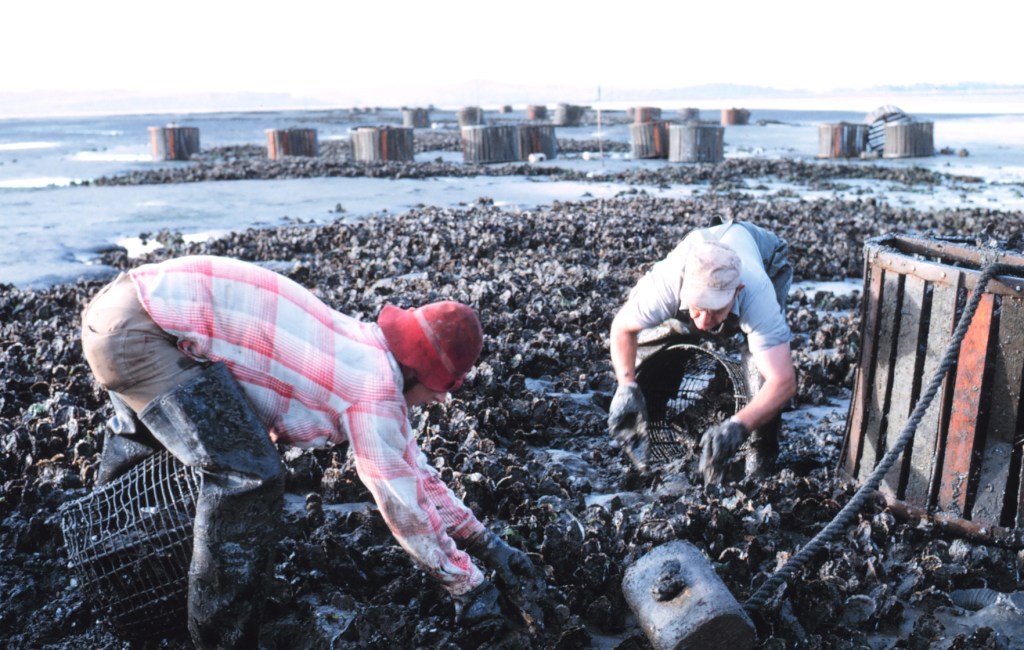
Grow-out uses spacious mesh bags suspended about three feet above the tidal floor. Each bag attaches to a float that rolls oysters with the natural ebb and flow of the tide. The float causes bags to flip twice daily, hardening shells and deepening cups. This tumbling method is the same foundation Taylor applies to its Shigoku line—held longer for Fat Bastard sizing.

Willapa Bay is one of the largest estuaries on the U.S. West Coast. Its mix of freshwater inflow and ocean exchange produces the 30–35 ppt salinity reflected in the oyster flavor profile. Taylor Shellfish maintains tideland leases across Washington and British Columbia, with Willapa Bay central to several half-shell brands. The map marks Taylor’s Fat Bastard location at 3511 273rd Street in Ocean Park.
Suggested Beverage Pairings
Willamette Valley bubbles cut the strong opening brine on Fat Bastard Oysters from Willapa Bay. Fine mousse resets the sweet finish between deep tide-tumbled cups. Serve ice-cold for oversized Pacific half-shell pours.
Columbia Valley Riesling frames the sweet mid-palate on Fat Bastard Oysters without burying Willapa salinity. Bright acid keeps savory Pacific depth readable on plump meats. A Washington white built for Taylor tide-tumbled stock.
Seattle IPA bitterness refreshes after the briny punch on Fat Bastard Oysters. Citrus hop lift clears sweet finish on deep Willapa cups. Easy craft pour for grilling-ready oversized Pacific lots.
An extra-dry martini keeps cold Willapa brine forward on Fat Bastard Oysters. Cucumber botanicals echo the clean close without masking plump liquor. Sip between shells so gin does not drown the savory body.
Creamy roast stout contrasts firm Fat Bastard Oyster meats from tide-tumbled bags. Bitterness frames Willapa sweet finish without flattening brine. Classic stout pour for Taylor’s largest Pacific cups.
Where Can I Buy Fat Bastard Oysters?
You can buy Fat Bastard Oysters from the following sources:
- Taylor Shellfish Farms — Official 30-count Fat Bastard packs harvested to order from Willapa and Samish tide-tumbled stock.
- Cali Crab Feeds Inc. — Lists Fat Bastard Oysters for California buyers seeking Taylor’s oversized Pacific cups.
- Pacific Wild Pick — Ships live Fat Bastard Oysters for grilling, steaming, or raw half-shell service when in stock.
- Taylor Shellfish — Our Shellfish — Farm catalog page covering Fat Bastard beside Shigoku and other Taylor half-shell brands.
References
- Taylor Shellfish Farms. “Fat Bastard Oysters (30 pcs).” Taylor Shellfish Farms retail shop. Web. Accessed 17 July 2026. https://buy.taylorshellfishfarms.com/oysters/fat-bastard-oysters
- Taylor Shellfish Farms. “Our Shellfish.” Taylor Shellfish Farms. Web. Accessed 17 July 2026. https://www.taylorshellfishfarms.com/our-shellfish
- Taylor Shellfish Farms. “Our Farms.” Taylor Shellfish Farms. Web. Accessed 17 July 2026. https://www.taylorshellfishfarms.com/our-farms
- Cali Crab Feeds Inc. “Fat Bastard Oysters.” Web. Accessed 17 July 2026. https://calicrabfeedsinc.com/product/fat-bastard-oysters/
- Pacific Wild Pick. “Fat Bastard Oysters.” Web. Accessed 17 July 2026. https://pacificwildpick.com/products/fat-bastard-oysters
Discover more from The Oyster Encyclopedia
Subscribe to get the latest posts sent to your email.