

Quick Facts
- Flavor Profile: Mildly briny with sweet, creamy notes and a smooth finish.
- Size: Typically 3-4 inches in length.
- Cultivation: Farmed with a grow-out period of 12-18 months.
- Salinity: 28-32 ppt, depending on the cultivation waters.
- Seasonality: Available year-round due to sustainable farming practices
What Are Great White Oysters?
Great White oysters are cultivated in the pristine waters of Cape Cod, Massachusetts. They offer a distinctive ocean-in-a-shell flavor. This flavor sets them apart from other varieties 9. These hand-grown mollusks thrive in the nutrient-rich environment of Barnstable Harbor. The strong ebb and flow of ocean tides occur twice daily. This activity provides them with a diet rich in minerality and salinity 3. What makes Great White oysters truly unique is their flavor profile. They boast a high salinity that tapers off with notes of green melon, citrus, and cucumber 2. This combination of bright, medium salinity and sweet undertones creates a complex taste experience that oyster enthusiasts cherish. The balance between saltiness and sweetness, coupled with subtle fruit notes, distinguishes Great Whites from their counterparts.

The cultivation method of Great White oysters contributes to their exceptional quality. Bottom cultured in mesh bags or trays, these oysters develop a consistent shape and size2. This careful nurturing process results in oysters with smooth edges. They have a white to off-white or brownish shell color, making them visually appealing on the half-shell. Their year-round availability further enhances their versatility. They range in size from petite to select. This makes them suitable for both culinary applications and raw consumption 2.
How Did Great White Oysters Get Their Name?
Great White Oysters derive their name from their pristine, white shells, which are notable for their smooth, clean exterior. This white hue, combined with the oyster’s sizable and uniform appearance, inspired the name “Great White.”
The name also reflects the oyster’s high quality and premium reputation. Many oyster farmers and seafood purveyors label these oysters as “Great White.” They aim to highlight their superior texture and taste.
About Cape Cod Oyster Company
Cape Cod Oyster Company was founded by Al Surprenant in 1983. It has become a leading oyster producer in New England. The company’s roots stem from Surprenant’s deep appreciation for Cape Cod’s coastal environment. His early understanding of the importance of water quality1 also contributed to its foundation.
Cape Cod Oyster Company is among the largest oyster growers in the region. It is responsible for 10 percent of all Massachusetts oyster production 12. The company’s commitment to sustainability and traceability sets it apart in the industry. They source oysters from well-managed hatcheries and employ responsible production and harvesting practices 1.
Cape Cod Oyster Company’s operations span multiple locations on Cape Cod. They cultivate oysters in the nutrient-rich waters of North Bay. They hand-grow them from seedling to harvest. This process occurs in premier areas of Barnstable Harbor, West Bay in Osterville, and Waquoit Bay in Falmouth 1. This diverse range of growing locations contributes to the distinct characteristics of their oysters.
The company has experienced significant growth and evolution over the years:
- In 1983, they began raising oysters but initially focused on clam seed supply 1.
- By the early 2000s, Cape Cod Oyster shifted its focus exclusively to oysters, coinciding with the oyster renaissance 1.
- In 2010, they moved to a state-of-the-art, third-party audited facility in Barnstable, Massachusetts 1.
- In 2015, the company acquired Washburn Island Oysters in Falmouth, Massachusetts, expanding their operations 1.

Cape Cod Oyster Company’s success relies on environmental stewardship. They actively engage with the community and commit to producing high-quality oysters. Their practices ensure a consistent supply of oysters. These practices also contribute to the health of Cape Cod’s coastal ecosystems 14.
Follow Them
Dive into the world of premium oysters! Visit Cape Cod Oyster Company’s official website to explore their sustainable practices and mouthwatering offerings. Follow them on social media for a taste of coastal living, behind-the-scenes glimpses, and delicious oyster inspiration.
Great White Oysters Information
Oyster: Great White
Species: Crassostrea virginica
Cultivation Method: Farmed; for 18-24 months
Seasonality: Year-round
Size: Petite 2-2.5″, Signature 3-3.5″, Select 3.5-4″
Culture Method: Bottom cultured in mesh bags or trays.
Salinity: 27 ppt

Appearance: The shell is oval in shape, with smooth edges, and is white to off-white to brownish in color. They are part of the shellfish family and are bivalve mollusks with a hinged shell
Flavor Profile: Bright medium salinity that tapers off with notes of green melon citrus and cucumber.
If you like Great White Oysters, then check out some similar varieties!
Location
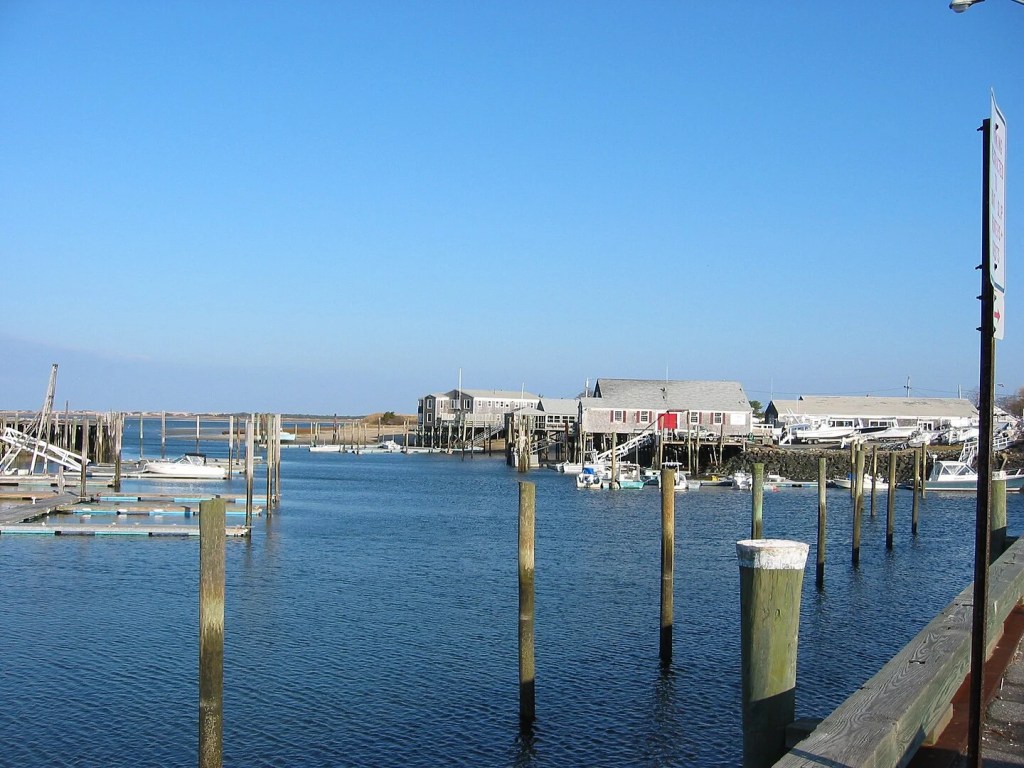
Great White oysters are cultivated in the pristine waters of Cape Cod, Massachusetts, specifically in Barnstable Harbor. The farmers begin the process by raising seedlings in the nutrient-rich waters of North Bay on Cape Cod. From there, the oysters are hand-grown and harvested in the premier merroir of Barnstable Harbor 15.
The environmental factors in Barnstable Harbor are particularly conducive to oyster growth and prosperity. The tidal action creates a dynamic environment. It constantly supplies the oysters with fresh, nutrient-laden water. This process promotes healthy growth and develops their distinctive flavor profile. The water quality in Barnstable Harbor is exceptional for oyster cultivation. The cold, clean oceanic waters contribute to the oysters’ clean taste and firm texture 9. The full ocean salinity in this area, measured at 27 ppt, is ideal for oyster development 15. The harbor’s inter-tidal nature exposes the oysters to varying water depths. This variation in water depths and temperatures can stimulate growth. It also enhances shell strength.
The bottom composition of Barnstable Harbor also plays a crucial role in oyster cultivation. The oysters are bottom-cultured in mesh bags or trays, allowing them to develop a consistent shape and size 5. This method, combined with the natural environment of the harbor, promotes deep cup formation. It encourages natural growth patterns. This results in oysters with strong shells and the distinctive Great White characteristics. These attributes are appreciated by oyster enthusiasts 9.
Suggested Beverage Pairings
Here are some specific beverage pairings for Great White Oysters based on the search results:
- Allagash White – This Belgian-style wheat beer offers subtle citrus notes that complement the oyster’s green melon and cucumber flavors. Its light, refreshing character won’t overpower the delicate taste of the oysters.
- Valdespino Family Manzanilla – This dry sherry’s briny, saline qualities mirror the oyster’s high salinity, creating a harmonious pairing. Its crisp acidity cuts through the oyster’s richness, enhancing the overall tasting experience.
- Chablis Premier Cru – This unoaked Chardonnay offers bright, tangy flavors and high acidity. These characteristics complement the briny nature of Great White oysters. Its mineral notes align well with the oyster’s ocean-in-a-shell flavor profile.
- Gin Martini with Hendricks Gin – Hendricks gin has subtle cucumber notes. They echo the cucumber hints in Great White oysters. The martini’s crisp, clean flavors provide a refreshing contrast to the oyster’s salinity.
- Ferrari Brut Trentodoc – This Italian sparkling wine’s fine bubbles and crisp acidity cleanse the palate between oysters. Its yeasty, bready flavors add depth to the pairing, enhancing the oyster’s complex taste.
Where Can I Buy Great White Oysters?
- Euro USA – This vendor sells Great White Oysters from Cape Cod, available in sizes from 2″ to 4″.
- Cape Cod Oyster Company – As the producer of Great White Oysters, they offer their flagship brand for sale. Their oysters are available in over 40 states and produced year-round.
- Pelican Seafood Company – They sell Great White Oysters from Barnstable, Massachusetts, describing them as having deep cupped shells with moderate salinity and notes of green melon, citrus, and cucumber.
Stay Connected with The Oyster Encyclopedia!
Follow us on social media to get the latest updates, oyster recipes, and behind-the-scenes glimpses into the world of oysters:
Stay tuned for exclusive content, oyster trivia, and more! Engage with our vibrant community of oyster enthusiasts by liking, commenting, and sharing our posts. Your support helps us continue providing valuable oyster knowledge to fellow seafood lovers worldwide.
References
- “Great White Oysters.” Cape Cod Oyster Company, www.capecodoyster.com/great-white-oysters. Accessed 16 Dec. 2024.
- “Great White Oysters.” Island Creek Oysters, www.islandcreekoysters.com/products/great-white-oysters. Accessed 16 Dec. 2024.
- “Great White Oysters.” Euro USA, www.eurousa.com/product/great-white-oysters. Accessed 16 Dec. 2024.
- “Great White Oysters.” Pelican Seafood Company, www.pelicanseafood.com/products/great-white-oysters. Accessed 16 Dec. 2024.
- “Allagash White.” Allagash Brewing Company, www.allagash.com/beer/white. Accessed 16 Dec. 2024.
- “Valdespino Family Manzanilla.” Valdespino, www.valdespino.com/en/wines/manzanilla. Accessed 16 Dec. 2024.
- “Hendrick’s Gin.” Hendrick’s Gin, www.hendricksgin.com. Accessed 16 Dec. 2024.
- “Ferrari Brut Trentodoc.” Ferrari Trento, www.ferraritrento.com/en/wines/ferrari-brut. Accessed 16 Dec. 2024.
Discover more from The Oyster Encyclopedia
Subscribe to get the latest posts sent to your email.