

Elm Grove oysters, harvested from Galveston Bay in Texas, stand out among their counterparts for their distinctive characteristics and rich history. These oysters boast a unique appearance, featuring beautifully scalloped shells that develop due to their growth in high-salinity waters with strong currents. This “ruffling” of the shell not only makes them visually appealing but also indicates the specific environmental conditions in which they thrive.
The flavor profile of Elm Grove oysters sets them apart from other varieties. They offer a perfect balance of brininess and sweetness, with a subtle mineral undertone that reflects the unique composition of their habitat. This complex taste has made them a favorite among oyster enthusiasts and chefs alike, who appreciate the nuanced flavors that these oysters bring to both raw bars and cooked dishes.
Elm Grove oysters also play a significant role in local conservation efforts. Their cultivation and harvesting contribute to the preservation of Galveston Bay’s ecosystem, as oyster reefs provide essential habitats for various marine species and help improve water quality. The popularity of these oysters has sparked increased interest in sustainable aquaculture practices and the protection of the bay’s natural resources, making them an important part of both culinary and environmental discussions in the region.

How Did Elm Grove Oysters Get Thier Name?
Elm Grove oysters take their name from the Elm Grove reef in East Galveston Bay, Texas. This naming reflects a revival of place-based oyster appellations in the area, harkening back to late 1800s practices. The reef’s southern location in East Galveston Bay gives these oysters their distinctive brinier flavor.
The unique environment of Elm Grove shapes these oysters’ characteristics. High-salinity waters and strong currents create beautifully scalloped or “ruffled” shells. Some producers market particularly distinctive specimens as “Rare Elm Grove Ruffles.” This name helps consumers appreciate the specific “merroir” of Elm Grove oysters, setting them apart from other Galveston Bay varieties.
Harvesting Elm Grove Oysters
Elm Grove oysters, like other wild oysters in Galveston Bay, are harvested using traditional methods. Here’s an overview of how these oysters are typically harvested:

- Dredging: Many commercial oyster harvesters use dredges, which are motorized devices that scrape oysters from the reef bottom. This method is efficient for collecting large quantities of oysters.
- Tonging: Some harvesters may use specialized tools called tongs to collect oysters. These long-handled tools allow oystermen to reach down and grab oysters from shallower waters.
- Hand-picking: In some cases, particularly in shallow areas or for smaller-scale harvesting, oysters may be collected by hand.
Jeri’s Seafood, a major harvester in Galveston Bay, oversees the quality control and distribution of oysters from various reefs, including Elm Grove. They employ sustainable practices, including recycling 100% of their shell back to the reefs, which allows them to grow more than 70% of their harvest.
It’s important to note that Texas is one of the last states that still harvests oysters from natural beds, like the Elm Grove reef. The Texas Parks and Wildlife Department regulates oyster harvesting to ensure sustainability, setting size limits (oysters must be at least 3 inches in length) and bag limits for legal harvest.
Elm Grove Oysters Information
Oyster: Elm Grove
Species: Eastern oyster (Crassostrea virginica)
Cultivation Method: Wild-caught about 18-24 months to reach market size.
Size: approximately 3-4 inches in length
Seasonality: Year-round, but best in colder months
Culture Method: Wild, harvested from natural reefs in Galveston Bay
Salinity: Approximately 28-34 ppt

Appearance: Beautifully scalloped or “ruffled” shells and are larger than average Gulf oysters. They have deep cups and distinctive shell textures that make them visually appealing.
Flavor Profile: a bold, briny flavor that immediately awakens the palate. They present a perfect balance of saltiness and sweetness. Subtle mineral undertones and a clean, crisp finish that lingers pleasantly.
Location
Elm Grove oysters thrive in the Elm Grove reef of East Galveston Bay, Texas. This natural habitat supports wild oyster populations without human cultivation.
East Galveston Bay’s southern region offers perfect conditions for oyster development. High salinity levels give these oysters their signature briny taste. Strong currents shape their distinctive “ruffled” shells, making them visually unique.
Galveston Bay’s ecosystem provides a rich food source for oysters. Plankton abundance ensures steady growth and flavor development. Year-round moderate water temperatures allow continuous oyster growth. River inflows bring nutrient-rich waters, enhancing the oysters’ food supply.
The Elm Grove reef structure creates an ideal oyster habitat. It offers attachment points for young oysters, crucial for their survival. The reef protects oysters from many predators, increasing population stability. Its elevation in the water column exposes oysters to optimal water flow.
This location’s water chemistry supports shell formation and overall oyster health. Calcium-rich waters contribute to strong, well-formed shells. The bay’s pH levels allow oysters to extract necessary minerals from the water. Dissolved oxygen levels in the area support oyster respiration and metabolism.
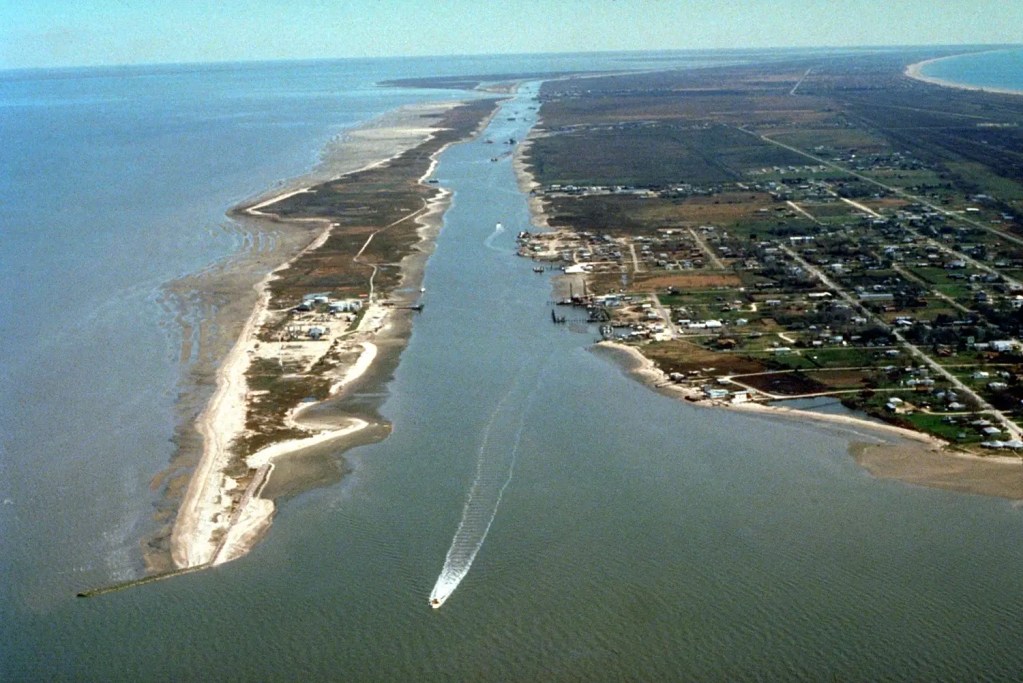
Seasonal variations in Galveston Bay benefit Elm Grove oysters. Winter brings colder waters, enhancing oyster flavor and texture. Summer’s warmer waters speed up growth rates. These seasonal changes create a diverse flavor profile throughout the year.
Suggested Beverage Pairings
- Chablis Premier Cru “Montmains” by Domaine Louis Michel & Fils
This crisp, mineral-driven white wine complements the briny flavor of Elm Grove oysters. Its high acidity and subtle citrus notes enhance the oysters’ sweetness without overpowering their delicate taste. - Muscadet Sèvre et Maine Sur Lie “Clos des Allées” by Domaine Luneau-Papin
The light, zesty character of this wine pairs beautifully with the oysters’ salty profile. Its subtle yeasty notes from lees aging add complexity that matches the oysters’ depth of flavor. - Guinness Draught Stout
The creamy texture and roasted flavors of Guinness provide a pleasant contrast to the briny, sweet Elm Grove oysters. The stout’s slight bitterness helps cleanse the palate between bites. - Hendrick’s Gin Martini (extra dry with a lemon twist)
The botanical notes in Hendrick’s Gin, particularly cucumber and rose, complement the oysters’ subtle sweetness. The martini’s crispness and citrus accent enhance the oysters’ briny character. - Saison Dupont
This Belgian farmhouse ale offers a dry, effervescent quality that cuts through the oysters’ richness. Its subtle spice and fruit notes provide an interesting counterpoint to the oysters’ mineral flavors.
Where Can I Buy Elm Grove Oysters?
- Jeri’s Seafood: Jeri’s Seafood harvests oysters from various reefs in Galveston Bay, including Elm Grove. They offer both retail and wholesale options.
Stay Connected with The Oyster Encyclopedia!
Follow us on social media to get the latest updates, oyster recipes, and behind-the-scenes glimpses into the world of oysters:
Stay tuned for exclusive content, oyster trivia, and more! Engage with our vibrant community of oyster enthusiasts by liking, commenting, and sharing our posts. Your support helps us continue providing valuable oyster knowledge to fellow seafood lovers worldwide.
Discover more from The Oyster Encyclopedia
Subscribe to get the latest posts sent to your email.