

Quick Facts
- Species: Eastern Oyster (Crassostrea virginica).
- Cultivation Method: Farmed in deep waters using off-bottom suspension techniques.
- Size: Typically ranges from 2.5 to 3.5 inches.
- Seasonality: Available year-round, with peak quality from late fall to early spring.
- Flavor Profile: Balanced brininess with buttery, seaweed notes and a hint of sweetness.
What Are Deep Water Wellfleet Oysters?
Deep Water Wellfleet Oysters stand out among their counterparts due to their distinctive characteristics and growing environment. These oysters thrive in the deeper waters of Wellfleet Harbor, Massachusetts. They’re harvested from wild oyster beds 15 to 30 feet below the surface 1. This unique depth contributes to their exceptional flavor profile and texture.
The merroir of Deep Water Wellfleet Oysters sets them apart from other varieties. Their location in the outer Wellfleet Harbor exposes them to the dynamic tides of Cape Cod Bay. This results in a saltier taste compared to their inshore relatives 1. The clean sand and seaweed bottom further enhance their flavor, imparting a seaweed finish that complements their briny notes.
Harvesting these oysters requires special techniques, adding to their uniqueness. Fishermen either drag oyster dredges from boats or dive to collect them by hand 1. This labor-intensive process ensures that only the finest specimens make it to market. This contributes to their limited availability. They hold a premium status among oyster enthusiasts.
How Did Deep Water Wellfleet Oysters Get Their Name?
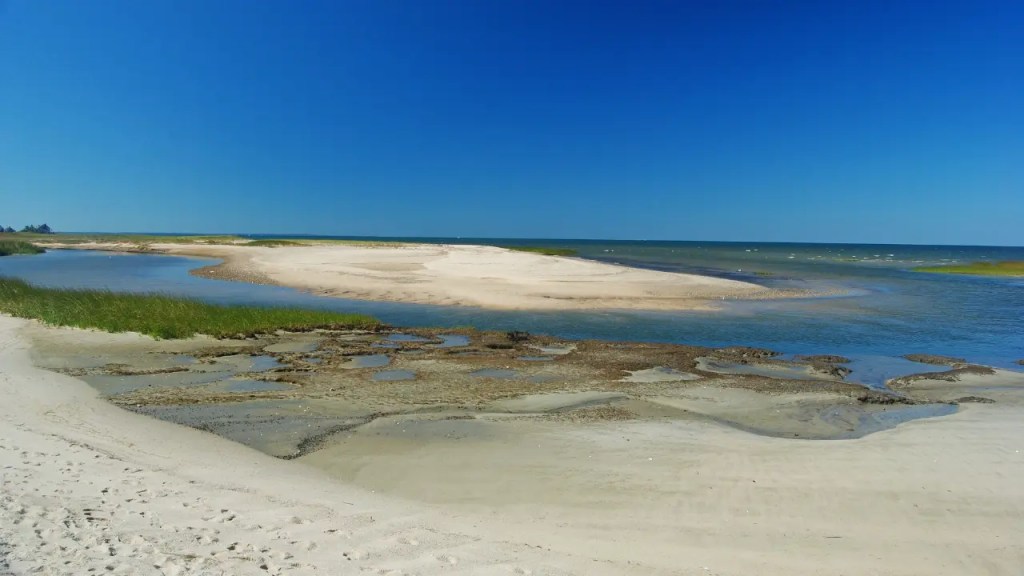
Deep Water Wellfleet Oysters derive their name from their cultivation location and farming method. They are grown in the deep waters of Wellfleet Harbor, a region synonymous with exceptional oysters. Wellfleet’s oyster history dates back centuries, with its name becoming synonymous with quality and flavor.
The “deep water” descriptor highlights the specific farming approach used. Unlike traditional intertidal farming, these oysters are suspended in deeper, cleaner waters. This technique ensures minimal exposure to sediment, producing oysters with clean, pristine shells and a robust flavor.
Cultivation Method
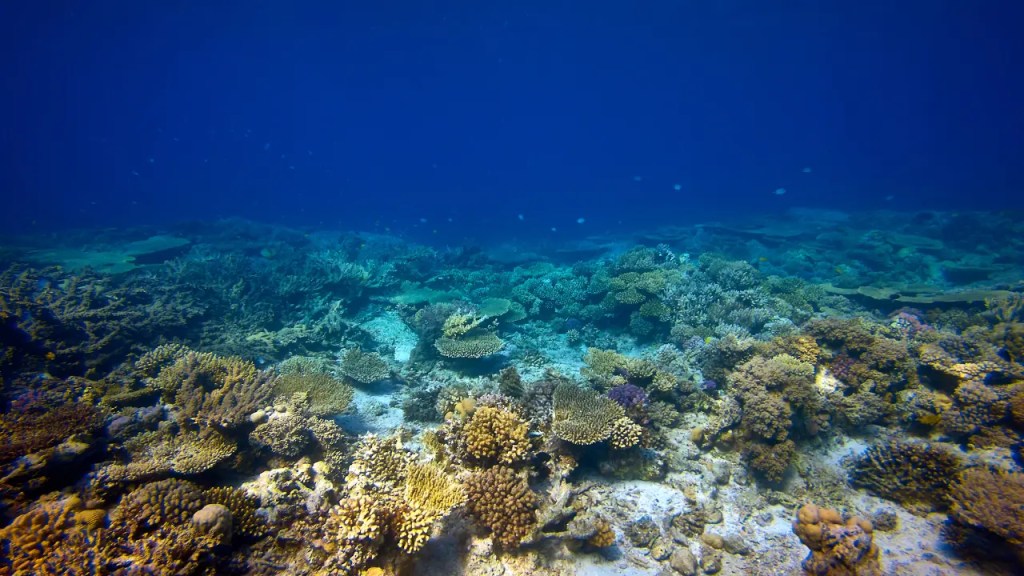
These oysters grow naturally in deeper waters, typically 15 to 30 feet below the surface 4. This unique environment contributes significantly to their distinctive characteristics.
The harvesting process for Deepwater Wellfleet Oysters involves specialized techniques:
- Dragging oyster dredges from boats
- Diving to collect them by hand
This labor-intensive harvesting ensures only the finest specimens are selected, contributing to the oysters’ premium quality and limited availability 4.
The unique growing environment of Deepwater Wellfleet Oysters significantly influences their characteristics. The outer Wellfleet Harbor has large, dynamic tides from Cape Cod Bay. These tides expose the oysters to clean sand and seaweed bottoms 4. This environment contributes to their distinctive flavor profile. It is saltier than inshore Wellfleet’s. It also features a notable seaweed finish 4.
It’s worth noting that while these oysters grow wild, Wellfleet has a rich history of oyster harvesting and cultivation. Commercial aquaculture cultivation in Wellfleet began in 1970, according to the state’s Department of Agricultural Resources 2. The area’s history of oyster farming has likely helped in managing the wild oyster populations. This has contributed to the sustainability of the oysters from which Deepwater Wellfleet Oysters are harvested.
Deep Water Wellfleet Oysters Information
Oyster: Wellfleet – Deepwater
Cultivation Method: Wild
Season: Year Round
Size: 3.5″+
Culture Method: Wild Set – Dragged. Harvesters venture out into the bay in boats specifically designed for oyster farming. Using dredges or rakes, they carefully gather the oysters from the ocean floor. The workers bring the oysters to the surface and handle them carefully to ensure freshness and quality.
Salinity: 28-30 ppt, slightly higher than inshore Wellfleet oysters.
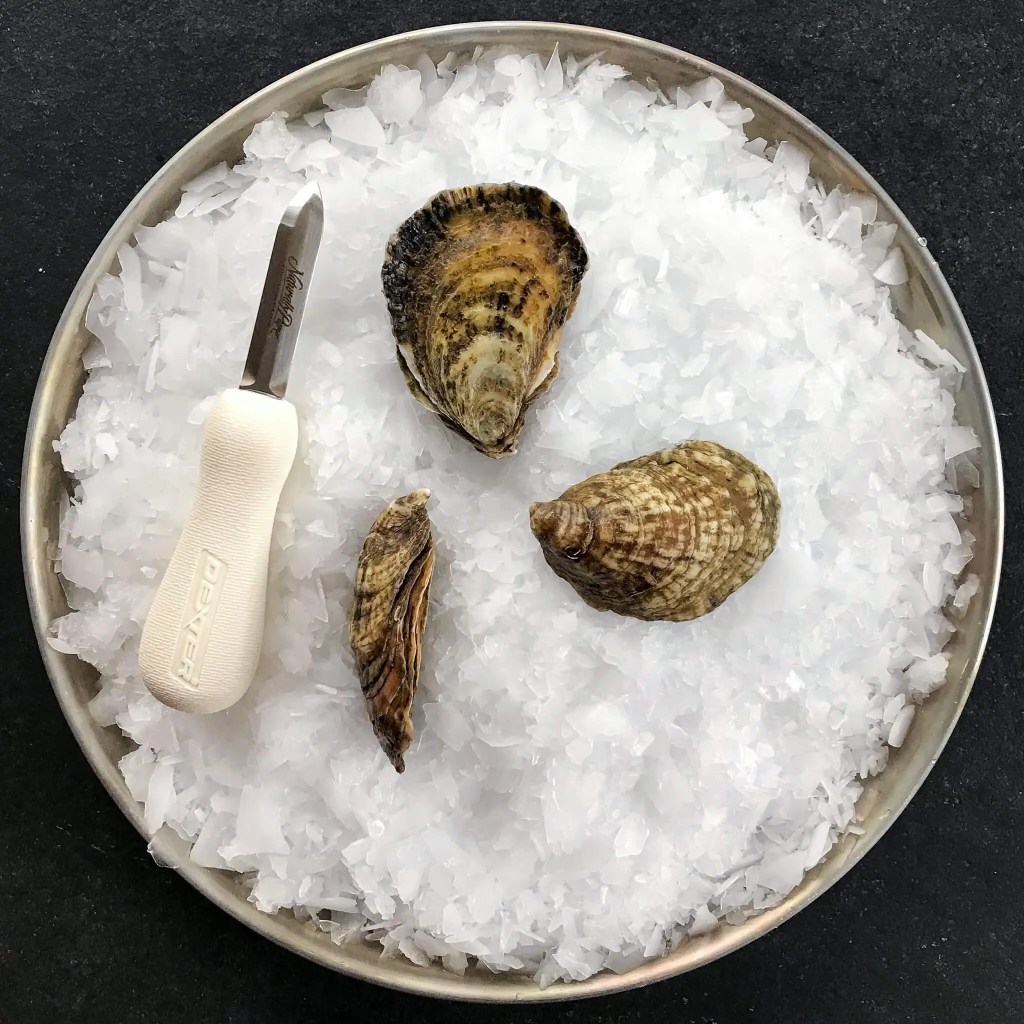
Appearance: Distinct, teardrop shape, with a pointed tip at one end and a slightly curved, rounded edge at the other. Deep water Wellfleet oysters are typically rounder and smoother than those of the coastal variety. They have a more bottomless cup and a fluted rim that makes them easy to shuck.
Flavor: Robust brininess that is balanced by a pronounced mineral finish. This flavor is attributed to the nutrient-rich waters of the deep, open ocean where these oysters are grown. The water flow is consistent. These oysters filter and consume nutrients. The taste is rich and complex. It is distinct from other oyster varieties.
If you like Deepwater Wellfleet oysters, then check out these similar varieties
Location
These oysters grow naturally in deeper waters, typically 15 to 30 feet below the surface5. The unique environment of Wellfleet Harbor contributes significantly to the exceptional quality and characteristics of these oysters.
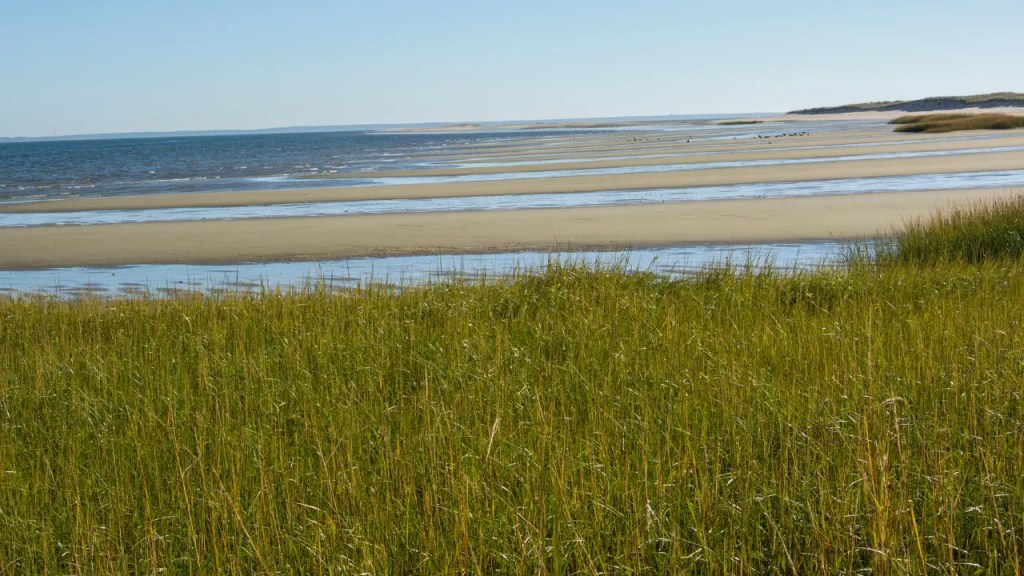
Several environmental factors make this location ideal for oyster growth and prosperity. The cold waters of Wellfleet’s estuaries play a crucial role in the oysters’ development. Lower temperatures slow down the oysters’ metabolism, allowing them to store glycogen compounds, which results in a sweeter taste4. The high salinity of Wellfleet Harbor measures around 28 parts per thousand. This salinity level contributes to the oysters’ clean, sharp flavor 4.
The dynamic tidal system in Wellfleet is another critical factor. The tides average around 12 feet. The broad, shallow estuaries experience a high volume of fresh, plankton-rich ocean water twice daily 4. This constant influx of nutrient-rich water ensures the oysters are well-fed and healthy. The regular exposure to air during low tides makes Wellfleet oysters more resilient. It improves their ability to withstand shipping and maintain freshness 4.
Lastly, the clean, contaminant-free waters of Wellfleet Harbor provide an ideal environment for oyster growth 4. The unique mix of nutrients in the area shapes the flavor profile of Deepwater Wellfleet oysters. Local phytoplankton species also contribute to their distinctive taste. They are characterized by a saltier taste than their inshore counterparts. There is also a notable seaweed finish 5. These environmental factors combine to create the perfect conditions for producing high-quality, flavorful oysters that are prized by enthusiasts worldwide.
Suggested Pairings
- Domaine de la Bregeonette Folle Blanche – This wine is tangy and salty. It comes from the Loire Valley. It cuts through the briny flavor of the oysters. It enhances their natural taste. Its crisp acidity complements the oysters’ saltiness while the mineral notes harmonize with the seaweed finish.
- Victory Prima Pils – This Old World-style pilsner brings a citrus-lemony flavor that pairs well with the oysters’ briny profile. The crisp, clean taste of the beer refreshes the palate between bites. It allows you to fully appreciate the oysters’ complex flavors.
- Billecart-Salmon Champagne – The fine bubbles and crisp acidity of this champagne dance with the fresh oysters on your palate. Its subtle complexity and mineral notes complement the oysters’ deep-water characteristics, creating a luxurious pairing.
- Mollusca Martini – This cocktail includes celery gin from the Netherlands. Pickled ramp brine and herbs de Provence are also part of it. The drink offers smokiness and floral aromas. These enhance the oysters’ flavor profile. The citrus notes in the gin accentuate the oysters’ briny taste, while the herbal elements complement their seaweed finish.
- Giesen Sauvignon Blanc – This New Zealand Sauvignon Blanc bursts with acidity. It offers citrus notes. These pair well with the plump and briny Deepwater Wellfleet Oysters. The wine’s crisp character cuts through the oysters’ richness. Its tropical fruit notes provide an interesting contrast to their salty, oceanic flavor.
Where Can I Buy Deep Water Wellfleet Oysters?
- Intershell Seafood – They offer live Wellfleet Oysters in 25-count packages, available for shipping year-round. Their oysters are either wild caught or cultivated in salt ponds in Wellfleet, Massachusetts.
- North Coast Seafoods – This vendor provides Wellfleet Oysters in quantities of 25, 50, or 100. Their oysters are farmed and harvested in Wellfleet, Massachusetts on Cape Cod.
- Lobsters-Online.com – They sell a dozen Wellfleet Oysters (12 count) sourced from their network of oyster farmers in Wellfleet, MA.
References
- Intershell Seafood. “Wellfleet Oysters.” Intershell Seafood, intershellfish.com/product/wellfleet-oysters/. Accessed 26 Nov. 2024.
- North Coast Seafoods. “Wellfleet Oysters.” North Coast Seafoods, www.northcoastseafoods.com/product/wellfleet-oysters/. Accessed 26 Nov. 2024.
- Lobsters-Online.com. “Wellfleet Oysters.” Lobsters-Online.com, www.lobsters-online.com/wellfleet-oysters/. Accessed 26 Nov. 2024.
- Wellfleet Shellfish Company. “About Us.” Wellfleet Shellfish, www.wellfleetshellfish.com/about-us. Accessed 26 Nov. 2024.
- Massachusetts Department of Agricultural Resources. “Aquaculture.” Mass.gov, www.mass.gov/service-details/aquaculture. Accessed 26 Nov. 2024.
- Victory Brewing Company. “Prima Pils.” Victory Beer, victorybeer.com/beers/prima-pils/. Accessed 26 Nov. 2024.
- Billecart-Salmon. “Our Champagnes.” Billecart-Salmon, www.champagne-billecart.fr/en/our-champagnes. Accessed 26 Nov. 2024.
- Giesen Wines. “Sauvignon Blanc.” Giesen Wines, www.giesenwines.com/our-wines/sauvignon-blanc/. Accessed 26 Nov. 2024.
Discover more from The Oyster Encyclopedia
Subscribe to get the latest posts sent to your email.