

Quick Facts
- Premium Scottish oysters cultivated in the Clyde estuary since 1995
- Flavor: Known for distinctive copper-finish and woody undertones
- Slow-grown in cold waters for 24-36 months
- Available year-round with exceptional shelf life
- UV-purified and laboratory tested for safety
What Are Cumbrae Rock Oysters?
Cumbrae Rock oysters showcase the exceptional qualities of northern Scottish aquaculture through their distinctive growing process. The pristine waters of the Clyde estuary create an environment where these oysters develop at a measured pace, allowing for complex flavor development. The cold temperatures and mineral-rich waters infuse each oyster with a unique combination of briny and metallic notes. These environmental factors contribute to the development of firm, meaty flesh that sets them apart from their southern counterparts.
The Cumbrae cultivation process incorporates both traditional Scottish methods and modern aquaculture techniques to produce consistently high-quality oysters. The farm’s location in deep, cold waters creates ideal conditions for slow growth, which enhances the oysters’ natural flavors. The strong tidal flows in the region ensure constant water circulation, bringing fresh nutrients and maintaining optimal growing conditions throughout the year.

The combination of careful cultivation and pristine water quality results in oysters with exceptional characteristics. Each specimen undergoes rigorous quality control measures, including UV purification and comprehensive safety testing. The farm’s commitment to sustainable practices and traditional methods ensures the preservation of both product quality and environmental integrity.
How Did Cumbrae Rock Oysters Get Their Name?
The Cumbrae Rock oysters carry the proud heritage of Scotland’s Great Cumbrae Island, located in the historic Firth of Clyde. The name reflects the deep connection between these shellfish and the maritime traditions of the Cumbrae region, where fishing has sustained local communities for generations. The rocky coastline and deep waters of the area have long provided ideal conditions for shellfish cultivation.
The “Rock” designation in their name stems from both their firm texture and the distinctive rocky seabed where they mature. This environment plays a crucial role in shell formation and meat development, creating oysters with robust shells and substantial meat content. The name has become synonymous with quality Scottish oysters, representing the perfect marriage of location and product.
About Cumbrae Oysters Ltd.
Cumbrae Oysters Ltd established its operations in 1995 as a family-run enterprise on Scotland’s picturesque West Coast. The company’s founding principles centered on sustainable aquaculture practices and maintaining the highest quality standards in oyster cultivation. Their commitment to excellence has earned them recognition as one of Scotland’s premier shellfish producers.
The farm operates with complete vertical integration, controlling every aspect of production from seed to market. Their state-of-the-art facilities include a dedicated fishing vessel for harvesting and a fully approved shellfish depuration center. This comprehensive approach allows them to maintain strict quality control throughout the entire growing and processing cycle.
The farm’s success builds on strong partnerships within the industry and membership in prestigious organizations like the Shellfish Association of Great Britain (SAGB). These connections help maintain high standards while contributing to the broader development of sustainable aquaculture practices in Scotland.
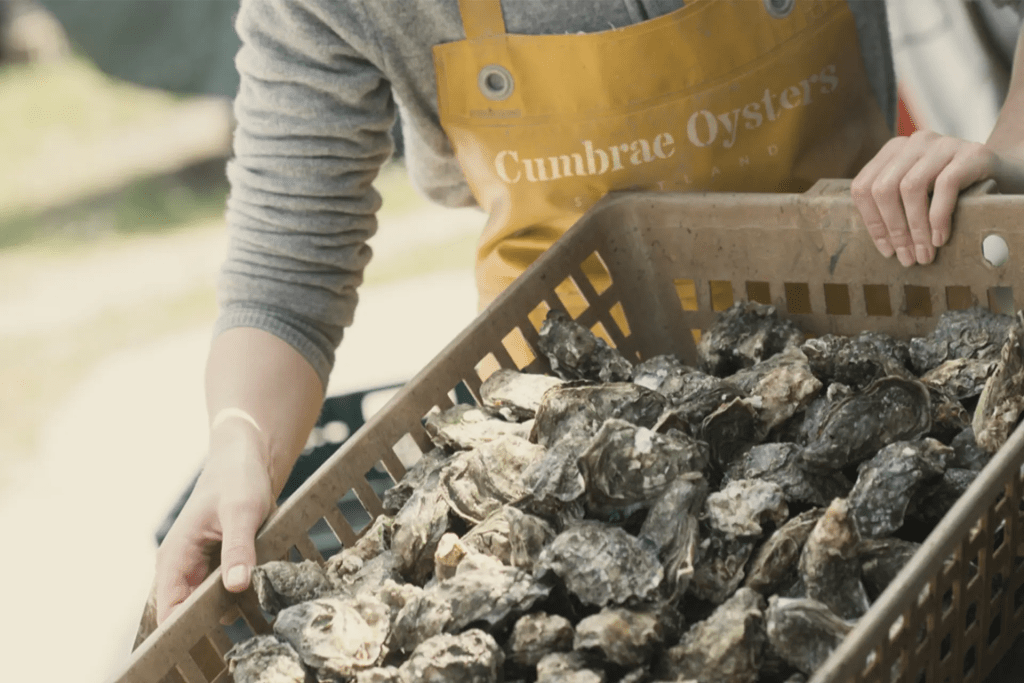
Environmental stewardship plays a crucial role in Cumbrae’s farming practices. The company implements careful density management in their growing areas to prevent overcrowding and ensure optimal growth conditions. Regular water quality monitoring and testing procedures protect both product quality and the surrounding marine ecosystem.
Follow Them
Want to experience these exceptional Scottish oysters for yourself? Visit Cumbrae Oysters Ltd’s official website to learn more about their premium products and sustainable farming practices. Follow their social media profiles to stay updated on availability, seasonal offerings, and get a behind-the-scenes look at their operations on Scotland’s stunning West Coast.
Cumbrae Rock Oysters Information
Oyster: Cumbrae Rock
Species: Pacific Oyster (Crassostrea gigas)
Cultivation Method: Farmed, 24-36 month growout period
Size: 3-4 inches
Seasonality: Year-round
Culture Method: Bottom-cultured in mesh bags on trestles, with regular turning and grading for optimal growth
Salinity: 32-34 ppt

Appearance: Deep-cupped shells with distinctive ridges and a pearly interior define the Cumbrae Rock oyster’s appearance. The shells showcase varying shades of gray and brown with occasional green highlights. Each specimen maintains a uniform shape with pronounced deep cups.
Flavor Profile: An intense briny punch that awakens the palate with bold mineral notes. The flavor evolves into complex woody and nutty undertones, creating layers of taste. A distinctive copper finish lingers on the tongue, while the firm, meaty texture completes each bite.
If you Like Cumbrae Rock Oysters, then check out these similar varieties!
Location
The Clyde estuary provides exceptional conditions for oyster cultivation through a combination of unique environmental factors. The deep, cold waters create an ideal environment for slow growth patterns, which leads to premium quality oysters 3. The South Annan Sands at Hunterston offers consistent water conditions that support year-round production.
The location’s success stems from its rich nutrient dynamics. During rain events, increased nitrogen and organic carbon flow into the estuary, significantly enhancing oyster growth 2. The presence of specific plankton populations provides optimal nutrition for the oysters, supporting their development throughout their growth cycle 3. The deep saltwater access combines with strong tidal movements to ensure constant nutrient circulation.
The marine ecosystem at Hunterston demonstrates remarkable stability. The area’s natural attributes include protected waters that shield oysters from extreme conditions while maintaining crucial water movement. The cold temperatures remain consistent due to the depth of the estuary, creating perfect conditions for steady growth patterns 3. These environmental characteristics have made Hunterston a strategic choice for aquaculture development, with its potential recognized by major port authorities.

The location also benefits from complex nutrient interactions. Research shows that nitrogen delivery from rain events plays a crucial role in enhancing oyster growth 2. The estuarine system maintains a delicate balance of nutrients, though it can become nitrogen-limited during dry conditions. This understanding helps farmers optimize production cycles and maintain healthy oyster populations throughout the year.
Suggested Beverage Pairings
- Negroni Sbagliato: The bubbly, lightly bitter profile complements the oyster’s briny character. The drink’s effervescence and subtle sweetness create a refreshing contrast while maintaining the delicate copper finish 3.
- Allagash White: This Belgian-style wheat beer offers crisp citrus notes and gentle spiciness. Its full-bodied mouthfeel and minimal bitterness make it an ideal companion to the oyster’s meaty texture 2.
- Muscadet Sèvre et Maine: This bright white wine delivers green fruit notes of lime and apple that enhance the oyster’s mineral profile. Its high acidity provides a clean, crisp contrast to the briny flavors 1.
- Suze Tonic: The drink’s refreshing bubbles and herbal bitterness complement the fresh, salty oyster flavors. Its earthy and citric notes create a balanced pairing that doesn’t overwhelm the delicate copper finish 3.
- Islay Whisky: The whisky’s smoky edges and natural saline characteristics create an unexpected but harmonious match. The coastal whisky’s maritime notes enhance the oyster’s mineral complexity 5.
Where Can I Buy Cumbrae Rock Oysters?
- Cumbrae Oysters Direct: The oyster farm offers direct sales with next-day delivery throughout the UK and EU1. They provide flexible packaging options including bulk wholesale orders in net bags and smaller presentation boxes for individual orders 1.
- Bernard Corrigan – Glasgow: This retailer offers individual Cumbrae oysters at £1.50 each with local delivery service aiming for next-day fulfillment by noon 2.
- West Coast Seafood Products: WCSP sells Cumbrae oysters between £1.00 – £12.00, sourced directly from the farm. They recommend consuming the oysters within four days of purchase for optimal freshness 3.
Stay Connected with The Oyster Encyclopedia!
Follow us on social media to get the latest updates, oyster recipes, and behind-the-scenes glimpses into the world of oysters:
Stay tuned for exclusive content, oyster trivia, and more! Engage with our vibrant community of oyster enthusiasts by liking, commenting, and sharing our posts. Your support helps us continue providing valuable oyster knowledge to fellow seafood lovers worldwide.
References
- Macleod, Jenny. “Clyde Oyster Farmer to Double Size of Site.” Fish Farming Expert, Asmallworld Publishing Ltd., 7 May 2021, www.fishfarmingexpert.com/clyde-oyster-farmer-double-site/.
- “Shellfish Production and Marketing.” The Shellfish Association of Great Britain, The Shellfish Association of Great Britain, 2023.
- Corrigan, Bernard. “Fresh Scottish Shellfish.” Bernard Corrigan Ltd., Bernard Corrigan Fish Merchants, 2024.
- “Scottish Aquaculture Directory.” Scotland Food & Drink, Scotland Food & Drink Federation, 2024.
Discover more from The Oyster Encyclopedia
Subscribe to get the latest posts sent to your email.