


Chef’s Notes
Mason Bostwick · Executive Chef
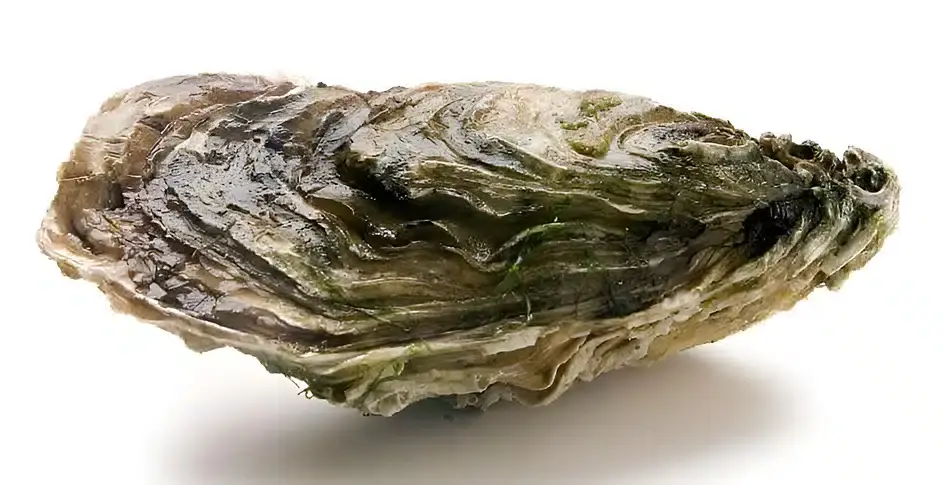
Pacific oyster
Creuse from Marennes-Oléron and Zeeland are Europe’s everyday Pacific cups. Bright brine, melon-cucumber freshness, and a clean mineral finish define each deep shell. Honest, affordable, and everywhere on European raw bars.
Flavor chart
Chef palate read
Shuckability
Shell & line performance
When I buy it
I look for Label Rouge tags and #3 grades from Marennes-Oléron houses like Gillardeau and Lambert. Claire-finished batches carry the cleanest mineral snap.
How I serve it
Raw with lemon or a classic mignonette — French bistro style. A #3 creuse is the perfect one-bite half shell.
What to watch for
Reject broken shells, milky liquor, or any ammonia note. A healthy creuse shows plump, glossy meat in a deep cup.
My read
Bright brine, subtle melon, and a clean mineral finish. The dependable French cup that built Europe’s raw bars.
What Are Creuse Oysters?
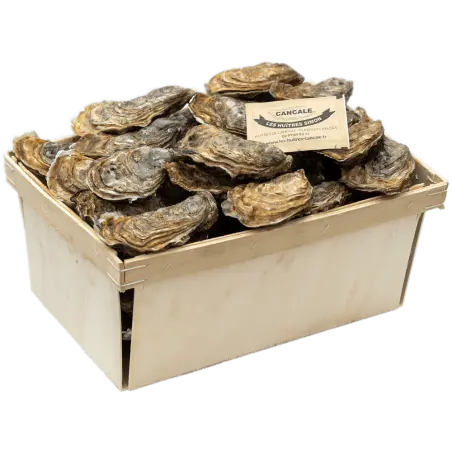
Creuse oysters are bivalve mollusks and one of the world’s most farmed oysters. They stand out for their adaptability, fast growth, and robust nature. Unlike native flat oysters, Creuse oysters thrive in a wide range of environments, especially brackish coastal waters. Their thick, jagged shells protect plump, bright meat with a crisp ocean taste.
The farming popularity of Creuse oysters has created a consistent supply. They stay affordable and easy to find throughout the year. Their remarkable ability to filter water sets Creuse oysters apart. A single oyster can filter up to 50 gallons of water per day.
This improves water quality for other marine life and helps sustain balanced ecosystems. Creuse oysters also grow to market size in just two to three years, much faster than many other oyster species. This fast growth supports large-scale, sustainable production for markets around the world.
Unlike other oyster varieties, Creuse oysters adapt well to cultivation using both bottom and table farming techniques. Their genetic diversity and disease resistance make them reliable for oyster farmers from the North Sea to the Mediterranean. These traits combine with a highly prized flavor. They keep Creuse oysters at the heart of oyster culture in France, the Netherlands, and beyond.
How Did Creuse Oysters Get Their Name?
The name “Creuse” comes from the French word for hollow or cupped. This refers to the oyster’s signature deep bowl-shaped lower shell, which holds its juicy meat. This hollow contrasts with the round, flatter appearance of the native “plate” oyster. The characteristic shape, easy to spot at a glance, became the defining feature for the Creuse oyster’s name. Creuse oysters were originally introduced to France from the Pacific Ocean in the twentieth century.
French growers turned to Creuse oysters after disease and overfishing devastated native oyster stocks. Over time, they became the most prevalent farmed oyster in Europe. Today, the word “Creuse” in an oyster’s name instantly signals the variety’s unique shape. It also marks its successful adaptation in European waters.
The Cultivation Process
Most Creuse oysters are farmed in the wild, open waters of France and the Netherlands. The cultivation process begins when tiny oyster “spat” are attached to collectors or placed in hatcheries. Once large enough, these juveniles are transferred to either seabed plots or mesh bags atop steel tables in estuarine areas. The bottom culture method lets oysters mature naturally, exposing them to shifting tides and a wide variety of food sources.
Farmers in places like Zeeland (Netherlands) and Marennes-Oléron (France) monitor oysters closely throughout the two to three year grow-out phase. Advanced tracking and careful handling help prevent overcrowding and disease. Regular tidal flushing and nutrient-rich currents support steady, healthy growth. These dedicated farmers, often part of family-run businesses, adapt time-honored traditions to modern environmental and quality standards.

About The Various Farmers
For generations, French oyster farming families have shaped the Marennes-Oléron region into the epicenter of Creuse oyster production. The Gillardeau family stands as one of the most recognized names in the business. Founded in 1898, Gillardeau has built a reputation for excellence over four generations.
They combine traditional know-how with innovative farming methods. Their Spéciales and Fine de Claire oysters are celebrated by chefs around the world. Their careful use of finishing ponds, or “claires,” imparts a distinct taste that sets their oysters apart. Nearby, the Lambert family of Huîtres Lambert continues a hands-on tradition started in 1974.

Operating out of Bourcefranc-le-Chapus, the Lamberts believe in close attention to each stage of oyster growth, from spat to harvest. They are known for their adherence to Label Rouge standards, which guarantee premium quality, flavor, and traceability. The Poget family, based in La Tremblade, has cultivated oysters since 1947.
Their daily routines mix heritage techniques with sustainable practices, always focused on preserving the local ecosystem. These families maintain long-held ties to their coastal communities. They pass down expertise and a passion for oysters that shows in every harvest. Dedicated farmers across Marennes-Oléron adapt time-honored traditions to modern environmental and quality standards.
Follow Them
Follow the region’s flagship growers directly through Maison Gillardeau, Huîtres Lambert, and Huîtres Poget. Each farm posts seasonal harvest news and direct-sale details on its site. Lambert also documents its Label Rouge standards and grading. Check their pages in autumn, when the new season’s first sales open.
Creuse Oysters Information

Pacific oyster
If you like Creuse Oysters, then check out these similar varieties!
Location
Creuse oyster farmers cultivate their oysters mainly along France’s Atlantic coast. The Marennes-Oléron basin stands out as the country’s most historic and productive region. Additional notable cultivation areas include Normandy and Brittany.
Generations of local farmers there manage expansive estuarine beds and shallow clay-lined salt ponds called claires. Farmers in places like Zeeland in the Netherlands also raise Creuse oysters using similar bottom and table culture methods. These regions offer both the natural resources and cultural traditions supporting thriving oyster production year after year.
Environmental factors in these areas dramatically support oyster growth across the Atlantic basin. Twice-daily tidal flows bring in fresh seawater, packed with oxygen and phytoplankton—essential food and nutrients for growing oysters. The shallow depth of the ponds lets sunlight warm the water, spurring the growth of microalgae and plankton.
Environmental Factors
Mild maritime climates keep temperature shifts minimal and stress low, so oysters grow steadily through every season. Salinity levels remain stable thanks to the mix of ocean tides and freshwater river inputs. That balance gives the oysters their characteristic texture and clean, briny flavor. These unique physical conditions make the basin remarkably beneficial for oyster cultivation.
Clean, nutrient-rich waters steadily circulate, while the clay pond bottoms enhance mineralization and flavor complexity. Protected by natural inlets and careful management, these regions avoid harsh currents or pollution, keeping oyster beds healthy and productive. Regional expertise, passed down through generations, ensures meticulous care at every stage. Each harvest reflects the marine richness of the Atlantic coast.

This blend of tidal flow, mineral-rich beds, consistent salinity, and farming tradition creates the perfect formula. The result is prosperous Creuse oyster crops season after season. The synergy of environment and tradition secures their fame.
Marennes-Oléron, coastal Normandy, and Brittany rank among the world’s top spots for superior oysters. Salinity in these estuarine beds typically ranges from 28 to 35 ppt. That range matches the stable briny character prized in Creuse oysters.
Suggested Beverage Pairings
This dry sherry’s saline minerality and subtle nutty character accentuate the briny flavor and delicate sweetness of Creuse oysters. Higher acidity and a savory finish amplify the complexity of each layered, mineral bite.
Boon Oude Geuze delivers tart, funky effervescence and bold acidity. Lively bubbles and sour citrus cut through the Creuse cup’s richness. Each sip resets the palate for the next briny shell.
William Fèvre Chablis brings steely Kimmeridgian minerality that mirrors the Creuse shell’s briny depth. Crisp green apple and citrus lift the plump, sweet meat. A classic French half-shell pairing straight from raw-bar tradition.
Allagash White introduces orange peel, coriander, and a hint of clove. Spice and citrus lift the natural sweetness and melon tones in Creuse oysters. The finish stays crisp with every sip and slurp.
Fresh grapefruit juice, Espolòn Tequila Blanco, and a salted rim make the Paloma a zesty, invigorating cocktail for oysters. Acidity and fizz brighten the Creuse cup’s subtle sweetness and saline snap.
Where Can I Buy Creuse Oysters?
You can buy Creuse oysters fresh from the following sources:
- AlPassoFood – This Italian marketplace ships Creuse de Carantec oysters from Brittany across Europe in 24–48 hours. Refrigerated packaging keeps the shells cold from checkout to your door.
- Honest Catch – This German seafood shop delivers French creuse oysters to Germany, Austria, and Switzerland. You pick the exact delivery date at checkout, with single pieces or value packs available.
- Khachane – This Brussels seafood house stocks Marennes-Oléron hollow oysters, the classic French creuse. Order before 2 PM for fresh next-day delivery across Belgium, France, Luxembourg, and Monaco.
- Very Gourmand – This French grocery lists seasonal creuse oysters shipped direct from France. Delivery covers most of Europe, with free shipping on larger gourmet orders.
References
- “Buy Oysters Creuse De Carantec Online.” AlPassoFood, 14 Jan. 2025, www.alpassofood.com/en/prodotto/ostriche-creuse-de-carantec/.
- “Buy French oysters online – HONEST CATCH.” Honest Catch, 16 Nov. 2024, honest-catch.com/en/products/oyster-open.
- “Marennes d’Oléron hollow oyster | Khachane.” Khachane, 30 Mar. 2022, khachane.be/en/products/huitre-creuse-marennes-oleron.
- “Oysters | Very Gourmand French Grocery.” Very Gourmand, www.verygourmand.com/gb/2442-oysters.
- “Oyster Fine de Claire Marennes Oleron N° 2×48.” Longino & Cardenal, www.shoplongino.hk/oyster-fine-de-claire-marennes-oleron-n-2×48.
- “Fine de Claire Oysters No.2 – 12pcs | Fresh French Oysters Cyprus.” Very Shellfish, 21 Feb. 2025, www.very-shellfish.com/products/fine-de-claire-n2-12pcs-box.
- “Speciales De Claire Marennes Oleron Oyster.” Classic Fine Foods, 14 May 2025, classicfinefoods.co.uk/seafood/63-speciales-de-claire-marennes-oleron-oyster.html.
- “Buy Fines de Claire Marennes-Oleron Oysters N.4.” Zouf.biz, 17 Sept. 2024, www.zouf.biz/products/fines-de-claire-marennes-oleron-oysters-n-4.
- “Buy French Oysters Online.” AlPassoFood, www.alpassofood.com/en/ostriche-francesi/.
- “Huîtres Lagarre : Oyster farmer in Marennes-Oléron.” Huîtres Lagarre, www.huitres-lagarre.com/en.
- “Ostréiculteurs depuis 1879 – Chironfils.” Chironfils, 31 Jan. 2019, chironfils-huitres.com/?lang=en.
- “Oysters – Adri & Zoon.” adrienzoon.com, adrienzoon.com/en/product/oysters/.
- “La Fine de Claire Verte | Marennes Oléron Oysters.” Marennes Oléron, www.huitresmarennesoleron.info/UK-fine_de_claire_verte.html.
- “Marennes-Oléron oysters PGI | Taste France Magazine.” Taste France Magazine, 31 Oct. 2020, www.tastefrance.com/us/french-products/seafood/marennes-oleron-oysters-pgi.
- “Six Unique Ways to Enjoy Oysters.” Forbes, 26 July 2015, www.forbes.com/sites/jeanneobriencoffey/2015/07/27/six-unique-ways-to-enjoy-oysters/.
- “Pairing Cocktails and Naked Oysters.” Pangea Shellfish Company, 16 May 2020, www.pangeashellfish.com/blog/pairing-oysters-and-cocktails.
- “The Best Oyster and Beer Pairings – Allagash Brewing Company.” Allagash, 29 July 2020, www.allagash.com/discover/pairings-recipes/the-best-oyster-and-beer-pairings/.
- “Field Notes: Shucking the French love of oysters – Ron’s Fish and Trips.” Ron’s Fish and Trips, 17 Jan. 2019, fishandtrips.home.blog/2019/01/18/field-notes-shucking-the-french-love-of-oysters/.
- “Zeeland Creuse – World of Oysters.” World of Oysters, 2024.
- “The Exclusive Oyster – Mooijer-Volendam,” Mooijer-Volendam, 2023.
- “How to Choose your Oysters – M&C Asia,” 2021.
- “Oysters Menorca – Zeeuwse Creuse.”
- “l’huître creuse | Marennes Oléron Oysters,” 2019.
- “The Art of Ordering Oysters in France,” French Entrée, 2025.
- “Oysters – Premier Seafarmers by Nature,” 2025.
- “Oyster farming in Zeeland,” Ace Oysters, 2023.
- “Oyster farming techniques – France Naissain,” 2024.
Discover more from The Oyster Encyclopedia
Subscribe to get the latest posts sent to your email.