

Quick Facts
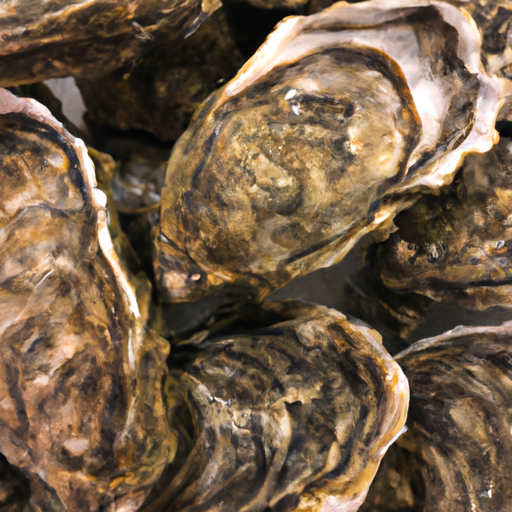
- Species: Eastern Oyster (Crassostrea virginica).
- Cultivation Method: Wild-caught in shallow coastal waters.
- Size: 3-4 inches on average.
- Salinity: 28-30 ppt, offering a bold, briny taste.
- Flavor Profile: Clean, intensely salty with a mild, sweet finish.
- Seasonality: Available year-round, peak season in cooler months.
What Are Chincoteague Oysters?
Chincoteague Salt oysters stand out for their exceptional briny profile and pristine growing conditions. The swift flow of Assateague Channels and clean, sandy bottom create an ideal environment for these Virginia salt oysters 2. The diurnal tides surrounding Chincoteague Island produce some of the cleanest oysters available. Their proximity to the Atlantic Ocean results in their distinctive salty character 4.
Cherrystone Aqua-Farms, formerly Ballard Fish and Oyster Company, has cultivated these prized shellfish for over 115 years. Fifth-generation farmers now maintain the tradition 2. These oysters require 18 to 24 months to reach market size, typically growing to over 3.25 inches. Modern aquaculture practices have evolved. They now include cage and tray cultivation of triploid oysters. This evolution ensures year-round availability and consistent quality 2.
Beyond their intense salinity, Chincoteague Salt oysters deliver a complex flavor profile that sets them apart from other varieties. Their taste begins with a sharp, distinct brine that evolves into a mild earthy finish 2. This unique combination has earned Chincoteague recognition as one of Virginia’s eight distinct oyster regions. Their oysters are served in restaurants and raw bars worldwide 4.
How Did Chincoteague Oysters Get Their Name?
Chincoteague Salt oysters derive their name from the vibrant island of Chincoteague, located along Virginia’s Eastern Shore. The island, famed for its rich maritime culture and pristine waters, lends its identity to these oysters.
Historically, Chincoteague was home to thriving oyster harvesting communities. Early settlers and Native Americans recognized the island’s fertile estuaries as ideal for oyster growth. Over time, the name became synonymous with the high-quality oysters harvested from these waters.
The connection between the island’s unique geography and its oysters strengthened through generations. Today, Chincoteague oysters remain a celebrated emblem of Virginia’s coastal bounty.
About Cherrystone Aqua-Farms
Cherrystone Aqua-Farms cultivates Chunu oysters on Virginia’s Eastern Shore. The company was founded in 1895. It initially focused on oyster farming. However, it shifted to clam cultivation in the 1960s due to oyster diseases. Cherrystone later revitalized its oyster program with the development of disease-resistant triploid oysters.

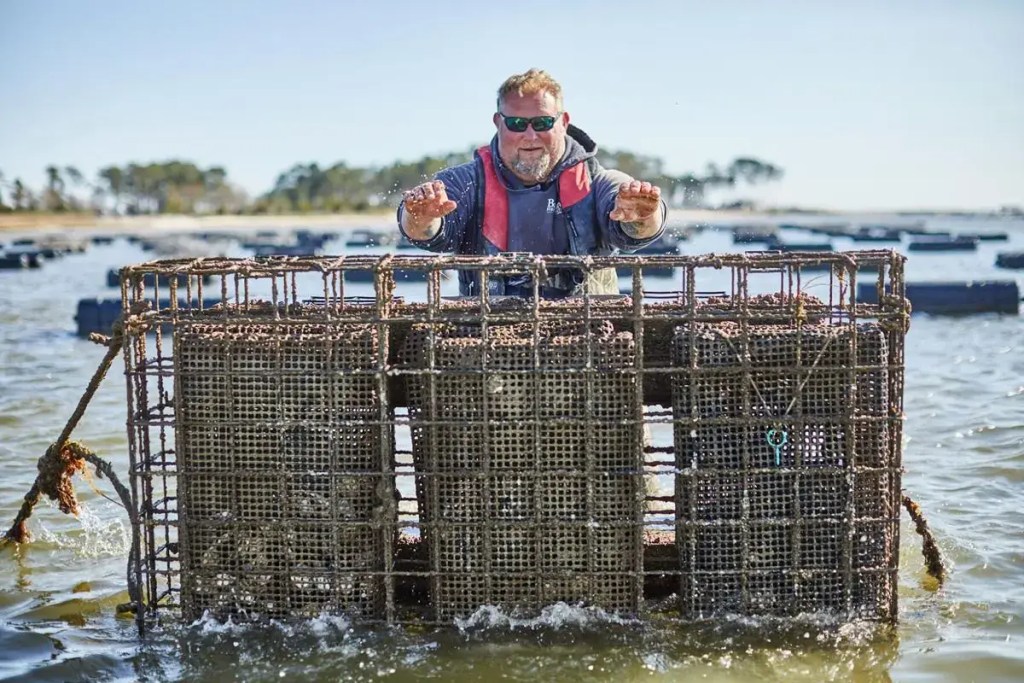
Bubba Frisby, an experienced oyster farmer with over 20 years in the industry, manages Cherrystone’s oyster program. Born and raised in Oyster, Virginia, Bubba is known for his exceptional oyster tumbling skills.
Cherrystone Aqua-Farms operates in a vast coastal wilderness, utilizing floating cages across several aquaculture leases. They grow Chunu oysters alongside their “sister” variety, Misty Points, using the same husbandry techniques. Chunus are harvested earlier, resulting in their smaller size and unique characteristics.
The company emphasizes sustainable farming practices and environmental stewardship. Their shellfish improve water quality while feeding, promoting species abundance and diversity. Cherrystone offers direct-to-consumer sales through their online shop, making their premium oysters widely accessible.
Follow Them
Ready to taste the briny goodness of Chunu oysters? Visit Cherrystone Aqua-Farms’ official website to order these premium cocktail-sized delights directly. Follow their social profiles for fresh updates, oyster tips, and behind-the-scenes glimpses of Virginia’s coastal oyster farming. Dive into the world of Chunu oysters today!
Chincoteague Oysters Information
Oyster: Chincoteague Salt
Species: Eastern Oyster (Crassostrea virginica)
Cultivation Method: Farmed
Seasonality: Year Round
Size: 3.5″
Culture Method: Cage and tray cultured. bottom planting or off-bottom floating bags.
Salinity: 28-30 ppt
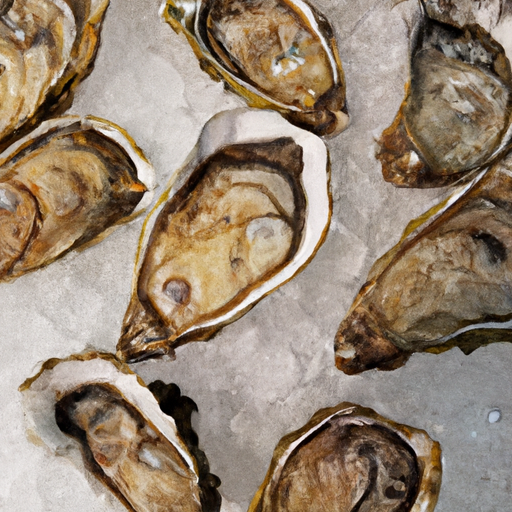
Appearance: Have elongated, oblong shells with a rough and textured surface. The shell color ranges from light gray to brownish hues. The inner meat is typically creamy or pale in color.
Flavor: Saltiness and a clean, crisp finish. Their flavor conveys both sweet and savory attributes, with hints of melon and cucumber. Their texture is creamy and plump, with a firm and briny meat.
If you like Chincoteague Salt oysters, then check out these similar varieties!
- Cadillac Oysters
- Conway Royal Oysters
- Islesboro Oysters
- Kettle Cove Oysters
- Martha’s Vineyard Oysters
Location
Chincoteague Salt oysters thrive in the pristine waters surrounding Chincoteague Island and Assateague National Wildlife Refuge. This location is part of the largest natural barrier island ecosystem in the Middle Atlantic states. It encompasses over 55,000 acres of maritime forests, salt marshes, dunes, and beaches 4.
The growing environment benefits from unique geographical features that create ideal conditions for oyster cultivation. The swift flow of Assateague Channels and a clean, sandy bottom provide optimal growing conditions. The area almost exclusively receives Atlantic Ocean water through the Chincoteague Inlet 14. The region’s tidal range measures about 0.7 meters, creating a semi-diurnal flow pattern that ensures consistent water exchange 3.
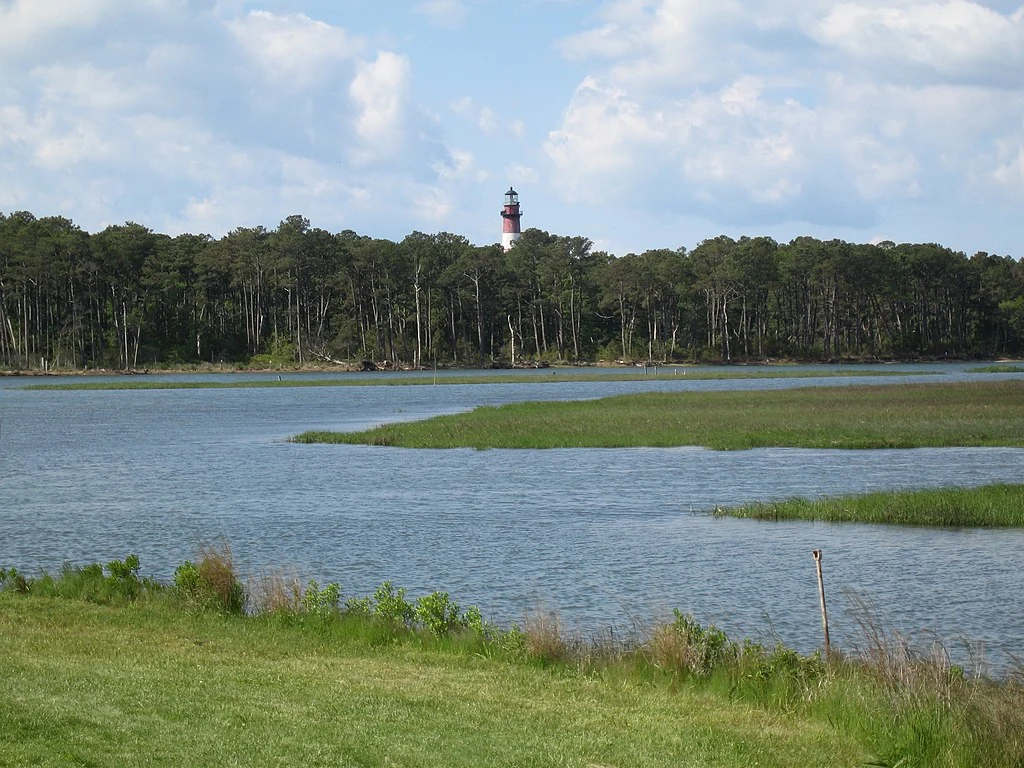
The water chemistry particularly stands out. Salinity levels reach approximately 28 parts per thousand in areas like Toms Cove 3. This high-salinity environment combines with nutrient-rich marshland. The minimal freshwater input creates the perfect conditions for developing the oysters’ distinctive briny flavor profile 4. The protected status of surrounding lands, like Assateague Island National Seashore and Wallops Island Wildlife Refuge, preserves the water quality. This status also maintains pristine growing conditions. These factors make these oysters exceptional 4.
Suggested Pairings
- Ingleside Vineyards Albariño – This Virginia-produced Albariño complements Chincoteague oysters with its crisp acidity. It also has mineral notes. These qualities enhance the oysters’ cucumber undertones and briny character.
- Louis Roederer Brut Premier Champagne – This champagne has biscuit notes and marine minerality. These qualities balance perfectly with the oysters’ brine. Its ripe apple and pear flavors add depth to the pairing.
- Hendrick’s Gin Martini – A martini made with Hendrick’s gin pairs exceptionally well. The gin’s subtle cucumber notes mirror the oyster’s natural flavor profile.
- Muscadet Sèvre-et-Maine – This Loire Valley white wine has high acidity and minerality. It also offers bright citrus and soft melon notes. These characteristics make it a classic oyster pairing.
- Allagash White Beer – This beer is brewed in Maine. It is a Belgian-style wheat beer. The beer offers a crisp, refreshing complement to Chincoteague oysters. It has big citrus notes and spiciness.
Where to Buy Chincoteague Oysters
- Cherrystone Aqua-Farms: This company sells Chincoteague Salts oysters online and ships them directly to consumers.
- Stop & Shop: This grocery store chain sells Chincoteague Shellfish Farms Wild-Caught East Coast Oysters online and in-store.
- Coastal Seafoods: This seafood market sells online and in-store.
- Local Restaurants: Chincoteague Island is known for its seafood, and many local restaurants serve Chincoteague oysters. You can check with local seafood restaurants in Chincoteague Island to see.
Stay Connected with The Oyster Encyclopedia!
Follow us on social media to get the latest updates, oyster recipes, and behind-the-scenes glimpses into the world of oysters:
Stay tuned for exclusive content, oyster trivia, and more! Engage with our vibrant community of oyster enthusiasts by liking, commenting, and sharing our posts. Your support helps us continue providing valuable oyster knowledge to fellow seafood lovers worldwide.
References
- Ballard, Chad. “Cherrystone Aqua-Farms: Our Story.” Cherrystone Aqua-Farms, 2023.
- “Chincoteague Salt Oysters.” Virginia Oyster Trail, Virginia Marine Products Board, 2023.
- “Environmental Assessment of Chincoteague and Wallops Island.” U.S. Fish and Wildlife Service, Department of Interior, 2023.
- “Virginia Oyster Industry History and Habitat.” Virginia Institute of Marine Science, College of William & Mary, 2023.
- “Water Quality Assessment of Chincoteague Bay.” Maryland Department of Natural Resources, 2023.
Discover more from The Oyster Encyclopedia
Subscribe to get the latest posts sent to your email.