



Chef’s Notes
Mason Bostwick · Executive Chef
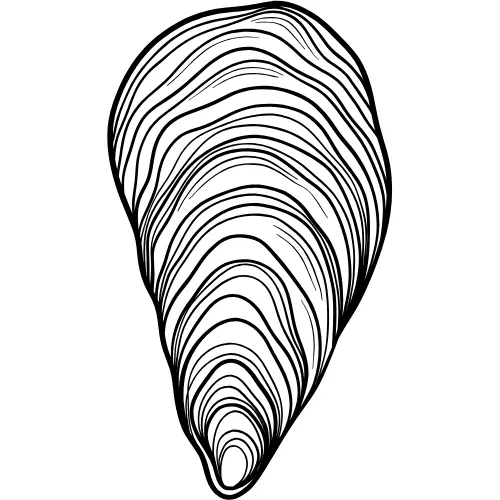
Pacific oyster
Barron Point — Little Skookum Inlet, South Puget Sound — Sweet Pacific cups with mild salinity and a musky beach-grown finish from Adams-family tidelands.
Flavor chart
Chef palate read
Shuckability
Shell & line performance
When I buy it
Track Sound Fresh at Olympia Farmers Market from September through July when Adams-family Barron Point tags show deep cups and full liquor. Hama Hama and Taylor Shellfish list Barron Point online when South Puget Sound harvest allows.
How I serve it
Half shell with lemon or light mignonette — the sweet opening and musky Little Skookum finish need minimal garnish.
What to watch for
Look for well-cupped Pacific shells with plump meat and clean liquor. Reject cracked intertidal cups or milky liquor after warm holding.
My read
Sweet, mildly salty Pacific cups with a distinctive musky finish — a solid Adams-family beach oyster from Little Skookum Inlet.
What Are Barron Point Oysters?
The South Puget Sound region of Washington State cultivates a premium variety of oysters called Barron Point Oysters. These oysters grow in the Little Skookum Inlet, which flows into Totten Inlet. The natural ebb and flow of the tides, including periods of air and sunlight, expose them to grow inter-tidally. This unique cultivation process contributes to the oyster’s hardiness and enhances their flavor profile.
Barron Point Oyster’s flavor is sweet and mildly salty with a musky finish. This is attributed to the nutrient-rich waters and the mix of fresh and saltwater in their growing area. The presence of freshwater from the inlet plays a crucial role in developing their distinctive taste and tender texture.
These oysters are known for their plump meat. The rich feeding grounds and pristine conditions of their habitat directly contribute to this. Intertidal exposure in Little Skookum Inlet helps build that fullness on the beach.

As a Pacific oyster variety, Barron Point Oysters boast a strong shell and size that consumers and chefs appreciate. The intertidal farming method ensures a robust shell and contributes to a longer shelf life. This makes these oysters a sought-after choice in culinary circles.
Barron Point Oysters are distinguished in the world of seafood. Their unique growing conditions contribute to this status. Careful attention to their cultivation process also plays a significant role.
How Did Barron Point Oysters Get Their Name?
The oysters are named after Barron Point, the geographical feature where the Adams family grows them in Little Skookum Inlet. That site sits in South Puget Sound, where the oysters mature on intertidal beaches. Naming oysters for a farm or place is a common practice in shellfish farming.
This naming convention reflects the oyster’s strong connection to their specific growing location. The Little Skookum setting shapes the sweet, mildly salty flavor and musky finish chefs recognize. Barron Point ties each harvest to the Adams family’s Skookum Inlet tidelands.
About The Adams Family
The Adams family has a longstanding tradition of farming clams and oysters in Skookum Inlet, Washington. This practice spans multiple generations and reflects a deep connection to the shellfish industry and the local environment. Their farm benefits from the unique geographical features of Little Skookum and Totten Inlets.
These features create ideal conditions for cultivating high-quality shellfish due to strong tidal currents and nutrient-rich waters. The family’s dedication to shellfish farming began with Archie Adams. Evan Adams further developed it in the 1970s. He innovated in growing hatchery-produced seed midst challenges, laying the groundwork for the farm’s current practices.

The Adams family farm cultivates Barron Point oysters intertidally on the tidelands of Little Skookum Inlet. They combine this method with the inlet’s mix of fresh and saltwater. As a result, they produce oysters known for their sweet, musky flavor and solid salinity.
The family’s approach to low-density farming ensures that each oyster develops a nicely cupped shell. The Adams family’s commitment to quality is evident throughout their process. From their meticulous hand-selection to washing of shellfish during harvesting, they mean business!
The Adams family sells shellfish at the Olympia Farmers Market through their Sound Fresh Clams & Oysters stall. This market presence showcases their dedication to the shellfish farming tradition and connects them to the local community. It also connects them to a wider audience that appreciates their products’ unique taste and quality.
The family’s operation is a “teeny, tiny operation”, according to John Adams. Their operation is a testament to their passion for shellfish farming. They can produce shellfish that reach markets far beyond their local area, including New York City, Europe, and Asia.
Follow Them
Visit the Sound Fresh Clams & Oysters website for Adams-family farm details on Little Skookum Inlet and Olympia Farmers Market hours. The grower posts shellfish updates and market schedules at skookumpoint.com/our-farm. Hama Hama Oyster Company lists Barron Point tags at hamahamaoysters.com when South Puget Sound harvest allows.
Explore Barron Point oysters more deeply
Check out profiles and listings on oyster purveyors’ sites and follow seafood retailers and Puget Sound shellfish growers on social media to stay updated on Barron Point oyster harvests and availability. Sound Fresh Clams & Oysters brings their Olympia Farmers Market shellfish to a wider audience that tracks Puget Sound harvests. Retailers such as Hama Hama Oyster Company and Taylor Shellfish Farms also list Barron Point when supply allows.
Barron Point Oysters Information

Pacific oyster
If you like Barron Point Oysters, then check out these similar varieties!
If You Like Barron Point Oysters, Check Out These Similar Varieties!
Location
The Adams family cultivates Barron Point oysters in Little Skookum Inlet, South Puget Sound, Washington. Little Skookum flows into Totten Inlet, mixing fresh and saltwater across the tidelands where they farm. That South Puget Sound setting defines the oyster’s sweet flavor and intertidal hardiness.
Barron Point oysters are cultivated in Little Skookum Inlet, a part of South Puget Sound in Washington State. This location offers ideal conditions for oyster growth due to several environmental factors. The inlet provides a mix of fresh and saltwater, with salinity typically ranging from 18-22 ppt. This balance contributes to the oyster’s distinctive flavor profile (Taylor Shellfish Farms).
South Puget Sound is known for its high nutrient content. This nutrient richness promotes the growth of phytoplankton. Phytoplankton is the primary food source for oysters.
This results in plump, sweet oyster meat (Hama Hama Oyster Co.). The tides in Little Skookum Inlet naturally ebb and flow. They expose the oysters to periods of air and sunlight.
This exposure allows them to grow intertidally. This unique cultivation process enhances the oyster’s hardiness and flavor (Washington State Department of Health). The Adams family’s bag-to-beach method relies on those daily tidal cycles.

The Adams family use low-density farming techniques. This approach allows each oyster to develop a nicely cupped shell. The inlet’s conditions ensure high-quality production (Washington Sea Grant).
Like other oysters, Barron Points contribute to water filtration. Adult oysters can filter up to 50 gallons of water daily. This helps keep ecosystem balance in the inlet (NOAA Fisheries).
Suggested Beverage Pairings
Dry Laurent-Perrier acidity and bubbles cleanse Barron Point sweet Pacific liquor from Little Skookum Inlet. Fine mousse lifts the musky finish without masking mild South Puget Sound salinity. A classic brut match for Adams-family beach-grown cups on the raw bar.
Domaine de la Pépière Muscadet Sur Lie brings saline citrus and lees texture beside Barron Point oysters. Its zesty acidity frames the sweet opening before the musky close on intertidal Pacific cups. Loire whites suit Puget Sound beach oysters served chilled.
Pascal Jolivet Sancerre adds chalky Sauvignon Blanc citrus to Barron Point mild brine and honeyed sweetness. High acidity keeps the musky finish light on the palate between shells. A crisp white for Sound Fresh tags from Olympia Farmers Market.
Miller High Life crisp carbonation refreshes between Barron Point half shells without bitter hops. Light malt sweetness echoes the oyster’s honeyed Pacific meat from Little Skookum tidelands. A straightforward beer pairing for casual Puget Sound raw-bar service.
An extra-dry Tanqueray martini with lemon twist keeps Barron Point liquor clean and forward. Botanical juniper adds herbal lift to the musky beach-grown finish. A spirit option when guests want zero sweetness beside Adams-family Pacific cups.
This guide is part of the Raw Bar Bible — chef-level technique, safety, and gear so you can shuck and serve oysters with confidence.
Where Can I Buy Barron Point Oysters?
You can buy Barron Point Oysters from the following sources:
- Hama Hama Oyster Company — Olympic Peninsula shellfish farm shipping live Barron Point Pacific oysters with ice-packed overnight delivery when South Puget Sound tags are in stock.
- Taylor Shellfish Farms — Western Washington grower and distributor listing Adams-family Barron Point oysters for online purchase and Puget Sound wholesale when harvest allows.
- Sound Fresh Clams & Oysters — Adams-family farm selling Barron Point and Skookum Point Pacific oysters at the Olympia Farmers Market from beach-grown Little Skookum Inlet tidelands.
- Olympia Farmers Market — Thurston County market where Sound Fresh Clams & Oysters sells fresh Barron Point oysters direct from the Adams family’s South Puget Sound beach on market days.
References
- Hama Hama Oyster Co. “Barron Point Oysters.” https://www.hamahamaoysters.com/products/barron-point-oysters
- NOAA Fisheries. “Eastern Oyster.” https://www.fisheries.noaa.gov/species/eastern-oyster
- Taylor Shellfish Farms. “Barron Point Oysters.” https://www.taylorshellfishfarms.com/shop-online/barron-point-oysters
- Washington Sea Grant. “Shellfish Aquaculture in Washington State.” https://wsg.washington.edu/community-outreach/aquaculture/shellfish-aquaculture-in-washington-state/
- Washington State Department of Health. “Commercial Shellfish Map Viewer.” https://fortress.wa.gov/doh/eh/maps/OSWPViewer/index.html
Discover more from The Oyster Encyclopedia
Subscribe to get the latest posts sent to your email.