


What are Aphrodite Oysters?
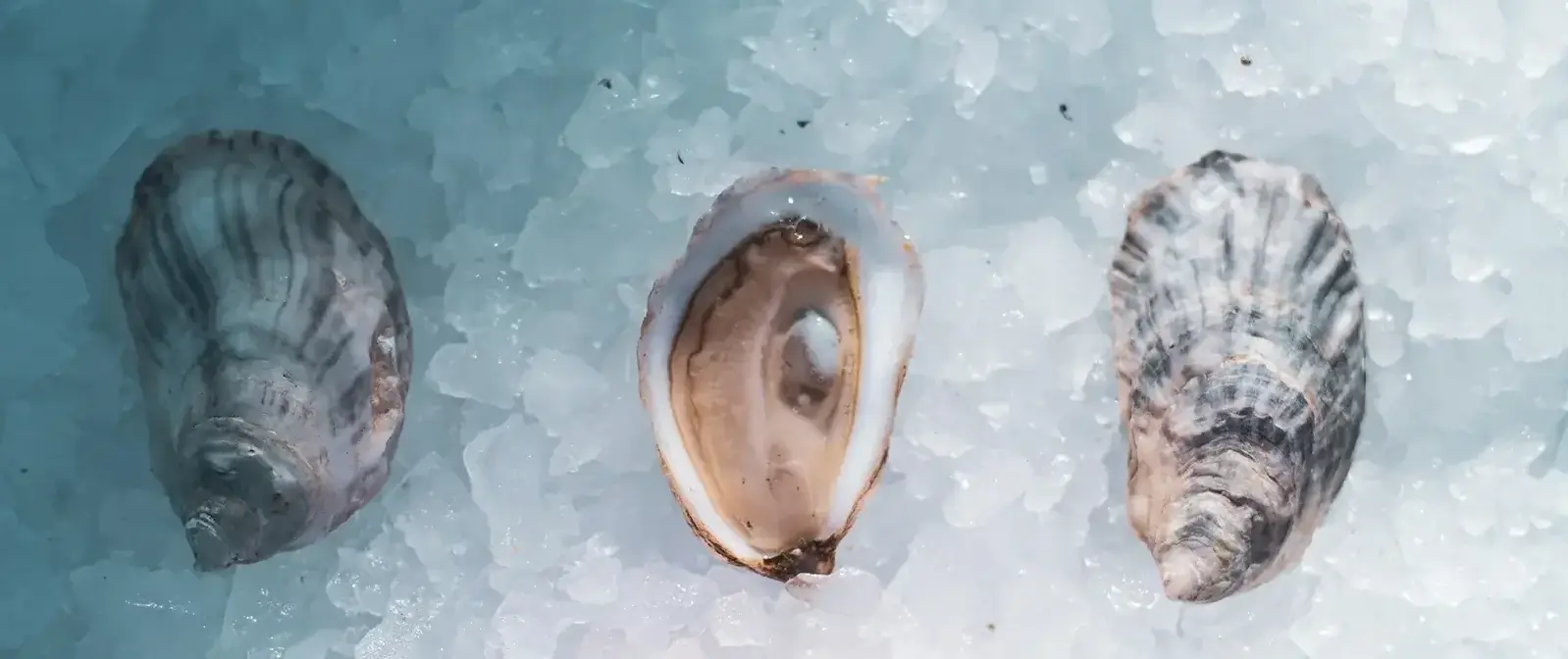
Aphrodite oysters are farmed, cold‑water oysters grown in the tidal waters off the coast of Maine, where strong currents and cold temperatures shape their texture and taste. They are a type of Eastern oyster (Crassostrea virginica), but their specific growing area and handling give them a distinct character compared with many other East Coast varieties. Growers leave them in the water for several years, so they develop deep cups and dense, well‑filled meats that hold plenty of liquor when served on the half shell.
In flavor, Aphrodite oysters stand out for a bright, briny first impression followed by a mild, sweet, sometimes buttery finish. They usually register as medium‑high in salinity, so you clearly taste the sea without an overwhelming salt burn. That balance makes them approachable to new oyster eaters while still interesting to more experienced fans who look for nuance in texture and aftertaste.
Visually, these oysters often show thick, rugged shells with good depth, which makes them easy to shuck and attractive on a raw bar tray. The firm meat inside gives a satisfying bite rather than a thin, watery feel, which pairs well with simple garnishes like lemon or mignonette. Taken together—their cold‑water origin, slow grow‑out, deep cups, and balanced flavor—Aphrodite oysters represent a distinct, place‑driven expression of Maine’s coastal waters.
How Did Aphrodite Oysters Get Their Name?
Aphrodite oysters derive their name from the Greek goddess Aphrodite, who symbolizes love, beauty, and sensuality. According to Greek mythology, Aphrodite was born from sea foam. She emerged on an oyster shell. This has cemented the association between oysters and the goddess of love. This mythological connection enhances the allure of these oysters. It underscores their reputation as natural aphrodisiacs, adding an element of romance and mystique to their consumption.
The farmers chose the name to reflect the passion and beauty associated with the oysters. It also represents the coastal regions where they harvest them. This romantic and passionate naming aligns with the luxurious and indulgent experience that oysters often represent.
About Aphrodite Oysters

Krista Tripp owns and operates Aphrodite Oysters, a commercial oyster farm on Spruce Head Island, Maine. As a born and raised Mainer, Tripp has a deep connection to the ocean. This connection to Maine’s coast greatly influenced her decision to enter the aquaculture industry.
Tripp’s journey into oyster farming began in 2018 when she decided to diversify her lobster business. She enrolled in the Island Institute’s aquaculture business development program. There, she learned the fundamentals of shellfish farming. She networked with industry leaders and studied the trade’s intricacies.
Aphrodite Oysters, named after the Greek goddess of love and beauty, reflect Tripp’s passion for Maine’s beautiful coastline. The company has grown to employ several full-time staff. Tripp’s oysters have made their way onto the menus of oyster bars throughout Maine.
Tripp’s commitment to sustainability is a cornerstone of her business. She recently implemented a solar array for her onshore facility to power her operations with clean energy. Grants from the USDA Rural Energy for America Program (REAP) supported this initiative. The Island Institute also provided grants. These grants covered a significant portion of the project costs.
Aphrodite Oysters stands out for its dedication to environmental stewardship and Tripp’s vision of a “clean” operation. The solar installation was completed in September 2023. It has already shown positive results. It saved 559 pounds of carbon dioxide emissions in its first quarter of operation.

Tripp’s story exemplifies the growth of sustainable aquaculture in Maine’s coastal communities. Her success shows how traditional fishing industries can diversify and adapt. They adjust to changing environmental and economic conditions while maintaining a solid connection to local marine resources.
Follow Them
Craving coastal flavors? Dive into Aphrodite Oysters’ world! Follow their social profiles for mouthwatering pics, oyster tips, and exclusive offers. Don’t miss out – shuck yeah!
Aphrodite Oysters Information
Oyster: Aphrodite Oysters
Species: Crassostrea virginica
Cultivation Method: Farmed for 3-4 years.
Size: 3-3.5 inches
Seasonality: Year-round
Culture Method: Farmed for 4-5 years in the cold waters of Penobscot Bay, Maine
Salinity: 28-32 ppt

Appearance: a distinctive appearance characterized by their soft, plump flesh and firm, well-defined shells. The shells feature a dark green to black exterior with fluted edges. In contrast, the inner shell displays a shiny, pearlescent surface.
Flavor Profile: A moderately salty flavor with a clean finish. They have a vivid, well-defined flavor, complemented by subtle fruity overtones reminiscent of pears. The oysters present a balanced combination of brine and sweetness, delivering a refreshing and satisfying taste experience.
If You Like Aphrodite Oysters, Check out these similar varieties!
Location
Aphrodite oysters originate from the Lower Weskeag River of South Thomaston, Maine. This location along Maine’s southern coast provides an ideal environment for oyster growth. This is due to its unique geological features and environmental characteristics.
The Ecosystem
The cold waters of the Lower Weskeag River significantly influence oyster development. “Maine’s coastal waters are known for their low temperatures, which slow oyster growth, typically taking 3-4 years for an oyster to reach full size” (WRNS Studio). This extended growth period allows oysters more time to develop in their habitat. As a result, they contribute to a full-bodied flavor profile. The cold water also ensures a clean, pristine environment for oyster cultivation.

The Weskeag River experiences significant tidal changes, with reports of 11-foot tidal fluctuations (WRNS Studio). These tidal movements are crucial for oyster growth. They constantly deliver nutrients to the oysters at various levels of the river. The tidal action also contributes to robust shell growth, resulting in oysters with a highly marketable appearance and texture. The river’s tidal nature ensures a constant flow of fresh, nutrient-rich seawater. This flow supports the oysters’ nutritional needs and promotes healthy growth.
Maine’s coastal geology plays a vital role in creating an optimal environment for oyster cultivation. “The finger-like coast and the extensive salt marshes provide a rich mixture of nutrients that contribute to the oysters’ unique flavor profile” (WRNS Studio).
This guide is part of the Raw Bar Bible — chef-level technique, safety, and gear so you can shuck and serve oysters with confidence.
Suggested Beverage Pairings
- Reissdorf Kölsch (Germany)
This pale ale‑lager hybrid has a very clean, delicate malt base with light floral hops, so it echoes the oyster’s gentle sweetness instead of fighting the brine. Its crisp finish and subtle carbonation rinse the palate quickly, setting up each oyster to taste as bright as the first. - Cantillon Gueuze (traditional Belgian lambic)
Cantillon Gueuze brings sharp acidity, funky earth notes, and a touch of citrus that play against the oyster’s sweet, buttery edge in a high‑contrast way. The tartness cuts through the liquor while the earthy complexity mirrors the mineral side of a well‑grown cold‑water oyster. - Fino Sherry “Tío Pepe” (Jerez)
A bone‑dry Fino like Tío Pepe tastes intensely saline and nutty, making it feel almost like an extension of the sea on your tongue. Its razor‑sharp dryness and yeasty, almond notes frame the oyster’s natural brine and sweetness, turning each bite into a layered, savory sip‑and‑slurp. - Junmai Ginjo Sake “Dassai 45” (Japan)
Dassai 45 has a silky texture with gentle melon and rice notes that wrap around the oyster’s firm, briny meat without overwhelming it. The clean, umami‑rich finish resonates with the oyster’s ocean flavor, creating a smooth, almost seamless transition between sip and shell. - White Negroni with Suze, Lillet Blanc, and gin
A White Negroni’s bitter gentian from Suze, herbal gin, and lightly fruity Lillet add bright, complex layers to the oyster’s simple, pure sea taste. The drink’s firm bitterness and citrusy snap contrast the oyster’s butter and salt, so each oyster feels richer while the drink stays sharply refreshing.
Where Can I Buy Aphrodite Oysters?
- Maine Oyster Company
- Product: Aphrodite Oysters
- Price: $172.50
- Delivery Info: Free shipping
- Website: Maine Oyster Company
- SoPo Seafood
- Product: Aphrodite Maine Oysters (25 Count Bag)
- Price: $65.00
- Delivery Info: $45.00 shipping
- Website: SoPo Seafood
- Island Creek Oysters
- Product: Aphrodite Oysters from South Thomaston, ME
- Price: Currently out of stock
- Delivery Info: FedEx Overnight service
- Website: Island Creek Oysters
References
“Aphrodite Oysters.” Yelp, www.yelp.com/biz/aphrodite-oysters-south-thomaston. Accessed 4 Oct. 2024.”Oysters: Salivation and Salvation of Maine’s Coastal Environments.” WRNS Studio, www.wrnsstudio.com/oysters-salivation-and-salvation-of-maines-coastal-environments/. Accessed 4 Oct. 2024.
Maine Lobster Marketing Collaborative. “Krista Tripp.” Lobster From Maine, https://lobsterfrommaine.com/lobstermen/krista-tripp/. Accessed 4 Oct. 2024.
Discover more from The Oyster Encyclopedia
Subscribe to get the latest posts sent to your email.