


Chef’s Notes
Mason Bostwick · Executive Chef
Eastern oyster
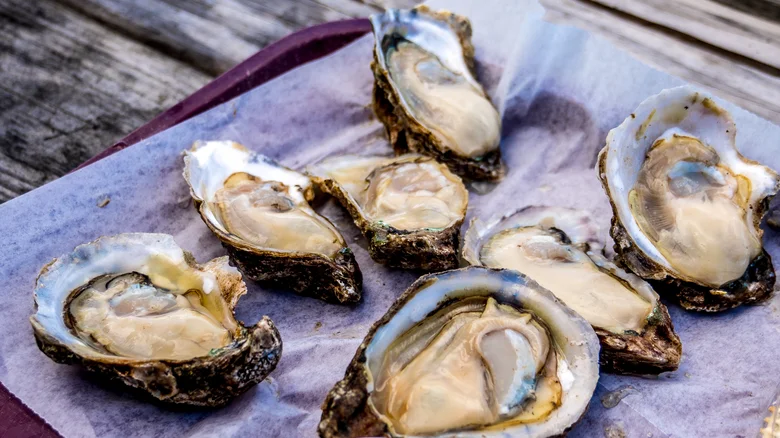
Apalachicola — Apalachicola Bay, Florida Panhandle — Briny Gulf opening with sweet, buttery close on wild Eastern cups. A classic Forgotten Coast virginica from brackish river-and-Gulf water.
Flavor chart
Chef palate read
Shuckability
Shell & line performance
When I buy it
Source wild Apalachicola Bay tags from Lynn’s Quality Oysters in Eastpoint when FWC seasonal quotas allow — September through April cups read best. Farmed Indian Lagoon bands ship from Port St. Joe when bay tonging is closed.
How I serve it
Half shell with lemon and light mignonette — the briny-mineral opening and buttery Gulf finish carry the plate on their own.
What to watch for
Look for deep-cupped gray-brown shells with full liquor and a clean briny-buttery swallow. Reject cracked wild cups or milky liquor after warm holding.
My read
Briny Gulf opening, mineral mid-palate, and a sweet buttery Eastern finish — a dependable Florida Panhandle virginica with real Apalachicola Bay character.
What Are Apalachicola Oysters?
Apalachicola oysters are renowned for their distinct flavor profile. This distinctiveness results from the unique blend of salt and fresh water in Apalachicola Bay. This brackish water environment is where the Apalachicola River meets the Gulf of Mexico. It creates a perfect balance of nutrients and saltwater.
This balance fosters the growth of these exceptional oysters. The bay’s protected location is shielded by barrier islands. This further enhances the oysters’ quality. It reduces the impact of ocean waves and provides a stable habitat.
One of the critical factors that set Apalachicola oysters apart is their size. They take about three years to reach harvest size, which is typically around three inches. This slower growth rate allows them to develop a more complex flavor profile. The flavor achieves a perfect balance of sweetness and saltiness.
The large oysters make them more desirable for consumption, with some even reaching the size of a dinner plate. The cultural significance of these oysters can’t be overstated. Apalachicola oysters have supported the local economy and cuisine for centuries. They earned Apalachicola the title of “Oyster Capital of the World.”
The oysters are often linked to the region’s identity and are deeply ingrained in the local culture. The traditional method of harvesting these oysters using hand tongs has been preserved, adding to their unique charm and appeal. That hand-tong tradition ties each harvest directly to the brackish beds below St. George Island. The same bay waters listed in the info box shape every wild and farmed tag from the fishery.
How Did Apalachicola Oysters Get Their Name?
The name derives from the bay where they are harvested, Apalachicola Bay, located in northwest Florida. The name “Apalachicola” originates from the indigenous Apalachicola tribe. It means “people on the other side,” a reference to the local geography.
The bay’s history as a critical oyster-producing region dates back to the 1800s. Its oysters became synonymous with the area’s name, solidifying Apalachicola Bay’s reputation for high-quality shellfish. Today, they are a celebrated part of Florida’s seafood heritage.
Wild Harvest in Apalachicola Bay
Apalachicola oysters are harvested both wild and through aquaculture in the bay. Wild harvest remains the defining tradition, with oyster tongers manually working the bay’s natural oyster beds. The traditional method of harvesting these oysters using hand tongs has been preserved across generations on the Gulf Coast.
Farmed lines use floating cages, while wild stock relies on bottom culture in natural oyster beds. The aquaculture method allows for the growth and harvesting of oysters that help replenish the population and meet demand. Culture methods listed for the fishery include floating cages for farmed stock and bottom culture on the bay floor for wild harvest.
Indian Lagoon Oysters carries the identity of the former Apalachicola Oyster Company in the region today. Peak season runs September through April, when salinity and meat quality align for Gulf raw-bar service. Those wild and farmed lines share the same brackish Apalachicola Bay estuary between 15 and 35 ppt salinity.
Follow Them
Visit the Indian Lagoon Oyster Company website for farmed Gulf half-shell stock from Port St. Joe near the Apalachicola estuary. Follow the grower on Facebook and Instagram for harvest photos, farmers market dates, and floating-cage availability. Indian Lagoon carries forward regional oyster farming after wild Apalachicola Bay tonging faced prolonged harvest closures. Place retail or wholesale orders through their online shop when seasonal bay quotas limit wild tags.
Apalachicola Oysters Information

Eastern oyster
If you like Apalachicola Oysters, then check out these similar varieties!
Oyster: Apalachicola
Species: Eastern Oysters (Crassostrea Virginica)
Cultivation Method: Farmed/Wild.
Farmed: The aquaculture method allows for the growth and harvesting of oysters. This helps to replenish the oyster population. It also meets the demand.
Wild: Oyster tongers would manually harvest oysters from the bay’s oyster beds.
Seasonality: Sept – Apr
Size: 3-4″
Culture Method: Floating Cages (farmed) or Bottom culture in natural oyster beds (wild).
Salinity: 15-35 ppt
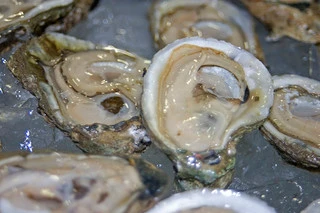
Appearance: deep-cupped, elongated shell with a rough, wavy edge. The shell is typically grayish-brown, and the oysters are creamy and off-white.
Flavor Profile: briny, sweet, and buttery, with a clean, crisp finish. The initial taste is typically a briny and mineral-like flavor with a sweet and buttery finish.
Location
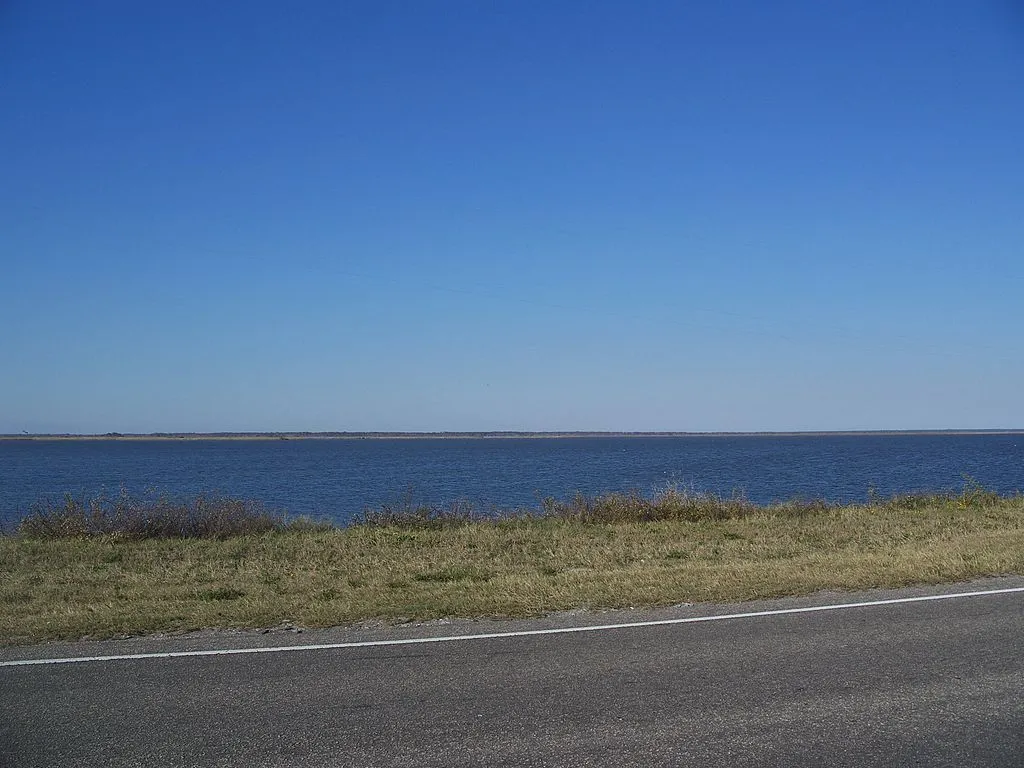
Apalachicola Bay is on the Gulf Coast of Florida. Apalachicola Bay is between the Apalachicola National Forest to the north and the Gulf of Mexico to the south. Several rivers, including the Apalachicola River feed the bay.
These oysters are primarily cultivated in Apalachicola Bay, Florida, on the northwest side of St. George Island. This unique estuarine ecosystem provides an optimal environment for oyster growth. This is due to the combination of freshwater and saltwater, known as brackish water.
The bay’s location allows a mix of nutrient-rich freshwater from the Apalachicola River. It also incorporates saltwater from the Gulf of Mexico. This mix creates an ideal habitat for oysters to thrive on the Florida Panhandle coast.
The brackish water in Apalachicola Bay supports oyster growth by providing a stable and nutrient-rich environment. The freshwater rivers bring in nutrients. These nutrients help the oysters develop into large, plump adults.
The saltwater from the Gulf of Mexico increases the bay’s overall salinity. This mix of fresh and saltwater lessens predator impact. It also minimizes disease, allowing the oysters to thrive in Apalachicola Bay.
Another critical factor in Apalachicola Bay is the stable habitat provided by the bay’s bottom structure. Oysters can grow equally well on hard, rocky bottoms. They can also thrive on semi-hard mud if it is firm enough to support their weight.
The bay’s underwater structures, like rocks and reefs, offer a suitable surface for oysters to attach to and grow. This stability is essential for oyster growth, as shifting sand and soft mud are unsuitable for oyster communities. That firm bottom pairs with the brackish river-and-Gulf mix that defines Apalachicola flavor.
Suggested Beverage Pairings
Chablis Premier Cru Montmains brings flinty minerality and lean citrus beside Apalachicola brine. Its high acidity frames the bay’s sweet, buttery finish without masking wild Gulf liquor. A classic mineral white for deep-cupped Eastern oysters from the Forgotten Coast.
Allagash White offers light coriander spice and orange peel beside Apalachicola creamy Eastern cups. The wheat beer effervescence cleanses brackish salinity between bites on the raw bar. A refreshing ale match for Gulf Coast virginica service near Apalachicola Bay.
Muscadet Sur Lie from Domaine Luneau-Papin adds saline citrus and lees texture to Apalachicola oysters. Its zesty acidity lifts the bay’s mineral opening before the buttery close. Loire whites suit briny Gulf virginica on the half shell.
An extra-dry Tito’s martini with lemon twist keeps Apalachicola liquor clean and forward on the palate. The vodka’s neutrality lets the bay’s briny-mineral opening shine. A spirit option when guests want zero sweetness beside wild Eastern cups.
Westbrook Gose brings tart lemon and subtle salinity beside Apalachicola’s briny Gulf character. Light body and gentle coriander spice refresh the palate between deep-cupped shells. A beer pairing that mirrors the bay’s own saline edge.
This guide is part of the Raw Bar Bible — chef-level technique, safety, and gear so you can shuck and serve oysters with confidence.
Where Can I Buy Apalachicola Oysters?
You can buy Apalachicola Oysters from the following sources:
- Lynn’s Quality Oysters — Eastpoint packinghouse shipping wild Apalachicola Bay oysters in the shell or shucked with overnight Florida delivery when FWC quotas allow.
- Indian Lagoon Oyster Company — Port St. Joe farm selling branded half-shell oysters online and through Forgotten Coast farmers markets when wild bay harvest is closed.
- Boss Oyster — Apalachicola waterfront restaurant serving chilled Apalachicola Bay oysters from its own licensed harvest boat on the half shell.
- Serenoa Shellfish Company — Franklin County oyster farm offering local porch delivery and overnight shipping to Panhandle buyers seeking fresh Gulf cups near Apalachicola Bay.
References
- “Why Florida Has Stopped Harvesting Apalachicola Oysters.” Tasting Table, 1 Apr. 2023, https://www.tastingtable.com/1225963/why-florida-has-stopped-harvesting-apalachicola-oysters/. Accessed 23 Nov. 2024.
- McCarthy, Rob Diaz de Villegas. “The Oyster ‘Plan’: What Happens When Apalachicola Bay Reopens?” WFSU Ecology Blog, 4 Apr. 2024, https://blog.wfsu.org/blog-coastal-health/2024/04/the-oyster-plan-what-happens-when-apalachicola-bay-reopens/. Accessed 23 Nov. 2024.
- “Florida Shuts Down Oyster Harvesting in Apalachicola Bay Through 2025.” WUSF Public Media, 16 Dec. 2020, https://www.wusf.org/environment/2020-12-16/florida-shuts-down-oyster-harvesting-in-apalachicola-bay-through-2025. Accessed 23 Nov. 2024.
- “Apalachicola.” The Oyster Guide, https://www.oysterguide.com/maps/gulf-coast/apalachicola/. Accessed 23 Nov. 2024.
- “Apalachicola Bay Oysters Need Heavy Restoration to Recover.” Wide Open Country, 15 Mar. 2022, https://www.wideopencountry.com/apalachicola-bay-oysters/. Accessed 23 Nov. 2024.
- “The Ultimate Guide to Apalachicola Oysters.” Fickling Vacation Rentals, https://www.ficklingvacationrentals.com/apalachicola-oysters/. Accessed 23 Nov. 2024.
- “Apalachicola Oysters and the Battle for a Florida Bay.” Southern Foodways Alliance, 11 Sept. 2024, https://www.southernfoodways.org/gravy/apalachicola-oysters-and-the-battle-for-a-florida-bay/. Accessed 23 Nov. 2024.
- “What’s the Latest on Apalachicola’s Oysters?” 30A, 15 Jan. 2020, https://30a.com/apalachicolas-oysters/. Accessed 23 Nov. 2024.
- “The Last Oyster Tongers of Apalachicola.” The Bitter Southerner, 10 Feb. 2022, https://bittersoutherner.com/feature/2022/the-last-oyster-tongers-of-apalachicola. Accessed 23 Nov. 2024.
Discover more from The Oyster Encyclopedia
Subscribe to get the latest posts sent to your email.