

Quick Facts
- Flavor Profile: Briny with a sweet finish and hints of seaweed.
- Unique Habitat: Grown in the nutrient-rich waters of Waquoit Bay, Massachusetts.
- Growout Period: 12 to 18 months for optimal flavor development.
- Salinity: Approximately 28-30 ppt, providing a clean, oceanic taste.
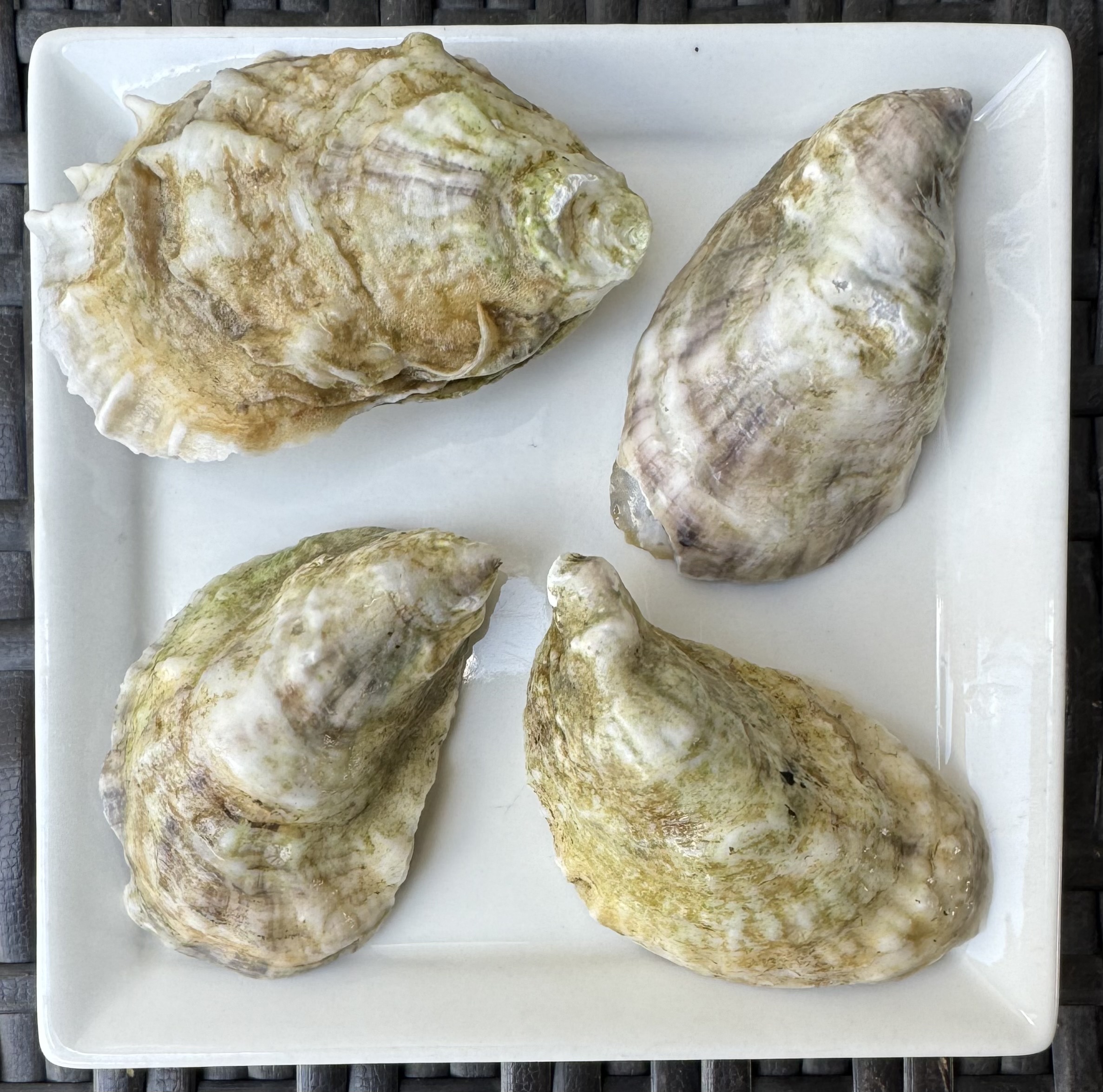
- Shell Appearance: Smooth shells with varying shades of gray and brown.
What Are Washburn Island Oysters?
Washburn Island Oysters, harvested in Waquoit Bay, Massachusetts, offer a distinctive taste experience that sets them apart from other varieties. These oysters thrive in a unique environment. It is buffered by an estuarine research reserve and Washburn Island, which is part of a state park 7. This protected location contributes to their superior quality and fresh, briny flavor profile.
What makes Washburn Island Oysters truly special is their complex taste. Two marine rivers feed directly into their growing area. This results in a sweet and salty flavor with subtle earthy undertones 7. This combination of flavors creates a more intricate palate experience compared to many other oyster varieties. Additionally, the oysters are known for their extremely clean finish, leaving a crisp and refreshing aftertaste 16.

The cultivation process of Washburn Island Oysters also contributes to their uniqueness. They are carefully tumbled for uniformity, ensuring consistent size and shape 6. This attention to detail in farming practices results in oysters with deep cups and plump, meaty interiors. Unlike many Cape Cod oyster farms that halt shipments during summer, Washburn Island Oysters are available year-round, showcasing the farm’s commitment to consistent quality and supply
How Did Washburn Island Oysters Get Their Name?
Washburn Island Oysters are named after Washburn Island, a 330-acre coastal island in Waquoit Bay, Massachusetts. This area is known for its unspoiled beauty and rich ecological diversity. The island’s waters create an ideal setting for cultivating oysters. This is because they mix saltwater from the Atlantic Ocean with freshwater from rivers and streams.
The name reflects not only their geographic origin but also the heritage of sustainable aquaculture in the region. The clean, protected waters of Waquoit Bay contribute to the oysters’ briny yet balanced flavor.
About Cape Cod Oyster Company
Cape Cod Oyster Company was founded by Al Surprenant in 1983. It has become a leading oyster producer in New England. The company’s roots stem from Surprenant’s deep appreciation for Cape Cod’s coastal environment. His early understanding of the importance of water quality1 also contributed to its foundation.
Cape Cod Oyster Company is among the largest oyster growers in the region. It is responsible for 10 percent of all Massachusetts oyster production 12. The company’s commitment to sustainability and traceability sets it apart in the industry. They source oysters from well-managed hatcheries and employ responsible production and harvesting practices 1.
Cape Cod Oyster Company’s operations span multiple locations on Cape Cod. They cultivate oysters in the nutrient-rich waters of North Bay. They hand-grow them from seedling to harvest. This process occurs in premier areas of Barnstable Harbor, West Bay in Osterville, and Waquoit Bay in Falmouth 1. This diverse range of growing locations contributes to the distinct characteristics of their oysters.
The company has experienced significant growth and evolution over the years:
- In 1983, they began raising oysters but initially focused on clam seed supply 1.
- By the early 2000s, Cape Cod Oyster shifted its focus exclusively to oysters, coinciding with the oyster renaissance 1.
- In 2010, they moved to a state-of-the-art, third-party audited facility in Barnstable, Massachusetts 1.
- In 2015, the company acquired Washburn Island Oysters in Falmouth, Massachusetts, expanding their operations 1.

Cape Cod Oyster Company’s success relies on environmental stewardship. They actively engage with the community and commit to producing high-quality oysters. Their practices ensure a consistent supply of oysters. These practices also contribute to the health of Cape Cod’s coastal ecosystems 14.
Follow Them
Dive into the world of premium oysters! Visit Cape Cod Oyster Company’s official website to explore their sustainable practices and mouthwatering offerings. Follow them on social media for a taste of coastal living, behind-the-scenes glimpses, and delicious oyster inspiration.
Washburn Island Oysters Information
Oyster: Washburn Island
Species: Crassostrea virginica (Eastern oyster)
Cultivation Method: Farmed, 12-18 months growout.
Size: 2-4″
Seasonality: Available year-round
Culture Method: Tumbled for uniformity, grown in tiered cages on bottom floats
Salinity: 27-30 ppt
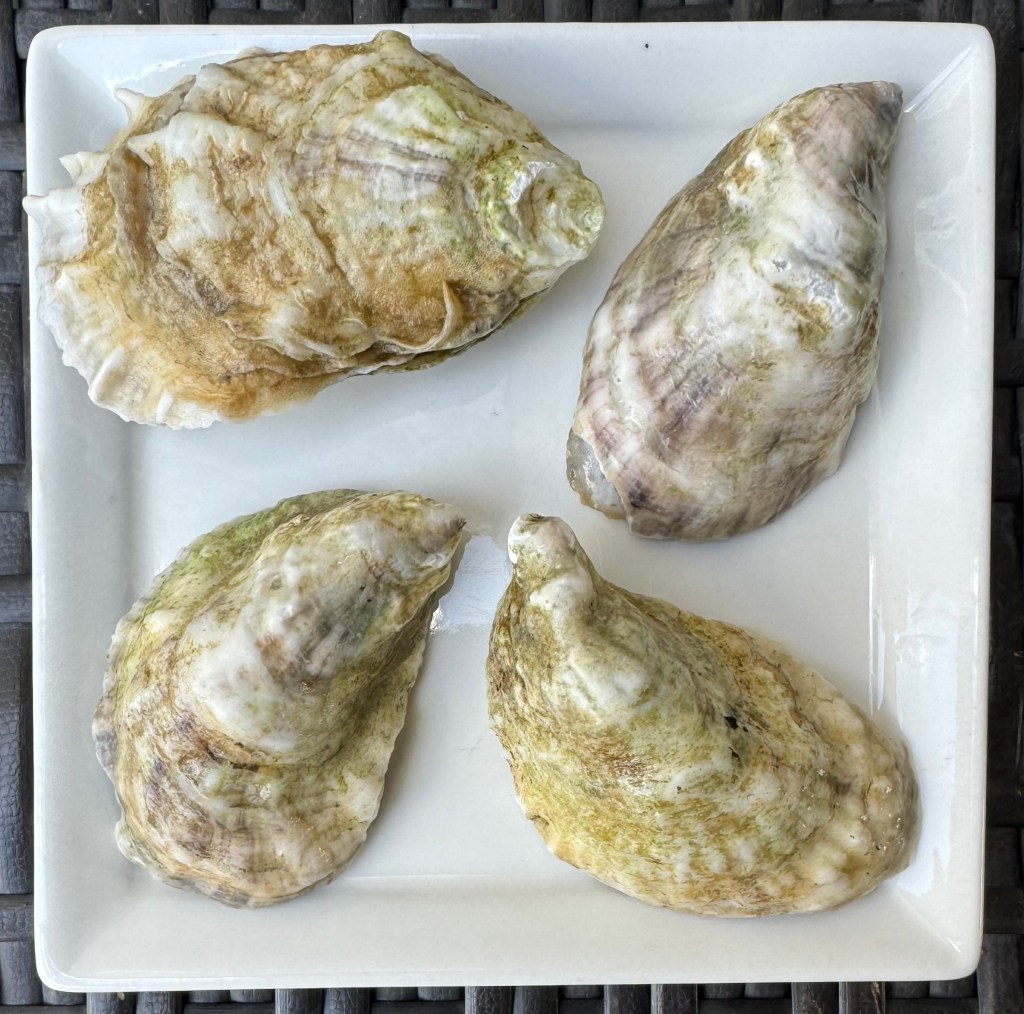
Appearance: Washburn Island Oysters have smooth, well-formed shells with hues of gray, brown, and cream. They have deep cups with clean and uniform shells. They are plump, measuring about 3 inches in size, and feature meaty interiors.
Flavor Profile: a complex flavor profile with a moderate salinity and pleasant sweetness. They present a balanced brine taste, complemented by subtle earthy undertones. The oysters finish extremely clean, leaving a crisp and refreshing aftertaste.
If you like Washburn Island oysters, then check out these similar varieties!
- Saucey Lady Oysters
- Savage Blonde Oysters
- Stormy Bay Oysters
- Thatch Island Oysters
- Village Bay Oysters
Location
Washburn Island Oysters are cultivated in Waquoit Bay, Massachusetts, a well-protected salt pond located on Cape Cod. The bay is directly fed by Vineyard Sound and the freshwater inputs from the Moonakiss and Little Rivers 910. This unique location provides an ideal environment for oyster growth. The farm is situated adjacent to Washburn Island. This island is part of a state park 1.
Environmental Factors
The environmental factors that make Waquoit Bay particularly beneficial for oyster growth and prosperity are numerous. Firstly, the bay’s shallow depth, averaging 0.79 meters with a maximum of 2.7 meters, creates a favorable habitat for oysters 2. The tidal flushing through a narrow opening to Vineyard Sound helps maintain water quality. It provides a constant supply of nutrients 2. The salinity in the bay ranges from 0 to 32 PSU. The highest salinities occur in the center. This offers a diverse range of conditions that support oyster growth 2.
Another crucial factor is the protected nature of Waquoit Bay. Washburn Island and the bay’s geography protect the oysters from excessive wind and wave activity. This protection is essential for their development 1. This sheltered environment allows for year-round cultivation. This is a unique advantage compared to many Cape Cod oyster farms. These farms must halt operations during winter months 1. The combination of marine and freshwater inputs creates a complex flavor profile in the oysters. This profile is characterized by a balance of sweetness and salinity. There are also subtle earthy undertones 19.
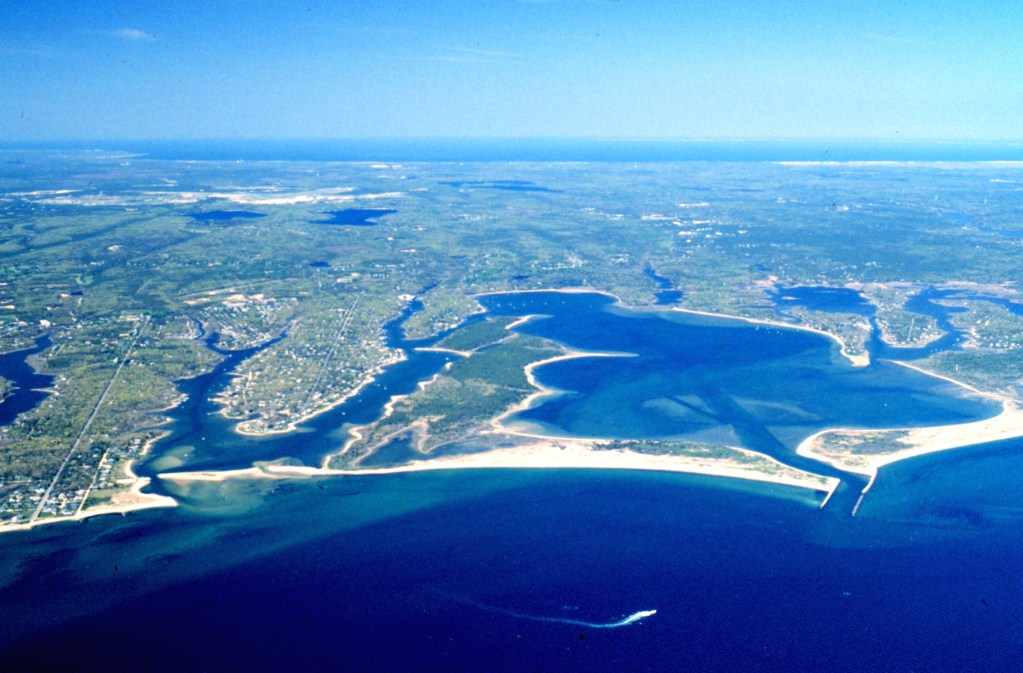
The bay’s ecosystem also contributes to the oysters’ success. Two marine rivers feed directly into the growing area. This enhances the nutrient supply and influences the oysters’ taste 1. Additionally, the bay’s water temperature and salinity factors contribute to a faster grow-out period compared to other sites 1. These environmental conditions not only support oyster growth. They also play a crucial role in developing the distinctive flavor. This is the quality that Washburn Island Oysters are known for.
Suggested Beverage Pairings
- Blood in the Water – This spicy cocktail blends Bloody Mary and Michelada flavors with a fortified jalapeño syrup. Its bold taste complements the oysters’ brine while matching their saltiness.
- Shape of Curiosity – A bourbon and fino Sherry blend with apple, lemon, and honey notes. This cocktail helps mellow the intense salinity of the oysters while enhancing their complex flavors.
- Imperial Opal – This cocktail features La Clandestine Absinthe Blanche and Varnelli L’Anise Secco. Its delicate herbaceous and anise notes pair well with the oysters’ subtle earthy undertones.
- Gustave Lurentz Pinot Blanc Reserve – This very dry white wine from France is excellent with the oysters. It creates a salty and sweet pairing. Its crispness enhances the oysters’ earthy and briny notes.
- Solidarity Black Mild Ale – This is a light and smooth ale from Eagle Rock Brewery. It provides a subtle maltiness. This maltiness complements the oysters’ sweetness without overpowering their delicate flavors.
Where Can I Buy Washburn Island Oysters?
- Cape Cod Oyster Company – As the parent company of Washburn Island Oysters, they likely offer direct sales.
- Island Creek Oysters – This popular online seafood retailer offers a wide variety of oysters. The selection includes Washburn Island Oysters. They provide free overnight delivery.
- Fortune Fish & Gourmet – A wholesale distributor that lists Washburn Island Oysters among their East Coast oyster offerings. They may also sell to individual consumers.
Stay Connected with The Oyster Encyclopedia!
Follow us on social media to get the latest updates, oyster recipes, and behind-the-scenes glimpses into the world of oysters:
Stay tuned for exclusive content, oyster trivia, and more! Engage with our vibrant community of oyster enthusiasts by liking, commenting, and sharing our posts. Your support helps us continue providing valuable oyster knowledge to fellow seafood lovers worldwide.
References
- Cape Cod Oyster Company. “Our Brands: Washburn Island Oysters.” Cape Cod Oyster Company, www.capeoysters.com/our-brands/washburn-island-oysters. Accessed 16 Dec. 2024.
- Fortune Fish & Gourmet. “Oysters – East Coast: Washburn Island.” Fortune Fish & Gourmet, www.fortunefishco.net/oysters-east-coast/washburn-island. Accessed 16 Dec. 2024.
- Island Creek Oysters. “Shop.” Island Creek Oysters, shop.islandcreekoysters.com. Accessed 16 Dec. 2024.
- Instacart. “Washburn Live Oysters.” Instacart, www.instacart.com/products/41817847-washburn-live-oysters-1-each. Accessed 16 Dec. 2024.
- Waquoit Bay National Estuarine Research Reserve. “Waquoit Bay.” Waquoit Bay National Estuarine Research Reserve, www.waquoitbayreserve.org/about/waquoit-bay/. Accessed 16 Dec. 2024.
Discover more from The Oyster Encyclopedia
Subscribe to get the latest posts sent to your email.